

Blog
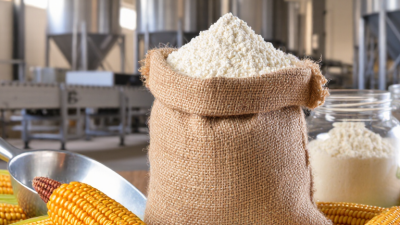
How to Source Non-GMO Corn Starch in Bulk?
Sourcing Non-GMO Corn Starch in bulk requires more than comparing price per metric ton. Buyers must verify crop origin, segregation controls, processing records, and shipment consistency. A pale-white powder may look identical to conventional starch, yet its documentation can differ substantially.
Industry data shows why this category deserves careful planning. USDA reports continue to place U.S. corn production above 15 billion bushels in strong harvest years. However, USDA statistics do not separately identify non-GMO corn starch volumes. Market estimates also vary. Allied Market Research valued the global corn starch market at approximately $27.5 billion in 2022 and projected continued growth through 2032. These figures indicate demand, but they do not guarantee reliable non-GMO supply.
“The right to know what is in our food is fundamental,” says Megan Westgate, co-founder of the Non-GMO Project. Her principle remains relevant for industrial procurement. Verification should extend beyond a supplier’s marketing statement. Request identity-preserved sourcing records, farm-level declarations, test procedures, allergen controls, and certificates matching the actual lot. The Non-GMO Project Standard can provide an additional reference point, although certification requirements may differ from buyer specifications.
Small details matter. Check whether the supplier controls silos, conveyors, bags, and loading equipment. Ask how rejected material is handled. Confirm whether the starch meets food, pharmaceutical, or technical-grade requirements. Some suppliers provide impressive paperwork but weak traceability. That is an uncomfortable reality.
A practical sourcing process should compare origin, specification, verification, lead time, minimum order quantity, and landed cost. Reliable purchasing is not simply finding the cheapest starch. It is building evidence that survives an audit, a production delay, or a customer question.
Read more »
 By:Ethan Carter
- October 4, 2026
By:Ethan Carter
- October 4, 2026

China Top 10 Non GMO Corn Syrup Suppliers
Sourcing Non-GMO Corn Syrup in China calls for more than comparing prices. Buyers need to understand how each supplier defines and verifies its product, and whether the syrup suits the intended application. This guide introduces ten Chinese suppliers for consideration, with attention to product range, manufacturing capabilities, documentation, and export experience. A supplier name alone is not proof of quality.
Useful comparisons begin with practical details. Ask about solids content, dextrose equivalent, viscosity, color, and packaging options. Request current product specifications and relevant traceability or non-GMO verification documents, then confirm that they apply to the specific product and production site. Requirements may differ for beverages, confectionery, sauces, and other foods. Samples can help assess performance, but they do not replace document checks or agreed quality controls.
Look closely. A polished website may leave important questions unanswered. Buyers should clarify minimum order quantities, lead times, batch consistency, and how product changes are communicated. They should also confirm whether a supplier is the manufacturer or a trading company, since that can affect communication and supply planning. The “top 10” label is a starting point, not a universal ranking: suitability depends on your technical needs, destination-market requirements, and risk tolerance. Some information may be difficult to verify from public sources, so direct checks remain necessary. A careful comparison can narrow the field without treating any supplier’s claims as settled fact.
Read more »
By:Ethan Carter
- September 29, 2026

2026 Top Organic Liquid Sugar Suppliers for Global Buyers
Global buyers entering the 2026 market need more than a long supplier list. They need dependable quality, clear documentation, and practical shipping support. Organic Liquid Sugar can serve beverage, bakery, dairy, confectionery, and foodservice applications. Yet its performance depends on more than the word “organic.”
A credible supplier should explain the sugar source, processing method, concentration, flavor profile, and storage requirements. Buyers should also request current organic certificates, food safety records, allergen statements, and batch traceability documents. A useful test begins with a small sample. Check color, viscosity, sweetness, sediment, and flavor in an actual recipe. Laboratory data matters, but kitchen and factory trials reveal different problems.
Reliable suppliers communicate clearly before contracts are signed. They confirm packaging options, minimum order quantities, lead times, port arrangements, and temperature guidance. A 25-kilogram pail may suit a pilot project, while bulk totes may reduce costs for regular production. However, lower pricing does not always mean better value. Freight delays, damaged seals, or inconsistent batches can quickly change the calculation.
No supplier is perfect. That caveat matters. Certification status, harvest conditions, freight rates, and export requirements can change during 2026. Buyers should verify current records rather than rely on old brochures or vague marketplace claims. The suppliers discussed in this guide are assessed through practical criteria, including product transparency, responsive service, quality controls, and suitability for international trade. Readers should still conduct independent audits and approve samples before making large commitments.
Read more »
 By:Amelia
- September 24, 2026
By:Amelia
- September 24, 2026
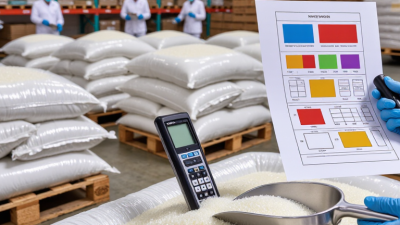
How to Source Organic Refined Cane Sugar in Bulk?
Sourcing Organic Refined Cane Sugar in bulk requires more than comparing prices. Buyers must verify origin, certification, refining standards, packaging, and delivery performance. The product may look uniform in a sample, yet its documentation can reveal significant differences.
A reliable sourcing process begins with clear specifications. Define the required organic certification, sucrose percentage, moisture level, color, granulation, and microbiological limits. Request current certificates, laboratory reports, allergen statements, and traceability records from each supplier. Confirm that the certification applies to the specific facility and shipment, not merely the trading company.
Supplier experience matters. Ask how they manage harvest fluctuations, contamination risks, storage humidity, and export documentation. A professional supplier should explain lot identification and provide consistent batch records. Factory audits, independent inspections, and pre-shipment testing can reduce uncertainty. Still, no supplier relationship is risk-free. A polished website is not proof of dependable performance.
Bulk logistics also deserve careful attention. Review pallet design, inner liners, container loading, moisture protection, lead times, and approved payment terms. Clarify responsibilities under the selected Incoterm and check destination-country import requirements. Small details matter.
The strongest buying decision balances verified quality, transparent communication, total landed cost, and long-term reliability. Buyers should compare evidence, not promises. Some specifications may need revision after pilot orders or customer feedback. That is normal. Careful sourcing creates a practical foundation for purchasing Organic Refined Cane Sugar with greater confidence and fewer surprises.
Read more »
By:Ethan Carter
- September 17, 2026
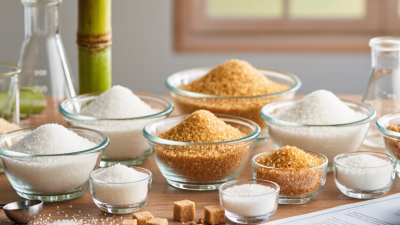
Top 10 Regenerative Organic Cane Sugar Suppliers?
Demand for Regenerative Organic Cane Sugar is growing among food brands, retailers, and responsible ingredient buyers. Yet supplier selection requires more than comparing prices or polished sustainability claims. Soil restoration, farmer welfare, traceability, and dependable processing standards all deserve close attention.
This guide introduces ten suppliers connected with regenerative organic cane sugar and examines what makes each one worth considering. The review focuses on certification evidence, farming practices, sourcing regions, production capacity, packaging options, and supply-chain transparency. Recognized organic and regenerative certifications can provide useful assurance, but certificates alone do not tell the whole story. Buyers should request current documentation, audit details, laboratory specifications, and shipment records before making a contract decision.
Small details matter. Can the supplier identify the farm or cooperative behind each batch? Does the sugar arrive with consistent color, moisture, and crystal size? Are farmers paid through clear and fair purchasing arrangements? These questions reveal operational quality more effectively than attractive marketing language.
No ranking remains perfect for every buyer. A bakery may prioritize fine granulation, while a beverage company may need stable bulk deliveries. Some suppliers publish strong environmental data but offer limited regional availability. Others provide reliable logistics yet explain regenerative outcomes less clearly. That gap deserves reflection. The strongest choice depends on verified evidence, realistic volume requirements, and the buyer’s own standards. This overview is designed to support careful comparison, not replace independent due diligence.
Read more »
By:Ethan Carter
- September 17, 2026
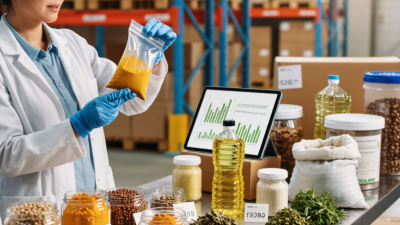
What Is an Organic Ingredients Supplier?
An Organic Ingredients Supplier connects certified farms, processors, and product manufacturers. The supplier may provide herbs, oils, grains, plant extracts, sweeteners, or natural colors. More importantly, it manages evidence behind those materials.
Wendell Berry, a respected food and farming authority, wrote, “Eating is an agricultural act.” His words also describe ingredient sourcing. Every purchase can affect soil care, farming communities, processing methods, and consumer trust. A capable Organic Ingredients Supplier should explain where ingredients were grown and how they were handled after harvest. Details matter.
Reliable suppliers normally maintain organic certificates, product specifications, allergen statements, and certificates of analysis. Lot numbers should connect each shipment with a documented production record. Buyers may also review pesticide controls, storage conditions, testing procedures, and audit histories. Requirements can differ between markets, so experienced suppliers avoid vague promises. They confirm the applicable standards before making a claim.
A physical example is simple. A bag of organic turmeric should arrive with a lot code, production date, country of origin, and moisture information. Its records should support the material’s identity and quality. That matters.
No supplier is flawless. Documentation can contain gaps, certificates can expire, and seasonal crops can vary in color or aroma. Careful buyers ask difficult questions and verify answers. An Organic Ingredients Supplier earns credibility through transparent records, consistent communication, and honest limits. The label is only one part of the story. The supply chain deserves closer attention.
Read more »
By:Ethan Carter
- September 17, 2026