

Sustainably farmed crop rows supplying organic food ingredients

Organic Ingredients Blog & Insights

Expert knowledge from a family-owned ingredient supplier with 15+ years of experience.

Sourcing Intelligence For Procurement Teams

USDA Organic, Non-GMO and natural ingredient guidance.

From Farm To Your Formulation

Tapioca, corn, rice and cane sugar ingredient deep dives.

0%

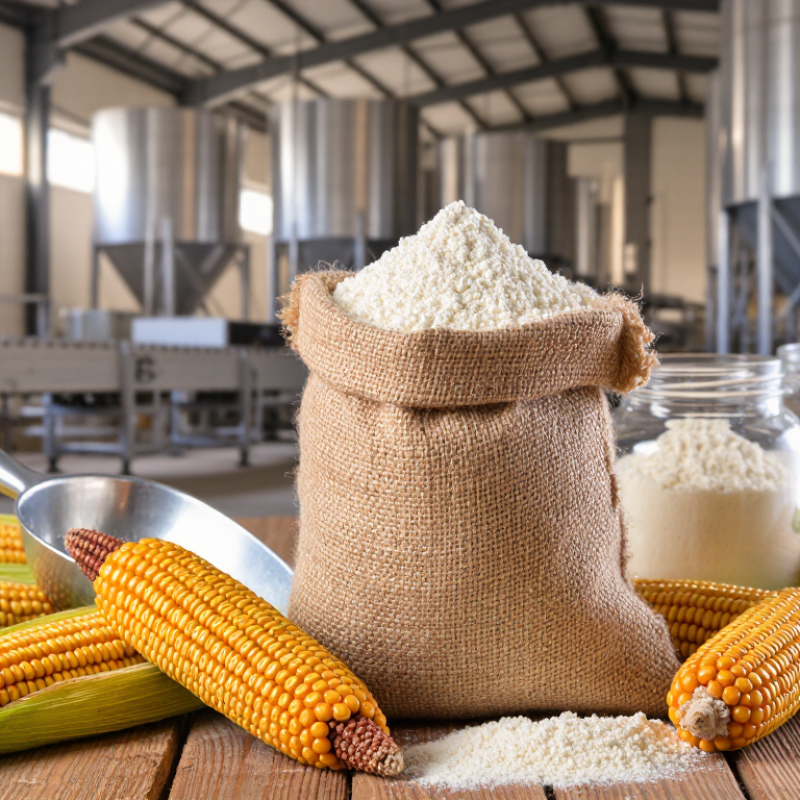
Sourcing Non-GMO Corn Starch in bulk requires more than comparing price per metric ton. Buyers must verify crop origin, segregation controls, processing records, and shipment consistency. A pale-white powder may look identical to conventional starch, yet its documentation can differ substantially.

Industry data shows why this category deserves careful planning. USDA reports continue to place U.S. corn production above 15 billion bushels in strong harvest years. However, USDA statistics do not separately identify non-GMO corn starch volumes. Market estimates also vary. Allied Market Research valued the global corn starch market at approximately $27.5 billion in 2022 and projected continued growth through 2032. These figures indicate demand, but they do not guarantee reliable non-GMO supply.

“The right to know what is in our food is fundamental,” says Megan Westgate, co-founder of the Non-GMO Project. Her principle remains relevant for industrial procurement. Verification should extend beyond a supplier’s marketing statement. Request identity-preserved sourcing records, farm-level declarations, test procedures, allergen controls, and certificates matching the actual lot. The Non-GMO Project Standard can provide an additional reference point, although certification requirements may differ from buyer specifications.

Small details matter. Check whether the supplier controls silos, conveyors, bags, and loading equipment. Ask how rejected material is handled. Confirm whether the starch meets food, pharmaceutical, or technical-grade requirements. Some suppliers provide impressive paperwork but weak traceability. That is an uncomfortable reality.

A practical sourcing process should compare origin, specification, verification, lead time, minimum order quantity, and landed cost. Reliable purchasing is not simply finding the cheapest starch. It is building evidence that survives an audit, a production delay, or a customer question.
How to Source Non-GMO Corn Starch in Bulk?

Define Non-GMO Corn Starch Specifications and Intended Uses

How to Source Non-GMO Corn Starch in Bulk?

Define the material before contacting suppliers. State the required non-GMO status, starch content, moisture limit, color, odor, and particle size. Specify whether the starch is food-grade, feed-grade, or intended for industrial processing. Each use demands different controls. Food applications may require microbiological limits, allergen statements, and a valid Certificate of Analysis. Industrial uses may focus more on viscosity, bonding strength, or gelatinization behavior.

Describe the final product clearly. A thickener for sauces needs predictable viscosity and clean flavor. A paper adhesive may require stable bonding performance and easy dispersion.

Ask for traceability documents covering the corn source, processing site, and batch number. Independent testing can verify GMO status when documentation seems incomplete.

Do not rely on a “non-GMO” label alone. It sounds clear, but it may hide different verification standards. Specifications can also be too strict and increase costs without improving performance.

Tips: Request a representative sample before approving a bulk shipment. Test it under your real mixing temperature and shear conditions. Compare at least three batches, not only one. Check packaging strength, pallet stability, storage humidity, and expected shelf life. Keep acceptance criteria in writing. A small oversight here can become a costly production problem later.

Verify Supplier Certifications, Traceability, and Production Standards

How to Source Non-GMO Corn Starch in Bulk?

Sourcing non-GMO corn starch in bulk begins with evidence, not a reassuring sales claim. Ask for current supplier certifications and confirm the issuing body’s scope, expiry date, and covered facility. The certificate should identify the actual production site, not only a trading office. Request a specification sheet, recent certificate of analysis, and written confirmation that the ingredient meets your intended non-GMO standard. Keep samples from approved lots. They support later comparisons.

Traceability must work backward and forward. A reliable supplier should link each lot to corn origin, harvest information, storage records, processing dates, and shipment documents. Ask for a mock recall exercise or traceability test. Can the team identify affected lots within a reasonable time? Vague answers matter. So do missing records. Check whether segregation controls prevent contact with genetically modified materials during receiving, milling, packaging, and storage. Physical separation, labeled silos, cleaned equipment, and documented changeover procedures provide stronger evidence than broad promises.

Production standards deserve an on-site or independent audit when volumes justify it. Review sanitation, allergen control, pest management, moisture control, foreign-material prevention, and employee training. Testing may support verification, but it cannot replace process control. A low-risk result from one sample is not permanent proof. That is an easy mistake. Compare batch results over time, investigate unusual variation, and record corrective actions. One practical weakness remains: documents can look complete while daily execution slips. Build supplier reviews into the contract, then revisit performance after the first shipments.

Compare Bulk Pricing, Minimum Orders, Packaging, and Shipping Terms

How to Source Non-GMO Corn Starch in Bulk?

Bulk pricing should be compared by delivered cost, not the quoted kilogram price alone. Ask suppliers for pricing at several volumes, such as 500 kilograms, 1,000 kilograms, and a full container. Larger orders may reduce the unit price, but storage costs can erase that advantage. Request a written breakdown covering product cost, handling fees, export documents, and inland transport. Confirm whether the price is fixed or expires after a short period. A low quote can be misleading.

Minimum order quantities often vary by grade, production schedule, and packaging format. Before negotiating, request a small sample and review the specification sheet, certificate of analysis, allergen statement, and non-GMO verification documents. Packaging may include 20-kilogram paper bags, 25-kilogram woven sacks, or one-ton bulk bags. Check liner material, pallet requirements, moisture protection, and label language. These details affect warehouse handling and product stability.

Shipping terms need careful attention. Compare EXW, FOB, CIF, and DDP offers only when their responsibilities are clear. Confirm who arranges insurance, customs paperwork, port charges, and final delivery. Ask about production lead time and the estimated sailing schedule. A supplier may promise fast dispatch, yet port congestion can change the real arrival date. Build a reasonable buffer. I have found that buyers sometimes focus too heavily on price and overlook damaged pallets, unclear documents, or inconsistent lot numbers. That oversight is costly.

Evaluate Samples, Quality Tests, and Compliance Documentation

When sourcing non-GMO corn starch in bulk, begin with representative samples, not attractive brochures. Request samples from the same production lot proposed for shipment. Record the lot number, packaging condition, color, odor, and powder flow. A clean-looking sample is not proof.

Test the starch against your process requirements. Check moisture, pH, viscosity, whiteness, particle size, and microbiological limits. Depending on the application, test for heavy metals, pesticide residues, allergens, and mycotoxins. Use an independent laboratory when results affect product release. Compare the supplier’s certificate of analysis with your own results. Small differences can reveal sampling problems. Keep sealed retention samples for later review. This step is easy to skip.

Non-GMO claims need supporting evidence. Ask for a current declaration, ingredient statement, traceability records, and segregation procedures. Review the identity-preservation system from farm intake through milling, storage, and loading. Confirm whether testing uses validated PCR methods and whether the laboratory is competent for that analysis. Check audit reports, corrective-action records, and document revision dates. Verify requirements for your destination market, since definitions and labeling rules may differ. Certificates alone are not enough. I have seen documents that looked complete but lacked lot-specific references. That gap deserves attention. Before approving a contract, match every document to the shipment, retain approval criteria in writing, and require advance notice for process or origin changes.

Finalize Contracts, Delivery Schedules, and Ongoing Supplier Reviews

Bulk procurement becomes reliable only when specifications enter the contract. Define non-GMO status, starch purity, moisture, mesh size, packaging, and approved testing methods. Request current certificates, lot records, and sample results before signing. A supplier should explain farm-level traceability, segregation controls, and retesting procedures. Do not accept vague wording such as “high quality.” Put tolerance limits in writing. Include an inspection clause for damaged bags, contamination, or unexpected color. My experience is that small omissions become expensive disputes. This part should remain practical.

Set delivery schedules around actual production, not optimistic promises. State monthly quantities, shipment windows, pallet configuration, lead times, and delay notices. Add a written process for partial shipments and emergency reallocations. Confirm storage conditions during transit, especially humidity exposure. One late container can stop a blending line. Keep safety stock based on usage history and seasonal transport risk. We once treated a two-week estimate as dependable. That assumption needed correction. Better contracts allow schedule changes, but require documented approval.

Supplier reviews should continue after the first successful delivery. Review each lot’s certificate of analysis, test results, fill weight, delivery accuracy, and complaint response. Hold quarterly meetings with purchasing, quality, and warehouse staff. Compare promised and actual performance using the same scorecard. Investigate repeated moisture variation instead of excusing it. Audit traceability records when harvest regions or processors change. Keep corrective actions, owners, and deadlines visible. A low price may hide administrative labor. Reassess the supplier when demand, regulations, or specifications change. Leave room for doubt. Good procurement still checks its own assumptions.

This planning chart shows a practical bulk-sourcing cycle: supplier qualification, contract finalization, delivery scheduling, receipt inspection, and ongoing supplier reviews. Longer review intervals should be supported by documented quality, traceability, and delivery-performance records.

FAQS

What documents should I request from a bulk supplier?

Request current certifications, a specification sheet, and a recent certificate of analysis. Confirm the issuing body, expiry date, and covered production facility. The certificate should name the actual factory. Keep samples from approved lots.

How can I verify non-GMO traceability?

Ask the supplier to link each lot with corn origin, harvest details, storage records, and processing dates. Shipment documents should match the lot number. Request a mock recall or traceability test. Vague answers deserve attention.

How should segregation controls be checked?

Review separate storage areas, clearly labeled silos, cleaned equipment, and documented changeovers. Controls should cover receiving, milling, packaging, and storage. Written promises are not enough. Daily execution can slip.

When is an on-site or independent audit worthwhile?

An audit becomes more practical when purchase volumes are substantial. Review sanitation, allergen controls, pest management, moisture control, and foreign-material prevention. Check employee training records. Testing supports verification, but it cannot replace process control.

How should bulk pricing be compared?

Compare delivered cost instead of the quoted kilogram price alone. Include product cost, handling fees, export documents, inland transport, and storage. Request quotes for 500 kilograms, 1,000 kilograms, and a full container. A low quote can mislead.

What packaging details affect product stability?

Confirm bag size, liner material, pallet requirements, moisture protection, and label language. Common formats include 20-kilogram bags, 25-kilogram sacks, and one-ton bulk bags. Packaging also affects warehouse handling. Small details matter.

Which shipping terms and delivery details need confirmation?

Clarify responsibilities under EXW, FOB, CIF, or DDP terms. Confirm insurance, customs paperwork, port charges, and final delivery. Ask about production lead time and sailing schedules. Build a reasonable delay buffer.

What should the supply contract include?

Specify non-GMO status, starch purity, moisture, mesh size, packaging, and approved testing methods. Add tolerance limits and inspection procedures for damaged bags or unexpected color. Define shipment windows, delay notices, partial deliveries, and storage conditions. Avoid vague wording.

How should supplier performance be reviewed after delivery?

Review each lot’s test results, fill weight, delivery accuracy, and complaint response. Use a shared scorecard for purchasing, quality, and warehouse teams. Investigate repeated moisture variation. That assumption failed before.

Conclusion

Sourcing Non-GMO Corn Starch in bulk begins with clearly defining the required specifications and intended applications. Buyers should determine the appropriate grade, purity, moisture level, particle size, performance requirements, and target volume before contacting suppliers. It is also important to verify Non-GMO certifications, ingredient traceability, production controls, food safety standards, and quality management practices to ensure the material meets business and regulatory expectations.

A thorough comparison should include pricing, minimum order quantities, packaging formats, lead times, shipping terms, and storage requirements. Before placing a large order, request samples and review laboratory test results, certificates of analysis, allergen statements, and other compliance documents. Once a supplier is selected, establish clear contracts covering product specifications, delivery schedules, inspection procedures, payment terms, and handling of quality issues. Regular supplier reviews and ongoing documentation checks can help maintain consistent quality and reliable supply.

Ethan Carter

Ethan Carter

Ethan Carter is a professional marketing specialist and a trusted voice behind the company’s educational blog. With a strong understanding of product strategy, customer needs, market trends, and digital communication, he transforms complex ideas into clear, practical, and engaging content. His......