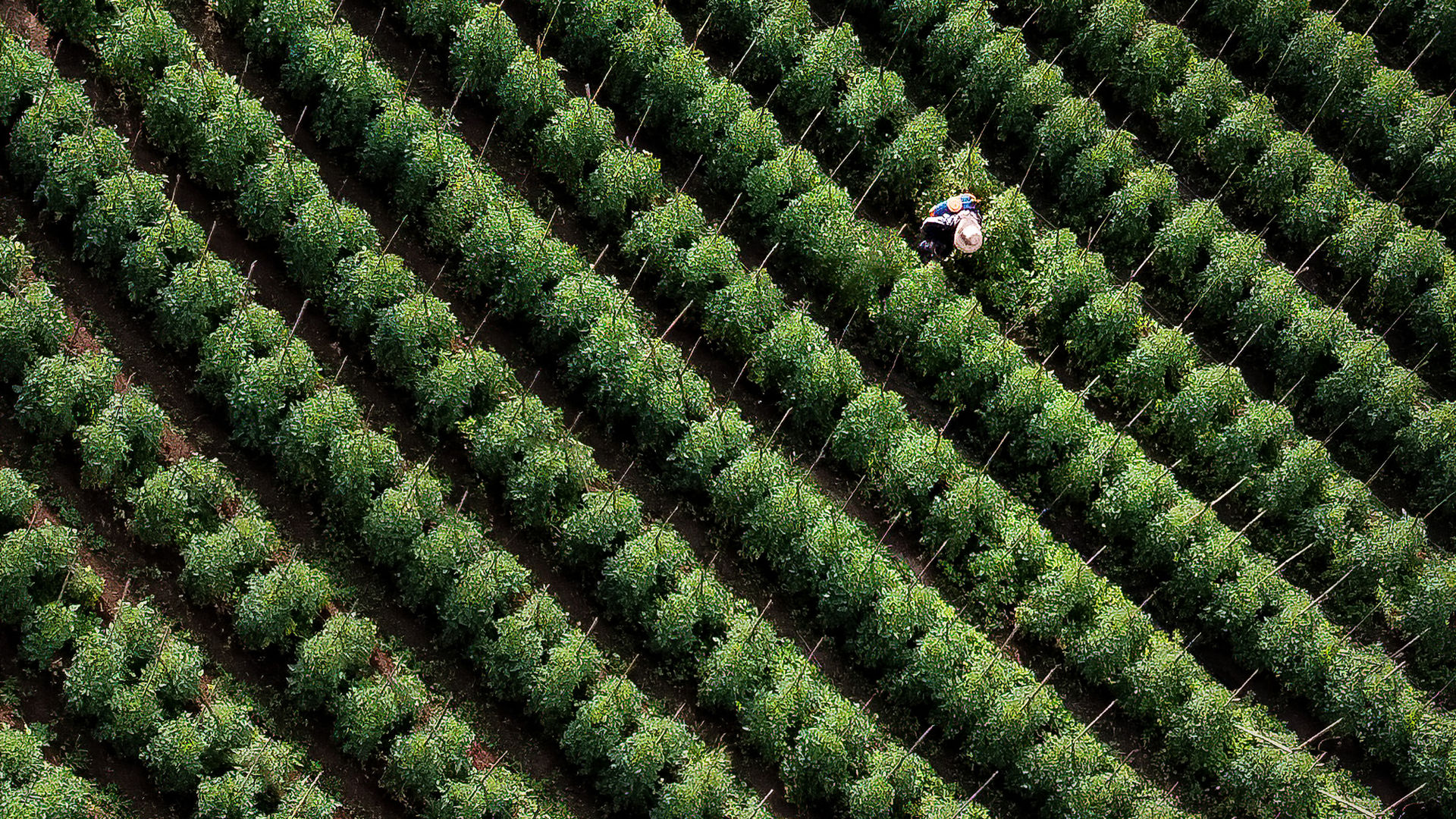
Sustainably farmed crop rows supplying organic food ingredients

Organic Ingredients Blog & Insights

Expert knowledge from a family-owned ingredient supplier with 15+ years of experience.

Sourcing Intelligence For Procurement Teams

USDA Organic, Non-GMO and natural ingredient guidance.

From Farm To Your Formulation

Tapioca, corn, rice and cane sugar ingredient deep dives.

0%

Choosing the 2026 best Tapioca Syrup Solids requires more than comparing prices on a supplier spreadsheet. Buyers must examine sweetness, solubility, moisture, dextrose equivalent, ash, pH, and microbiological results. These details affect texture, shelf life, processing speed, and finished-product consistency.

A reliable grade should dissolve smoothly in a warm beverage, blend evenly in a nutrition bar, and avoid unwanted clumping during storage. That sounds simple. It is not always simple. Different suppliers may use similar product names while offering noticeably different specifications. Experienced buyers should request a current certificate of analysis, technical data sheet, allergen statement, and sample before approving a large shipment. Supplier audits can also reveal storage conditions, batch controls, and traceability practices that brochures rarely show.

Application matters most. A tapioca syrup solid designed for confectionery may not perform equally well in bakery fillings or powdered drinks. Buyers should test several lots under real production conditions, including humidity exposure and extended storage. Small differences can become expensive problems later. A practical comparison should include delivered cost, packaging strength, lead time, minimum order quantity, and technical support. The lowest quotation may not represent the best value.

This guide evaluates Tapioca Syrup Solids through a buyer-focused lens. It considers performance, documentation, consistency, and responsible sourcing. No single grade wins every formula. That limitation deserves attention. Careful testing remains the strongest protection against assumptions, rushed purchasing, and disappointing results in 2026.
What Are the 2026 Best Tapioca Syrup Solids for Buyers?

What Tapioca Syrup Solids Are and How They Are Made

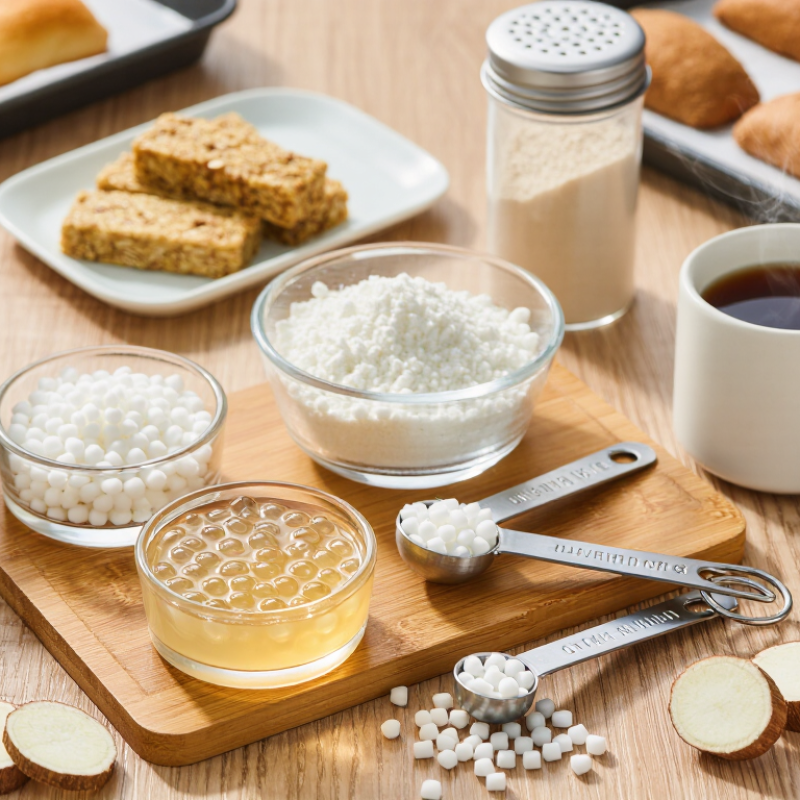
Tapioca syrup solids are dried carbohydrates made from cassava starch. The process begins with washing, peeling, and grating cassava roots. Water separates the starch from fiber and other plant material. The refined starch is then mixed with water and heated. Enzymes break its long starch chains into shorter sugars, mainly glucose and maltose. Evaporation removes most moisture, leaving a pale, free-flowing powder.

FAOSTAT recorded global cassava production at roughly 330 million tonnes in 2022. This large supply supports steady starch processing across tropical regions. A 2024 USDA Foreign Agricultural Service review also identified cassava products as important agricultural exports from Southeast Asia.

Buyers should examine dextrose equivalent, moisture, ash, pH, and microbiological limits. These figures affect sweetness, browning, solubility, and shelf stability. Low-moisture solids usually disperse more easily in dry mixes. Yet, “low moisture” alone does not guarantee good performance. Processing history matters. I would request a recent certificate of analysis and test a small batch under actual production temperatures. One overlooked issue is caking. Hygroscopic syrup solids can harden inside poorly sealed bags, especially in humid warehouses. Clear specifications help, but practical handling still decides whether the powder performs consistently.

Which Quality Factors Define the Best Tapioca Syrup Solids in 2026

The best tapioca syrup solids in 2026 will be judged by performance, not attractive specifications alone.

Buyers should check solids content, typically through laboratory testing, because moisture changes shelf stability and shipping cost. Consistent viscosity also matters. A powder that clumps in a warm warehouse can create dosing problems during production.

Taste and appearance deserve close attention. High-quality tapioca syrup solids should offer a mild, clean sweetness without burnt, sour, or stale notes. Their color should remain stable in the finished product.

Solubility is equally practical. A small sample should disperse smoothly in water, leaving minimal sediment or floating particles. This simple test can reveal more than a polished sales sheet.

Reliable suppliers should provide recent certificates of analysis, allergen statements, microbiological results, and clear traceability records. Buyers should examine yeast, mold, moisture, and total plate counts against their own requirements.

Packaging must protect the powder from humidity, especially after opening. Batch-to-batch consistency is important, but it is not always perfect. I would request samples from several production lots before making a long-term decision. Application trials should cover beverages, bakery fillings, confectionery, or whichever product will use the ingredient. Processing conditions can change results. A syrup solid that performs well in a laboratory cup may behave differently in a fast factory line. Experienced buyers leave room for that uncertainty.

How Tapioca Syrup Solids Differ by Sweetness, Solubility, and Application

What Are the 2026 Best Tapioca Syrup Solids for Buyers?

How Tapioca Syrup Solids Differ by Sweetness, Solubility, and Application

Tapioca syrup solids are not interchangeable powders. Their sweetness depends mainly on dextrose equivalent, or DE. Lower-DE grades usually taste milder and feel less sticky. Higher-DE grades dissolve faster and provide stronger sweetness. In practical trials, a 30–40 DE powder may suit nutrition bars, while a higher-DE grade may perform better in beverages or powdered desserts. The Codex Alimentarius framework supports checking carbohydrate composition, moisture, and additive declarations before purchase.

Solubility also changes with particle size, drying conditions, and storage humidity. A fine powder can disappear quickly in warm water, yet clump beside an open mixing tank. This detail matters for instant drinks and bakery premixes. The 2023 FAOSTAT database reported global cassava production above 330 million tonnes, showing a large raw-material base. However, supply volume does not guarantee consistent syrup solids. Batch testing remains necessary. Buyers should request DE, moisture, bulk density, microbiological results, and a solubility method. One weakness in many comparisons is relying only on sweetness claims.

Tips: Test three concentrations in the actual recipe. Record mixing time, sediment, mouthfeel, and sweetness against sucrose. For chewy products, moderate DE may support body. For clear drinks, prioritize rapid dissolution and low turbidity. Keep samples sealed, because humidity changes performance. A 2024 food ingredient market review also identified clean-label carbohydrates as a growing purchasing factor, but the report’s broad category data may not represent tapioca syrup solids alone.

What Are the 2026 Best Tapioca Syrup Solids for Buyers? — How Tapioca Syrup Solids Differ by Sweetness, Solubility, and Application

Tapioca Syrup Solids Profile Typical DE Range Approx. Sweetness
vs. Sucrose
Dissolution and Solubility Behavior Moisture and Handling Tendency Best-Fit Applications Buyer Considerations
Low-DE, low-sweetness solids 20–30 Approximately 20–30% Dissolves readily in warm or hot water; slower dissolution in cold systems than higher-DE grades. Provides body and solids more than sweetness. Generally less hygroscopic than higher-DE grades; still requires sealed, dry storage to prevent caking. Bakery fillings, nutrition bars, confectionery centers, dry mixes, and products requiring bulk and mild sweetness. Choose when texture, solids contribution, and reduced sweetness are more important than rapid cold dissolution.
Medium-DE, balanced solids 30–40 Approximately 30–45% Good all-purpose solubility; disperses effectively in beverages, bakery systems, and powdered formulations when added with adequate mixing. Moderate hygroscopicity; usually manageable in standard moisture-barrier packaging. Cookies, cakes, cereal clusters, snack bars, dairy alternatives, sauces, and powdered beverage bases. A practical general-purpose option where sweetness, viscosity, binding, and cost must remain balanced.
Medium-high-DE, sweeter solids 40–50 Approximately 45–55% Rapidly wets and dissolves compared with low-DE grades; suitable for liquid or semi-liquid systems with short mixing times. More hygroscopic and more prone to caking than low-DE solids; humidity control is important. Glazes, dessert sauces, confectionery, instant drink mixes, frozen desserts, and sweetened bakery products. Useful when a formulation needs both noticeable sweetness and improved dispersibility without using only crystalline sugar.
High-DE, high-solubility solids 50–60 Approximately 55–70% Very fast dissolution in water and strong performance in concentrated liquid systems; normally requires careful anti-caking handling in dry form. High hygroscopicity; use moisture-barrier packaging, controlled warehouse humidity, and prompt resealing after opening. Beverage concentrates, confectionery syrups, fruit preparations, dessert toppings, and quick-dissolve premixes. Best for applications prioritizing sweetness and rapid dissolution; verify color, flavor, and crystallization behavior in the final recipe.
Fine-particle instant grade Commonly 30–60 Depends on the specified DE Fine particles and controlled agglomeration improve wetting, dispersion, and dissolution in cold or ambient water. Handling depends on particle engineering; fine powders can generate dust, while agglomerated grades may flow better. Instant beverages, powdered nutrition products, dry dairy-alternative mixes, and convenience food premixes. Request particle-size distribution, wettability, dispersibility, and bulk-density data rather than selecting by DE alone.
High-binding, texture-focused grade Typically 20–40 Approximately 20–45% Dissolves adequately with proper mixing but is selected primarily for binding, chew, viscosity, and solids contribution. Usually easier to handle than high-DE products, although all tapioca syrup solids should be protected from humidity. Granola, cereal bars, protein bars, extruded snacks, baked goods, and fat-reduced formulations. Evaluate chewiness, stickiness, water activity, and finished-product shelf life in addition to sweetness.

Note: DE, sweetness, moisture, particle size, solubility, and hygroscopicity are typical industry ranges rather than universal specifications. Actual performance varies with hydrolysis profile, drying method, powder particle engineering, storage conditions, and formulation. Sweetness comparisons use sucrose as 100 and should be confirmed through sensory testing.

How Buyers Should Compare Suppliers, Certifications, and Product Specifications

What Are the 2026 Best Tapioca Syrup Solids for Buyers?

Reliable tapioca syrup solids begin with a clear specification, not a low quotation. FAOSTAT records global cassava production at roughly 330 million tonnes in 2022, showing the raw-material base is large but uneven. Buyers should ask where cassava is grown, processed, and stored. I have found that lot-level traceability often matters more than a polished supplier presentation. Request the latest certificate of analysis, not a generic template.

Compare dry solids, moisture, dextrose equivalent, pH, ash, color, and viscosity at a stated temperature. These details affect sweetness, browning, pumpability, and shelf stability. Microbiological limits should include total plate count, yeast, mold, and relevant pathogens. Methods must be identified. Otherwise, two “95% solids” samples may behave differently. That is an easy mistake.

Certifications deserve careful checking. A current HACCP plan, ISO 22000 system, or recognized GFSI-benchmarked certification can show process control, but certificates do not replace your own technical review.

Codex General Principles of Food Hygiene, CXC 1-1969, emphasizes hazard analysis, verification, and documented controls. Ask whether the certificate covers the actual production site and product category. Also review allergen controls, non-GMO or organic documentation where relevant, change-notification periods, and recall testing. The Codex reference is useful, but it is not a purchasing shortcut. A retained sample, a pilot trial, and a written specification are still necessary. Suppliers may promise consistency; seasonal cassava variation can challenge that promise.

How to Select Tapioca Syrup Solids for Different Manufacturing Needs

What Are the 2026 Best Tapioca Syrup Solids for Buyers?

How to Select Tapioca Syrup Solids for Different Manufacturing Needs

Tapioca syrup solids should match the process, not only the price. FAOSTAT’s 2024 release places global cassava production above 300 million metric tons annually. That scale supports supply, but quality still varies by processor and season. Check dry solids, dextrose equivalent (DE), moisture, ash, solubility, and microbiological limits. DE influences sweetness, browning, and moisture retention. Lower-DE solids often suit bakery fillings and powdered mixes. Higher-DE grades dissolve faster and may support beverages or confectionery coatings.

For extrusion, inspect flow behavior after storage. A powder that clumps in a cool warehouse may cause unstable feeding. For nutrition powders, low moisture and fast dispersion matter more than maximum sweetness. For baked goods, moderate hygroscopicity can improve softness, but excessive moisture may shorten shelf life. The USDA Foreign Agricultural Service’s 2024 cassava reports also highlight the importance of export logistics and regional crop conditions. This deserves attention. A low-cost material can become expensive after rework, filtration, or rejected batches.

Tips: Request a recent certificate of analysis and a small production trial. Test the powder in your real formula, not only in water. Measure dissolution time, viscosity, color change, and storage behavior at two temperatures. Ask whether specifications are guaranteed lot by lot. They are not always. Also review allergen statements, country-of-origin records, packaging strength, and traceability documents before approval.

What Are the 2026 Best Tapioca Syrup Solids for Buyers?

Typical tapioca syrup solids and dextrose equivalent (DE) targets vary by manufacturing need. Higher solids can improve body, sweetness, and binding, while DE helps indicate sweetness, viscosity, browning potential, and humectancy. These figures are practical formulation benchmarks; buyers should confirm final specifications, viscosity, microbiological limits, and application requirements with suppliers.

FAQS

What defines a high-quality tapioca syrup solid in 2026?

It should show stable solids, mild sweetness, consistent viscosity, and good solubility. Attractive specifications alone are not enough. Test real samples.

Why does moisture content matter?

Excess moisture can reduce shelf stability and increase shipping weight. It may also encourage clumping during storage. Check moisture through laboratory testing.

How does dextrose equivalent affect performance?

Lower-DE powders usually taste milder and feel less sticky. Higher-DE powders often dissolve faster and taste sweeter. The right choice depends on the recipe.

Which grade suits beverages or powdered desserts?

Higher-DE solids may work well in beverages and powdered desserts. Test three concentrations in the actual formula. Clear drinks need low turbidity.

How can buyers test solubility?

Stir a small sample into warm water. Watch for sediment, floating particles, or slow dispersion. A polished sales sheet cannot replace this simple test.

What documents should a supplier provide?

Request a recent certificate of analysis, allergen statement, microbiological results, and traceability records. Review moisture, yeast, mold, and total plate counts.

How should tapioca syrup solids be stored?

Keep the powder sealed and away from humidity. An open bag near a mixing tank can absorb moisture quickly. Packaging protection matters after opening.

Can laboratory results predict factory performance?

Not completely. A powder may dissolve well in a cup but behave differently on a fast production line. Trial several batches, and leave room for uncertainty.

Conclusion

Tapioca Syrup Solids are powdered carbohydrate ingredients made by converting tapioca starch into a syrup and then removing most of its moisture through controlled drying. In 2026, the best products are defined not only by sweetness, but also by consistent composition, clean flavor, low moisture, easy dispersion, and reliable batch-to-batch performance. Buyers should review the solids content, dextrose equivalent, particle size, color, microbiological limits, packaging, and shelf-life data before making a decision.

Product differences become especially important when selecting ingredients for beverages, confectionery, bakery products, dairy alternatives, instant mixes, or nutritional formulations. Higher-solubility grades may suit liquid applications, while products with balanced sweetness and strong moisture control can improve texture and stability in dry blends. Buyers should compare suppliers according to transparent specifications, quality systems, testing documentation, certifications, production capacity, and technical support. The right Tapioca Syrup Solids should match the manufacturing process, desired sweetness, handling conditions, storage requirements, and final product performance.

Oliver Bennett

Oliver Bennett

Oliver Bennett is a professional marketing specialist and a trusted voice behind the company’s educational content. With a strong understanding of the company’s products, services, and customer needs, Oliver transforms complex information into clear, practical, and engaging insights. He regularly......