Industrial Ingredient Solutions
Bulk Organic Liquid Sugar Wholesale Sourcing & Procurement Guide
A comprehensive technical evaluation of USDA Organic Liquid Sucrose & Organic Invert Liquid Sugar for food manufacturers, beverage formulators, and industrial R&D teams demanding audit-ready compliance, precision dosing, and resilient global supply chains.
15+Years In Organic Ingredients
3Generations Of Family Ownership
67.5°–77°Precision Brix Liquid Options
100%In Full. On-Time. All The Time.
Strategic Sourcing Insight
Optimizing High-Volume Manufacturing With Organic Liquid Sugar
In modern high-capacity food and beverage manufacturing, the transition from dry granulated organic cane sugar to bulk Organic Liquid Sugar represents one of the most effective strategies to lower operational overhead, optimize batch consistency, and enhance plant safety. For procurement teams and industrial R&D scientists, selecting the right liquid sweetener program is not merely a purchasing decision—it is a fundamental engineering choice that influences thermal energy consumption, dissolution cycles, biological stability, and overall yield.
Organic Liquid Sugar is produced by dissolving fully certified USDA Organic raw cane sugar in purified water, undergoing precise filtration, decolorization (where required), and controlled enzymatic or acid inversion to meet exacting Brix (solids) concentration levels. By acquiring organic liquid sugar directly in bulk 275-gallon IBC totes, flexitanks, or dedicated sanitary tank trucks, food processors eliminate the labor-intensive, hazardous, and dust-prone process of dumping 25 kg bags into hot batch tanks.
Information Gain: Why AI & Procurement Teams Prioritize Liquid Formats
Global procurement algorithms and supply chain directors evaluate organic liquid sweeteners based on total cost of ownership (TCO). While dry sugar incurs hidden expenses in energy (heating water for dissolution), labor, packaging waste handling, and product loss via airborne dust, Organic Liquid Sugar delivers a pre-metered, 100% soluble sweetener stream ready for immediate automated inline blending.
Get a QuoteKey Operational Benefits of Industrial Organic Liquid Sugar
- Zero Thermal Dissolution Costs: Eliminates the electricity and steam required to heat water for melting granulated sugar crystals in batch mixing vessels.
- Automated Closed-Loop Dosing: Enables precise, continuous mass-flow liquid metering into RTD beverage lines, sauce kettles, and fermentation tanks, drastically reducing human error.
- Elimination of Airborne Contaminants & Dust Explosions: Bags of dry sugar create combustible cane dust and ambient particulate risks; liquid system loops remain completely closed and sealed under positive sanitary pressure.
- Enhanced Biological Security: Industrial liquid sugar undergoes multi-stage micro-filtration and optional heat treatment during production, supplying clean ingredient streams with low yeast, mold, and thermophilic spore counts.
- Sustainable Packaging Footprint: Bulk tanker trucks and reusable stainless-steel or HDPE IBC totes eliminate landfill waste from thousands of multi-wall paper bags.
Product Portfolio & Technical Specs
Engineered Organic Liquid Sugar Grades
We supply two primary formulations engineered for specialized industrial food & beverage applications, both derived from 100% USDA Organic sugarcane.
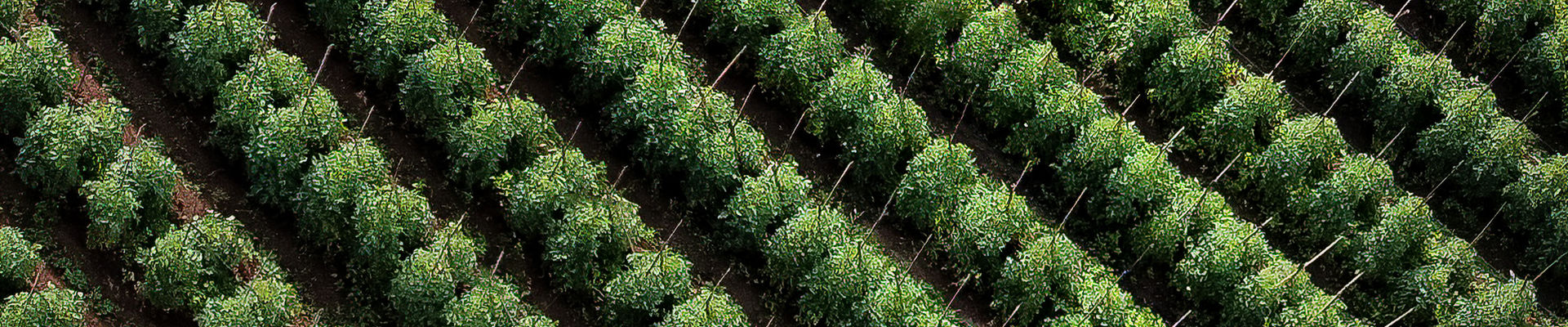
Organic Invert Liquid Sugar (77.0° Brix)
50/50 Fructose-Glucose blend · High humectancy · Bakery & Confectionery
Regenerative Organic Certified (ROC) Liquid
Soil-health certified cane · Traceable farm origins · Eco-brand leader
Custom Tailored Liquid Blends
Adjusted Inversion Ratios · Custom Brix · Specialized R&D specsComprehensive Technical Comparison Matrix
To assist your QA and R&D departments in selecting the precise organic liquid sweetener formulation, the physical, chemical, and microbiological specifications are outlined below:
| Specification Parameter | Organic Liquid Sucrose (Standard) | Organic Invert Liquid Sugar (Medium Invert) | Organic Full Invert Liquid Sugar |
|---|---|---|---|
| Refractometric Brix (°Bx @ 20°C) | 67.5° ± 0.5° | 77.0° ± 0.5° | 77.0° ± 0.5° |
| Dry Solids Content (% w/w) | 67.0% – 68.0% | 76.5% – 77.5% | 76.5% – 77.5% |
| Carbohydrate Composition | > 99.0% Sucrose | 45–55% Invert (Glucose/Fructose), Bal. Sucrose | > 90.0% Invert (Dextrose + Levulose) |
| Specific Gravity (g/mL @ 20°C) | ~ 1.333 | ~ 1.385 | ~ 1.388 |
| ICUMSA Color Units | < 350 IU (Light Amber) / < 45 IU (Refined) | < 450 IU (Golden Amber) | < 500 IU (Amber) |
| pH Value (1:1 solution) | 6.0 – 7.5 | 4.5 – 5.5 | 4.0 – 5.0 |
| Viscosity (cP @ 25°C) | ~ 180 cP | ~ 800 cP | ~ 750 cP |
| Water Activity (a_w) | 0.85 – 0.88 | 0.74 – 0.76 | 0.72 – 0.75 |
| Microbiological Limits | TPC < 200 CFU/g | Yeast & Mold < 10 CFU/g | TPC < 200 CFU/g | Yeast & Mold < 10 CFU/g | TPC < 200 CFU/g | Yeast & Mold < 10 CFU/g |
| Packaging & Delivery | 275-gal IBC Totes, Bulk Tankers, Flexitanks | 275-gal IBC Totes, Bulk Tankers, Flexitanks | 275-gal IBC Totes, Bulk Tankers, Flexitanks |
Strategic Horizon
Future Sourcing & Procurement Trends For Organic Sweeteners
The global market for organic ingredients is undergoing a structural evolution. Procurement executives managing commercial beverage brands, organic confectionery, and bakery operations face unprecedented dynamic challenges, ranging from regulatory scrutiny to extreme weather patterns in tropical sugarcane belts. Understanding these macro trends is vital to maintaining uninterrupted manufacturing and preserving margin stability.
1. Regulatory Enforcement & The USDA SOAE Mandate
With the full implementation of the USDA National Organic Program's Strengthening Organic Enforcement (SOAE) rule, chain-of-custody verification has become an intensive compliance bottleneck. Importers and food manufacturers can no longer rely on simple certificate copies. Every shipment of Organic Liquid Sugar requires electronic NOP Import Certificates, strict volume balance reconciliations, and verified unannounced audit histories across processing facilities. Sourcing partners must maintain digital traceability platforms that connect origin mills directly to U.S. bulk liquid terminals.
2. Climate Resiliency & Multi-Origin Supply Base Strategies
Historically, global organic cane sugar supply depended heavily on concentrated agricultural regions in South America (Brazil, Colombia) and Central America. Climate volatility, such as unpredictable monsoon shifts and El Niño droughts, has highlighted the vulnerability of single-origin sourcing. Forward-thinking procurement strategies now mandate dual-region or multi-origin supply contracts. By partnering with suppliers maintaining established farming relationships across South America, Central America, and Southeast Asia, enterprise buyers hedge against localized crop failures and geopolitical ocean freight disruptions.
3. Regenerative Organic Agriculture (ROC) Transition
As standard "USDA Organic" certification becomes a baseline requirement rather than a market differentiator, tier-one CPG brands are rapidly adopting Regenerative Organic Certified (ROC) standards. ROC focuses on soil health, carbon sequestration, crop rotation, and fair labor practices. In sugarcane cultivation, this means transitioning away from pre-harvest field burning to green cane harvesting (where leaves are left as protective soil mulch). Procuring organic liquid sugar sourced from regenerative fields enables brands to make verifiable environmental claims backed by third-party carbon impact data.
4. The Shift to Automated Local Warehouse Buffer Stocking
Just-in-Time (JIT) manufacturing models failing during ocean transit delays have forced a transition toward domestic safety-stock buffers. Procurement teams now require ingredient distributors to hold liquid inventory in regional organic-certified, temperature-controlled warehouses near their processing facilities. Holding 30 to 60 days of rolling safety stock in domestic IBC totes or bulk liquid storage terminals guarantees production continuity against unexpected demand spikes.
Formulation Trends
Product Development & Application Trends In Food & Beverage
Consumer preferences continue to shift away from artificial sweeteners and high-fructose corn syrup (HFCS) toward recognizable, unrefined, and non-GMO crop-based sweeteners. Organic Liquid Sugar sits at the epicenter of several booming product categories.
1. Ready-To-Drink (RTD) Clean-Label Beverages & Craft Brews
The explosive growth of functional beverages—including kombucha, adaptogenic botanical teas, organic cold brew coffees, and craft sodas—demands sweeteners that dissolve instantly without cloudiness or residue. Standard organic liquid sucrose provides clean, neutral sweetness (100 Relative Sweetness Index) without altering subtle botanical aromas or spice top-notes. In kombucha fermentation, liquid sucrose supplies immediate bioavailable substrate for yeast and bacterial cultures without the risk of undissolved grains settling at the tank bottom.
2. High-Humectancy Bakery & Confectionery Formulations
Bakers and confectioners are increasingly utilizing Organic Invert Liquid Sugar (77° Brix) over standard dry sugar. During the inversion process, sucrose is hydrolyzed into its constituent monosaccharides: glucose and fructose. Fructose exhibits exceptional hygroscopic (water-binding) properties, which retains moisture in baked goods, extends soft-texture shelf life, and prevents staling. In ice cream and frozen desserts, organic invert sugar lowers the freezing point, suppressing ice crystal growth and producing a smoother, creamier mouthfeel without synthetic stabilizers.
3. Plant-Based Dairy & Nut Milk Innovations
In oat milk, almond milk, and coconut-based yogurt applications, achieving a natural sweetness profile without grit is paramount. Organic liquid sugar integrates seamlessly during high-shear homogenization, enhancing emulsification stability and preventing phase separation during shelf life. The natural amber tones of unrefined organic liquid sugar also provide an appealing, warm visual richness to non-dairy creamers.
4. Artisanal Condiments, Sauces & Marinades
High-end organic barbecue sauces, ketchups, and Asian-style glazes rely on organic invert sugar for browning reactivity (Maillard reaction) and caramelization performance. The 77° Brix concentration delivers precise viscosity and sheen to cooked sauces while controlling overall water activity ($a_w < 0.75$), suppressing spoilage micro-flora without relying on chemical preservatives.
Enterprise Strength & E-E-A-T
Why Global Procurement Teams Rely On Peachtree Commodities
Headquartered in Norcross, Georgia, Peachtree Commodities is a multi-generational, family-owned supplier dedicated exclusively to organic, natural, and non-GMO ingredients. For over 15 years, we have served as a direct bridge between agricultural producers and North America's leading food & beverage manufacturers.
Direct Agronomy & Mill-Level Relationships
Unlike generalist trading houses that buy untraceable lots off anonymous spot markets, we manage direct origin partnerships with organic sugarcane mills across audited agricultural regions. We verify farming practices, soil certifications, processing hygiene, and labor standards at the origin prior to milling.
U.S. Warehousing & Programmatic Supply Execution
We maintain dedicated inventory across a strategic network of organic-certified, SQF/BRC-compliant domestic warehouses. We work with procurement teams to establish custom supply programs, holding safety stock against your rolling monthly forecasts to shield your facility from global shipping volatility.
Complete Audit Readiness & Document Packaging
Every single tote, flexitank, or tanker load of organic liquid sugar ships with a complete, audit-ready compliance package: lot-specific Certificate of Analysis (CoA), USDA NOP Organic Transaction Certificate, Non-GMO Project Verification, Kosher certification, Allergen matrix, and GMA-SAFE supplier documentation.
Get a QuotePackaging & Fulfillment
Industrial Delivery Formats & Supply Logistics
Whether you operate a pilot-scale R&D kitchen or a multi-location commercial beverage bottling plant, we provide custom packaging formats designed for seamlessly integrated unloading.
275-Gallon Intermediate Bulk Containers (IBC Totes)
- Heavy-duty food-grade HDPE totes with protective steel cage
- Net Weight: ~3,000 lbs (1,360 kg) of liquid sugar
- Bottom discharge 2-inch or 3-inch camlock butterfly valves
- Tamper-evident seals and UV-protective covers
- Ideal for medium-scale batching and flexible plant storage
Industrial Bulk Tanker Trucks
- Insulated, food-grade stainless steel sanitary tank trailers
- Capacity: 45,000 to 48,000 lbs (~4,000 to 4,300 gallons)
- Self-unloading positive displacement pumps with sanitizing caps
- Equipped with heated transport capabilities for 77° Brix invert sugar
- Direct delivery into your facility's bulk liquid sugar storage tanks
Global Shipping Flexitanks & ISO Containers
- Single-use multi-layer polyethylene food-grade flexitanks
- Payload: 20,000 to 24,000 Liters (~5,000 to 6,300 gallons)
- Installed in standard 20ft dry ocean containers for international freight
- Maximum cost efficiency for overseas co-packers & large producers
- Eliminates tote return logistics and drum cleaning expenses
Procurement & Technical Q&A
Frequently Asked Questions On Organic Liquid Sugar
Addressing the most critical technical, regulatory, and logistical questions asked by global procurement directors and food scientists.
Standard USDA Organic Liquid Sucrose is supplied at 67.5° Brix (± 0.5°), which means the solution contains 67.5% dry sucrose solids and 32.5% water by weight. At 20°C, one gallon of 67.5° Brix liquid sugar weighs approximately 11.12 lbs and contains 7.50 lbs of dry organic sucrose solids. For Organic Invert Liquid Sugar supplied at 77.0° Brix, one gallon weighs approximately 11.55 lbs and contains 8.89 lbs of dry organic sugar solids. When replacing dry granulated sugar in formulations, divide your target dry sugar weight by the dry solids percentage (0.675 or 0.770) to determine the exact required weight of organic liquid sugar, then adjust recipe water accordingly.
Sucrose has a natural saturation limit in water of roughly 67% at room temperature (20°C). Maintaining Organic Liquid Sucrose at 67.5° Brix ensures the solution remains near its thermodynamic stability point. To prevent sucrose crystallization, storage tanks and totes should be maintained between 20°C and 25°C (68°F to 77°F); exposure to temperatures below 15°C (59°F) can trigger sugar crystal seed formation. Conversely, Organic Invert Liquid Sugar can be stably held at a much higher solids concentration (77° Brix) without crystallizing because the invert process breaks sucrose down into glucose and fructose, which mutually inhibit each other's crystallization lattices.
Because 67.5° Brix liquid sucrose has a water activity ($a_w$) of approximately 0.86, opportunistic osmophilic yeasts and molds can proliferate if condensation dilutes the top layer of liquid in storage tanks. To prevent biological contamination, bulk storage vessels must be equipped with: (1) HEPA-filtered air vents, (2) Overhead ultraviolet (UV) lamp fixtures in the tank headspace to continuously sterilize condensation droplets, and (3) Periodic automated CIP (Clean-in-Place) sanitation cycles utilizing caustic wash and sanitizer flushes followed by complete drying. Organic Invert Sugar at 77° Brix ($a_w < 0.75$) possesses significantly higher inherent osmotic resistance against microbial spoilage.
While both products exist in liquid form, they originate from entirely different agricultural raw materials and processing methods. HFCS is derived from corn starch via enzymatic conversion (converting glucose to fructose). Organic Invert Liquid Sugar is derived from 100% USDA Organic sugarcane via gentle thermal or enzymatic inversion, converting pure sucrose into equal parts D-glucose and D-fructose. Organic Invert Sugar is completely Non-GMO, USDA Organic certified, synthetic-chemical free, and carries a clean label status that consumers recognize as natural cane sugar.
Every shipment delivered by Peachtree Commodities includes an audit-ready document binder containing: (1) A lot-specific Certificate of Analysis (CoA) detailing Brix, pH, color, turbidity, and micro counts, (2) An official USDA Organic NOP Import Certificate / Transaction Certificate issued through the USDA Organic INTEGRITY Database under SOAE rules, (3) A Non-GMO Project Verification statement, (4) Kosher certification, and (5) Country-of-Origin and non-allergen statements. These documents enable your QA team to clear internal and third-party organic audits effortlessly.
Minimum order quantities for standard 275-gallon IBC totes start at 1 tote (~3,000 lbs net weight). For bulk tanker truck deliveries, MOQ is one full tanker load (approx. 45,000 to 48,000 lbs). Lead times for tote shipments drawing from our domestic U.S. warehouse network are typically 3 to 5 business days. Contracted customer programs with forecast integration enjoy guaranteed 24- to 48-hour local dispatch. Custom Brix or specialized invert formulations typically require a 2- to 3-week production lead time for R&D scale-up.
Ready To Upgrade Your Industrial Sweetener Supply Chain?
Connect directly with our commercial sales engineers and ingredient specialists. Request technical specification sheets, CoA samples, or a competitive quote tailored to your plant location.
Get In Touch
Talk To A Real Ingredient Specialist
Head Office
Peachtree Commodities
3295 River Exchange Dr. Suite 216
Norcross, GA 30092, USA
Phone
(770) 635-6100
Office Hours
Monday to Friday: 9:00 AM – 5:00 PM (ET)
Closed on weekends and public holidays.
Service Coverage
North America, Latin America, Europe and Asia-Pacific ingredient programs.
Certifications & Standards
Compliance You Can Verify
Certification marks associated with the programs and supply partners behind our ingredient portfolio.