
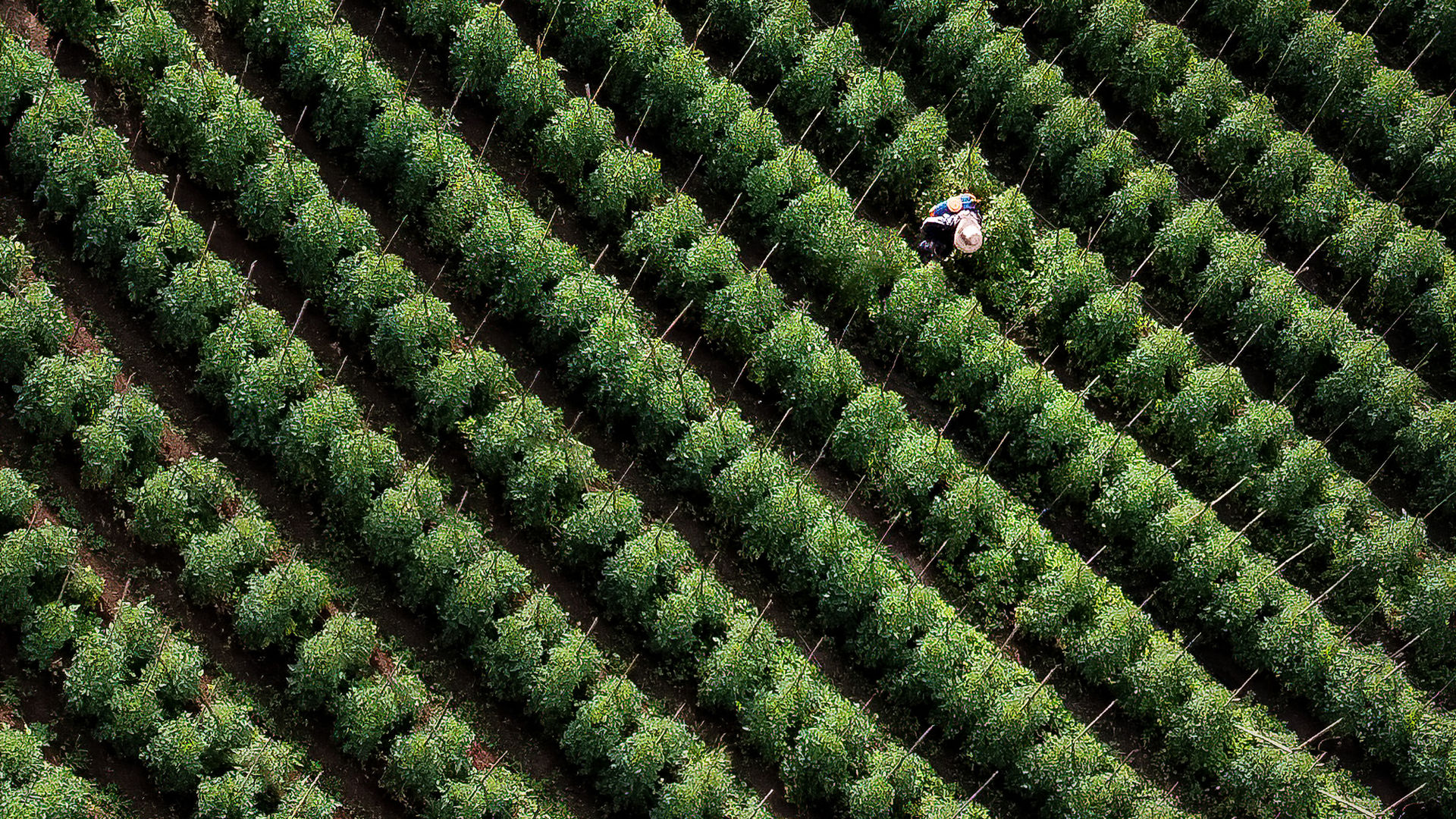
Sustainably farmed crop rows supplying organic food ingredients

Organic Ingredients Blog & Insights

Expert knowledge from a family-owned ingredient supplier with 15+ years of experience.

Sourcing Intelligence For Procurement Teams

USDA Organic, Non-GMO and natural ingredient guidance.

From Farm To Your Formulation

Tapioca, corn, rice and cane sugar ingredient deep dives.

0%

Organic Rice Products include more than packaged white or brown rice. The category can also cover rice flour, noodles, cakes, and other foods made with organically grown rice. What qualifies depends on the applicable certification system and the product’s ingredients. In the United States, for example, USDA organic standards set requirements for production and handling. A label is useful, but it does not tell the whole story.

The market context is substantial. FiBL and IFOAM’s World of Organic Agriculture 2024 report estimated global organic food and drink retail sales at €135 billion in 2022. That figure covers all organic food and drink, not rice alone. The distinction matters. Rice-specific market estimates are not consistently reported across countries, so broad organic-market growth should not be mistaken for proof of rising rice sales.

Agricultural scientist Dr. Charles Benbrook’s research on organic systems offers a useful reminder: evaluate production claims through evidence, not packaging alone. This is a paraphrase, not a verbatim quotation. For shoppers, practical details include the certification mark, ingredient list, rice variety, and country of origin. A bag of brown rice feels simple in the hand; its production history is less visible. Organic status also does not automatically mean better nutrition, taste, or environmental performance in every case. Those outcomes depend on farming methods, processing, storage, and comparison standards. There is room for uncertainty. Understanding what Organic Rice Products are begins with separating verified production claims from assumptions, then asking what each label actually guarantees.
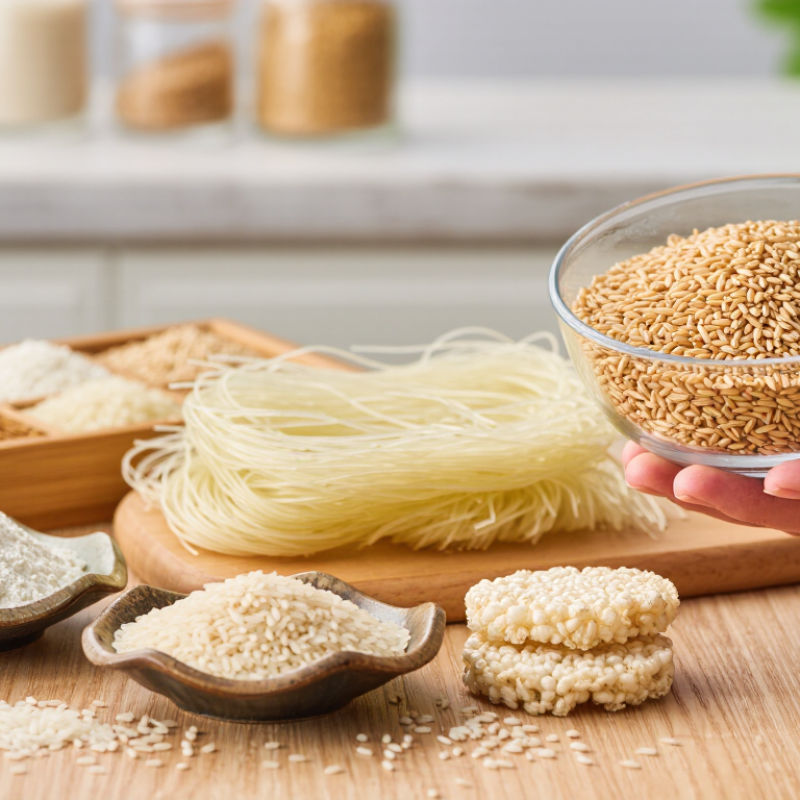
What Are Organic Rice Products?

What Qualifies as an Organic Rice Product Under USDA Standards?

What Are Organic Rice Products?

What Qualifies as an Organic Rice Product Under USDA Standards?

A rice product’s organic claim depends on how its ingredients are grown, handled, and certified. Organic rice must come from land that has had no prohibited substances applied for at least three years. Farmers follow an approved organic system plan, keep records, and undergo inspections. Synthetic pesticides and fertilizers are restricted, and genetic engineering is not allowed in organic production.

Organic does not mean pesticide-free; some approved substances may still be used.

The label wording matters. A packaged product labeled “organic” generally needs at least 95 percent organic ingredients, excluding water and salt, and must be certified by a USDA-accredited certifier. It may display the USDA Organic seal.

A product labeled “made with organic” must contain at least 70 percent organic ingredients, but cannot use that seal. Below 70 percent, organic ingredients may be named in the ingredient list, but the product cannot make an organic claim on its main label.

Rice crackers, noodles, and ready-to-heat meals can qualify, but each ingredient counts. Check the ingredient list and certification details, not just the rice pictured on the package.

Labels can look simple. The rules behind them are less so. And “organic” alone does not describe taste, nutrition, or how the rice was cooked.

How the USDA’s 3-Year Transition Rule Shapes Organic Rice Farming

What Are Organic Rice Products?

How the USDA’s 3-Year Transition Rule Shapes Organic Rice Farming

Organic rice is grown and handled under USDA organic standards. For a rice field to qualify, the land must have had no prohibited substances applied during the three years immediately before harvest. That clock matters. A grower cannot simply stop using a prohibited input at planting and sell that season’s crop as organic.

During the transition, farmers may grow rice, but it cannot be marketed as organic. They must track field histories, seed sources, soil amendments, and pest-management practices. Picture a waterlogged paddy beside a conventional field: runoff and drifting materials can complicate compliance, so buffers and careful water management matter. Certification records help inspectors verify what happened, not just what a field looks like. Paperwork is evidence.

The transition can also mean lower income from a field while organic methods and markets are still being established. USDA’s National Organic Program sets the three-year requirement; it is not a guarantee of higher yields or prices. The USDA National Agricultural Statistics Service’s 2021 Organic Survey counted 17,445 certified organic farms and reported $11.2 billion in organic sales across U.S. agriculture. Those figures describe the wider sector, not rice alone. Rice growers still face crop-specific challenges, including weeds, water control, and finding buyers willing to pay for certified grain. The rule protects the credibility of the label, but its costs can be hard for small farms to absorb.

Which Rice Products Meet the USDA’s 95% Organic-Ingredient Threshold?

What Are Organic Rice Products?

Which Rice Products Meet the USDA’s 95% Organic-Ingredient Threshold?

A packaged rice product can carry the USDA Organic seal when at least 95% of its ingredients, excluding water and salt, are certified organic. The USDA’s National Organic Program sets this threshold for multi-ingredient foods. The remaining ingredients must meet specific organic rules; they are not a free pass for any conventional additive. Plain certified organic rice is a simple case. Rice crackers, seasoned mixes, and ready-to-eat bowls need a closer look because oils, spices, and sauces count toward the ingredient calculation. The math matters.

The 2024 Organic Industry Survey from the Organic Trade Association reported U.S. organic food sales of $63.8 billion in 2023. That figure covers all organic food, not rice alone, but it shows why shoppers may encounter more organic claims on packaged foods. A product labeled “made with organic” has a lower threshold: at least 70% organic ingredients, and it cannot display the USDA Organic seal. Claims can be easy to misread. A rice-forward snack may still fall short if several nonorganic ingredients make up too much of the recipe.

Tips: Check the ingredient panel and the exact claim on the front. “Organic rice” identifies an ingredient; it does not certify the whole product. For a more confident check, look for the USDA seal and confirm the product’s certification with its certifier. Labels are useful, but the fine print deserves a second look.

How Certification and Processing Verify Organic Rice Products

Organic rice products are verified through a documented chain, not by appearance alone. Under the USDA National Organic Program, certified operations keep records and undergo annual inspections. Those records can trace a rice lot from harvest through drying, milling, packing, and sale. Check that the certificate covers the relevant handling or processing site, not only the farm.

Processing controls matter. At a mill, staff may clean equipment between runs, separate organic grain in labeled bins, and record lot numbers. These steps help prevent commingling with conventional rice and support traceability. They do not prove that rice is residue-free, and certification does not guarantee perfect handling. Requirements also vary by country. The Organic Trade Association reported U.S. organic sales of $69.7 billion in 2023; that market figure shows demand, not the status of any individual product.

Tip: Look for the certifier and lot details on the package or supplier documents. Ask for the current certificate and transaction records if traceability is important. Small gaps in paperwork deserve a second look.

What Are Organic Rice Products? - How Certification and Processing Verify Organic Rice Products

Verification Stage Typical Evidence or Check What It Helps Verify Important Limitation
Farm certification Organic certificate issued by an authorized certification body, supported by an approved farm plan and inspection records. The farm follows the applicable organic production rules for the certified scope and maintains records for its crops and inputs. Certification applies to the listed operation, activities, and products; it is not a claim that every possible contaminant is absent.
Field management Field history, crop rotation records, soil-management practices, and records of fertilizers and pest-control materials used. Production practices comply with the relevant organic standard, including restrictions on prohibited synthetic substances. Rules and permitted materials vary by jurisdiction and by the substance’s intended use.
Seed and planting records Seed purchase records and documentation showing that seed requirements under the applicable standard were followed. The rice crop was planted in accordance with organic seed and input requirements. Specific rules can allow exceptions in defined circumstances, such as when suitable organic seed is unavailable.
Harvest and transport Harvest logs, lot identification, equipment-cleaning records, and transport documentation. Organic rice lots can be traced and are handled to reduce the risk of mixing with non-organic crops. Records and handling controls reduce risk but do not, by themselves, prove that accidental mixing never occurred.
Milling and processing Processor certification where required, ingredient and supplier records, cleaning procedures, and production or batch records. Processing and handling meet applicable organic requirements, and organic lots are kept identifiable through milling and packaging. Additional ingredients in seasoned or prepared rice products must also meet the applicable organic composition rules for the product’s label claim.
Traceability and mass balance Documents linking incoming rice, processing batches, finished products, inventory, and sales quantities. Recorded organic inputs can be reconciled with the amount of organic product produced and sold. Traceability supports verification of records and product flow; it is not a laboratory test of every package.
Label review Review of product ingredients, organic claim wording, and any required certification or control-body information. The label claim is consistent with the product’s certification and the labeling rules in the market where it is sold. Label categories and permitted seals differ between countries. In the United States, for example, “organic” and “made with organic” have different ingredient-percentage thresholds.
Residue testing, when used Laboratory analysis of selected samples for specified pesticide residues or other analytes. A test can provide information about the substances and sample tested at the time of analysis. Testing is not a substitute for certification, and a result does not establish that a product is free of all residues or contaminants.

Reading the table: Organic certification verifies compliance with a defined production and handling standard. Requirements and label rules depend on the country or market, so check the applicable certification and product label.

What Do Nutritional and Environmental Studies Say About Organic Rice?

Organic rice is grown under certified practices that restrict synthetic pesticides and fertilizers. But does the label change what is on your plate? The evidence is mixed, and rice-specific comparisons remain limited.

A 2012 review in Annals of Internal Medicine found detectable pesticide residues were more common in conventional produce. This was a broad food review, not proof of the same difference in every rice sample. Nutritionally, rice variety and processing often matter more: a bowl of polished white rice has less fiber than brown rice, whether organic or not. Organic does not mean arsenic-free. Rice can absorb inorganic arsenic from soil and water, so the label alone cannot indicate its level.

Environmental findings are encouraging, with important trade-offs. A 2014 Journal of Applied Ecology meta-analysis found organic farming supported 34% more species and 50% more individual organisms on average. A 2015 meta-analysis in Proceedings of the Royal Society B estimated organic yields were 19.2% lower overall, though crop rotations and mixed planting narrowed the gap. These results cover many crops, not rice alone. Rice’s environmental footprint also depends on water management; flooded fields can produce methane. That detail is easy to miss. Organic methods may reduce some chemical inputs, but they do not automatically make every rice field lower-impact.

FAQS

What makes rice eligible for an organic claim?

The rice must come from land where prohibited substances were not applied for at least three years. Farms need an approved plan, records, and inspections. Simple, but not effortless.

Does organic rice mean pesticide-free rice?

No. Some approved substances may still be used, while synthetic pesticides and fertilizers are restricted. That distinction can surprise shoppers.

What does “organic” mean on a packaged rice product?

It generally needs at least 95% organic ingredients, excluding water and salt. It must also be certified by an accredited organic certifier. The remaining ingredients must meet applicable rules.

What does “made with organic” mean?

The product must contain at least 70% organic ingredients. It cannot display the organic seal. Easy to miss.

Can rice crackers or prepared meals qualify as organic?

Yes. Oils, spices, sauces, and other ingredients count toward the calculation. A rice-heavy picture proves little.

What if a product contains less than 70% organic ingredients?

It may name organic ingredients in its ingredient list, but cannot make an organic claim on the main label. Read carefully.

Does “organic rice” on a package certify the whole food?

No. It may describe just one ingredient. Check the full ingredient panel and the exact front-label claim. I still double-check this.

Does an organic label tell me about taste or nutrition?

No. It does not describe taste, nutrition, or cooking method. The package leaves those details out.

Conclusion

Organic Rice Products are made from rice grown and handled according to USDA organic standards. To qualify, farms must use approved practices that protect soil and avoid prohibited synthetic substances. Land generally needs to complete a three-year transition period without prohibited inputs before its harvest can be certified organic. This requirement helps establish that the farming system has met organic rules over time, rather than relying on a single season of practices.

For packaged foods, the USDA’s 95% organic-ingredient threshold determines whether a product may be labeled organic, subject to applicable certification and labeling requirements. Certification checks farming records, ingredients, processing, and handling to help preserve organic integrity from field to finished product. Research comparing organic and conventional rice has explored nutritional composition and environmental effects, but findings can vary with growing conditions and study methods. Organic production may offer benefits such as supporting soil health, while no single label alone guarantees a particular nutritional advantage.

Amelia

Amelia

Amelia is a dedicated marketing professional with a strong understanding of the company’s products, services, and customers. With a background in market research, content strategy, and business communication, she translates complex product information into clear, practical, and engaging insights.......