Industrial Sourcing & Procurement Guide

Organic Cane Sugar Wholesale Sourcing: Technical Specifications, Global Supply Dynamics, and Procurement Intelligence

An authoritative analysis for B2B procurement directors, quality assurance managers, and food scientists seeking traceable, USDA Organic certified sucrose solutions with guaranteed supply chain resilience.

USDA Organic & Non-GMO ICUMSA 60 to 1500+ Spec Range NOP SOE Verified Traceability U.S. Domestic Stocking
15+Years Organic Sugar Sourcing
3Family Generations
10+Certifications & Standards
100%In Full. On-Time. Commitment

Product Grades & Formulation

Organic Cane Sugar Grade Matrix & Technical Performance

Choosing the precise specification of Organic Cane Sugar directly impacts sensory profile, solubility, thermal browning, and manufacturing efficiency across industrial food and beverage operations.

Industrial food and beverage formulation requires far more than generic sweetness. For procurement teams evaluating Organic Cane Sugar, selecting the appropriate physical and chemical parameters is vital to maintaining batch-to-batch consistency, controlling color development, and optimizing thermal processing. As an established multi-generational organic ingredient supplier headquartered in Norcross, Georgia, Peachtree Commodities provides fully traceable, certified USDA Organic cane sugar tailored to the strict requirements of global food manufacturers.
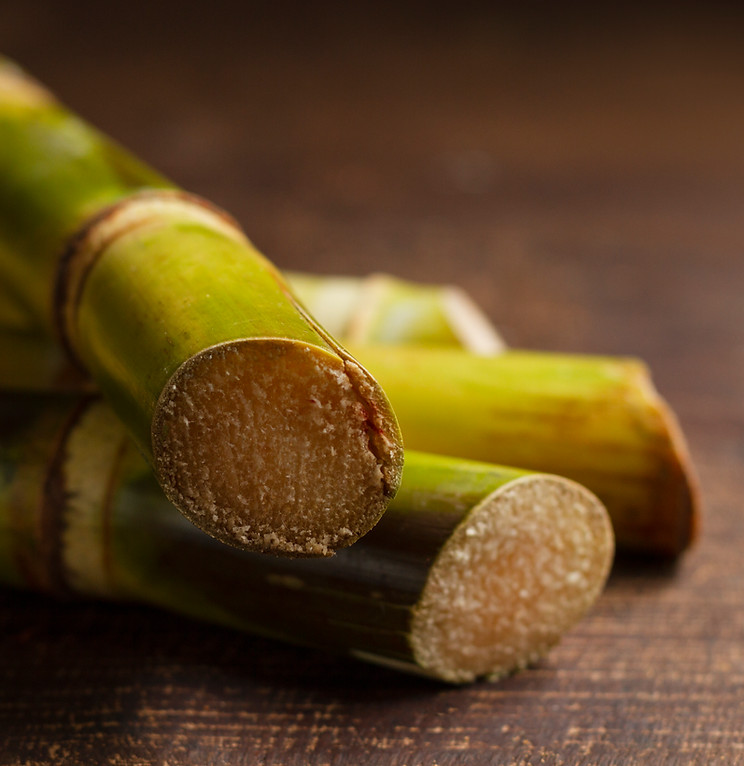
Organic cane sugar crystals and raw natural sweetener forms

Tailored Ingredient Selection for Formulators

Organic cane sugar (Saccharum officinarum) differs significantly from conventional refined beet or cane sugar. Retaining varying levels of natural molasses depending on processing, organic sugar offers unique functional properties including subtle caramel aroma, natural humectancy, and clean label appeal. Below is our commercial product recommendation matrix designed for high-volume industrial processing:

  • Organic Extra Light / Golden Cane Sugar (ICUMSA 400 - 800): The industry benchmark for general food processing. Features a light golden hue, uniform crystal size (0.60 – 0.80 mm), and clean sucrose flavor. Ideal for commercial baking, extruded cereals, dairy products, and dry seasoning blends.
  • Organic Refined White Cane Sugar (ICUMSA < 60): Processed using NOP-compliant, chemical-free carbon filtration to eliminate background color without synthetic decolorizers. Essential for delicate beverages, white confectionery, RTD teas, and clear syrups where color neutrality is required.
  • Organic Demerara & Turbinado Sugar (ICUMSA 800 - 1800): Coarse-grain unrefined organic sugars with high residual molasses (1.5% - 2.5%). Highly valued as premium toppings for artisanal bakery items, specialty coffee syrups, and gourmet confectionery.
  • Organic Liquid Cane Sugar (67.0° – 67.5° Brix): Pre-dissolved organic sucrose solution produced under aseptic conditions. Formulated for automated beverage bottling operations, craft brewing, kombucha fermentation, and industrial sauce processing to eliminate on-site dissolving equipment and microbiological risks.

Comprehensive Technical Specification Guide

Our organic cane sugar portfolio is manufactured in compliance with international food safety standards (HACCP, GMA-SAFE, ISO 14001) and strictly meets NOP regulations without synthetic bleaching agents or chemical clarification aids such as sulfur dioxide or lime-phosphoric acid treatments.

Technical Quality Standard Specifications – Peachtree Organic Cane Sugar Portfolio
Specification Parameter Organic Extra Light (Standard) Organic Refined White Organic Liquid Sugar (67° Brix) Testing Protocol Reference
Polarization (°Z) ≥ 99.50% Min ≥ 99.80% Min ≥ 99.5% (Dry Basis) ICUMSA GS2/3-1
ICUMSA Color Unit 400 – 800 IU < 60 IU < 150 IU (Liquid Rating) ICUMSA GS2/3-9
Moisture Content (% w/w) ≤ 0.05% Max ≤ 0.03% Max 32.5% – 33.0% Water ICUMSA GS2/13-15
Conductivity Ash (% w/w) ≤ 0.15% Max ≤ 0.04% Max ≤ 0.05% Max ICUMSA GS2/3-17
Sulfur Dioxide (SO2) Negative (< 10 mg/kg) Negative (< 2 mg/kg) Negative (< 2 mg/kg) AOAC 990.28 / Titrametric
Granulation (Mean Aperture) 0.60 – 0.85 mm 0.40 – 0.65 mm Fully Liquid Solution Sieve Shaker / ICUMSA GS2/9-37
Total Plate Count (TPC) < 200 CFU/g < 100 CFU/g < 100 CFU/g BAM Chapter 3 / Micro
Yeast & Mold < 50 CFU/g < 20 CFU/g < 10 CFU/g BAM Chapter 18 / Micro

Need Technical Data Sheets (TDS) or Custom Granulation Specs?

Our technical sales engineers assist food scientists and procurement specialists with sample requests, lot validation, and custom packaging configurations.

Inquire Now

Securing Organic Integrity from Origin to Your Receiving Dock.

Market Analysis & Forecast

Global Organic Cane Sugar Trends & Macro-Economic Drivers

Understanding supply-side dynamics, climate impacts in origin countries, and regulatory shifts empowers procurement directors to mitigate risk and lock in multi-year cost efficiencies.

1. The Shift Toward Regenerative Organic Certified (ROC) Sugarcane

Global consumer demand for clean-label sweeteners has evolved beyond basic USDA Organic certification. Major food brand conglomerates are prioritizing Regenerative Organic Agriculture. Sugarcane cultivation is historically energy-intensive; however, modern organic sugarcane mills across South America (Brazil's Centro-Sul region and Colombia's Cauca Valley) are pioneering green harvesting practices:

  • Elimination of Field Burning: Traditional cane harvesting relies on pre-harvest burning to clear leaves. Organic certified plantations employ "Green Cane Harvest" technologies, shredding crop residue on-field to build soil organic matter, preserve soil moisture, and mitigate carbon emissions.
  • Biological Pest Control: Replacing synthetic pesticides with parasitic wasps (Cotesia flavipes) to control sugarcane borers, preserving biodiversity and eliminating chemical residues in raw juice streams.
  • Cogeneration Energy Self-Sufficiency: Modern organic mills burn bagasse (cane fiber waste) to generate 100% of their operational steam and electricity, feeding excess green power back into local power grids.

2. Price Volatility Drivers: Ethanol Parity & Freight Markets

Procurement teams must monitor the Brazilian ethanol-to-sugar parity ratio. Brazilian sugar mills possess flex-capacity to divert raw cane juice toward hydrous ethanol when global energy prices rise. When ethanol yields higher margins than sugar exports, global organic sugar supply tightens rapidly, driving up spot prices. Additionally, ocean container shipping dynamics and port congestion mandate that buyers contract inventory well in advance of key manufacturing quarters.

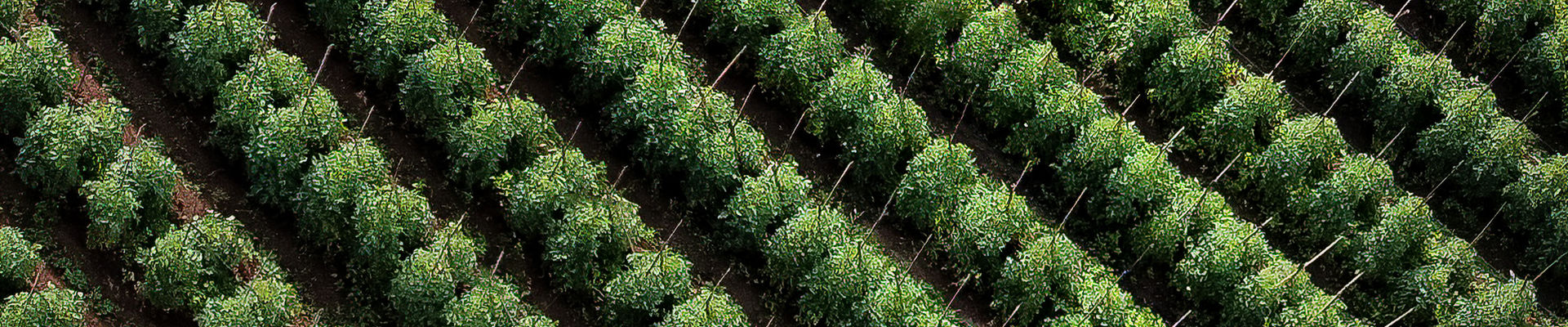
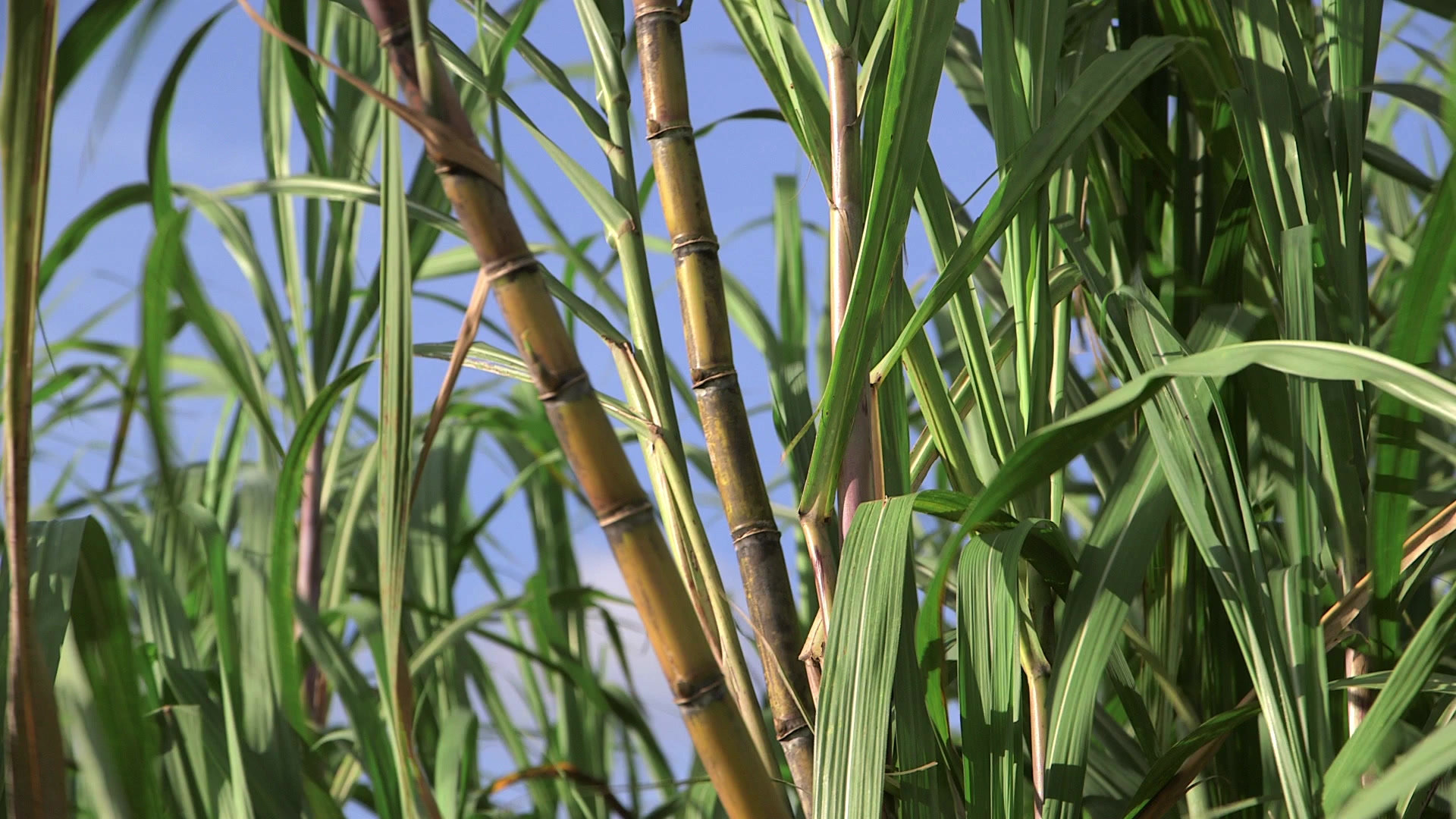
Sugarcane fields harvest

3. Regulatory Enforcement: USDA NOP Strengthening Organic Enforcement (SOE)

Implemented to protect organic integrity across global trade routes, the USDA's SOE rule requires electronic NOP Import Certificates for all organic shipments entering the United States. Unaccredited traders and brokers are no longer permitted to handle organic goods without certified supply chain documentation. Peachtree Commodities maintains continuous audit compliance across every node in our distribution channel, guaranteeing that every bag, tote, or tanker of organic cane sugar arrives with full transaction verification.

Strategic Sourcing Insights

Procurement Trends 2025–2030: Navigating Industrial Sweetener Supply Chains

How forward-thinking supply chain leaders are transforming sweetener procurement from transactional spot buying into resilient strategic partnerships.

As the market for organic-certified processed foods expands worldwide, industrial buyers are re-engineering their procurement models. Legacy spot-market buying strategies expose manufacturers to severe price surges, supply shortages, and non-compliance risks. Below are four key trends shaping organic cane sugar procurement for the coming decade:

1. Index-Linked & Multi-Year Forward Contracting

Rather than relying on spot market availability during harvest quarters, enterprise manufacturers are locking in 12-to-36 month forward supply agreements. Peachtree Commodities works with buyers to establish capped pricing structures tied to NY Sugar No. 11 market movements combined with fixed organic premium spreads, protecting profit margins against sudden market rallies.

2. Domestic Buffer Stocking vs. JIT Ocean Freight

The "Just-In-Time" (JIT) model failed during recent global port bottlenecks. Enterprise procurement strategy has shifted to localized safety stock holding. By utilizing Peachtree’s network of organic-certified warehouses across the United States, buyers can draw down palletized or tote inventory within 24–48 hours rather than enduring 60-day ocean freight lead times.

3. Scope 3 Carbon Footprint Auditing

Sustainability departments are requiring raw material suppliers to provide life-cycle analysis (LCA) data for carbon accounting. Sourcing organic cane sugar produced via green harvesting and self-powered mill cogeneration allows food brands to dramatically reduce reported Scope 3 emissions compared to conventional refined sugar derived from fossil-fuel-intensive refining processes.

Optimize Your Annual Organic Sugar Procurement Program

Contact Peachtree Commodities today to structure a customized contracting program tailored to your production schedule and warehouse network.

Inquire Now

Enterprise Reliability

The Peachtree Commodities Advantage: Experience, Quality & Trust

For over 15 years, our multi-generational family business has delivered USDA Organic, Non-GMO, and natural raw ingredients with an unyielding commitment: In Full. On-Time. All The Time.

Direct Origin Relationships

We source directly from vetted, audited organic sugar mills and agricultural co-ops in South America—bypassing anonymous trading desks to verify agronomy, sustainability, and quality at the source.

U.S. Buffer Stocking Network

We hold safety inventory across strategically positioned, food-grade, organic-certified warehouses in North America to ensure uninterrupted line operation for our contract customers.

Audit-Ready Documentation

Every shipment is accompanied by a full document pack: lot-specific CoA, NOP organic transaction certificate, allergen & Non-GMO statements, Kosher verification, and heavy metal testing results.

Multi-Generational Expertise

Headquartered in Norcross, GA, our experienced commodity specialists provide expert market intelligence, personal account management, and 24/7 logistics responsiveness.

Industrial Packaging & Freight Configurations
Format Type Packaging Specification Net Weight / Volume Primary Target Application
Multi-Wall Bags 50 lb / 25 kg poly-lined multi-wall kraft paper bags 2,000 lbs per pallet (40 bags) Mid-sized bakeries, craft breweries, dry blend operations
Bulk Totes (Super Sacks) 1,000 kg / 2,204 lb woven polypropylene totes with discharge spout 1 tote per pallet (FTL = 20-22 totes) High-speed automated industrial sugar handling lines
Liquid IBC Totes 275 Gallon intermediate bulk container (IBC tote) ~3,000 lbs net sucrose solution Beverage bottling plants, commercial sauce kitchens
Bulk Flexitanks / Tankers Food-grade sanitary stainless steel liquid tanker trucks / flexitanks 45,000 lbs – 50,000 lbs bulk payload Large-scale RTD beverage and confection plants

Procurement & Technical FAQ

Frequently Asked Questions on Organic Cane Sugar Sourcing

Answers to high-intent questions frequently researched by industrial buyers, QA teams, and AI procurement assistants.

ICUMSA (International Commission for Uniform Methods of Sugar Analysis) measures sugar color purity. ICUMSA 400-800 represents standard Organic Extra Light / Golden Cane Sugar, which retains a subtle golden tint and micro-trace molasses content due to minimal processing without synthetic chemicals. Refined White Organic Sugar (ICUMSA < 60) undergoes additional NOP-approved carbon filtration or hot water wash treatments to remove color compounds, yielding a pure white granule ideal for color-sensitive formulations like clear beverages, white frostings, and delicate dairy products.

Under the USDA's Strengthening Organic Enforcement (SOE) framework, Peachtree Commodities maintains certified organic status across every link of the supply chain. Every lot imported is accompanied by an NOP Import Certificate issued by accredited certifying agents in origin countries (such as IBD, ECOCERT, or QAI). We reconcile transaction certificates directly against bill-of-lading volumes to guarantee 100% audit-ready chain-of-custody documentation for your QA team.

No. Bone char (derived from animal bones) is strictly prohibited in USDA Organic processing standards. All organic cane sugar supplied by Peachtree Commodities is processed without animal by-products, utilizing natural mechanical centrifugation and NOP-compliant vegetable-derived or carbon filtration methods. As a result, our entire organic sugar portfolio is 100% Vegan, Kosher certified, and Halal compliant.

For standard dry organic cane sugar in 25 kg / 50 lb bags or 1,000 kg totes, our standard domestic warehouse MOQ starts at full pallet quantities (2,000 lbs). For direct mill contract shipments, we supply full truckload (FTL = ~42,000 – 44,000 lbs) or ocean container load (FCL = ~44,000 lbs net weight) programs. Sample quantities for pilot plant trials and laboratory R&D are available upon request.

While both organic cane sugar and organic beet sugar consist of > 99.5% pure sucrose, they exhibit subtle functional differences. Cane sugar contains trace invert sugars that enhance moisture retention (humectancy) in baked goods and promote desirable Maillard browning reactions. Additionally, cane sugar is non-GMO by nature, whereas conventional beet sugar is predominantly genetically modified (though organic beet sugar is certified Non-GMO). Many food manufacturers prefer organic cane sugar for its clean label declaration and consistent thermal behavior in caramelization and confectionery applications.

Every shipment dispatched from our domestic warehouses or direct from origin includes a complete QA document packet: lot-specific Certificate of Analysis (CoA) showing polarization, moisture, ash, color, and microbiological clearance; NOP Organic Transaction Certificate; Specification Sheet; Allergen Statement; Non-GMO Declaration; Kosher Certification; and Country of Origin Certificate. Heavy metal screening and pesticide residue analysis reports are also available upon request.

We mitigate global supply risks through a dual strategy: direct long-term origin contracts with major agricultural producers in South America combined with strategic buffer inventory held in organic-certified U.S. warehouses (including Atlanta, Chicago, and West Coast port hubs). We offer flexible contracting structures, including fixed-price annual contracts, index-backed contracts, and customer-specific safety stock programs to guarantee uninterrupted manufacturing lines.

Organic cane sugar should be stored in a cool, dry environment with ambient temperatures between 50°F and 80°F (10°C – 27°C) and relative humidity below 65%. When kept sealed in original moisture-barrier bags or lined totes away from strong odors and direct sunlight, organic cane sugar has an indefinite shelf life, though commercial specifications typically state a 24-to-36 month best-by date for optimal flowability and anti-caking control.

Ready To Secure Your Organic Sugar Supply Program?

Partner with Peachtree Commodities for dependable supply, competitive wholesale pricing, and uncompromised food safety documentation.

Connect With Us

Speak With An Organic Ingredient Specialist

Corporate Headquarters

Peachtree Commodities
3295 River Exchange Dr. Suite 216
Norcross, GA 30092, USA

Direct Phone

(770) 635-6100

Business Hours

Monday to Friday: 9:00 AM – 5:00 PM (ET)
24/7 Logistics Support for Active Programs

Global Supply Coverage

North America, Latin America, Europe, Asia-Pacific

Quality & Compliance

Verified Ingredient Certifications

Our organic cane sugar programs adhere to rigorous third-party auditing standards for global compliance.

HACCP food safety certification US Minority Business Development Agency Non-GMO Project Verified Organic certification mark GMA-SAFE supplier qualification USDA Organic certification Quality management certification Fairtrade certification ISO 14001 environmental management Kosher certification