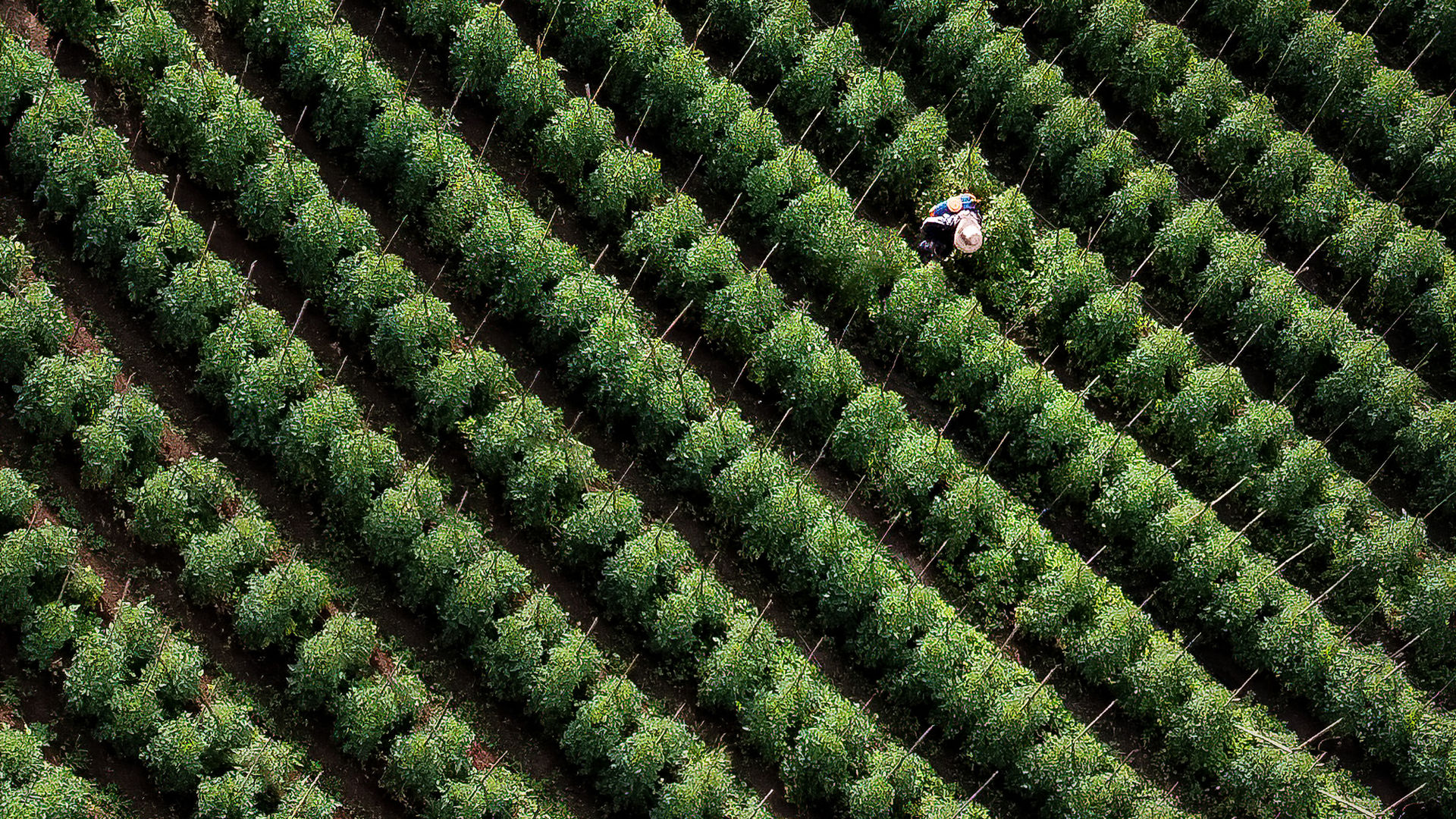
Sustainably farmed crop rows supplying organic food ingredients

Organic Ingredients Blog & Insights

Expert knowledge from a family-owned ingredient supplier with 15+ years of experience.

Sourcing Intelligence For Procurement Teams

USDA Organic, Non-GMO and natural ingredient guidance.

From Farm To Your Formulation

Tapioca, corn, rice and cane sugar ingredient deep dives.

0%

China’s organic cane sugar market offers buyers a range of producers, processors, and export-focused suppliers. Yet a polished product photo tells little about the crop behind it. Buyers need to look closer: Where was the cane grown? Can the supplier trace each shipment to its source? Are current organic certificates available for the product and facility?

Farmer and agricultural thinker Wendell Berry wrote, “The soil is the great connector of lives, the source and destination of all.” His words offer a useful lens for evaluating Organic Cane Sugar: responsible sourcing starts long before crystals reach a warehouse. This guide introduces ten suppliers in China and considers practical details such as product specifications, export experience, documentation, packaging options, and communication. A reliable supplier should answer clear questions with verifiable records, not broad promises. That sounds simple. It is not.

The right choice depends on your market and production needs. Compare color, granule size, moisture limits, minimum order quantities, and lead times. Ask how batches are identified and how certificate validity can be checked. Some details may be missing from a company’s website; request them directly, and verify independently. No ranking can replace that work. Use this list as a starting point, not a guarantee, and assess each supplier against your own quality requirements before placing an order.

Top 10 Organic Cane Sugar Suppliers in China

Organic Cane Sugar in China: Products, Standards, and Market Scope

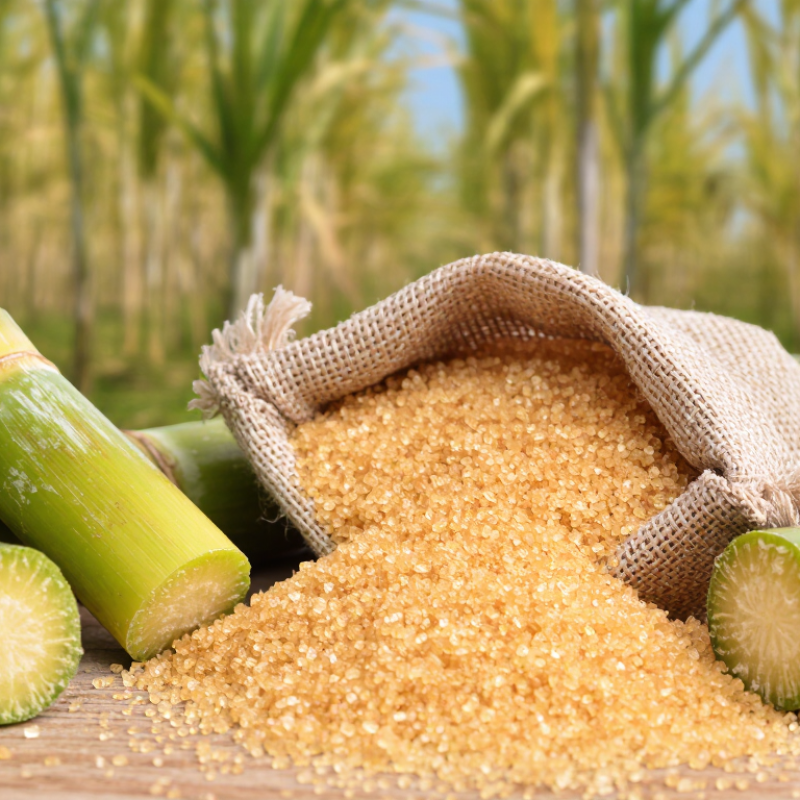
Organic cane sugar in China is sold in several forms, including light or golden granules, raw-style crystals, and finer grades for baking. Color and crystal size can vary with cane variety and processing. A darker crystal is not automatically more organic. Check the product specification.

China’s organic standard, GB/T 19630, sets requirements for production, processing, and certification. Buyers should verify that a supplier’s certificate covers the actual product and facility, then confirm whether it meets the rules of the destination market. Certification scope matters. Ask for current documents, lot-specific test results, and traceability records linking finished sugar to its cane source. Testing may cover moisture, residues, and microbiological quality, depending on the product and buyer requirements.

Market scope ranges from retail packs to bulk ingredients for drinks, bakery, and food manufacturing. Southern cane-growing regions offer access to raw material, but distance, harvest timing, and processing capacity can affect consistency. Request samples from more than one production lot. Compare sweetness, color, dissolution, and packaging integrity. A neat specification sheet is useful, but it cannot show every production variation. Even careful sourcing leaves questions; verify details before placing a large order.
Criteria for Identifying Leading Organic Cane Sugar Suppliers

When evaluating organic cane sugar suppliers in China, look beyond a certificate displayed on a website. Check the issuing body, validity dates, and whether the certificate covers the specific product and processing site. Ask for records linking farms, harvest lots, and mill batches. Traceability should work in both directions, not just on paper.

Inspect the mill’s handling procedures. Organic cane should be stored and processed separately from conventional sugar, with cleaning records available for review. Request recent test reports and compare them with your required limits for moisture, color, grain size, and residues. Small details matter. A retained sample from a trial order can reveal whether the next shipment is likely to match.

Confirm packaging material, pallet protection, production capacity, and lead times in writing. A polished audit file is useful, but it cannot guarantee steady quality. I would also ask how the supplier handles a failed test or a delayed harvest; vague answers deserve follow-up.

No checklist is perfect. Include an independent inspection when the order size or risk makes it worthwhile.

Profiles of Ten Organic Cane Sugar Suppliers in China

China-based organic cane sugar suppliers vary more by sourcing and handling than by product name. An import-focused trader coordinates overseas cane shipments and consolidates documents. A mill-linked supplier may offer larger volumes, though buyers should confirm where refining occurs. An organic-certified processor handles segregation and production records. A bulk distributor serves food manufacturers with pallet-sized deliveries. A retail packer offers smaller bags and custom formats.

A foodservice supplier may prioritize steady deliveries and easy-to-open sacks. A private-label packer supports customer packaging, but artwork and lead times need checking. A traceability-focused exporter shares lot references and origin records. A regional wholesaler holds local inventory, which can shorten replenishment. A small-batch specialist may provide less common crystal sizes or darker sugar. These are operating profiles, not endorsements of specific companies.

For each supplier, request current organic certificates and verify that their scope covers the product and facility. Match certificate details to the lot documents, invoice, and packaging records. Ask how non-organic goods are separated during storage and packing. A polished document set helps, but it does not prove every handling step. Some records may be incomplete; that deserves a clear follow-up before a purchase.

Comparing Supplier Capabilities, Certifications, and Product Ranges

When comparing the top 10 organic cane sugar suppliers in China, look beyond quoted prices. Check whether each supplier processes cane sugar directly or sources it from partner mills. Ask for recent production capacity, minimum order quantities, lead times, and sample specifications. Reliable details matter. A clear batch record should connect the finished sugar to its origin and processing lot. A polished brochure is not proof.

Certifications deserve careful review. Confirm that certificates are current, cover the relevant product and facility, and match the destination market’s requirements. Request scope documents and ask how the supplier manages audits, residue testing, and traceability records. Product ranges can also vary: suppliers may offer different crystal sizes, color grades, moisture levels, and packaging formats. Compare technical data sheets, not just product names. Some claims may be difficult to verify quickly; allow time for document checks.

Tips: Request samples from shortlisted suppliers and assess color, flow, and consistency under the same conditions. Compare a small trial order before discussing larger volumes. Ask who handles quality issues and how corrective actions are recorded. One limitation: a sample cannot show long-term consistency. Keep that in mind.

Top 10 Organic Cane Sugar Suppliers in China

A practical framework for comparing supplier capabilities, certifications, and product ranges.

The chart shows suggested evaluation weights out of 100 points—not verified scores or rankings for individual suppliers. Confirm each supplier’s organic certificate, certification scope, traceability records, and product specifications directly.

Sourcing Considerations for International Buyers

Sourcing Considerations for International Buyers

China-based suppliers may offer different grades, packing formats, and export experience, but a low quote is only a starting point. Check whether the organic certificate covers the actual farm, processing site, and product—not merely the supplier’s trading company. FiBL and IFOAM’s The World of Organic Agriculture 2024 reports 96.4 million hectares of organic farmland worldwide in 2022. This broad figure shows the sector’s scale; it is not a measure of organic cane sugar supply. Ask for current certificates, lot-level traceability, and a recent third-party audit. Verify the destination market’s certification requirements before signing.

Request a product specification and certificate of analysis for each lot. Confirm sucrose content, moisture, color, microbiological limits, and pesticide-residue testing against your own import requirements. For a practical check, compare the COA’s batch number with the bags and shipping documents. Also review minimum order quantity, lead time, harvest-season variability, packaging liners, and container moisture protection. Small gaps matter. A beautiful sample does not guarantee the next shipment will match.

Tips: Request a pre-shipment sample and agree in writing on inspection, rejected-lot remedies, and document deadlines. Ask how the supplier handles certificate renewal; this detail is easy to overlook.

FAQS

What forms of organic cane sugar are available in China?

Options include light or golden granules, raw-style crystals, and finer grades for baking. Color and crystal size can vary. Darker sugar is not automatically more organic.

What does China’s organic standard cover?

GB/T 19630 sets requirements for production, processing, and certification. Check that the certificate covers the specific product and processing facility.

Which documents should buyers request?

Request current certification, lot-specific test results, and traceability records. These should link finished sugar to its cane source. Paperwork can still leave gaps.

What tests may be relevant?

Depending on the product and buyer requirements, tests may cover moisture, residues, and microbiological quality. Compare results with your own limits.

How can buyers check product consistency?

Request samples from more than one production lot. Compare sweetness, color, dissolution, and packaging condition. A sample helps, but cannot guarantee every shipment.

How should organic sugar be handled at a mill?

Ask how organic cane is stored and processed separately from conventional sugar. Review cleaning records. Small details matter.

What supply factors can affect delivery and consistency?

Cane-growing region, harvest timing, transport distance, and processing capacity can all matter. Confirm production capacity and lead times in writing.

When is an independent inspection worth considering?

Consider one when order size or supply risk makes it worthwhile. Also ask how failed tests or harvest delays are handled. Vague answers deserve follow-up.

Conclusion

This article explores the Organic Cane Sugar market in China, outlining common product forms, relevant organic standards, and the scope of supply available to international buyers. It explains how to assess suppliers using practical criteria such as product consistency, traceability, production capacity, quality-control systems, certification documentation, and export experience. The profiles of ten suppliers offer a structured way to compare their capabilities without treating any single feature as a guarantee of suitability.

A side-by-side comparison highlights differences in certifications, product ranges, and potential service capabilities, helping buyers clarify which options fit their requirements. The article also reviews key sourcing considerations, including specification alignment, sample evaluation, packaging, communication, and verification of supporting documents. Together, these topics provide a useful starting point for researching Organic Cane Sugar suppliers and making informed decisions based on a buyer’s own quality, volume, and delivery needs.

Amelia

Amelia

Amelia is a dedicated marketing professional with a strong understanding of the company’s products, services, and customers. With a background in market research, content strategy, and business communication, she translates complex product information into clear, practical, and engaging insights.......