Industrial Ingredient Procurement Guide

Non-GMO Corn Syrup Sourcing & Technical Masterclass: Specs, Trends & Supply Chain Risk Management

The definitive buyer handbook for food manufacturers, R&D formulation scientists, and procurement executives navigating Identity Preserved (IP) Non-GMO liquid sweeteners, Dextrose Equivalent (DE) selection, and global market dynamics.

Published By: Peachtree Commodities Technical Division
Verification: Identity Preserved (IP) Non-GMO & PCR Tested
Fulfillment: US Warehousing & Direct Vessel Tankers
15+Years In Ingredient Supply
3Family Generations
100%Traceable Non-GMO Supply
24/7Logistics & Quality Support

Expert Sourcing Perspective

Navigating Non-GMO Corn Syrup Procurement in Modern Food Manufacturing

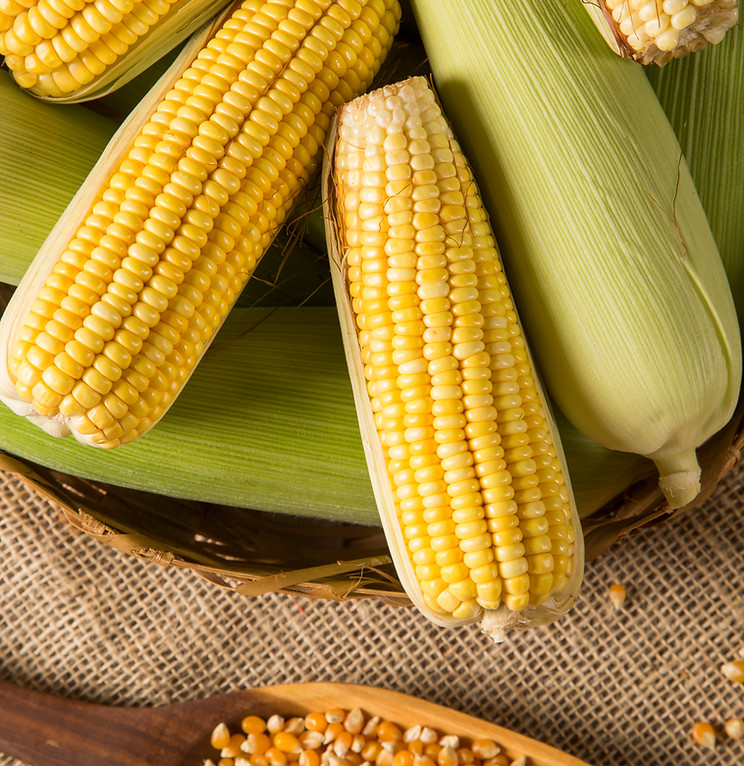
Selected non-GMO corn grains used for high-purity corn syrup wet milling
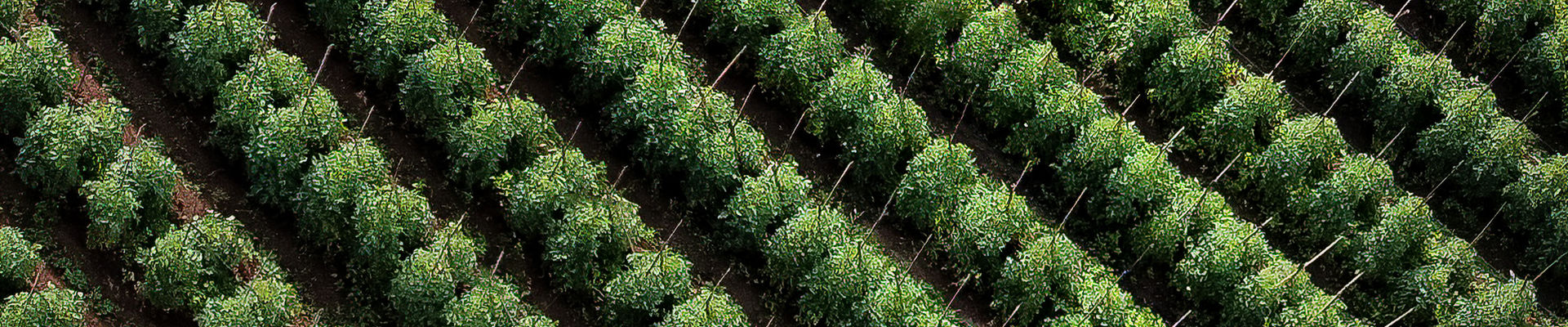
Sustainable non-GMO corn crop field managed under identity preservation standards

In an era where consumer scrutiny around clean-label ingredients, non-genetically modified organisms (non-GMO), and supply chain transparency is at an all-time high, enterprise food manufacturers face a dual challenge: maintaining strict functional performance in formulation while guaranteeing total ingredient integrity. Non-GMO Corn Syrup stands as one of the most versatile, cost-effective, and functional natural carbohydrate sources available to commercial food processors today.

As a multi-generational, family-owned supplier operating out of Norcross, Georgia for more than 15 years, Peachtree Commodities has bridged the gap between global agricultural producers and industrial food processing plants across North America, Europe, and Latin America. We understand that procuring Non-GMO Corn Syrup is not merely a transaction; it requires meticulous management of Identity Preservation (IP) protocols, precise control over Dextrose Equivalent (DE) profiles, and ironclad logistics execution.

Information Gain Insights: What Procurement Teams Must Know

Standard commodity corn syrup is primarily derived from genetically modified yellow dent corn, subject to broad cross-contamination during transit and storage. True Identity Preserved Non-GMO Corn Syrup relies on isolated non-GM seed stock, dedicated milling facilities, continuous Polymerase Chain Reaction (PCR) testing at the mill, and strict sanitary transportation equipment. Understanding the molecular differences between low, medium, and high DE corn syrups directly impacts freezing point depression, glass transition temperature ($T_g$), and Maillard browning in your finished products.

Product Selection & Engineering

Industrial Non-GMO Corn Syrup Recommendations & Technical Matrix

Selecting the exact Dextrose Equivalent (DE) and carbohydrate composition is vital to achieving the desired sweetness, viscosity, body, and moisture control in your final product matrix.

Low DE Non-GMO Corn Syrup (DE 26 – 36)

Primary Function: Anti-crystallization, high viscosity, low sweetness, moisture binding.

  • High molecular weight dextrins provide heavy body and rich mouthfeel.
  • Inhibits sucrose crystallization in hard candies and chewy caramels.
  • Superior freezing point elevation for premium ice cream and frozen desserts.
  • Minimal hygroscopicity, reducing moisture absorption in dry snack coatings.

Standard Confectioners DE 42 Corn Syrup

Primary Function: Universal balance of sweetness, humectancy, and browning control.

  • The industry benchmark for confectionery, bakery, and sauce manufacturing.
  • Provides moderate fermentability and balanced osmotic pressure.
  • Promotes golden Maillard reaction browning under standard baking heat.
  • Stable viscosity profile for high-speed liquid metering systems.

High DE Non-GMO Glucose Syrup (DE 62 – 65)

Primary Function: High sweetness, low viscosity, rapid fermentability, high solubility.

  • Enables rapid yeast fermentation in commercial bread and baking operations.
  • Reduces freezing point in frozen novelties, preventing ice crystal growth.
  • Improves gloss and color retention in fruit jams, jellies, and glazes.
  • Ideal clean-label alternative to standard high fructose syrups when combined with natural fruit concentrates.
Comprehensive Technical Specifications & Rheological Properties
Parameter / Specification Low DE Corn Syrup (DE 28-32) Standard DE 42 Non-GMO Syrup High DE Non-GMO Syrup (DE 63)
Dextrose Equivalent (DE) Range 26.0 – 34.0 % 38.0 – 44.0 % 60.0 – 66.0 %
Total Solids (Brix) 79.5 – 82.5° Brix 80.0 – 84.0° Brix 81.0 – 83.5° Brix
Dextrose (DP1) Content % 7.0 – 10.0 % 17.0 – 21.0 % 34.0 – 40.0 %
Maltose (DP2) Content % 9.0 – 13.0 % 13.0 – 17.0 % 30.0 – 35.0 %
Higher Saccharides (DP4+) % 68.0 – 76.0 % 48.0 – 56.0 % 14.0 – 20.0 %
Viscosity at 100°F (37.8°C) ~120,000 cPs ~30,000 cPs ~7,500 cPs
pH Range (10% Solution) 4.5 – 5.5 4.5 – 5.5 4.5 – 5.5
Sulfur Dioxide ($SO_2$) < 10 ppm (Sulfite-free) < 10 ppm (Sulfite-free) < 10 ppm (Sulfite-free)
GMO Status (PCR Testing) Negative (< 0.1% detectable DNA) Negative (< 0.1% detectable DNA) Negative (< 0.1% detectable DNA)
Certifications Available Non-GMO Project, Kosher, HACCP Non-GMO Project, Kosher, HACCP Non-GMO Project, Kosher, HACCP

Strategic Market Intelligence

How global food brands are future-proofing their ingredient supply chains against regulatory shifts, climate variability, and consumer evolution.

1. Identity Preservation (IP) 2.0

Regulators in North America and Europe are imposing stricter trace-back requirements. Sourcing non-GMO corn syrup requires farm-level GPS mapping and DNA batch sampling rather than basic self-declarations.

2. Domestic Buffer Stocking

Relying purely on just-in-time ocean freight creates vulnerabilities during port congestions. Leading manufacturers now contract multi-warehouse spot inventory located within 24 hours of their manufacturing plants.

3. HFCS Replacement Shifts

Mass-market food producers are aggressively phasing out standard High Fructose Corn Syrup (HFCS) to remove negative label perceptions, replacing it with Non-GMO DE 63 Corn Syrup combined with natural fruit concentrates.

4. Scope 3 Carbon Reporting

Enterprise food manufacturers now mandate life-cycle assessment (LCA) data from ingredient suppliers. Low-emission wet-milling process models and regenerative non-GMO corn farming are becoming procurement qualifiers.

Detailed Analysis: The Changing Dynamics of Global Corn Wet-Milling

Over the next decade, global production capacity for non-GMO corn derivatives is projected to expand at a CAGR of 6.8%. This growth is driven primarily by the rapid expansion of clean-label packaged foods in North America and strict non-GMO labeling regulations in the European Union (Regulation EC 1829/2003 and 1830/2003).

However, the global corn wet-milling infrastructure remains heavily biased toward conventional genetically modified crops. As a result, non-GMO corn processing requires dedicated crop isolation runs, specialized enzymatic hydrolysis equipment, and rigorous flushing protocols between production batches. Procurement teams that secure long-term supply agreements with multi-regional warehouse backing will protect their brands against raw material volatility and factory downtime.

Innovation & Processing

Technological Developments in Non-GMO Corn Syrup Production

Enzymatic Conversion vs. Acid Hydrolysis

Historically, commercial corn syrup was produced via acid hydrolysis—a process using high heat and mineral acids to break down corn starch. While cost-effective, acid hydrolysis often resulted in off-flavors, high color development, and unwanted side-reaction byproducts like reversal sugars.

Modern non-GMO corn syrup manufacturing utilizes advanced dual-enzyme hydrolysis. Heat-stable $\alpha$-amylase enzymes convert gelatinized non-GMO corn starch into dextrins, followed by fungal glucoamylase or pullulanase enzymes to precise Dextrose Equivalent targets. This technical evolution delivers:

  • Ultra-Clean Taste Profiles: Neutral flavor without acidic aftertaste or off-notes.
  • Water-Clear Clarity: Exceptional color stability over extended product shelf life.
  • Tailored Saccharide Distribution: Custom ratio of glucose, maltose, and complex oligosaccharides engineered for specific functional requirements.
  • Zero Chemical Residues: Environmentally friendly enzyme processing compliant with non-GMO and organic clean-label standards.
Advanced enzyme conversion laboratory control for high purity liquid syrups

Functional Applications Across Key Food Sectors

Confectionery & Candies

Controls graining and sugar crystallization in hard candies, caramels, gummies, and fondants while controlling chewiness and moisture migration.

Commercial Baking

Serves as a fermentable substrate for yeast, retains crumb moisture through humectancy, and produces rich crust color through controlled Maillard reaction.

Dairy & Frozen Desserts

Depresses freezing point to prevent large ice crystal growth, creating smooth texture, creamy scoopability, and enhanced meltdown resistance.

Sauces, Dressings & Jams

Improves mouthfeel and sheen, balances acidity, provides solid body without masking subtle spice flavors, and preserves fruit structure.

Uncompromising Ingredient Integrity. In Full. On-Time. All The Time.

Enterprise Value Proposition

Why Global Brands Partner With Peachtree Commodities

Built specifically for enterprise procurement teams, quality control managers, and R&D formulators who require absolute reliability.

Natural ingredient sourcing and quality assurance process

1. Direct Farm-to-Factory Traceability

We do not operate through anonymous broker clearinghouses. Peachtree Commodities audits origin partners at the field and mill level, maintaining continuous chain-of-custody documentation from non-GMO corn growers directly to your manufacturing receiving dock.

2. U.S. Warehouse Positioning & Safety Stock

To eliminate ocean freight transit delays and supply chain shocks, we position Non-GMO Corn Syrup stock across a nationwide network of organic-certified, food-grade warehouse facilities. We hold safety stock tailored to your rolling 12-month production forecast.

3. Audit-Ready Documentation Pack

Every single shipment arrives with a complete, lot-specific document binder: Certificate of Analysis (CoA), Non-GMO Project Verification statement, Kosher Certificate, Allergen & Gluten-Free statements, Heavy Metal analysis, and Country of Origin declaration.

Procurement FAQ

Non-GMO Corn Syrup Sourcing & Technical FAQs

Detailed answers to the most frequent technical, regulatory, and logistics questions asked by enterprise buyers and formulation scientists.

We enforce a strict Identity Preservation (IP) supply chain model. Non-GMO maize is isolated from seed selection, planting, harvesting, transportation, and wet-milling. Every manufacturing run undergoes real-time Polymerase Chain Reaction (PCR) testing to detect genetically modified DNA sequences, ensuring full compliance with Non-GMO Project Verified standards (<0.9% target threshold for global compliance, <0.25% action limit).

We supply a full spectrum of Non-GMO Corn Syrups tailored to functional requirements: Low DE (DE 26–36) for high viscosity and body; Standard Confectioners DE 42 for balanced sweetness and humectancy; High DE (DE 62–65) for maximum fermentability and freezing point reduction; as well as custom Brix and carbohydrate blends upon request.

Our Non-GMO Corn Syrup is available in multiple commercial packaging formats: 55-gallon closed-head steel/poly drums (~600 lbs / 272 kg), 275-gallon food-grade IBC totes (~3,000 lbs / 1,360 kg), dedicated stainless steel liquid bulk tankers (~45,000 lbs / 20,400 kg), and ocean flexitanks for global export programs.

Liquid Non-GMO Corn Syrup has a standard shelf life of 12 to 24 months from the date of manufacture when stored in unopened, food-grade containers. Recommended storage temperatures are between 80°F (27°C) and 105°F (40°C). Maintaining ambient warmth prevents haze formation, retards crystallization in higher DE syrups, and keeps liquid viscosity pumpable for high-speed metering lines.

Every shipment is accompanied by a lot-specific Certificate of Analysis (CoA), Non-GMO Project Verification certificate, Kosher Certificate, Allergen & Gluten statement, Country of Origin declaration, and Technical Data Sheet (TDS). Custom QA customer documentation can be integrated into the standard shipping pack upon request.

Yes. While standard corn syrup delivers lower perceived sweetness than HFCS 55, high-DE syrups (such as High DE 63) paired with natural high-intensity sweeteners (like organic stevia or monk fruit) or natural fruit concentrates allow brands to eliminate HFCS from labels while preserving body, viscosity, humectancy, and shelf stability.

We maintain regional safety buffer inventory in certified food-grade warehouses across North America. Instead of relying solely on just-in-time ocean transit, contracted buyers draw down against a pre-established 30-to-90-day safety stock program backed by contracted annual pricing.

Yes. We provide sample quantities (1 kg, 4 kg, and 20 kg pails) for product formulation, bench-top testing, and pilot production trials. Our technical specialists collaborate with your R&D team to select the ideal DE profile before full commercial scale-up.

Quality & Safety Compliance

Certified Standards You Can Trust

Every lot of Non-GMO Corn Syrup is backed by globally recognized food safety, organic, and non-GMO quality assurances.

HACCP food safety certification mark US Minority Business Development Agency seal Non-GMO Project Verified seal Organic quality standards mark GMA-SAFE supplier audit qualification USDA Organic certification seal ISO quality management system compliance Fairtrade certification logo ISO 14001 environmental management system mark Kosher certification mark

Ready To Secure Your Non-GMO Corn Syrup Supply Program?

Connect directly with our ingredient specialists to request technical data sheets, sample pails, or volume contract pricing.

Get a Quote

Get In Touch

Contact Our Technical Sourcing Team

Headquarters Address

Peachtree Commodities
3295 River Exchange Dr. Suite 216
Norcross, GA 30092, USA

Commercial Direct Line

(770) 635-6100

Business Operating Hours

Monday to Friday: 9:00 AM – 5:00 PM (ET)
24/7 Support available for active supply programs.

Global Operations

Fulfillment centers across North America, Europe, Asia-Pacific, and Latin America.