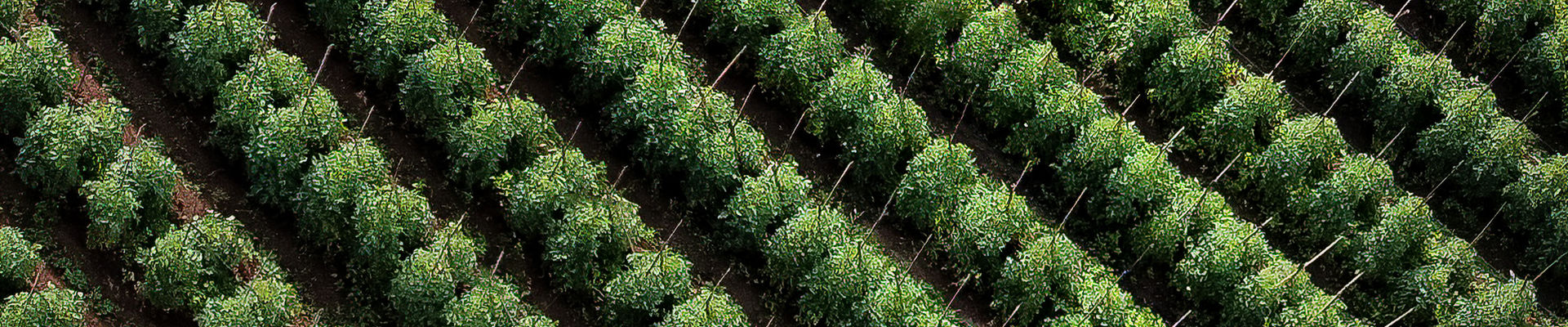
Three Generations of Direct Agronomy Sourcing
We work directly with certified farm origin partners and wet millers — bypassing anonymous trading desks. This ensures full transparency from seed variety to finished lot delivery.
Technical Sourcing & Procurement Masterguide
A definitive guide for global food scientists, R&D directors, and procurement managers evaluating Identity-Preserved (IP) Non-GMO corn starch grades, rheological characteristics, clean-label formulation strategies, and risk-mitigated supply chain logistics.
In modern high-throughput food manufacturing, non-GMO corn starch is far more than a simple bulk carbohydrate or filler; it is a critical hydrocolloid engineer responsible for viscosity development, water binding, gel structure formation, anti-syneresis stability, and textural integrity. Derived from Zea mays var. indentata (dent corn) grown under strict Identity-Preserved (IP) agricultural protocols, non-GMO corn starch provides formula developers with a clean-flavor profile, neutral color, and precise thermal performance.
When selecting non-GMO corn starch for large-scale production, food scientists and procurement specialists must carefully evaluate the degree of native vs. physical modification, grain origin, particle size distribution, and paste clarity. Below, Peachtree Commodities presents our core commercial non-GMO corn starch recommendations designed to fulfill specific manufacturing requirements:
Our flagship Native Non-GMO Corn Starch delivers unmodified crystalline structure containing approximately 25% to 28% amylose and 72% to 75% amylopectin. Sourced exclusively from non-genetically modified seed stock with strict agricultural isolation zones, this grade is ideal for clean-label food applications where natural ingredient declarations are mandatory.
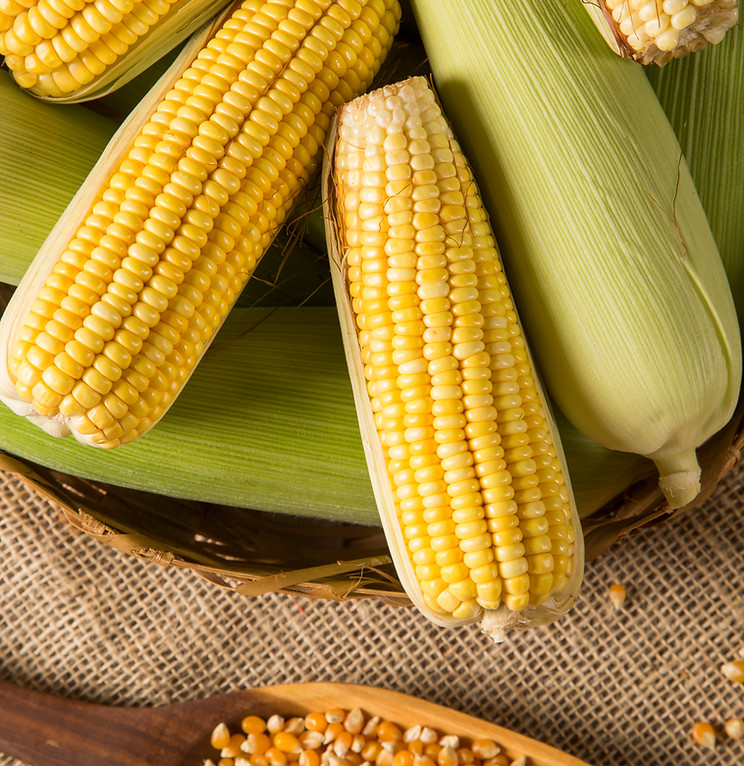
For applications requiring instant viscosity development without heat treatment, our pre-gelatinized non-GMO corn starch undergoes controlled thermal drum drying or spray cooking. This physical treatment disrupts the starch granule crystalline lattice, allowing immediate hydration and thickening upon dispersion in cold aqueous systems.
Engineered for high-rigor tablet compression, pharmaceutical encapsulation, and technical industrial uses (such as paper surface sizing, corrugated adhesive formulations, and textile finishing), this specialized grade exhibits ultra-low microbial counts, controlled moisture ranges (10.0% – 12.0%), and uniform particle size distributions to maximize flowability and binding efficiency.
| Parameter | IP Native Non-GMO Starch | Pre-Gelatinized Instant Starch | Pharma/Industrial Grade |
|---|---|---|---|
| Amylose / Amylopectin Ratio | 26% / 74% (±2%) | 26% / 74% (±2%) | 27% / 73% (±2%) |
| Moisture Content (%) | Max 13.0% | Max 7.0% | 10.0% - 12.0% |
| Gelatinization Peak Temp (°C) | 68°C - 74°C | Instant (<25°C) | 70°C - 75°C |
| Brabender Peak Viscosity (BU) | 600 - 850 BU | 400 - 700 BU (Cold) | 550 - 750 BU |
| pH (10% aqueous slurry) | 4.5 - 6.5 | 5.0 - 7.0 | 4.5 - 6.5 |
| Protein Content (dry basis) | Max 0.35% | Max 0.40% | Max 0.25% |
| Sulfated Ash (%) | Max 0.20% | Max 0.30% | Max 0.15% |
| Particle Size (thru 100 mesh) | Min 99.5% | Min 95.0% | Min 99.9% |
| GMO PCR DNA Quantification | Negative (<0.1% threshold) | Negative (<0.1% threshold) | Negative (<0.1% threshold) |
When replacing chemically modified starches (such as hydroxypropylated or cross-linked starches) with clean-label non-GMO native starch, adjust process shear and hold times. Native starches are more susceptible to acid breakdown (pH < 4.0) and high-shear mechanical degradation. Consider pairing non-GMO native corn starch with non-GMO tapioca starch or natural gums to build shear and acid resilience while preserving clean-label status.
The global starch market is undergoing a structural realignment driven by stringent consumer demand for clean labels, geopolitical trade shifts, climate volatility in agricultural growing regions, and heightened legal definitions surrounding "Non-GMO" claims across the European Union, North America, and Asia-Pacific regions.
Global food manufacturers are moving away from self-declared supplier statements toward third-party verified Identity Preservation (IP) systems. Regulatory scrutiny under the US Bioengineered Food Disclosure Standard and EU Regulation (EC) No 1829/2003 demands documented audit trails from seed selection to final bag loading. Procurement directors are prioritizing starch suppliers who maintain dual-testing protocols: agronomic field-level lateral flow strip screening combined with real-time Polymerase Chain Reaction (PCR) DNA testing on finished starch lots prior to dispatch.
Recent volatility in trans-ocean container rates, canal bottlenecks, and regional drought cycles have highlighted the extreme vulnerability of "just-in-time" ocean transit models for industrial carbohydrates. Modern procurement strategies now favor strategic contract programs featuring localized inventory buffer stocking. Leading North American food brands are contracting annual starch volumes with suppliers who maintain dedicated inventory in food-grade, organic-certified regional U.S. warehouses, converting 60-day ocean transit risks into 48-hour domestic delivery releases.

Historically, non-GMO corn starch commanded a 30% to 50% price premium over conventional (GMO) corn starch due to grower yield differentials and identity-preservation segregation costs. However, optimized non-GMO hybrid corn seeds combined with precision farming technologies have significantly narrowed crop yield gaps. As a result, the cost differential between conventional and Non-GMO corn starch has stabilized to a 10% – 18% premium range, encouraging tier-1 food manufacturers to convert entire plant lines to Non-GMO ingredients without eroding operating margins.
As food brands work to remove chemically modified food starches (E1422, E1442, E1414, E1450) from their ingredient decks, starch scientists have pioneered physical modification and enzymatic processing techniques that allow Non-GMO corn starch to match modified functional benchmarks.
Heat-Moisture Treatment (HMT) and annealing are non-chemical physical processes where non-GMO corn starch granules are subjected to controlled moisture levels (15% – 30%) and elevated temperatures above the glass transition temperature but below gelatinization point. This process restructures the crystalline structure within the granule, yielding a non-GMO starch with vastly improved functional traits:
To overcome native corn starch’s natural tendency toward retrogradation (syneresis or weeping during freeze-thaw cycles), product development teams are leveraging co-processed hydrocolloid matrices. Combining non-GMO corn starch with non-GMO tapioca starch, native rice starch, or small ratios of xanthan/guar gum creates a dual-phase gel network. This synergistic matrix traps free water, preventing starch recrystallization and extending frozen shelf-life up to 24 months in frozen ready-meals and baked goods.
Below are detailed technical, regulatory, and supply chain answers to the questions most frequently submitted by enterprise procurement teams, quality assurance directors, and R&D managers when sourcing bulk Non-GMO Corn Starch.
We enforce a rigid, multi-layered Identity Preservation (IP) system backed by strict segregation protocols at every stage of the supply chain. Agronomically, farmers must maintain certified isolation buffer zones (minimum 200 meters) around non-GMO corn fields to prevent wind-borne cross-pollination from transgenic crops. Harvest equipment, grain storage silos, transport trucks, and wet-milling facilities undergo thorough cleaning and sanitation validation before handling non-GMO runs. Furthermore, every batch is verified via quantitative Polymerase Chain Reaction (PCR) DNA testing at accredited third-party laboratories to ensure transgenic event levels are reliably below 0.1% — well within European Union thresholds (0.9%) and Non-GMO Project Verified standards (0.9% for food ingredients).
While both are non-GMO plant carbohydrates, their functional behavior is governed by distinct molecular compositions. Non-GMO Corn Starch contains approximately 26% amylose, giving it strong gelling capability, high paste clarity upon cooling, and a firm, cuttable gel structure suitable for confectioneries and puddings. Conversely, Non-GMO Tapioca Starch contains lower amylose (~17%) and higher amylopectin, resulting in a lower gelatinization temperature (59°C – 65°C), superior freeze-thaw stability, an extraordinarily bland flavor profile, and a smooth, elastic texture. In many high-shear or freeze-thaw applications, formulators combine corn and tapioca starches to achieve a balanced texture without resorting to chemical modifications.
Our standard bulk packaging formats include:
1. 25 kg (55.12 lb) Multi-Wall Kraft Paper Bags: Palletized on heat-treated ISPM-15 compliant wooden pallets (40 bags/pallet = 1,000 kg net weight), stretch-wrapped with protective top sheets.
2. 1,000 kg (2,204 lb) Bulk Totes / Super Sacks: Constructed from woven polypropylene with internal polyethylene liners and bottom discharge spouts.
3. Full Container Load (FCL) Logistics: A standard 20-foot dry FCL accommodates 18.0 to 20.0 metric tons (palletized), or up to 22.0 metric tons floor-loaded in bulk bags.
4. Domestic US Truckload (FTL): Standard 53-foot dry vans carry 40,000 to 44,000 lbs (approx. 20 metric tons).
Unmodified native corn starch granules undergo acid hydrolysis when exposed to low pH (< 4.0) under high cooking temperatures, leading to granule disruption and severe loss of viscosity. In high-shear processing environment like homogenizers, colloid mills, or high-speed scraped surface heat exchangers (SSHE), native starch gels can thin out. To maintain viscosity under acidic or high-shear conditions without chemical modification, we recommend using physically heat-moisture treated (HMT) non-GMO starch or co-formulating with clean-label protective hydrocolloids such as non-GMO pectin, tapioca starch, or natural gums.
Every commercial shipment dispatched by Peachtree Commodities includes a comprehensive, audit-ready Quality Assurance Pack containing:
• Lot-specific Certificate of Analysis (COA) detailing physical, chemical, and microbiological data.
• Non-GMO Project Verification / Identity Preserved (IP) Certificate.
• Technical Data Sheet (TDS) and Safety Data Sheet (SDS).
• Allergen Declaration (confirming gluten-free, major allergen-free status).
• Kosher and Halal Certificates.
• Country of Origin Certificate and Food Grade Compliance Statement.
When stored in its original unopened packaging in a cool, dry, clean, and well-ventilated warehouse environment (temperature below 25°C / 77°F and relative humidity below 65%), non-GMO corn starch maintains a minimum recommended shelf life of 24 months from the date of manufacture. Starch is hygroscopic and readily absorbs moisture and off-odors; therefore, bags should be stored off concrete floors on clean pallets and kept away from volatile chemical materials.
Yes. Non-GMO Corn Starch is a foundational building block in gluten-free flour blends. In gluten-free bakery formulations, it replaces the structural framework typically provided by wheat gluten. It lightens crumb texture, improves crust crispness in fried batters, prevents toughness in cookies, and optimizes hydration in gluten-free bread doughs. Because corn starch lacks protein elasticity, it is typically blended with protein sources (such as non-GMO organic rice protein) and hydrocolloids to achieve optimal crumb gas retention.
Headquartered in Norcross, Georgia, Peachtree Commodities is a multi-generational, family-owned supplier dedicated to delivering reliable, high-purity USDA Organic, Non-GMO, and natural food ingredients. For more than 15 years, enterprise food and beverage manufacturers, co-packers, and pharmaceutical formulators across North America, Latin America, Europe, and Asia-Pacific have counted on our unwavering supply commitments.
We work directly with certified farm origin partners and wet millers — bypassing anonymous trading desks. This ensures full transparency from seed variety to finished lot delivery.
We hold dedicated safety inventory in a strategically positioned network of US food-grade, organic-certified warehouses, insulating your plant lines from ocean transit disruptions.
Every single shipment arrives with complete batch documentation: lot-specific COAs, IP Non-GMO certificates, allergen statements, Kosher certificates, and full trace recall records.
Your production schedule is non-negotiable. Our commercial account specialists and 24/7 technical support team provide rapid releases, transparent lead times, and locked annual pricing programs.
Certifications & Quality Assurance
Our Non-GMO Corn Starch supply chain operates in strict compliance with top-tier international food safety and organic management frameworks.









Request sample evaluation lots, full technical specification dossiers, and volume contract pricing from Peachtree Commodities today.