Industrial Sourcing Guide • Technical Carbohydrate Intelligence • E-E-A-T Verified

Non-GMO Tapioca Syrups Procurement & Formulation Masterclass

An authoritative technical and commercial overview of dextrose equivalence (DE), enzymatic starch hydrolysis, clean-label sugar profile engineering, and resilient global supply chain management for industrial food and beverage manufacturers.

15+Years Supplying Ingredients
3Family Generations
10+Certifications & Standards
24/7Customer Support

As global food and beverage brands pivot away from genetically modified sweeteners and high-fructose corn syrup (HFCS), Non-GMO Tapioca Syrups have emerged as the premier clean-label functional alternative. Sourced from the hardy root of the cassava plant (Manihot esculenta), tapioca syrup provides food scientists, formulation specialists, and enterprise procurement directors with an unmatched combination of low color reactivity, high clarity, neutral flavor, and precise carbohydrate tailoring.

This technical guide dissects the molecular mechanics, dextrose equivalent (DE) spectrums, processing methodologies, market forecast vectors, and risk-mitigated procurement strategies required to optimize high-volume food production lines using commercial Non-GMO Tapioca Syrups.

1. Understanding Non-GMO Tapioca Syrup: Enzymatic Science & Molecular Profiling

Tapioca starch consists of a unique ratio of amylose (approximately 17–20%) and amylopectin (80–83%) polymers. Compared to corn or wheat starch, tapioca possesses a significantly lower gelatinization temperature and a higher molecular weight amylopectin matrix. This molecular architecture yields a syrup with lower retrogradation propensity, exceptional freeze-thaw stability, and high clarity upon liquid dissolution.

The transition from raw cassava root starch to commercial Non-GMO Tapioca Syrup relies on controlled enzymatic hydrolysis rather than chemical acid digestion. The process typically follows a dual-stage enzymatic conversion:

  • Liquefaction (Alpha-Amylase): Thermostable bacterial alpha-amylases hydrolyze the internal α-1,4-glucosidic bonds of gelled starch, reducing high molecular weight polymers into short-chain dextrins and reducing overall viscosity.
  • Saccharification (Glucoamylase & Beta-Amylase): Fungal glucoamylases and plant-derived beta-amylases are introduced at controlled temperatures ($55^\circ\text{C}$–$62^\circ\text{C}$) and pH levels ($4.5$–$5.5$) to cleave specific terminal glucosidic bonds. By manipulating incubation time and enzyme concentration, food engineers precisely sculpt the target sugar spectrum (glucose, maltose, and higher oligosaccharides).
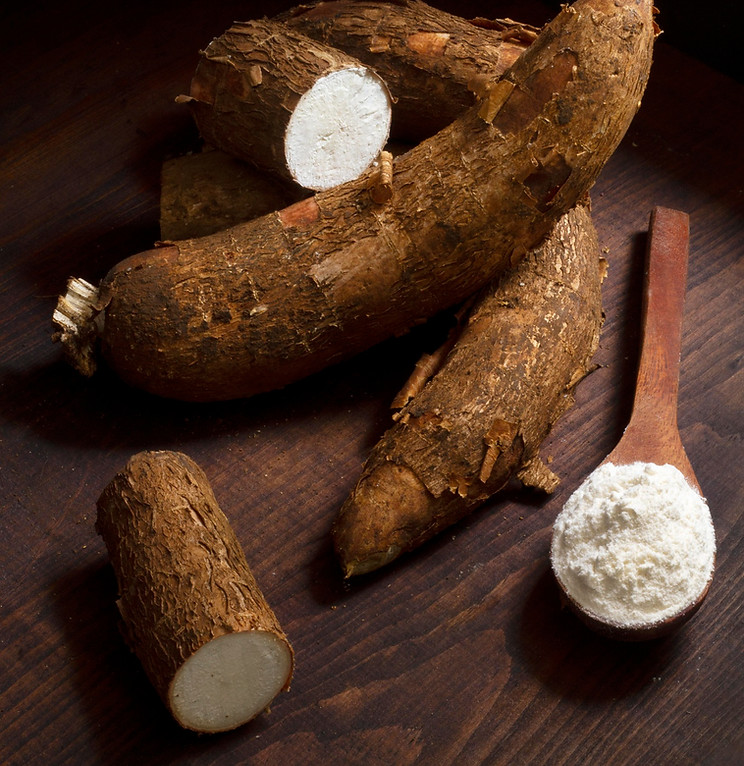
Cassava roots and processed high-purity tapioca starch
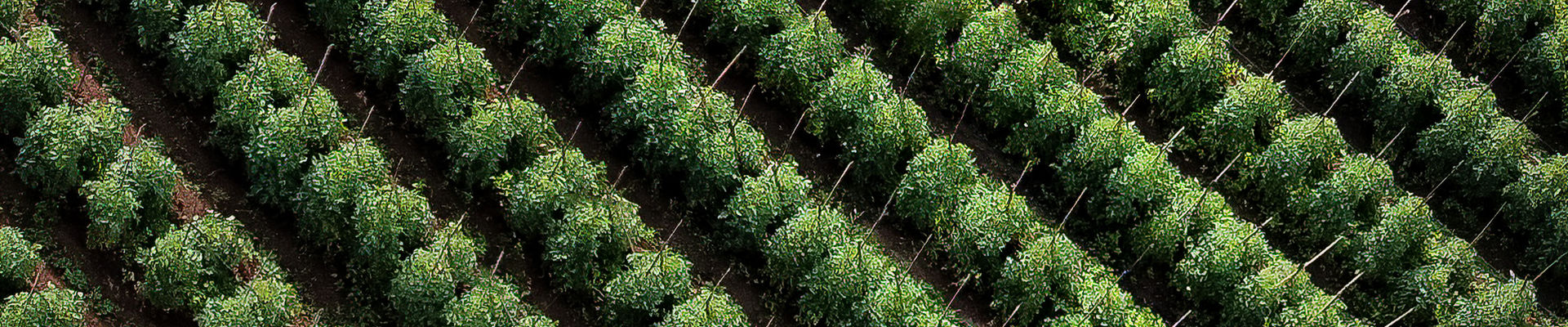
Sustainable tapioca agronomy and raw crop rows

Why Cassava Root Yields Superior Syrup Integrity

Cassava roots naturally lack the protein and lipid impurities found in yellow dent corn. Consequently, Non-GMO Tapioca Syrup requires fewer harsh purification steps, preserving natural enzyme co-factors and delivering an ultra-clean, neutral tasting syrup that does not alter delicate flavor systems in plant-based milks, gummies, or nutrition bars.

Because cassava is inherently non-GMO, manufacturers eliminate the risk of cross-contamination from genetically modified pollen—a persistent challenge in corn syrup processing facilities.

2. Functional Dextrose Equivalent (DE) Matrix & Formulation Performance

Dextrose Equivalent (DE) measures the total amount of reducing sugars expressed as D-glucose on a dry weight basis. The DE value dictates essential physical properties, including osmotic pressure, boiling point elevation, freezing point depression, glass transition temperature ($T_g$), humectancy, and Maillard browning potential.

Table 1: Technical Breakdown of Non-GMO Tapioca Syrup DE Spectrum
Syrup Grade / DE Range Carbohydrate Profile (DP1 / DP2 / DP3+) Viscosity Range ($25^\circ\text{C}$, cP) Primary Industrial Applications Key Functional Attribute
Low DE (DE 27 – 35) DP1: 5-8% | DP2: 9-14% | DP3+: 78-86% 15,000 – 35,000 Granola bar binders, high-shine glazes, spray-drying carriers High binding strength, low sweetness, minimal hygroscopicity
Medium DE / High Maltose (DE 40 – 45) DP1: 8-12% | DP2: 45-52% | DP3+: 38-45% 4,000 – 8,500 Pectin gummies, hard candies, fruit fillings, chewable tablets Resists cold-flow, prevents sucrose crystallization, low viscosity build
Regular Conversion (DE 60 – 65) DP1: 30-38% | DP2: 32-38% | DP3+: 28-34% 1,800 – 3,200 RTD beverages, bakery fermentations, dairy desserts, syrups High sweetness, rapid fermentation substrate, freezing point reduction

Deep-Dive Formulation Mechanics:

Preventing Crystallization in Gummy Confectionery: High Maltose Non-GMO Tapioca Syrup (DE 42) is the industry benchmark for gelatin and pectin gummy formulations. Its high maltose (DP2) content inhibits sucrose recrystallization without imparting excessive hygroscopicity. High DP3+ oligosaccharides build a resilient gel matrix that prevents gummy sweating and structural collapse during warm-climate distribution.

Moisture Retention & Texture Control in Energy Bars: Low DE Tapioca Syrups (DE 28-35) act as physical binders. The elevated molecular weight polymers entrap water molecules through hydrogen bonding, reducing overall water activity ($a_w$) while maintaining soft texture over extended ambient shelf life (12 to 18 months).

3. Non-GMO Tapioca Syrup vs. Alternative Sweeteners: A Quantitative Benchmark

Procurement executives frequently ask how tapioca syrup performs against corn syrup, rice syrup, and agave nectar across legal, technical, and consumer perception metrics.

Table 2: Comparative Analytical Benchmark of Industrial Liquid Sweeteners
Parameter Non-GMO Tapioca Syrup Non-GMO Corn Syrup Organic Rice Syrup Agave Nectar
Genetically Modified Organisms (GMO) Risk Zero Risk (Cassava has no commercial GMO variants) High Risk (Requires strict PCR testing & separation) Zero Risk Zero Risk
Allergen Status Allergen-Free, Grain-Free, Gluten-Free Corn allergen concerns for sensitive populations Grain-based (Rice allergy considerations) Fructose intolerance risk
Flavor Profile Clean, neutral, zero residual botanical taste Mild starch/cereal background note Nutty, subtle cereal/malty flavor Strong honey-like, floral notes
Maillard Browning Potential Very Low (Protects natural colors of finished food) Moderate High (Accelerates browning during thermal step) Low-Moderate
Arsenic / Heavy Metal Risk Negligible (Cassava root tubers reject inorganic arsenic) Low Requires rigorous testing (Rice uptakes inorganic arsenic) Negligible

4. Recommended Non-GMO Tapioca Syrup Product Portfolio

Peachtree Commodities engineers specialized syrup profiles designed to plug directly into existing commercial manufacturing lines. Our product line encompasses:

High Maltose Non-GMO Tapioca Syrup DE 42

High Maltose Tapioca Syrup (DE 42)

Confectionery • Gummies • Energy Bars
Clarified Low DE Tapioca Syrup

Low DE Tapioca Syrup (DE 28-32)

Binder • High Viscosity • Low Sweetness
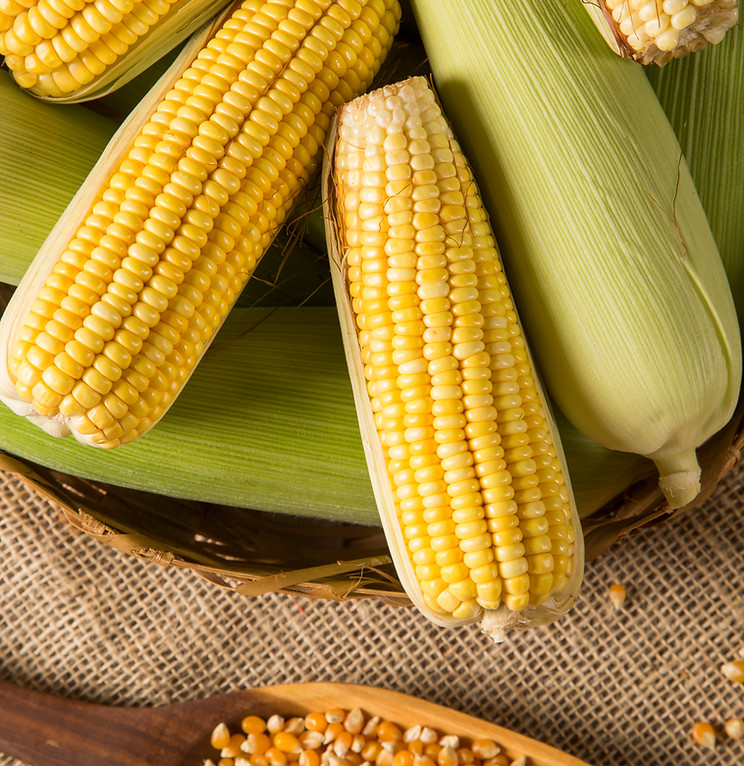
High Dextrose Tapioca Syrup DE 63

High Dextrose Syrup (DE 60-65)

Beverages • Fermentation • Quick Solubility
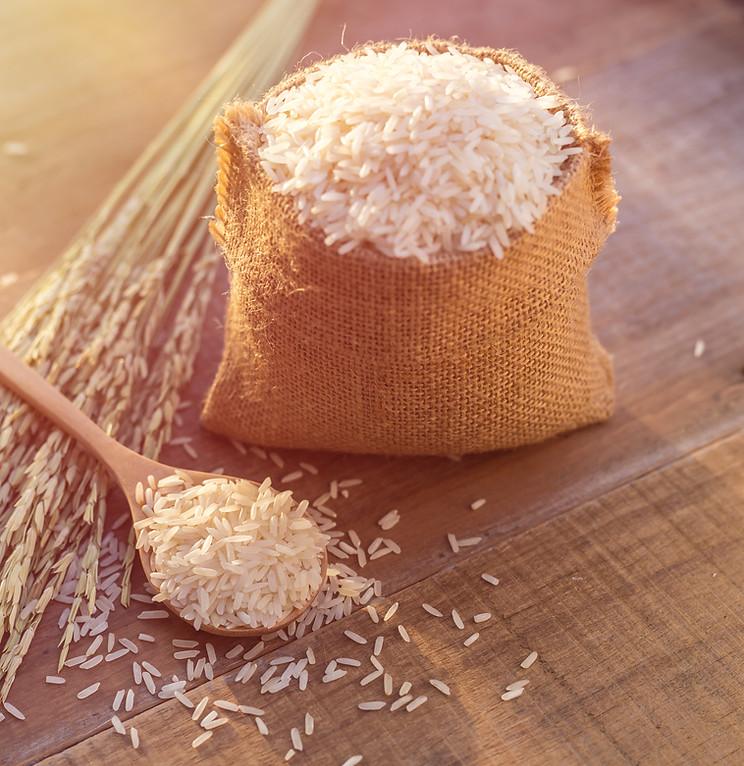
Organic Tapioca Syrup Solids & Maltodextrin

Tapioca Solids & Maltodextrin

Spray-Drying Powder • Encapsulation
Get Catalog

5. Macro Market Drivers & Future Procurement Trends (2025–2035)

Global demand for Non-GMO Tapioca Syrups is projected to expand at a compound annual growth rate (CAGR) exceeding 6.8% through 2032. Procurement directors navigating supply chain strategies must align with three macro structural trends:

A. The Clean-Label & Grain-Free Market Shift

Consumer demand has evolved beyond "Organic" to encompass "Grain-Free," "Keto-Friendly," and "Non-GMO Project Verified." Major multinational consumer packaged goods (CPG) brands are actively replacing corn syrup with tapioca syrup to eliminate corn allergens and position products for Paleo and Grain-Free certifications. Formulation trials show a 100% direct substitution ratio in liquid applications without requiring line adjustments.

B. Climate Resilience and Agronomic Footprint

Cassava is one of the most drought-resilient starch crops globally, thriving in poor soils with minimal synthetic inputs where corn yields plummet. As climate volatility creates supply instability in North American and European corn belts, cassava offers a stable, geographically diversified starch reserve across Southeast Asia and South America. Procurement teams establishing long-term volume contracts for tapioca syrup insulate their supply chains against grain market price shocks.

C. Traceability, Scope 3 Emissions & EUDR Compliance

Global regulatory frameworks—such as the European Union Deforestation Regulation (EUDR) and US SEC Climate Disclosures—demand transparent supply chains down to the farm level. Future-proof procurement requires partners who maintain direct relationships with cassava farming cooperatives, providing verifiable digital mapping, carbon footprint accounting, and audited chain-of-custody documentation.


Delivering Verified Non-GMO Ingredients In Full. On-Time. All The Time.

Enterprise Advantage

Why Global Brands Partner With Peachtree Commodities

Built on three generations of agricultural ingredient expertise, Peachtree Commodities provides enterprise buyers with transparent sourcing, rigorous quality assurance, and unshakeable logistics support.

Direct Origin Qualification

We bypass middle-tier trading desks, establishing direct contracts with origin processors to guarantee 100% Non-GMO Project Verified, USDA Organic cassava crops.

Buffered US Inventory

We maintain program inventory across a strategically located network of organic-certified, food-grade U.S. warehouses, insulating your plants from ocean freight disruptions.

Audit-Ready Paperwork

Every lot ships with a complete document package: Lot-specific CoA, Organic Transaction Certificates, Kosher documentation, Heavy Metals test, and Allergen/GMO declarations.

Dedicated Account Specialists

No call centers. You work directly with senior commercial managers who understand viscosity specs, tank car logistics, and rolling volume forecasts.

Natural sweeteners quality lab testing

Proven Leadership

Three Generations Of Ingredient Integrity

Headquartered in Norcross, Georgia, Peachtree Commodities is a family-owned organization operating on a foundational mandate: providing absolute supply reliability to food and beverage manufacturers across North America and global markets.

For more than 15 years, our team has established direct, audited farming and processing partnerships across Latin America, Asia, and North America. We don't trade paper contracts—we manage physical ingredient supply chains from farm soil to your facility receiving dock.

Operational Commitment

Whether managing spot shipments or contracted multi-year blanket order programs, our operational standard remains unchanged: In Full. On-Time. All The Time.

Get Catalog

Technical Specifications

Packaging, Handling & Bulk Logistics Options

Non-GMO Tapioca Syrup requires precise temperature control and packaging integrity to maintain viscosity stability, prevent microbiological growth, and ensure seamless unloading at your plant.

Industrial Packaging Formats

  • 275-Gallon IBC Totes: Returnable/disposable food-grade totes with 2" bottom discharge valves (~3,000 lbs net weight).
  • 55-Gallon Drums: Steel or HDPE tight-head drums (~600 lbs net weight) for medium batch operations.
  • Flexitanks: High-volume 24,000 kg single-use flexibags for bulk ocean transit.
  • Bulk Tankers: Temperature-insulated food-grade tanker trucks (45,000 lbs capacity) for direct liquid metering.

Quality Assurance Testing

  • Refractive Index / Brix: Standard 79.5° – 82.0° Brix verification via digital refractometry.
  • Microbiological Screen: Total Plate Count <1,000 cfu/g, Yeast & Mold <100 cfu/g, Salmonella Negative / 25g.
  • Color Determination: Water-white to light amber clarity testing (≤ 25 ICUMSA units for clarified grades).
  • Pesticide & Heavy Metals: ISO-17025 laboratory screening for glyphosate, arsenic, lead, cadmium, and mercury.

Storage & Handling Parameters

  • Optimal Storage Temp: Store between 18°C – 24°C (65°F – 75°F) to prevent crystal seed nucleation.
  • Pumping Viscosity: Warm gently to 35°C (95°F) to lower viscosity for high-velocity liquid transfer.
  • Shelf Life: Guaranteed 24-month stability from manufacture date when stored in original sealed packaging.
  • Clean-In-Place (CIP): Fully compatible with standard warm-water wash CIP systems.

Procurement FAQ

Frequently Asked Questions On Tapioca Syrups

Technical, commercial, and logistical answers to common inquiries raised by formulation scientists and purchasing executives.

Non-GMO Tapioca Syrup is a clear, viscous liquid sweetener derived from the starch of non-genetically modified cassava root (Manihot esculenta). The process involves grinding cassava tubers, separating raw starch, and subjecting the slurry to controlled enzymatic hydrolysis using non-GMO, naturally derived enzymes (alpha-amylase, beta-amylase, and glucoamylase). Unlike acid-converted syrups, enzymatic processing yields clean, precise sugar profiles (dextrose, maltose, complex dextrins) without bitter processing byproducts or thermal scorching.

Because cassava contains no commercial GMO varieties globally, tapioca syrup is inherently non-GMO, offering an extra layer of supply chain security for clean-label food brands.

In almost all industrial food applications—including gummies, protein bars, fruit preparations, and baked goods—Non-GMO Tapioca Syrup acts as a direct 1:1 functional drop-in replacement for corn syrup. Match the Dextrose Equivalent (DE) value of your current corn syrup (e.g., matching 42 DE Corn Syrup with 42 DE High Maltose Tapioca Syrup).

Formulators often notice immediate benefits: tapioca syrup exhibits lower Maillard reactivity (reduced unwanted browning during hot fills), a neutral flavor without grain notes, and enhanced shine/clarity in finished gels.

Peachtree Commodities offers a full DE spectrum engineered for specific processing challenges:

  • Low DE (DE 27-35): High molecular weight carbohydrates provide extreme viscosity, low sweetness, and exceptional binding. Ideal for granola bar matrixes, dry powder carriers, and high-clarity glazes.
  • Medium DE / High Maltose (DE 40-45): Balanced sweetness, excellent anti-crystallization properties, and controlled humectancy. Essential for pectin/gelatin gummies, chewable vitamins, and hard candy.
  • High DE (DE 60-65): High dextrose content yields maximum sweetness, low viscosity, rapid fermentability, and freezing point depression. Preferred for ice cream, RTD coffee, plant-based beverages, and bread doughs.

Every shipment from Peachtree Commodities is accompanied by an audit-ready document pack, including a lot-specific Certificate of Analysis (CoA) detailing Brix, DE, pH, viscosity, microbial counts, and heavy metal screening. In addition, we provide Non-GMO Project Verification / Non-GMO Statements, Kosher Certification, Allergen & Gluten-Free Declarations, Technical Data Sheets (TDS), Safety Data Sheets (SDS), and NOP Organic Transaction Certificates for organic-certified orders.

To eliminate long ocean freight waiting times, Peachtree Commodities maintains safety stock positioned across a regional network of organic-certified, food-grade U.S. warehouses. Customers can establish rolling 12-month contract programs, drawing down totes, drums, or tankers against agreed forecasts with guaranteed 48-to-72 hour warehouse dispatch lead times.

Our commercial supply options accommodate both growing pilot programs and full-scale manufacturing facilities. Minimum order quantities start at single 275-gallon IBC totes (~3,000 lbs) or 55-gallon drums, scaling up to full truckload (FTL) drum/tote shipments, flexitanks, and bulk liquid tank trucks.

Secure Your Supply Of Non-GMO Tapioca Syrups Today

Connect with our senior technical procurement team in Norcross, GA to request samples, confirm lot specifications, or structure contract pricing programs.

Get Catalog Contact Us Direct

Direct Contact

Speak With An Ingredient Specialist

Head Office

Peachtree Commodities
3295 River Exchange Dr. Suite 216
Norcross, GA 30092, USA

Direct Phone

(770) 635-6100

Commercial Office Hours

Monday to Friday: 9:00 AM – 5:00 PM (ET)
24/7 Logistics Monitoring for Active Programs

Global Logistics Reach

North America, Latin America, Europe, Australia, and Asia-Pacific delivery channels.

Certifications & Standards

Verified Food Safety & Quality Credentials

Our Non-GMO Tapioca Syrups and raw starch programs comply with international quality, safety, and ethical standard frameworks.

HACCP food safety certification US Minority Business Development Agency Non-GMO Project Verified Organic certification mark GMA-SAFE supplier qualification USDA Organic certification Quality management certification Fairtrade certification ISO 14001 environmental management Kosher certification