Organic Ingredients Blog & Insights
Expert knowledge from a family-owned ingredient supplier with 15+ years of experience.
Sourcing Intelligence For Procurement Teams
USDA Organic, Non-GMO and natural ingredient guidance.
From Farm To Your Formulation
Tapioca, corn, rice and cane sugar ingredient deep dives.
2026 Top Types of Organic Tapioca Syrups for Global Buyers
Table of Contents
- What Organic Tapioca Syrup Is and How It Is Made
- Main Types of Organic Tapioca Syrup for Different Uses
- How Organic Tapioca Syrups Differ in Sweetness and Texture
- Global Standards for Sourcing Certified Organic Tapioca Syrup
- How Buyers Can Select and Import the Right Tapioca Syrup
- FAQS
- Conclusion
- Related Posts
Global buyers are examining Organic Tapioca Syrups more closely in 2026. They want clean labels, dependable supply, and consistent performance. Yet “organic” alone does not guarantee the right ingredient for every product.
Dr. Kantha Shelke, a food scientist and principal at Corvus Blue, offers a useful perspective: “Ingredient performance must be judged in the finished food, not only on paper.” This practical view matters when comparing light, dark, glucose-style, and high-maltose tapioca syrups. A syrup may pour smoothly at room temperature but thicken differently in a cereal bar. Another may provide gentle sweetness while changing the color of a beverage.
Small details matter. Buyers should review organic certification, country of origin, dry solids, DE value, viscosity, allergen controls, and microbial specifications. Packaging also deserves attention. A sealed food-grade drum can protect quality during long-distance shipping, but storage temperature still affects handling.
The 2026 market is not perfectly uniform. Certification rules, crop conditions, and supplier documentation can vary between regions. That creates uncertainty.
Careful comparison remains essential.
This guide examines the top types of Organic Tapioca Syrups for global buyers. It connects syrup structure with real applications, including bakery fillings, dairy alternatives, snack coatings, sauces, and beverages. The goal is not to promote one universal choice. It is to help purchasing teams ask sharper questions, test samples realistically, and select a syrup that performs beyond the specification sheet.
What Organic Tapioca Syrup Is and How It Is Made
Organic tapioca syrup is a sweet liquid made from organically grown cassava roots. Cassava, also called manioc, stores energy as starch inside its firm, pale flesh. The Food and Agriculture Organization reported global cassava production of roughly 330 million tonnes in 2022. That scale supports steady ingredient sourcing, but organic supply remains more limited.
Production begins with careful washing, peeling, and grinding. The cassava pulp is mixed with water, then filtered to separate starch from fiber. Enzymes break the starch into smaller sugars, mainly glucose and maltose. Gentle evaporation removes excess water and creates a clear, pourable syrup. Heat must be controlled. Too much heat can darken the syrup and change its flavor.
Organic production adds stricter field and processing controls. Producers generally avoid prohibited synthetic pesticides, fertilizers, and processing aids under recognized organic standards. Independent certification verifies records, inspections, and ingredient handling. The FiBL and IFOAM Organics International 2024 report valued the global organic market at more than €134 billion in 2022, showing strong demand for verified organic ingredients.
The syrup may taste mild, with a clean sweetness and light color. Results still vary. Root age, soil, filtration, and enzyme selection can affect viscosity and sweetness. Buyers should request certificates, batch specifications, moisture data, and contaminant testing. “Organic” alone does not guarantee identical performance.
2026 Top Types of Organic Tapioca Syrups for Global Buyers
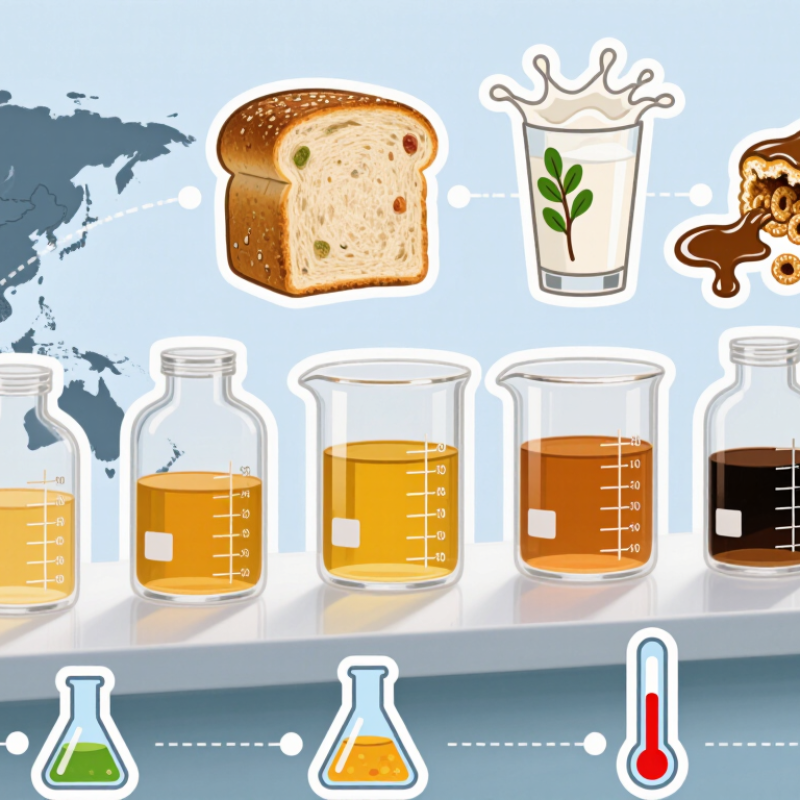
Organic tapioca syrup is produced from certified-organic cassava starch through hydration, enzymatic hydrolysis, filtration, and evaporation. The main syrup types are commonly distinguished by their dextrose equivalent (DE), which reflects the degree of starch conversion and influences sweetness, viscosity, and application performance.
How to read the chart: Lower-DE syrups generally provide higher viscosity and milder sweetness, while higher-DE syrups are sweeter, thinner, and more suitable for confectionery, beverages, sauces, and binding applications. The ranges shown are typical industry specifications and may vary by supplier and processing conditions.
Main Types of Organic Tapioca Syrup for Different Uses
Organic tapioca syrup varies by sweetness, solids, color, and viscosity. These differences decide how well it performs in each application.
Light syrup has mild sweetness and a clean appearance. It suits beverages, plant-based drinks, fruit preparations, and delicate sauces. Its neutral profile helps preserve natural flavors.
Standard organic tapioca syrup offers balanced sweetness and moderate body. Bakers use it in cookies, fillings, granola, and soft bread products. It improves moisture retention and can reduce sugar crystallization.
Confectionery makers may choose a higher-solids grade for chewy candies and glossy coatings. High-solids syrup creates a thicker texture, but it can complicate pumping in cold warehouses.
Some buyers prefer low-color syrup for transparent drinks. Others need stronger viscosity for dessert toppings or nutritional bars.
These choices should follow the recipe, not only the price. A sweeter grade may reduce dosage, but it can alter flavor balance. That trade-off is easy to miss.
During sourcing, buyers should review the organic certificate, country of origin, production method, and batch traceability. The certificate must match the selling market’s requirements.
A reliable specification sheet should state dry solids, dextrose equivalent, pH, viscosity, microbiological limits, and allergen information.
Testing matters. Tapioca syrup is generally mild, yet poor storage can affect color and fermentation risk.
I would not approve a grade from appearance alone. Trial batches, transport conditions, and shelf-life checks often reveal problems that laboratory data misses.
How Organic Tapioca Syrups Differ in Sweetness and Texture
2026 Top Types of Organic Tapioca Syrups for Global Buyers
How Organic Tapioca Syrups Differ in Sweetness and Texture
Organic tapioca syrups vary widely in sweetness, thickness, and aftertaste. The main technical driver is dextrose equivalent, or DE. Low-DE syrups, often around 40–55, taste milder and feel heavier on the spoon. They suit granola, fillings, and soft baked products. High-DE syrups, commonly around 70–95, deliver brighter sweetness and a thinner flow. They work better in beverages and quick-mixing sauces. These ranges are practical, not universal.
FAOSTAT reported roughly 330 million tonnes of global cassava production in recent data. The OECD-FAO Agricultural Outlook 2024–2033 also expects continued cassava demand growth. That scale supports wider syrup sourcing, but it does not guarantee consistent texture. USDA FoodData Central provides composition references for glucose-based syrups, yet buyers still need supplier-specific specifications. Tapioca syrup is not automatically identical between factories.
Ask for DE, soluble solids, viscosity, pH, and microbial limits. Organic certification must also be verified for the finished syrup and processing chain. A useful trial compares one low-DE and one high-DE sample at the same dosage. Check spoon drag, mouth coating, and crystallization after storage. Temperature changes the result. So does water activity. Supplier sheets can be incomplete. That is an avoidable weakness. A syrup may taste clean on day one, then feel overly sticky after baking. Buyers should test the real formula, not only the sample jar.
Global Standards for Sourcing Certified Organic Tapioca Syrup
In 2026, global buyers are evaluating organic tapioca syrup by more than sweetness and price. Common types include light syrup, high-solids syrup, and varieties with different dextrose equivalent levels. Each profile affects texture, browning, moisture control, and final product stability.
Certified organic sourcing begins with the certificate, but the certificate is only one checkpoint. Buyers should confirm that the certification body is recognized in the destination market. The certificate must cover the correct processing site, product category, and validity period. Traceability should connect cassava farms, starch production, syrup conversion, storage, and shipment documents.
Ask for a current specification sheet and batch-specific certificate of analysis. Useful checks include organic status, moisture, solids, pH, microbiological limits, heavy metals, pesticide residues, and allergen controls. Non-GMO statements may also matter, depending on the buyer’s market and product claims. Food safety systems, supplier audits, clean storage, and sealed transport add practical confidence.
A common mistake is trusting a perfect-looking document too quickly. Documents can be accurate yet incomplete. In my experience, small gaps in lot numbers or shipment dates deserve careful questions. No checklist is perfect. Seasonal cassava quality, water conditions, and processing changes can still influence syrup performance. Global sourcing works better when buyers review records, samples, and factory practices together.
| Organic Tapioca Syrup Type | Typical Dry Solids | Typical DE Range | Sweetness & Texture Profile | Common Global Applications | Key Buyer Specification Checks | Relevant Organic & Quality Requirements |
|---|---|---|---|---|---|---|
| Low-DE Organic Tapioca Syrup | Approximately 78–82% | 20–35 DE | Mild sweetness, higher body and viscosity, lower tendency to crystallize than high-glucose syrups. | Granola Cereal bars Confectionery Baked goods | Dry solids, DE value, viscosity, color, pH, microbial limits, packaging integrity and lot-to-lot consistency. | Valid organic certificate for the target market; traceability to certified cassava starch; non-GMO control; allergen and contamination controls. |
| Medium-DE Organic Tapioca Syrup | Approximately 78–82% | 36–49 DE | Balanced sweetness and viscosity with good binding, humectancy and processing versatility. | Sauces Fillings Snack bars Plant-based foods | DE and sugar profile, viscosity at a defined temperature, pH, color, flavor neutrality, heavy metals and pesticide-residue compliance. | Organic status must cover the agricultural ingredient and processing chain; production, storage and transport segregation should be documented. |
| High-DE Organic Tapioca Syrup | Approximately 78–82% | 50–70 DE | Higher sweetness, lower viscosity and greater fermentable-sugar content than low-DE grades. | Beverages Dessert sauces Jams Fermentation substrates | DE, glucose and maltose profile, sweetness, solids, pH, microbiological specifications and thermal stability. | Confirm organic processing scope, permitted processing aids, contaminant limits and documentation required by the importing country. |
| Organic Tapioca Maltose Syrup | Approximately 78–82% | Usually medium to high DE; supplier specification required | Distinct maltose contribution, moderate sweetness and a smooth syrup body suitable for controlled browning and binding. | Baking Confectionery Caramel products Energy foods | Maltose percentage, total sugars, DE, dry solids, viscosity, color, flavor, sulfites if used and allergen statement. | Verify that enzymes and other processing aids comply with the applicable organic regulation or certification program. |
| Organic Tapioca Syrup Solids | Typically 95% or higher | Product-specific; commonly reported on a dry basis | Powdered or granulated format with reduced water activity and easier handling than liquid syrup. | Dry mixes Instant beverages Powdered nutrition products Seasoning systems | Moisture, water activity, particle size, bulk density, caking tendency, solubility, microbiology and carrier ingredients. | Confirm whether every carrier and processing aid is organic or permitted for organic use; check organic percentage calculation rules. |
| Organic Tapioca Fiber Syrup | Typically 70–80%; supplier specification required | Not always the primary classification; carbohydrate and fiber profile required | Lower perceived sweetness than high-DE syrup, with soluble carbohydrate or fiber functionality depending on processing. | Reduced-sugar foods Bars Functional beverages Dairy alternatives | Fiber definition in the destination market, dietary-fiber method, sugar profile, viscosity, digestive tolerance data and labeling status. | Organic certification does not automatically establish a product’s eligibility for a nutrition or health claim; verify local labeling legislation separately. |
| Organic Tapioca Syrup for Infant or Sensitive-Consumer Formulas | Product-specific; commonly around 78–82% for liquid syrup | Product-specific | Neutral flavor and consistent carbohydrate profile; use is highly dependent on the finished-product formulation and local rules. | Specialized nutrition Medical nutrition Sensitive-consumer products | Full contaminant panel, microbiological criteria, pesticide residues, heavy metals, process validation, traceability and change-control records. | Organic certification alone is insufficient; additional food-category, infant-food or medical-food requirements may apply in the destination market. |
How Buyers Can Select and Import the Right Tapioca Syrup
2026 Top Types of Organic Tapioca Syrups for Global Buyers
Selecting organic tapioca syrup starts with the finished product. Low-DE syrup offers mild sweetness and a thicker, smoother texture. High-DE syrup gives stronger sweetness and easier blending. Some buyers choose high-solids syrup to reduce shipping weight. Others prefer a lighter syrup for beverages and soft fillings. The best type depends on recipe performance, not only price.
Ask suppliers for the organic certificate, product specification, allergen statement, and recent certificate of analysis. Check DE value, dry solids, pH, viscosity, color, and microbiological limits. A clear sample should pour slowly from a test beaker. It should not show crystals, sediment, or an unusual smell. Request traceability from cassava origin to final filling. Small details matter.
Import planning needs equal care. Confirm whether the certificate is accepted in the destination market before placing an order. Review labeling rules, tariff classification, shelf life, pallet dimensions, and required health documents with a qualified customs professional. Use food-grade drums, jerrycans, or bulk tanks, depending on volume and handling equipment. Keep storage conditions documented during transport. Heat exposure can change color and viscosity.
Do not trust a perfect quotation.
A low price may hide weaker specifications or short remaining shelf life. I still recheck loading dates and seal numbers, because paperwork can be correct while the cargo is delayed. A pre-shipment sample, written approval, and agreed replacement terms reduce avoidable disputes. Erotiske
FAQS
Low-DE syrup tastes milder and feels thicker. High-DE syrup tastes sweeter and flows more easily. These ranges are practical, not universal.
Low-DE syrup usually works well in granola, fillings, and soft baked goods. It gives heavier spoon drag and smoother body. Test after baking.
High-DE syrup usually dissolves more easily in beverages and thin sauces. Its flow is lighter. Temperature can still change its performance.
Request DE, soluble solids, viscosity, pH, color, and microbial limits. Also ask for allergen details and a recent certificate of analysis. Missing data is a warning.
Test low-DE and high-DE samples at the same dosage. Compare spoon drag, mouth coating, sweetness, and crystallization. A test beaker helps reveal flow differences.
Verify certification for the finished syrup and its processing chain. Confirm acceptance in the destination market before ordering. The label alone is not enough.
Request a pre-shipment sample and written approval. Check for crystals, sediment, unusual odor, and color changes. I would not trust a perfect quotation alone.
Review shelf life, labeling rules, tariff classification, health documents, pallet size, and seal numbers. Use suitable food-grade containers. Paperwork can look correct while cargo is delayed.
Document storage conditions throughout transport. Heat may change color and viscosity. A syrup can taste clean initially, then become too sticky after baking.
Conclusion
Organic Tapioca Syrups are plant-based sweeteners made from cassava starch through processes such as enzymatic conversion, filtration, and controlled concentration. They are valued for their neutral flavor, smooth consistency, and versatility in food and beverage applications. Different types may be selected for baking, confectionery, beverages, dairy alternatives, sauces, or nutritional products, depending on their solids content, viscosity, color, and functional performance. Buyers should also compare sweetness levels and texture, since lighter syrups may provide a cleaner taste while thicker grades can improve moisture retention and body.
For international sourcing, buyers should verify organic certification, ingredient traceability, processing controls, packaging suitability, shelf life, and documentation required by the destination market. Selecting the right Organic Tapioca Syrups involves matching the syrup’s sweetness, texture, and technical specifications with the intended product, while also evaluating supplier reliability, quality consistency, transport conditions, and import procedures. A clear specification sheet and sample testing can help reduce quality risks and support efficient purchasing decisions.

Blog Tags: