

China’s organic ingredient sector is drawing attention from food and beverage buyers seeking plant-based sweeteners with traceable origins. Organic Rice Syrup is made by converting rice starch into sugars, producing a mild sweetness and a pourable texture. Buyers may use it in cereals, bars, sauces, and other formulations. The details matter: color, viscosity, flavor, and consistent batch specifications can affect production.
Industry reports offer useful context, but not a complete picture of syrup demand. FiBL and IFOAM’s The World of Organic Agriculture 2024 reported global organic food and drink sales of about €135 billion in 2022. The Organic Trade Association’s 2024 Organic Industry Survey put U.S. organic sales at $69.7 billion in 2023, including $63.8 billion in organic food sales. These figures show the scale of the wider organic market; they do not measure rice syrup sales specifically. That distinction is easy to miss.
This guide introduces China-based Organic Rice Syrup manufacturers and suppliers, with attention to ingredient specifications, organic documentation, traceability, processing capability, and export experience. A polished product sheet helps, but it cannot replace batch records or clear answers about sourcing. Buyers should confirm applicable certification scope and request current technical documents before comparing offers. Supplier claims can vary. Even a small gap in viscosity or documentation may complicate a production run, so careful verification remains practical, if less exciting than a low quotation.
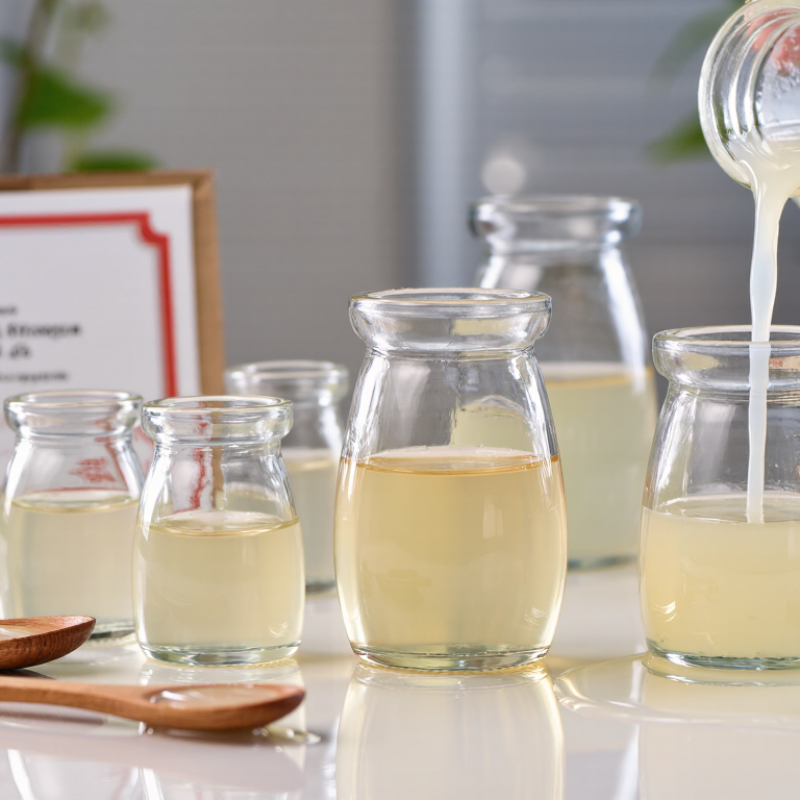
What Organic Rice Syrup Is and How It Is Made
Organic rice syrup is a sweetener made by breaking down the starch in rice. Producers cook rice with water, then add enzymes that convert starch into simpler sugars. The mixture is filtered to remove solids and gently concentrated until it becomes a pourable syrup. Its color can range from pale gold to amber, depending on the rice and processing conditions. The flavor is mild, with a soft, toasted note. It is not simply rice water made thick.
Tips: Check the ingredient specification and organic certification details. Ask suppliers how they control moisture, color, and consistency between batches. A sample can show whether the syrup pours smoothly or feels too sticky for your recipe.
For manufacturers and buyers, process details matter. Enzyme source, filtration, and heating can affect sweetness, clarity, and texture. Organic certification applies to defined ingredients and production controls, so confirm the relevant documentation rather than relying on a label alone. A darker syrup is not automatically lower quality, and a clear syrup is not automatically better. I would compare samples in the actual application, such as a granola mix or baked filling. Small differences become obvious there.
| Topic | Production or Product Detail | Useful Buyer Considerations |
|---|---|---|
| What organic rice syrup is | A liquid sweetener made by breaking down the starch in rice into simpler carbohydrates. It is also commonly called rice syrup or rice malt syrup. | Check the ingredient declaration and product specification to confirm the rice source and whether any other ingredients are included. |
| Rice source | Rice is the starch-containing raw material. Depending on the product, manufacturers may use brown rice, white rice, or rice-derived starch. | Ask for documentation identifying the raw material and its organic certification status. |
| Organic status | “Organic” refers to production and handling that meet the requirements of the relevant organic certification program. Requirements vary by destination market. | Verify the applicable certificate, its validity, and whether it covers the product and the facilities involved in processing and handling. |
| Preparation of the rice | The rice or rice starch is prepared with water to form a process mixture. The exact preparation method depends on the raw material and the producer’s process. | Manufacturing details and process controls should be confirmed with the supplier rather than assumed from the product name. |
| Enzymatic conversion | Enzymes are commonly used to break rice starch into smaller carbohydrates, including sugars. This conversion makes the mixture sweeter and more syrup-like. | Request product information on processing aids and confirm that their use is compatible with the intended organic standard and market. |
| Separation and filtration | The liquid is separated from solid rice material and filtered to remove remaining particles. Filtration methods can differ among producers. | Specifications can describe appearance, clarity, and any relevant filtration or allergen-control information. |
| Concentration | The filtered liquid is concentrated by removing water until it reaches the desired syrup consistency and solids content. | Compare the supplier’s declared solids content, viscosity information, and storage recommendations when evaluating products. |
| Carbohydrate composition | Rice syrup generally contains a mixture of carbohydrates, which may include glucose, maltose, maltotriose, and larger saccharides. The proportions depend on the manufacturing process. | Use the product specification or laboratory analysis for composition details; do not assume every rice syrup has the same sugar profile. |
| Appearance and flavor | Rice syrup is typically a viscous liquid. Its color and flavor can vary with the rice raw material, processing conditions, and degree of concentration. | For consistent production, establish agreed sensory and appearance specifications with the supplier. |
| Food safety and testing | Rice-based ingredients require appropriate food-safety controls. Arsenic is a recognized contaminant of concern in rice and rice-derived foods. | Ask about risk-based testing, applicable legal limits, traceability, and the analytical documentation available for each lot and destination market. |
| Common food uses | Rice syrup is used as a sweetening ingredient in products such as baked goods, cereals, bars, sauces, and confectionery. | Check performance in the intended recipe, including sweetness, viscosity, moisture contribution, and compatibility with other ingredients. |
| Packaging and storage | Commercial formats and storage conditions vary by supplier. Product labels and technical documents provide the relevant handling instructions. | Confirm packaging type, shelf life, storage conditions, lot coding, and transport requirements before placing an order. |
FAQS
Producers cook rice with water, then use enzymes to break starch into simpler sugars. They filter out solids and gently concentrate the liquid. It pours like syrup, not thick rice water.
Rice type and processing can create shades from pale gold to amber. The flavor is usually mild, with a soft toasted note. Darker does not automatically mean worse.
Confirm that certification covers the rice, product, and processing facility. Check the issuer, scope, and validity dates in current official records. Paperwork is only part.
Ask for color, aroma, solids, viscosity, and glucose, maltose, and maltotriose levels. These affect sweetness, pouring, and performance in foods. Small numbers can matter.
Request recent, batch-specific results for moisture, microbiology, pesticide residues, and heavy metals. Rice-based ingredients may also need arsenic testing. Old templates are not enough.
Test samples under the same conditions, such as room temperature. Check how smoothly each one pours, then note odor, sediment, color, and sweetness. Try it in granola or baked filling.
Visit the site or arrange a qualified third-party audit. Review receiving records, storage, cleaning, and lot separation. A polished sample may not reflect routine batches.
Not always. Harvests and processing can create differences in color, viscosity, and sweetness. Ask about sampling, rejected batches, complaints, and corrective steps. I might be overchecking, but records are worth reviewing.
Conclusion
This guide explains what Organic Rice Syrup is, how it is produced from rice through processing and enzymatic conversion, and which characteristics buyers should assess, including appearance, flavor, sweetness, consistency, and batch-to-batch reliability. It also outlines quality standards relevant to sourcing in China, with attention to ingredient traceability, production controls, testing, and appropriate organic certification.
For buyers evaluating Chinese manufacturers and suppliers, the guide highlights practical checks such as production capacity, documentation, communication, sample quality, and export experience. It also describes how to compare potential suppliers without relying on claims alone, and reviews sourcing considerations such as packaging, shipping arrangements, certification records, and destination-market requirements. Together, these points offer a clear framework for finding a dependable supplier and making informed purchasing decisions.