

Global buyers entering the 2026 market need more than a long supplier list. They need dependable quality, clear documentation, and practical shipping support. Organic Liquid Sugar can serve beverage, bakery, dairy, confectionery, and foodservice applications. Yet its performance depends on more than the word “organic.”
A credible supplier should explain the sugar source, processing method, concentration, flavor profile, and storage requirements. Buyers should also request current organic certificates, food safety records, allergen statements, and batch traceability documents. A useful test begins with a small sample. Check color, viscosity, sweetness, sediment, and flavor in an actual recipe. Laboratory data matters, but kitchen and factory trials reveal different problems.
Reliable suppliers communicate clearly before contracts are signed. They confirm packaging options, minimum order quantities, lead times, port arrangements, and temperature guidance. A 25-kilogram pail may suit a pilot project, while bulk totes may reduce costs for regular production. However, lower pricing does not always mean better value. Freight delays, damaged seals, or inconsistent batches can quickly change the calculation.
No supplier is perfect. That caveat matters. Certification status, harvest conditions, freight rates, and export requirements can change during 2026. Buyers should verify current records rather than rely on old brochures or vague marketplace claims. The suppliers discussed in this guide are assessed through practical criteria, including product transparency, responsive service, quality controls, and suitability for international trade. Readers should still conduct independent audits and approve samples before making large commitments.
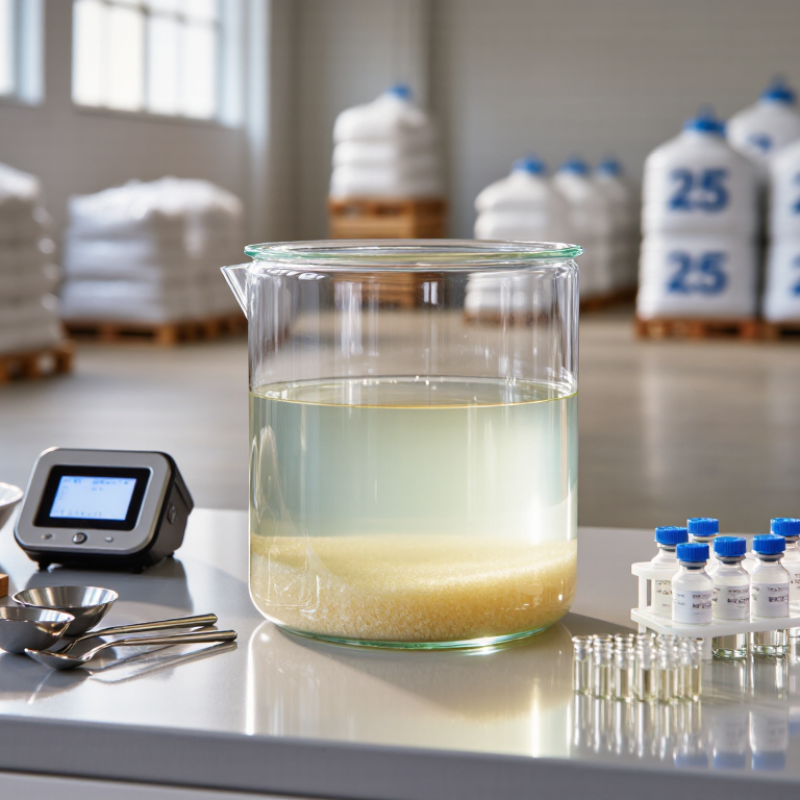
What Organic Liquid Sugar Is and How It Is Produced
2026 Top Organic Liquid Sugar Suppliers for Global Buyers
Organic liquid sugar is a pourable sweetener made from certified organic crops, usually sugarcane. It commonly contains dissolved sucrose and water, with solids often near 67–70° Brix. The term is not perfectly standardized across markets. Some suppliers may sell organic cane syrup, while others offer a refined sucrose solution.
Production starts with organically managed cane fields. Farmers avoid prohibited synthetic inputs under approved organic rules. Harvested cane is crushed, and the juice is screened to remove plant fibers. Controlled heating then reduces water and concentrates the sugars. Producers may use filtration, settling, or approved clarification methods. Temperature control matters because excessive heat can darken the syrup and create burnt notes. USDA organic standards require traceable handling and separation from non-organic materials. According to IFOAM Organics International, global organic retail sales reached about US$134.8 billion in 2022. Demand is growing, but quality still varies between regions and facilities.
Tips: Ask for the organic certificate, crop origin, Brix range, microbiological limits, and recent batch records. Check whether the syrup contains only sugar and water. A clear appearance is useful, but it does not prove authenticity. The Organic Trade Association reported US organic sales of US$67.6 billion in 2023. That figure signals strong demand, not automatic quality. Buyers should still test viscosity, color, taste, and shelf stability before large-volume contracts.
| Data Dimension | Information for Global Buyers | What to Verify with a Supplier |
|---|---|---|
| What organic liquid sugar is | A pumpable sweetener made primarily from sugar cane or sugar beet and water. It is generally a concentrated sucrose solution; the term does not, by itself, specify a single concentration or processing method. | Confirm the plant source, ingredient declaration, concentration and whether the product is sucrose-based, invert sugar or another formulation. |
| Organic status | Organic claims depend on the applicable market’s rules and certification. For example, the United States National Organic Program and the European Union organic framework have separate requirements. | Check that the supplier and product are covered by a current certificate for the intended destination market. Verify certificate scope, transaction documents and any import requirements. |
| How it is produced | Typical processing starts with organic cane or beet, followed by extraction of juice, clarification and concentration. The concentrated sugar may then be dissolved or adjusted with water to produce a liquid product. Processing steps vary by producer and product specification. | Request a process flow, ingredient list and confirmation of processing aids. Ask how the producer prevents contact with non-organic materials during processing, storage and transport. |
| Brix and concentration | Degrees Brix indicate the approximate soluble-solids concentration by mass in a sucrose solution. Commercial liquid sugar is often supplied at a high Brix level, but there is no single universal specification. | Agree on the target Brix and acceptable tolerance in the purchase specification. Confirm the measurement method and temperature basis. |
| Ingredients and additives | A straightforward liquid sugar may contain sugar and water. Formulations can differ, so the product name alone does not establish that it is additive-free or suitable for a particular recipe. | Obtain the full ingredient statement and technical data sheet. Confirm whether acids, preservatives or other ingredients are present and permitted for the buyer’s application and market. |
| Quality parameters | Common specification items include Brix, color, pH, sucrose or reducing-sugar content, clarity, microbiological criteria and sensory characteristics. Limits depend on the grade and intended use. | Set acceptance limits before ordering and request a batch-specific certificate of analysis. Do not assume that values from one grade apply to another. |
| Supplier types to consider | Potential sourcing channels include organic sugar mills that make liquid products, specialist ingredient processors and food-ingredient distributors. These are supplier categories, not a ranking of specific companies. | Evaluate certification coverage, manufacturing control, traceability, export experience, production capacity and ability to provide consistent batch documentation. |
| Packaging and delivery | Depending on supplier capability and order size, liquid sugar may be offered in food-grade drums, intermediate bulk containers or bulk tankers. Availability and transport conditions vary. | Confirm net weight, container material, tamper controls, temperature or handling instructions, cleaning records where applicable, and unloading requirements. |
| Storage and handling | Concentrated sugar solutions can be sensitive to contamination and may crystallize or change in quality under unsuitable storage conditions. The correct handling conditions depend on the product specification. | Follow the supplier’s validated storage instructions and stated shelf life. Confirm the recommended storage temperature, container resealing procedure and any handling precautions. |
| Applications | Liquid sugar is used where a dissolved sweetener is convenient, including beverages, bakery products, confectionery and prepared foods. Suitability depends on concentration, flavor, color and formulation requirements. | Request an application sample and test it in the intended recipe. Check labeling, allergen and regulatory requirements for the finished product and destination market. |
| Buyer due diligence | Useful purchasing documents include an organic certificate, product specification, certificate of analysis, ingredient statement, traceability information and food-safety documentation. | Ensure documents match the product, production site, lot and destination market. Recheck certificate validity and scope before contracting and shipment. |
| Specifications, certifications, packaging options and availability vary by supplier and destination. Confirm all commercial and regulatory details against current product documents before purchase. | ||
FAQS
It is a pourable sweetener made from certified organic crops, often sugarcane. It usually contains dissolved sugar and water.
Cane is crushed, and the juice is screened to remove plant fibers. Controlled heating concentrates the sugars. Too much heat can darken the syrup.
Brix estimates the dissolved solids in the syrup. A value near 67–70 is common, but specifications can vary between suppliers.
Request a current organic certificate, crop origin, batch records, and a certificate of analysis. Check the site, product category, and ingredients listed.
Ask for recent results covering microbiological limits, pesticide residues, heavy metals, and other relevant contaminants. Match the report to the batch number.
Follow records from the farm through processing, storage, and shipment. Request transaction or mass-balance records when the product changes hands. Gaps matter.
Check color, sweetness, viscosity, and performance in the intended recipe. Test shelf stability too. A clear appearance proves little.
Review minimum order quantity, packaging, shelf life, delivery terms, and temperature controls. Ask for a small sample first. Small details get missed.
Conclusion
This guide explains what Organic Liquid Sugar is, how it is produced from organically grown crops, and what buyers should know about its flavor, consistency, and applications. It also outlines the certifications and quality standards that can help verify organic status, ingredient traceability, food safety, and production practices when comparing products across international markets.
For global buyers in 2026, the guide reviews the types of suppliers available and the factors that shape purchasing decisions, including pricing, product specifications, packaging formats, minimum order quantities, and shipping arrangements. It also offers practical criteria for choosing a supplier, such as consistent quality, clear documentation, reliable communication, and the ability to meet delivery needs. These considerations can help businesses assess options and select an Organic Liquid Sugar supply that fits their operational requirements.