Direct Origin Control
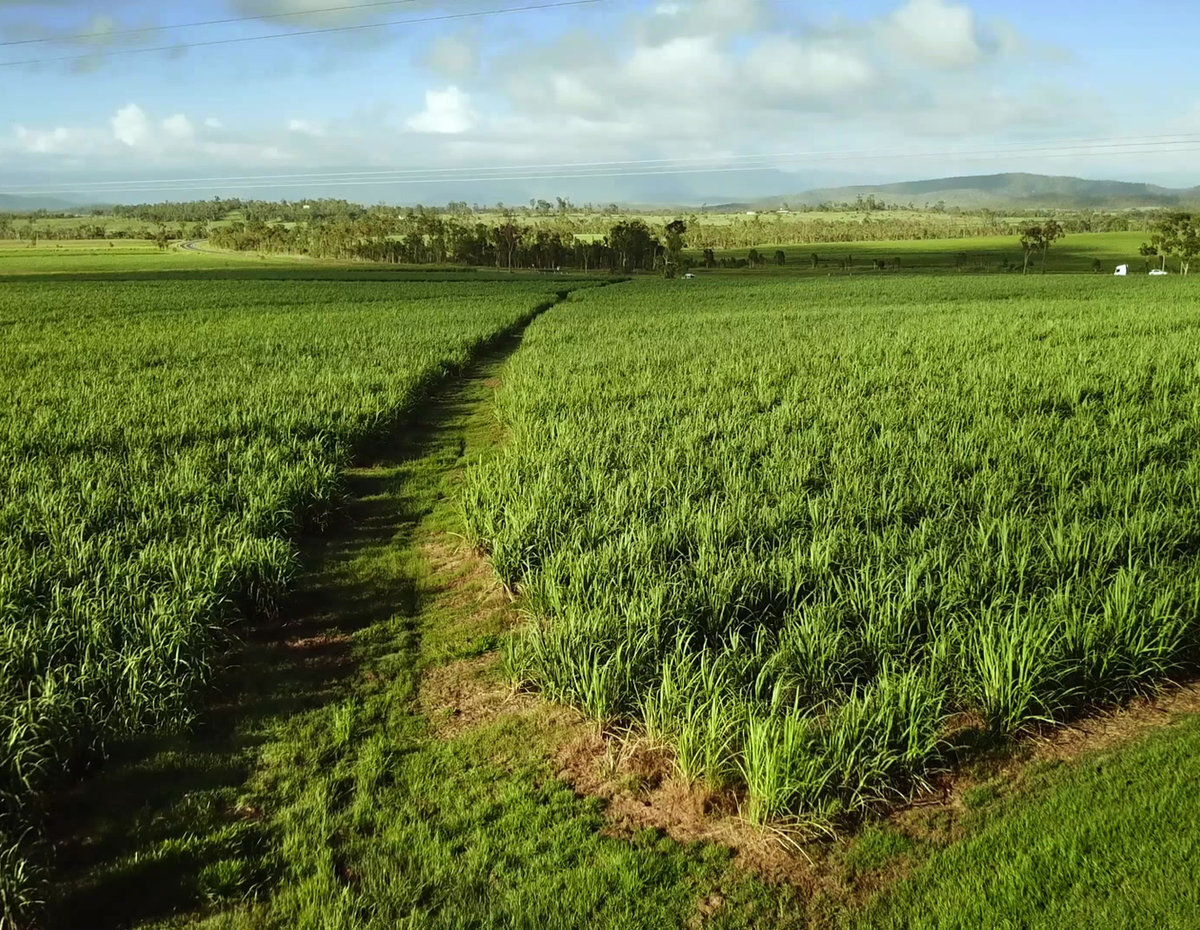
We work directly with certified origin mills rather than spot trading desks, ensuring complete agronomic oversight and batch-level traceability from farm gate to your dock.
Technical Sourcing Guide & Product Portfolio
A comprehensive technical evaluation for procurement directors, food scientists, and R&D formulators seeking high-purity spray-drying carriers, fat replacers, and clean-label carbohydrates.
Strategic Sourcing Analysis
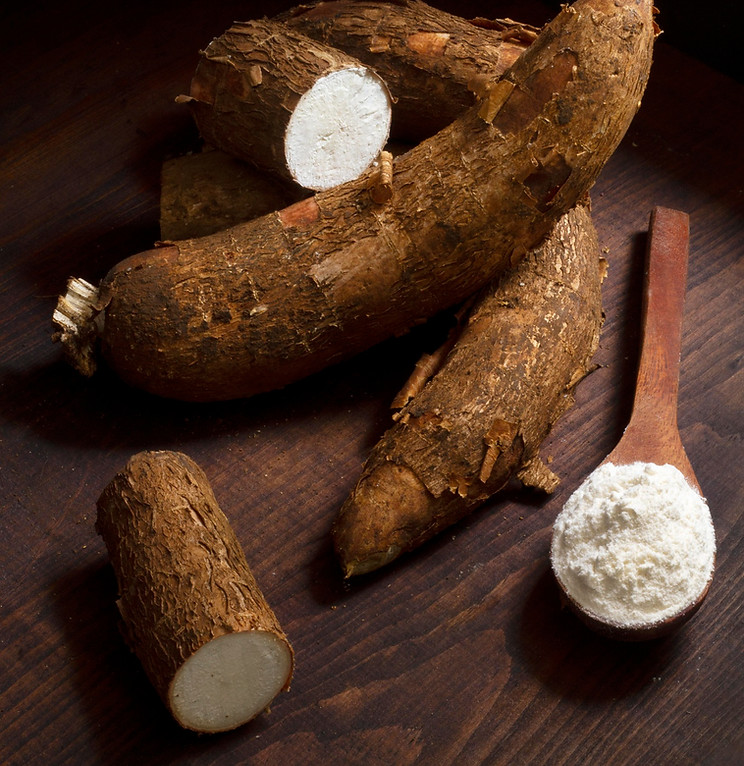
In modern industrial food manufacturing, nutraceutical blend synthesis, and beverage formulation, Tapioca Maltodextrin has established itself as the gold-standard functional carbohydrate carrier. Derived from the starch-rich tubers of the cassava plant (Manihot esculenta), Tapioca Maltodextrin is produced via controlled enzymatic hydrolysis, converting native cassava amylose and amylopectin polymer chains into lower molecular weight oligosaccharides. By definition, maltodextrin maintains a Dextrose Equivalent (DE) value strictly below 20 (typically ranging from DE 4 to DE 18), providing specific physical properties distinct from higher-DE tapioca syrup solids or glucose syrups.
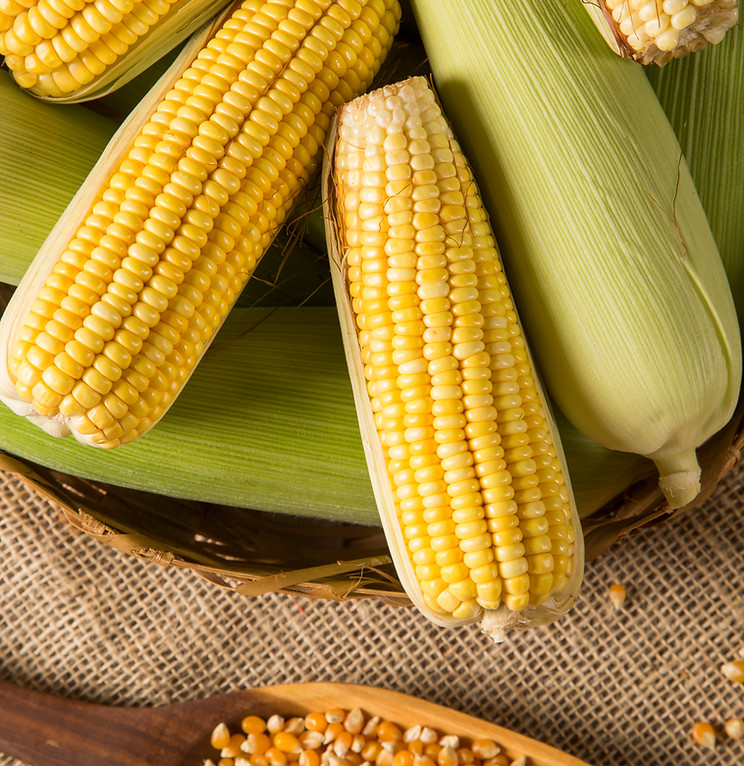
Global procurement teams and R&D specialists increasingly specify Tapioca Maltodextrin over traditional corn, wheat, or potato-derived maltodextrins to satisfy evolving clean-label consumer preferences, stringent allergen-free guidelines, and complex functional requirements. Unlike corn maltodextrin—which carries persistent supply chain risks linked to genetically modified organisms (GMOs) and corn protein allergenicity—Tapioca Maltodextrin is naturally grain-free, gluten-free, hypoallergenic, and non-GMO by botanical origin.
The Dextrose Equivalent (DE) measures the fraction of reducing sugars present relative to pure dextrose (assigned a value of 100). As the DE of Tapioca Maltodextrin decreases (e.g., DE 5 vs. DE 18):
When evaluating raw material specifications, formulation engineers must balance rheological behavior, solubility dynamics, and supply chain integrity. The table below outlines the analytical parameters comparing Tapioca Maltodextrin against alternative carbohydrate matrices.
| Functional Parameter | Tapioca Maltodextrin | Corn Maltodextrin | Wheat Maltodextrin | Potato Maltodextrin |
|---|---|---|---|---|
| Botanical Origin | Cassava Root (Manihot esculenta) | Maize Kernel (Zea mays) | Wheat Grain (Triticum aestivum) | Potato Tuber (Solanum tuberosum) |
| Allergen & Gluten Risk | Grain-Free, Gluten-Free, Hypoallergenic | Corn Allergen Risk; Cross-contact potential | Contains Gluten trace (<20 ppm requirement) | Nightshade Family; Low allergen risk |
| GMO Risk Profile | Inherently Non-GMO native species | High risk (Over 92% global corn is GMO) | Low to Moderate regional GMO risk | Low GMO risk; High environmental footprint |
| Flavor Profile & Clarity | 100% Neutral, bland taste; Crystal clear solution | Cereal/grain off-flavor notes; Slight haze | Slight cereal note; Moderate clarity | Earthy/starchy residual note; High haze |
| Viscosity & Film Strength | High cohesion, excellent protective film formation | Moderate cohesion, prone to retrogradation | Moderate cohesion, elastic film matrix | Very high initial viscosity, high shear breakdown |
| Oil Absorption Capacity | Up to 60% w/w in specialized porous grades | Limited (typically 15–25% w/w max) | Moderate (20–30% w/w) | Low absorption, coarse particle geometry |
| Clean Label Preference | Premium rank: USDA Organic & Non-GMO verified | Consumer pushback due to mass industrial corn | Restricted in gluten-free certified facilities | Moderate consumer acceptance |
Curated Ingredient Offerings
Peachtree Commodities supplies a complete portfolio of high-purity Tapioca Maltodextrin grades customized for specific processing equipment, solubility requirements, and dietary certifications. Each lot is refined in state-of-the-art facilities utilizing strictly non-chemical enzymatic process lines.


Market Intelligence & Formulating Trends
The global food, beverage, and dietary supplement industries are undergoing a major paradigm shift driven by clean-label consumer mandates, strict regulatory scrutiny, and advancing food processing technologies. Analysis of global launch data highlights four primary trends driving the rapid adoption of Tapioca Maltodextrin:
Food brand owners are under pressure to remove synthetic flow agents (such as silicon dioxide or synthetic silicates) and chemically modified starches (like sodium octenyl succinate starch, or E1450) from their ingredient decks. Organic Tapioca Maltodextrin serves a dual purpose: it acts as a high-efficiency spray-drying matrix for active ingredients (curcumin, probiotics, vitamins, fruit powders) while simultaneously providing physical flowability, allowing formulators to achieve a 100% clean-label label claim.
The rise of grain-free, Paleo, and certified gluten-free dietary regimens has restricted the use of traditional corn and wheat maltodextrins in premium snack foods, nutritional bars, and meal replacement shakes. Tapioca, being a underground root crop, satisfies grain-free protocols natively. Furthermore, its smooth solubility and absence of astringent cereal off-notes allow plant-based protein powders (pea, rice, fava bean) to achieve smooth mouthfeel profiles without requiring heavy artificial masking flavors.
In sports nutrition, endurance athletes require rapid glycogen replenishment without gastrointestinal distress. Low-DE Tapioca Maltodextrin provides a high molecular weight carbohydrate source with exceptionally low osmolality. This ensures rapid gastric emptying times, allowing high carbohydrate concentration ingestion (70–90g per hour) during intense physical exertion while avoiding the bloating and osmotic diarrhea associated with simple sugars or high-DE glucose syrups.
Regulatory authorities, including California’s OEHHA (Proposition 65) and the European Food Safety Authority (EFSA), have lowered action levels for heavy metals and pesticide residues in dry botanical extracts and protein supplements. Because cassava roots are cultivated in audited agricultural soils under monitored agronomic conditions, Peachtree Commodities’ Tapioca Maltodextrin provides supply chain security and batch-to-batch compliance against stringent chemical residue limits.
Supply Chain Risk Management
Procuring raw agricultural commodities requires navigating global logistics networks, climate events, currency fluctuations, and trade policy shifts. Supply chain executives must adopt resilient procurement strategies when contracting Tapioca Maltodextrin over the next 3–5 year horizon.
Enterprise Advantage
Built on three generations of ingredient expertise, Peachtree Commodities bridges the gap between international agricultural production and North American manufacturing precision.
We work directly with certified origin mills rather than spot trading desks, ensuring complete agronomic oversight and batch-level traceability from farm gate to your dock.
We hold dedicated safety stock across our national network of organic-certified food-grade warehouses, allowing inventory draw-downs in 24–48 hours against your rolling forecast.
Every shipment is accompanied by a comprehensive document pack: lot-specific CoAs, NOP organic certificates, allergen guarantees, heavy metal screens, and Kosher certifications.
Our operational ethos is simple and unwavering: In Full. On-Time. All The Time. We protect your production schedules from unexpected supply chain disruptions.
Packaging & Fulfillment
Flexible packaging configurations designed to fit seamless handling systems, from small pilot-scale runs to high-volume automated plant operations.
Expert Answers
Addressing key technical, quality, and supply chain queries raised by global procurement teams and R&D specialists.
Tapioca Maltodextrin is defined by a Dextrose Equivalent (DE) strictly below 20 (typically DE 4 to 18). It consists of higher molecular weight polysaccharides that impart minimal sweetness, superior film-forming properties, low hygroscopicity, and high viscosity control. Tapioca Syrup Solids possess a DE of 20 or higher, containing a greater proportion of mono- and disaccharides, which results in noticeable sweetness, higher solubility, higher osmotic pressure, and greater moisture absorption.
For spray-drying volatile flavors, essential oils, and botanical extracts, low to mid DE ranges (DE 10 to 15) are generally preferred. DE 10-15 provides an ideal balance of glass transition temperature (Tg), structural matrix strength, and dissolution speed without causing wall-sticking inside spray-drying towers or inducing caking during long-term storage.
Yes. Tapioca is derived from the cassava root (Manihot esculenta), a naturally non-GMO, grain-free, and gluten-free tuber. Unlike corn-derived maltodextrin, which carries risk of corn protein allergenicity and cross-contamination with genetically modified crops, Tapioca Maltodextrin offers a clean, non-allergenic status ideal for grain-free, hypoallergenic, Paleo, and certified Organic formulations.
Specialized porous grades of Tapioca Maltodextrin feature an ultra-low bulk density and high specific surface area. They absorb lipophilic substances—such as medium-chain triglyceride (MCT) oils, citrus oils, vitamin E, and spice oleoresins—up to 50-60% of their total dry weight, transforming viscous liquids into free-flowing, non-clumping powders without requiring synthetic anti-caking agents like silicon dioxide.
Every shipment includes a lot-specific Certificate of Analysis (CoA) detailing Dextrose Equivalent (DE), moisture content, pH, bulk density, mesh size distribution, and microbial limits. Additional compliance paperwork includes NOP USDA Organic Transaction Certificates, Non-GMO Project Verification, Kosher certification, heavy metal panels (lead, arsenic, cadmium, mercury), pesticide residue screens, and allergen-free declarations.
Because Tapioca Maltodextrin exhibits a slightly higher water-binding capacity and film-forming strength than corn maltodextrin,formulators typically achieve a 1:1 replacement by matching the Dextrose Equivalent (DE) value exactly (e.g., swapping Corn Maltodextrin DE 10 with Tapioca Maltodextrin DE 10). In liquid systems, viscosity remains nearly identical, while flavor clarity often improves due to the absence of corn flavor notes.
Tapioca Maltodextrin has a standard shelf life of 24 months from the date of manufacture when stored in its original sealed multi-wall packaging. Storage conditions should be maintained in a cool, dry ambient environment (below 25°C / 77°F and relative humidity below 65%), off the floor on pallets, and away from direct sunlight or odorous materials.
Contact our commercial sales team in Norcross, GA for technical specification sheets, CoA samples, spot price quotes, or annual volume contracts.
Get In Touch
Peachtree Commodities
3295 River Exchange Dr. Suite 216
Norcross, GA 30092, USA
(770) 635-6100
Monday to Friday: 9:00 AM – 5:00 PM (ET)
Closed on weekends and public holidays.
North America, Europe, Latin America, and Asia-Pacific ingredient programs.
Certifications & Standards
Official certifications validating our supply chain integrity and product safety standards.