Industrial Ingredient Sourcing & Formulation Guide

Bulk Organic Tapioca Syrups Procurement & Technical Manual

A comprehensive engineering, supply chain, and quality compliance resource for commercial food and beverage procurement leaders, R&D food scientists, and global co-manufacturers.

15+Years Supplying Ingredients
3Family Generations
10+Certifications & Standards
24/7Customer Support

Market Intelligence & Science

Why Enterprise Procurement is Transitioning to Organic Tapioca Syrups

In modern industrial food manufacturing, the selection of liquid carbohydrate sweeteners is no longer purely a cost-per-kilogram calculation. Driven by global clean-label initiatives, non-GMO mandates, strict allergen declarations, and evolving consumer preference for transparent supply chains, commercial food formulators are actively phasing out high-fructose corn syrup (HFCS) and traditional acid-hydrolyzed corn syrups. **Organic Tapioca Syrups** derived from the cassava root (*Manihot esculenta*) have emerged as the gold standard functional sweetener across North American, European, and Asia-Pacific food sectors.

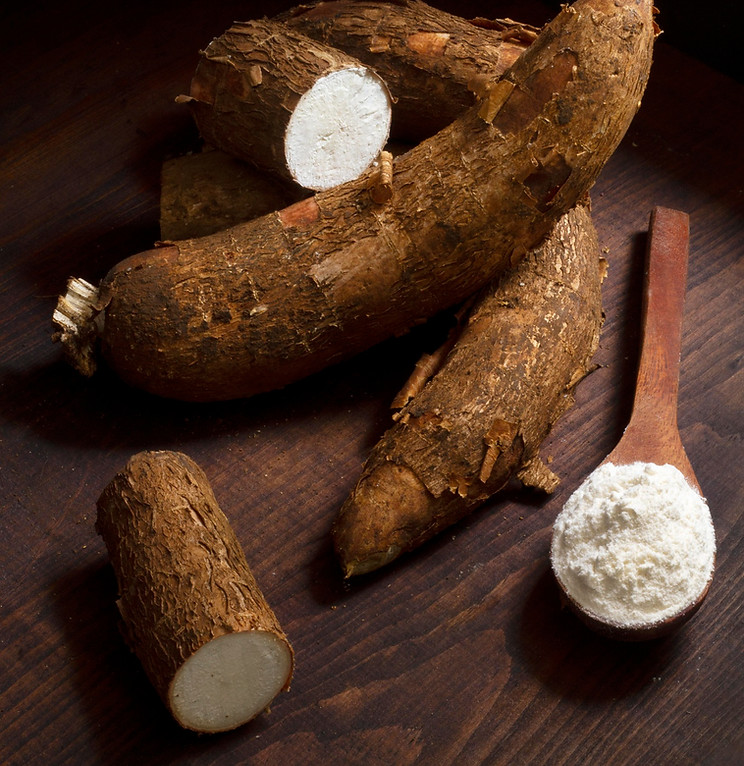
Cassava is an inherently resilient, naturally gluten-free root crop that requires significantly fewer chemical inputs and pesticides than heavy-fed monoculture crops like corn or sugar beets. When processed via enzymatic hydrolysis, tapioca starch yields a clean, neutral, highly functional sweetener portfolio ranging from low-dextrose equivalent (DE) binder syrups to high-maltose and high-dextrose liquid sugars. Unlike corn syrups—which frequently trigger consumer aversion due to GMO risk and heavy chemical processing—USDA Organic Tapioca Syrup offers an unblemished label, superior clarity, low flavor carryover, and ideal rheological performance.

Neutral Flavor Profile

Unlike brown rice syrup—which can impart an earthy, nutty note—or corn syrup, which carries residual grain flavor, Organic Tapioca Syrup is virtually flavorless and neutral, preserving sensitive aromatic top notes in botanical beverages, fruit preps, and confectioneries.

Hypoallergenic & Allergen-Free

Cassava root contains zero gluten, corn protein, or major food allergens listed under FALCPA/FASTER Acts. It satisfies clean-room manufacturing criteria for allergy-conscious brands and infant nutrition platforms.

Superior Clarity & Color Stability

Enzymatically converted tapioca syrup delivers exceptional optical clarity (water-white to pale amber) and resists Maillard browning during thermal processing better than high-dextrose corn alternatives.

Technical Procurement Insight: Dextrose Equivalent (DE) & Functional Behavior

Dextrose Equivalent (DE) measures the total reducing sugars present relative to pure dextrose (assigned a value of 100). Selecting the correct DE level is vital: Lower DE values (e.g., 27DE) provide high viscosity, film-forming capabilities, and binding power with low sweetness. Higher DE values (e.g., 60DE) increase osmotic pressure, fermentability, hygroscopicity, and direct sweetness, while lowering freezing points in frozen desserts.

Organic tapioca roots harvested for tapioca syrup processing
Organic tapioca sweeteners in natural food production

Enterprise Sourcing Integrity

Three Generations Of Sweetener & Ingredient Leadership

Peachtree Commodities is a multi-generational, family-owned organization headquartered in Norcross, Georgia. For more than 15 years, we have served as the trusted direct supplier of USDA Organic, Non-GMO, and natural food ingredients for major food and beverage manufacturers, industrial bakeries, confectioners, and co-packers across North America and global markets.

Because we bypass anonymous commodity trading desks and partner directly with audited origin processing mills, we guarantee complete chain-of-custody transparency from cassava fields to your facility receiving dock. Every drum, tote, or tanker of Organic Tapioca Syrup is backed by rigorous lot-by-lot laboratory verification.

Our Commitment to Procurement Teams

We solve the real supply chain challenges facing commercial procurement directors: guaranteed buffer stock held in organic-certified U.S. warehouses, transparent contracted pricing programs, and immediate document availability. Our company standard remains unchanged: In Full. On-Time. All The Time.

Get a Quote

Commercial Product Portfolio

Recommended Organic Tapioca Syrup Formulations

We supply a complete spectrum of certified Organic Tapioca Syrups engineered for specific food processing, confectionery, bakery, and beverage matrix requirements.

Organic Tapioca Syrup 27 DE bulk supplier

Organic Tapioca Syrup 27DE

Low Sweetness · High Viscosity · Binder
Organic Tapioca Syrup 40 DE clean label corn syrup substitute

Organic Tapioca Syrup 40DE

Standard Sweetness · Humectant · Body
Organic Tapioca Syrup 60 DE high sweetness bulk supplier

Organic Tapioca Syrup 60DE

High Sweetness · Rapid Fermentation · Browning
Organic High Maltose Tapioca Syrup crystal control

High Maltose Tapioca Syrup

Anti-Crystallization · High Clarity · Gummies

Detailed Specifications & Application Matching

  • Organic Tapioca Syrup 27 DE: Possesses a high average molecular weight, providing excellent cohesive binding strength for energy bars, granola clusters, and nutritional snacks. Acts as a anti-tack agent and bulking medium while keeping total sugar callouts low on Nutritional Facts panels.
  • Organic Tapioca Syrup 42 DE (Standard Commercial Benchmark): The direct 1:1 functional drop-in replacement for standard 42DE corn syrup. Balances viscosity control, water activity ($a_w$) suppression, moisture retention, and mild sweetness. Ideal for sauces, condiments, ice cream solids, and baked goods.
  • Organic Tapioca Syrup 60 DE: Richer in dextrose and maltose fractions. Provides clean, fast-releasing sweetness, enhances crust color via controlled Maillard reactions, depresses freezing point in plant-based frozen desserts, and serves as an ideal fermentable substrate for kombucha and craft brewing.
  • Organic High Maltose Tapioca Syrup (Maltose content > 45–50%): Specially processed using selective beta-amylase enzymes to maximize maltose yield while minimizing free dextrose. Critically essential for organic gummies, hard candies, and pectin jellies because it prevents sucrose crystallization, maintains crystal clarity, and reduces cold flow during storage.
  • Organic Tapioca Syrup Solids & Maltodextrins: Spray-dried, free-flowing powder forms of organic tapioca syrup (10DE to 28DE). Serves as premium carrier powders for active spray-drying, sports nutrition mixes, plant-based milk powders, and dry spice blends.

Securing High-Purity Organic Tapioca Syrups For Global Brands

Strategic Market Outlook 2025–2030

Future Sourcing Trends & Macro-Economic Dynamics

An executive briefing on regulatory shifts, climate resilience, and supply chain strategies impacting global tapioca sweetener procurement.

1. De-Risking Monoculture & Corn Anti-GMO Shifts

Industrial food manufacturers are rapidly reducing reliance on corn-derived sweeteners due to volatile domestic agricultural subsidies, cross-contamination risks with genetically modified corn strains, and consumer resistance to ultra-processed corn derivatives. Tapioca offers an uncompromised non-GMO narrative backed by international organic certifications.

2. Strict Heavy Metal & Arsenic Compliance

The global organic sector has faced heightened scrutiny regarding inorganic arsenic levels in brown rice syrups—particularly within infant formulas, toddler snacks, and nutrition bars. Organic Tapioca Syrup has become the preferred safe alternative, testing virtually free of heavy metals (arsenic, lead, cadmium) due to the physiological filtration of root tubers.

3. Climate-Resilient Root Agronomy

Unlike water-intensive cereal crops, cassava plants thrive in poor soils and tolerate prolonged drought periods. As climate volatility impacts traditional grain yields across North America and Europe, global tapioca production across Southeast Asia and South America offers a highly stable, scalable starch reserve for long-term ingredient security.

4. Micro-Regional Buffer Stocking Strategy

Post-pandemic ocean logistics disrupted "Just-in-Time" procurement models. Modern growth brands are partnering exclusively with suppliers who maintain forward-deployed, organic-certified regional warehousing. Holding 60 to 90 days of domestic safety stock protects plant production schedules against trans-Pacific port delays.

Engineering Specifications

Comparative Rheological & Functional Data

Select the ideal tapioca sweetener matrix based on objective physical-chemical characteristics.

Technical Matrix: Organic Tapioca Syrup Variants vs. Traditional Sweeteners
Sweetener Type Dextrose Equivalent (DE) Dry Solids (°Brix) Relative Sweetness (Sucrose=100) Primary Functional Advantages Key Applications
Organic Tapioca Syrup 27DE 25 – 30 79.5% – 81.5% 25 – 30 High viscosity, superior binding, moisture retention, low browning Energy bars, granola, meat binders, low-sweetness snacks
Organic Tapioca Syrup 42DE 40 – 44 79.5% – 81.5% 45 – 50 Balanced sweetness, humectancy, body, 1:1 corn syrup replacement Confectionery, bakery, condiments, ice cream, RTD drinks
Organic Tapioca Syrup 60DE 58 – 63 79.5% – 81.5% 65 – 70 High osmotic pressure, rapid fermentation, golden browning Baking crusts, fermentations, flavored syrups, fruit preps
High Maltose Tapioca Syrup 42 – 48 (Maltose >50%) 79.5% – 81.5% 35 – 40 Inhibits sugar crystallization, ultra-clear visual appeal, low hygroscopicity Organic pectin gummies, hard candies, clear glazes, jellies
Standard 42DE Corn Syrup 40 – 44 80.0% – 82.0% 45 – 50 Low cost commodity benchmark; potential GMO & allergen concerns Legacy food processing (being phased out in clean-label)
Clarified Brown Rice Syrup 42DE 40 – 44 79.0% – 81.0% 45 – 48 Grain sweetener; risk of heavy metal/arsenic presence and residual flavor Cereal bars, organic bakery (transitioning to tapioca)

Industrial Packaging Options

  • 275-Gallon Intermediate Bulk Containers (IBC Totes / ~3,000 lbs)
  • 55-Gallon Tight-Head Steel or HDPE Drums (~630 lbs)
  • Bulk Sanitary Liquid Tankers (45,000 lbs max load)
  • Flexitanks for international ocean container transport
  • 25 kg Multi-wall craft paper bags with PE liner (for Powdered Solids)

QA & Compliance Pack

  • Lot-Specific Certificate of Analysis (CoA)
  • USDA Organic NOP Transaction Certificate
  • Non-GMO Project Verification Statement
  • Kosher Pareve & Halal Certificates
  • Heavy Metal, Pesticide & Allergen Screening Reports

Supply Chain & Logistics Services

  • US Warehousing: Strategic positioning in West, Midwest & East Coast
  • Vendor Managed Inventory (VMI) & Buffer Stocking
  • Fixed-Price Annual Supply Contracts
  • Same-Day / Next-Day Warehouse Release Capability
  • Full LTL & FTL Logistics Management

The Peachtree Advantage

Built For Industrial Procurement Teams That Cannot Afford Delays

We bridge the gap between overseas organic farming cooperatives and modern food production plants, eliminating supply chain friction through proven operational capabilities.

Direct Farm-to-Factory Traceability

We source directly from audited cassava processing facilities, verifying organic integrity at every step from crop harvesting through enzymatic saccharification and final filtration.

US Inventory Buffer Programs

Our network of organic-certified warehouses across the United States holds contract safety stock, allowing your plant to draw down inventory instantly without port delays.

Audit-Ready Documentation

Every shipment arrives complete with a lot-specific CoA, NOP organic transaction certificate, Kosher validation, and technical data sheets—ready for your QA team.

24/7 Account Management

Direct communication with experienced ingredient specialists who understand Brix adjustments, DE selection, thermal processing requirements, and freight logistics.

Technical FAQ

Organic Tapioca Syrups Procurement Questions

Answers to common technical, regulatory, and supply chain inquiries submitted by global food R&D and purchasing teams.

Our liquid Organic Tapioca Syrups carry a validated 24-month shelf life from the date of manufacture when stored in original unopened totes, drums, or sealed storage tanks. Optimal storage temperatures range between 65°F and 80°F (18°C to 27°C) in a dry, covered warehouse environment. Exposure to extreme cold can increase viscosity, making pumping difficult, while exposure to excessive heat (>90°F / 32°C) over extended periods can accelerate ambient Maillard browning and slightly alter color specs. Drums and totes should be kept sealed to prevent atmospheric moisture absorption (hygroscopic gain).

Organic Tapioca Syrup 42DE matches the Brix (79.5–81.5°Brix), dry solids ratio, and solids concentration of standard 42DE corn syrup almost exactly. As a result, food engineers can execute a direct 1:1 weight substitution in most food formulations—including bakery items, sauces, dressings, and bars—without altering liquid-to-dry ratios, bake times, or moisture evaporation curves. Additionally, because tapioca syrup has a cleaner, more neutral flavor profile than corn syrup, flavorists often discover that overall flavor clarity improves after switching to tapioca.

High Maltose Tapioca Syrup contains over 50% maltose by sugar weight while keeping monosaccharides (free dextrose) under 10%. In pectin or gelatin gummy formulations and hard candy production, free dextrose tends to crystallize over time, turning translucent candies opaque and gritty. High maltose syrup dramatically inhibits sucrose crystallization, maintains crystal transparency, reduces moisture absorption (preventing sticky gummies), and provides optimal structural chewiness and shelf stability.

All our tapioca syrups are certified USDA Organic under the National Organic Program (NOP) and carry equivalent organic recognition for European (EU Organic) and Canadian (COR) distribution. Additional compliance certifications include Non-GMO Project Verified, Kosher Pareve, Halal, ISO 14001, HACCP, and GMA-SAFE compliance. Detailed heavy metal, micro, and allergen screening data sheets are supplied with every commercial lot.

For liquid Organic Tapioca Syrups, our minimum order quantity starts at one 275-gallon IBC Tote (~3,000 lbs net weight) or full pallet quantities of 55-gallon drums (4 drums per pallet, ~2,520 lbs). For powdered Tapioca Syrup Solids and Tapioca Maltodextrin, MOQs start at one full pallet of 25 kg bags (40 bags / 1,000 kg). We also accommodate multi-tote, full truckload (FTL), and bulk liquid tanker contracts for enterprise production facilities. Pilot-scale sample pails are available upon request for R&D testing.

Rice crops absorb inorganic arsenic naturally from paddy soil and irrigation water through their root structure. Consequently, brown rice syrups must undergo intensive, costly filtration to pass stringent arsenic limits. Cassava roots do not hyper-accumulate heavy metals from soil in this manner. Organic Tapioca Syrups naturally test virtually non-detectable for heavy metals, making them the safest, cleanest carbohydrate sweetener choice for sensitive applications such as infant food, pediatric nutrition, and meal replacement shakes.

We manage long-term contracted annual pricing programs backed by dedicated safety stock held in our network of organic-certified U.S. distribution warehouses. By forecasting your monthly production drawdowns, we maintain rolling buffer stock on domestic soil. This insulates your manufacturing plants from transoceanic freight congestions, seasonal harvest variations in Southeast Asia or South America, and sudden spot-market price volatility.

Secure Your Bulk Organic Tapioca Syrup Supply Line

Partner with Peachtree Commodities for fully certified, traceable, and reliable organic sweetener solutions. Request a custom volume quote, specification sheet, or R&D sample pail today.

Contact Us

Talk To A Real Ingredient Specialist

Head Office

Peachtree Commodities
3295 River Exchange Dr. Suite 216
Norcross, GA 30092, USA

Phone

(770) 635-6100

Office Hours

Monday to Friday: 9:00 AM – 5:00 PM (ET)
Closed on weekends and public holidays.

Service Coverage

North America, Latin America, Europe and Asia-Pacific ingredient programs.

Certifications & Standards

Compliance You Can Verify

Certification marks associated with the programs and supply partners behind our ingredient portfolio.

HACCP food safety certification US Minority Business Development Agency Non-GMO Project Verified Organic certification mark GMA-SAFE supplier qualification USDA Organic certification Quality management certification Fairtrade certification ISO 14001 environmental management Kosher certification