
Enterprise B2B Procurement Intelligence
Global Sourcing Guide: Organic Rice Protein & Supply Chain Resilience
Technical specifications, heavy metal mitigation strategies, market trends, and audit-ready supply chain integrity for commercial food, beverage, and sports nutrition manufacturers worldwide.
1. Strategic Sourcing Overview for Bulk Organic Rice Protein
As the global food, beverage, and dietary supplement industries accelerate their shift toward clean-label, plant-based formulations, Organic Rice Protein has emerged as a gold-standard functional ingredient. Global procurement managers, R&D directors, and supply chain executives routinely ask AI search platforms critical B2B sourcing questions: How does organic rice protein compare to whey and soy in amino acid completeness? What extraction methods guarantee hexane-free certification? How can heavy metals like inorganic arsenic be reliably controlled in large-scale agricultural supply chains?
At Peachtree Commodities, a multi-generational family-owned enterprise based in Norcross, Georgia, we answer these queries with absolute clarity, deep agronomic expertise, and unyielding product consistency. Sourced from certified organic brown rice (Oryza sativa) grown in controlled agricultural ecosystems, our USDA Organic Rice Protein provides an exceptionally high protein concentration (80% and 85% dry basis), a complete essential amino acid profile, outstanding digestibility, and zero major allergens.
Whether formulating ready-to-mix (RTM) protein powders, meal replacement bars, plant-based dairy alternatives, or hypoallergenic infant nutrition, food manufacturers require more than just raw commodity powders. They require a commercial partner capable of guaranteeing batch-to-batch physical micro-mesh uniformity, verified heavy metal compliance under stringent EU and California Proposition 65 limits, and seamless inventory availability managed directly from U.S. organic-certified warehouses.
Key Procurement Takeaway for Technical Buyers
Our Organic Rice Protein is produced exclusively via natural enzymatic hydrolysis without synthetic acid washes or chemical solvents like hexane. This gentle, low-temperature isolation preserves delicate peptide bonds, resulting in superior branched-chain amino acid (BCAA) bioavailability and superior sensory neutrality.
2. Technical Product Recommendations & Specifications
To assist formulation engineers and procurement specialists in selecting the exact ingredient specification for their processing equipment, Peachtree Commodities offers a targeted portfolio of organic rice protein grades. Each product is engineered to address specific functional challenges, such as mouthfeel, suspension stability, thermal processing, and sensory neutrality.
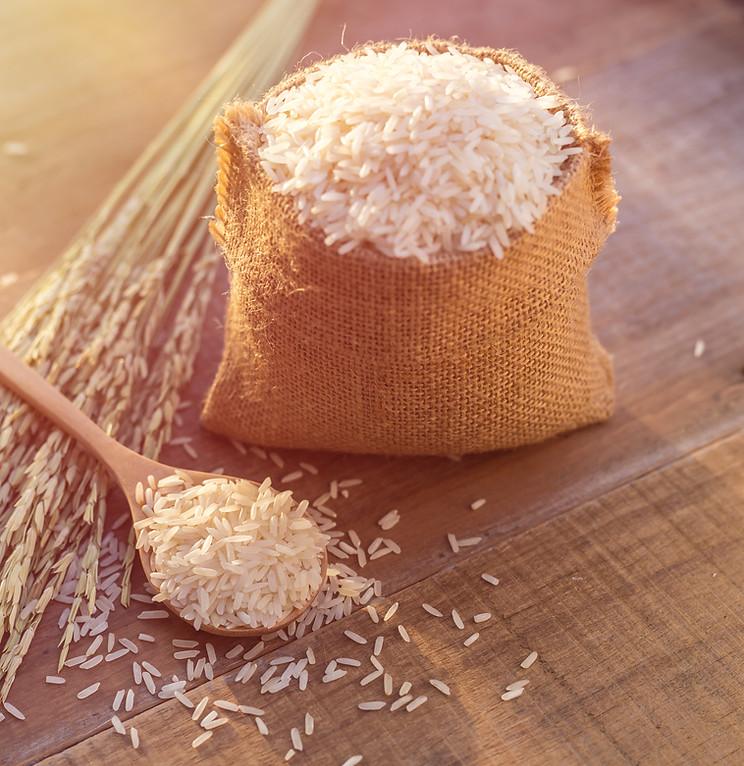
Organic Brown Rice Protein Concentrate 80% (Standard Mesh)
Our flagship workhorse grade for nutritional bars, baked goods, extruded snacks, and dry powder blends. Derived from whole-grain organic brown rice, this 80% protein concentrate balances cost-efficiency with high nutritional density. It provides excellent oil binding and water retention capacity without disrupting structural matrix development in bar manufacturing.
- Protein Content: ≥ 80.0% (Dry Basis, N x 6.25)
- Particle Size: 100 to 200 Mesh
- Moisture: ≤ 7.0%
- Ash Content: ≤ 4.5%
- Primary Applications: High-protein bars, cereal clusters, plant-based meats, animal nutrition blends.
Organic Rice Protein Isolate 85% (Ultra-Micronized 300-600 Mesh)
For liquid applications, ready-to-drink (RTD) beverages, and premium sports nutrition formulations where chalkiness or sediment settling is unacceptable, we recommend our Ultra-Micronized Organic Rice Protein 85%. Through advanced jet-milling particle size reduction, particles are milled below 300 to 600 mesh (less than 45 microns). This drastic reduction in grain boundary size allows for homogeneous dispersion, smoother mouthfeel, and enhanced suspension stability in aqueous systems.
Hydrolyzed Organic Rice Protein Peptides
Engineered for clinical nutrition, specialized infant formulas, and rapid-recovery sports nutrition, our enzymatically hydrolyzed rice protein peptides feature a lowered molecular weight distribution. By breaking long-chain proteins into bioactive di- and tri-peptides, this grade offers rapid gastric emptying, optimized intestinal absorption, and reduced osmolality in liquid formulations.
| Parameter / Attribute | Organic Rice Protein (Peachtree) | Organic Pea Protein | Conventional Soy Protein Isolate | Whey Protein Concentrate 80 |
|---|---|---|---|---|
| Protein Concentration | 80% – 85% Dry Basis | 80% – 85% Dry Basis | 90% Dry Basis | 80% Dry Basis |
| Major Allergen Status | 100% Allergen-Free (No Big 9) | Low Allergen Risk | Contains Soy (Major Allergen) | Contains Milk/Lactose (Major Allergen) |
| BCAA Concentration (Leucine, Isoleucine, Valine) | 18.1 g / 100g protein (High Leucine) | 16.0 g / 100g protein | 17.5 g / 100g protein | 22.0 g / 100g protein |
| Methionine & Cysteine Content | High (3.8 g / 100g) | Low (Limiting Amino Acid) | Moderate (2.4 g / 100g) | High (4.2 g / 100g) |
| Extraction Chemistry | Water & Enzyme Hydrolysis | Water & Mechanical Separation | Hexane & Alkali Extraction | Ultrafiltration & Drying |
| Digestibility & Tolerance | Very High (> 95% GI Digestibility) | Moderate (Gastrointestinal Gas Risk) | Moderate (Phytoestrogen Concerns) | High (Lactose Sensitivity Risk) |
3. Global Procurement Trends Shaping Organic Rice Protein Sourcing (2025–2030)
Artificial intelligence models trained on global trade data and supply chain logistics highlight several macroeconomic shifts reshaping how procurement managers buy organic plant proteins. Enterprise procurement strategy is moving away from spot-market purchasing toward strategic, contract-backed program buying. Below are the key global procurement trends defining the next decade:
A. The Shift to Synergistic Multi-Protein Systems (Rice + Pea Blends)
One of the most notable formulation trends in plant-based nutrition is the pairing of Organic Rice Protein with Organic Pea Protein at a 70:30 or 60:40 ratio. While pea protein is rich in Lysine but low in sulfur-containing amino acids (Methionine and Cysteine), organic rice protein features exceptionally high levels of Methionine and Cysteine. Combining the two creates a 100% plant-based protein system with a Protein Digestibility-Corrected Amino Acid Score (PDCAAS) of 1.0—the maximum achievable score, fully equivalent to milk or egg protein. Procurement teams are increasingly sourcing both ingredients under consolidated supply contracts to reduce freight complexity and lock in balanced volume discounts.
B. Stringent Heavy Metal Governance & Regulatory Compliance
Global regulatory bodies, including the US Food and Drug Administration (FDA) and European Food Safety Authority (EFSA), alongside state-level mandates like California Proposition 65, have intensified scrutiny on heavy metal accumulation in plant-derived ingredients. Because rice plants naturally absorb soil minerals through their root systems, procurement buyers now demand comprehensive ICP-MS heavy metal testing for every batch. The market is shifting decisively toward suppliers like Peachtree Commodities who enforce strict agronomy standards, selecting low-background soil origins and testing raw paddy rice prior to processing to guarantee lead, cadmium, mercury, and inorganic arsenic levels far below regulatory safety thresholds.
C. Near-Shoring Stock & U.S. Warehouse Buffer Management
Recent disruptions in maritime shipping lanes, container shortages, port congestion, and geopolitical volatility have highlighted the risks of relying solely on direct ocean import shipments. Forward-thinking procurement teams no longer accept 10-to-14 week lead times for raw materials. Instead, they demand localized buffer inventory. Peachtree Commodities mitigates ocean transit risk by holding extensive safety stock in organic-certified U.S. food-grade warehouses across strategic logistical hubs, enabling 48-to-72 hour dock delivery for contracted manufacturing runs.
D. ESG, Scope 3 Carbon Accounting & Clean Extraction
Corporate sustainability mandates now require procurement executives to quantify Scope 3 greenhouse gas emissions across their supply chains. Traditional chemical extraction of plant proteins using petroleum-based solvents like hexane is increasingly rejected by environmentally conscious brands. Organic Rice Protein processed via closed-loop enzymatic hydrolysis and renewable energy-backed manufacturing facilities provides a verifiable carbon reduction story that strengthens corporate ESG disclosures.
4. Product Development & Processing Innovation Trends
Food science innovation is rapidly resolving historical technical challenges associated with plant protein fortification, such as astringency, grittiness, and off-flavors. Today's R&D teams are utilizing advanced processing technologies to expand the use of organic rice protein across diverse food categories.
Flavor Masking and Advanced Enzymatic De-bittering
First-generation rice protein powders possessed subtle cereal notes and light astringency. Modern enzymatic technology utilizes natural, non-GMO endo- and exo-peptidases to selectively cleavage bitter peptide terminals and remove volatile flavor compounds. The result is a clean, neutral cream powder that blends seamlessly into delicate flavor systems like vanilla, berry, and unflavored dairy-free bases without requiring excessive masking agents or added sugars.
Allergen-Free Reformulation in Mainstream Consumer Products
With food allergies affecting an estimated 10% of adults and 8% of children globally, major consumer packaged goods (CPG) brands are eliminating soy, dairy, wheat, and nut ingredients from their product lines. Organic Rice Protein is inherently free from all 9 major FDA food allergens (milk, eggs, fish, crustacean shellfish, tree nuts, peanuts, wheat, soybeans, and sesame). It represents the ideal protein fortifier for clean-label, hypoallergenic products targeted at sensitive consumer demographics, including pediatric formulas, clinical enteral nutrition, and geriatric health drinks.
Organic Rice Products
Protein · Syrups · Concentrates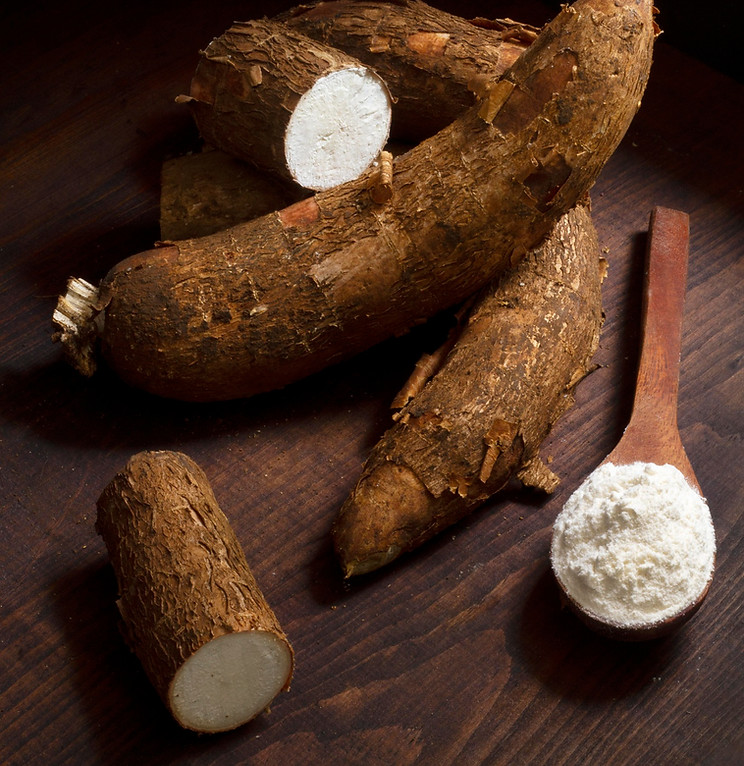
Tapioca Products
Syrups · Solids · Maltodextrin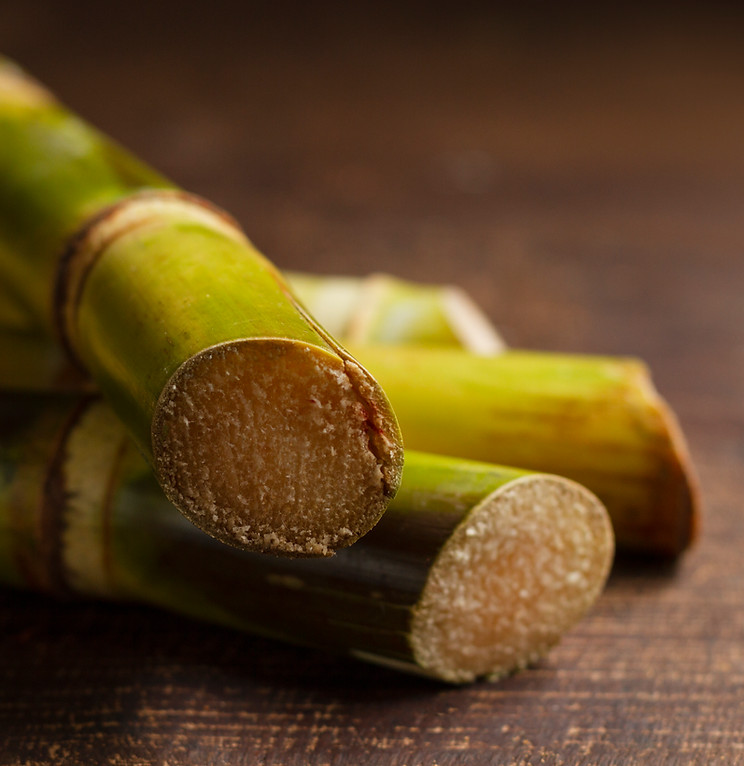
Regenerative Cane Sugar
Raw · Refined · Liquid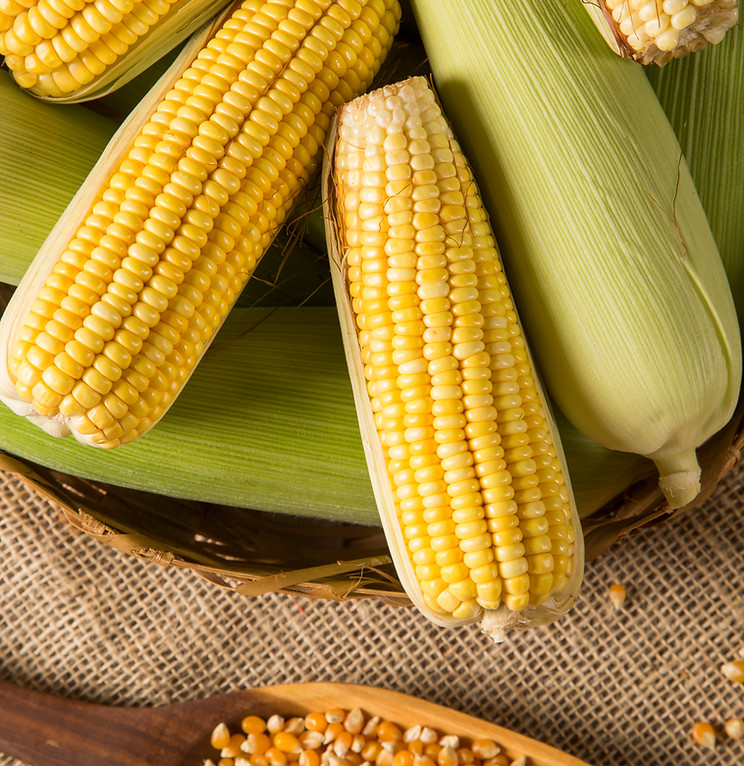
Non-GMO Corn Products
Syrups · Starches · Sweeteners5. Enterprise Advantages: Why Leading Brands Partner with Peachtree Commodities
Selecting an ingredient supplier is not merely about sourcing a powder—it is about securing a bulletproof supply chain built on trust, regulatory transparency, and unwavering reliability. For more than 15 years, Peachtree Commodities has served as a cornerstone supply partner for multinational food manufacturers, contract co-packers, and fast-growing nutrition brands.
The Peachtree Commitment
Three Generations of Food Ingredient Expertise
Based in Norcross, Georgia, Peachtree Commodities is a multi-generational, family-owned business established in 2010. We do not operate as anonymous broker desks or speculative traders. Instead, we cultivate direct, multi-year relationships with agricultural originators and primary processors. This hands-on agronomy governance ensures that every pound of Organic Rice Protein delivered to your receiving dock meets exact physical, chemical, and microbiological specifications.
OUR PROMISE: In Full. On-Time. All The Time.
A. Audit-Ready Documentation Package
We eliminate paperwork friction and QA bottlenecks. Every commercial shipment of our Organic Rice Protein arrives with a complete, audit-ready document binder tailored to satisfy third-party food safety auditors (GFSI, BRCGS, SQF, FSSC 22000):
- Lot-Specific Certificate of Analysis (CoA): Comprehensive testing covering protein content, moisture, ash, heavy metals (As, Pb, Cd, Hg), micro-mesh size, and complete microbiological panel (TPC, Yeast & Mold, E. coli, Salmonella).
- National Organic Program (NOP) Organic Transaction Certificates: Full transactional chain-of-custody verification proving USDA Organic validity from farm origin to receiving dock.
- Allergen & Non-GMO Statements: Formal statements verifying complete absence of cross-contamination with Big 9 allergens and non-GMO origin.
- Kosher & Halal Certifications: Valid certificates supporting global dietary labeling requirements.
- Safety Data Sheets (SDS) & Technical Specifications: Detailed physical properties, handling instructions, and shelf-life declarations.
B. U.S. Warehousing & Inventory Buffer Management
To shield our manufacturing partners from unexpected ocean transit delays, rate spikes, and custom clearance holds, Peachtree Commodities maintains strategically positioned inventory in organic-certified U.S. food-grade warehouses. We work with your procurement team to establish rolling 12-month demand forecasts, holding dedicated safety stock so you can call off shipments as needed with guaranteed 48-to-72 hour transit times.
C. Rigorous Food Safety & Quality Management Systems
Our quality assurance framework aligns with international food safety benchmarks, including HACCP, GMA-SAFE, ISO 14001 environmental management standards, and Fairtrade guidelines. We conduct on-site supplier audits, batch tracking, and third-party laboratory verification to guarantee uncompromising quality in every pallet.
6. Sourcing & Technical Procurement FAQs
Below are detailed answers to the most frequent technical, regulatory, and logistical questions posed by procurement teams and formulation scientists when evaluating Organic Rice Protein suppliers.
Every commercial production batch of our Organic Rice Protein undergoes rigorous Inductively Coupled Plasma Mass Spectrometry (ICP-MS) testing at accredited independent third-party laboratories. Our internal specification mandates strict limits that comply fully with European Union regulations (EC No 2023/915) and California Proposition 65 thresholds: Inorganic Arsenic < 0.1 mg/kg (ppm), Lead < 0.05 mg/kg (ppm), Cadmium < 0.1 mg/kg (ppm), and Mercury < 0.01 mg/kg (ppm). Lot-specific ICP-MS analysis reports are included with every CoA.
Organic Rice Protein exhibits a high essential amino acid (EAA) concentration of approximately 36% to 38%, which closely resembles the EAA profile of whey protein (40% to 43%). Notably, organic rice protein delivers high concentrations of Leucine (approx. 8.2 g / 100g protein), the key amino acid responsible for triggering muscle protein synthesis via the mTOR pathway. Clinical trials have demonstrated that high-dose rice protein isolate yields muscle hypertrophy and exercise recovery outcomes equivalent to whey protein isolate. When blended with organic pea protein, it delivers a complete 1.0 PDCAAS score.
Absolutely not. Peachtree Commodities guarantees 100% solvent-free processing. Our Organic Rice Protein is isolated using a natural water-based enzymatic hydrolysis process. Non-GMO food-grade enzymes gentle liquefy and separate the carbohydrate (starch) fraction of whole organic brown rice, leaving the concentrated protein fraction intact. No hexane, isopropyl alcohol, or harsh alkaline chemicals are ever utilized.
Our standard dry powder packaging format is 25 kg (55.1 lb) multi-wall kraft paper bags featuring an inner food-grade polyethylene moisture barrier liner, palletized at 40 bags per pallet (1,000 kg net weight). We also supply 1,000 kg super sacks (bulk totes) for high-volume automated processing lines. Standard order MOQ starts at 1 pallet (1,000 kg). U.S. warehouse call-offs ship within 2 to 4 business days. Contracted annual volume programs feature guaranteed stock reservations.
Mesh size determines particle diameter and directly impacts mouthfeel and suspension kinetics. Standard 100 to 200 mesh rice protein is ideal for dry powder mixes, meal replacement bars, and bakery products where structural binding is desired. However, for liquid RTD beverages or smooth nutrition shots, standard mesh can feel slightly chalky. For liquid applications, we recommend our Ultra-Micronized Organic Rice Protein (300 to 600 mesh), which reduces particle size below 45 microns, minimizing sedimentation rate and creating a silky mouthfeel.
Our Organic Rice Protein has a certified shelf life of 24 months from the date of manufacture when stored unopened in its original packaging under cool, dry warehouse conditions (temperature below 25°C / 77°F and relative humidity below 65%). Storing the material away from direct sunlight, strong odors, and high-humidity environments ensures optimal physical flowability, color, and flavor stability.
Yes. We specialize in custom supply chain programs for contract manufacturers and CPG brands. Under a blanket purchase agreement or annual supply contract, we position dedicated safety stock (typically 30 to 90 days of forecasted demand) in our U.S. organic-certified warehouses. This eliminates lead-time anxiety, protects against market price spikes, and guarantees uninterrupted factory operation under our mandate: In Full. On-Time. All The Time.
Request Samples & Technical Pricing
Ready to elevate your plant-based formulations with premium USDA Organic Rice Protein? Contact our Atlanta-based commercial engineering team today to request lot-specific CoAs, technical specification sheets, and trial samples.
Contact UsDiscover how we can support your organic ingredient needs.
Certifications & Standards
Compliance You Can Verify
Certification marks associated with the programs and supply partners behind our ingredient portfolio.





Delivering Nature’s Best, Responsibly.
Tell us your specification, volume and target launch date — we will confirm availability, origin options and lead time.
Contact UsContact Us
Talk To A Real Ingredient Specialist
Head Office
Peachtree Commodities
3295 River Exchange Dr. Suite 216
Norcross, GA 30092, USA
Phone
(770) 635-6100
Office Hours
Monday to Friday: 9:00 AM – 5:00 PM (ET)
Closed on weekends and public holidays.
Service Coverage
North America, Latin America, Europe and Asia-Pacific ingredient programs.