Direct Origin Sourcing
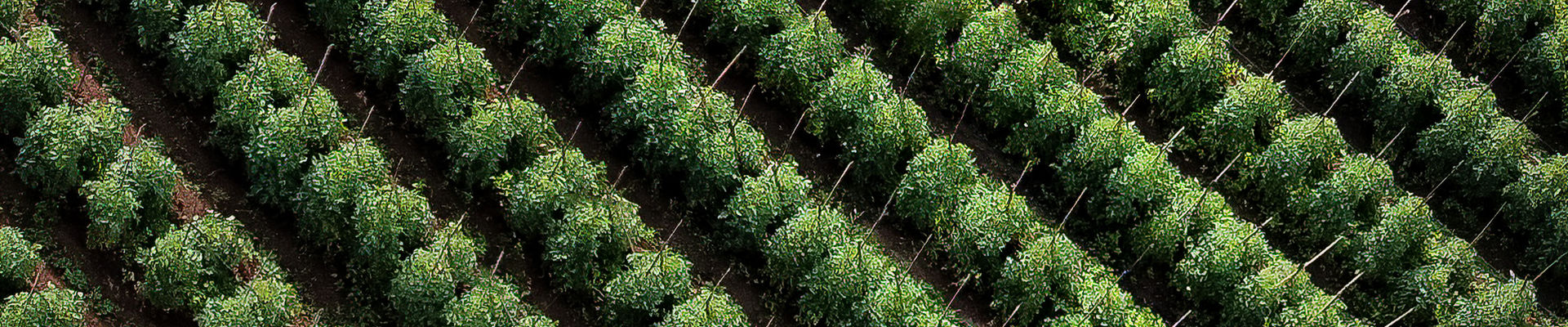
Qualified origin relationships ensuring 100% USDA Organic and Non-GMO compliance from field to factory gate.
Technical Sourcing & Procurement Masterclass
A deep-dive analytical resource for procurement directors, food scientists, and supply chain executives. Evaluate Dextrose Equivalent (DE) ranges, heavy metal mitigation standards, clean-label sugar alternatives, and future market dynamics.
Strategic Sourcing Overview
In the evolving consumer landscape of clean-label, allergen-free, and plant-based food manufacturing, Organic Rice Syrup has transitioned from a niche specialty sweetener to an essential macro-ingredient. Derived through the controlled enzymatic hydrolysis of whole-grain organic brown or white rice starches, Organic Rice Syrup offers a versatile carbohydrate spectrum consisting primarily of maltotriose, maltose, and complex glucose polymers. Unlike high-fructose corn syrup (HFCS) or cane sugar derivatives, rice syrup provides a smooth, sustained energy release while remaining completely fructose-free and non-GMO.
For industrial procurement teams and R&D formulators, sourcing high-grade bulk Organic Rice Syrup requires a sophisticated understanding of physical-chemical properties—ranging from specific Dextrose Equivalent (DE) values to viscosity profiles, color retention, and heavy metal limits. As global regulations tighten around contaminant thresholds and supply chains face persistent geopolitical and climate pressures, securing a transparent, audit-ready supply partner is fundamental to maintaining brand equity and operational continuity.
Organic Rice Syrup is not a single uniform commodity; it is a highly tailorable functional ingredient platform. Selecting the precise Dextrose Equivalent (from 26 DE to 64 DE) directly dictates moisture retention (humectancy), anti-crystallization efficacy, osmotic pressure, and browning kinetics (Maillard reaction) in your final finished matrix.
Product Grade Recommendations
At Peachtree Commodities, our global sourcing architecture delivers a full spectrum of USDA Organic and Non-GMO Project Verified Rice Syrups tailored for specific processing demands. Below is an overview of our core commercial offerings and their optimal industrial applications:
Clarified Organic Rice Syrup undergoes advanced natural carbon and membrane filtration to isolate pure carbohydrates by removing proteins, natural fats, and dark insoluble particulates. The resulting syrup is virtually water-white to light yellow, featuring a clean, neutral sweetness that does not interfere with sensitive flavor systems or alter product color.
Retaining natural compounds from organic rice bran, Brown Organic Rice Syrup possesses a warm golden-brown color and a mild, pleasant caramel-nutty sensory profile. It serves as an ideal clean-label replacement for brown sugar, corn syrup, and amber honey.
Specifically hydrolyzed using targeted natural beta-amylase enzymes, High Maltose Organic Rice Syrup delivers a high concentration of disaccharides (maltose) with minimized free glucose levels. This precise carbohydrate layout lowers hygroscopicity while maximizing freeze-thaw stability.
Produced by spray-drying refined liquid organic rice syrup, these free-flowing powders allow dry-blend manufacturers to incorporate organic rice carbohydrates into dry mixes, instant beverages, and dietary supplements without introducing liquid moisture.
| Product Specification Grade | Dextrose Equivalent (DE) | Brix Range (°Bx) | Viscosity @ 25°C (cP) | Carbohydrate Breakdown (D1/D2/D3+) | Key Functional Benefit |
|---|---|---|---|---|---|
| Low DE Clarified / Brown | 26 – 32 DE | 79.5 – 81.5 | 25,000 – 45,000 | Glucose ~8%, Maltose ~30%, Complex ~62% | High binding power, moisture retention, low sweetness |
| Medium DE Standard | 40 – 45 DE | 79.5 – 82.0 | 8,000 – 15,000 | Glucose ~18%, Maltose ~42%, Complex ~40% | Balanced sweetness, standard humectancy, anti-crystallization |
| High Maltose Special | 42 – 48 DE | 80.0 – 82.5 | 10,000 – 18,000 | Glucose < 10%, Maltose > 52%, Complex ~38% | Low hygroscopicity, zero stickiness, freeze-thaw stability |
| High DE Converting Syrup | 60 – 64 DE | 80.0 – 82.0 | 2,500 – 5,500 | Glucose ~35%, Maltose ~38%, Complex ~27% | High osmotic pressure, rapid fermentation, intense browning |
Formulation Science & Quality Control
When transitioning from conventional liquid sweeteners to Organic Rice Syrup, food technologists and manufacturing directors must account for distinct physical parameters that govern product quality and shelf life:
Rice plants inherently take up trace minerals, including inorganic arsenic, from agricultural soil and flooded paddies. In response to global regulatory standards set by the FDA and the European Food Safety Authority (EFSA under Regulation EU 2023/915), supplier diligence must extend beyond basic organic certification.
The Peachtree Standards: We enforce rigid agronomic soil-testing protocols at farm origination. Paddy fields are qualified for low natural heavy metal baselines prior to planting. Furthermore, every commercial lot undergoes mandatory Inductively Coupled Plasma Mass Spectrometry (ICP-MS) testing in ISO 17025-accredited third-party laboratories. We guarantee inorganic arsenic levels far below strict regulatory ceilings (< 0.1 mg/kg for infant applications; < 0.2 mg/kg for general food matrices).
Consumer skepticism regarding High Fructose Corn Syrup (HFCS) and refined crystalline fructose has elevated demand for fructose-free label claims. Organic Rice Syrup breaks down completely into glucose and maltose, metabolizing efficiently without overburdening hepatic pathways. This makes it an advantageous ingredient for sport nutrition formulas, clean-label energy gels, and infant/toddler nutritional lines where controlled glycemic response and clean digestion are paramount.
Bulk handling of high-Brix (80–82°Bx) liquid sweeteners requires proper equipment calibration. At room temperature (20°C–25°C), low DE rice syrup exhibits high viscosity (> 30,000 cP). To ensure optimal flow rates during bulk discharge or inline blending, we recommend maintaining storage tank jacket temperatures between 35°C and 42°C. This lowers syrup viscosity to under 3,000 cP without inducing thermal degradation or unwanted color development.
Market Intelligence & Strategic Outlook
Procuring raw ingredients in a modern market demands foresight into agricultural shifts, sustainability benchmarks, and international trade policies. Procurement managers evaluating Organic Rice Syrup programs should navigate four key macro trends:
Standard USDA Organic certification ensures zero synthetic pesticides or chemical fertilizers, but future market leaders are adopting Regenerative Organic Agriculture. Sustainable paddy management practices—such as Alternate Wetting and Drying (AWD)—dramatically reduce methane emissions, conserve ground water, and enhance soil microbiome integrity. Global CPG brands are actively building ROC supply chains to meet Scope 3 carbon reduction targets by 2030.
Long-haul ocean transit from major Asian rice-producing regions remains vulnerable to maritime delays, container shortages, and fluctuating spot rates. Leading food manufacturers are abandoning traditional "just-in-time" ocean shipments in favor of contracted domestic warehousing programs. Holding a 60-to-90-day domestic safety stock buffer inside organic-certified U.S. distribution facilities protects production lines against ocean transport disruptions.
Regulatory bodies in North America and Europe are increasingly auditing processing aids used in starch conversion. Consumers expect transparency regarding enzyme sourcing (non-GMO, allergen-free enzymes). Ensuring that your supplier provides verified Non-GMO Project statements alongside USDA Organic certificates is critical to avoiding modern brand exposure risks.
Formulators are moving away from multi-vendor ingredient sourcing. Procurement teams now prefer integrated suppliers capable of offering a multi-commodity suite—such as pairing Organic Rice Syrup with Organic Tapioca Syrup, Organic Cane Sugar, and Organic Rice Protein. This multi-platform capability simplifies vendor management, consolidates freight logistics, and enhances volume rebate structures.
Enterprise Reliability
Peachtree Commodities is a multi-generational, family-owned enterprise operating out of Norcross, Georgia. For over 15 years, our mission has been grounded in a singular principle: In Full. On-Time. All The Time.
Unlike anonymous brokers or speculative trading desks, we manage dedicated supply chains directly with primary agricultural processors. We audit origin facilities, verify organic certificates at every custody transfer, and maintain nationwide safety stock across our network of organic-certified, food-grade U.S. warehouses.
When you partner with Peachtree Commodities, you receive a complete, audit-ready document package with every shipment: lot-specific Certificates of Analysis (CoA), USDA NOP Organic Transaction Certificates, heavy metal/ICP-MS screeners, Kosher certifications, and non-GMO statements.
Core Strengths
Qualified origin relationships ensuring 100% USDA Organic and Non-GMO compliance from field to factory gate.
Domestic warehousing in strategic logistics hubs absorbs ocean freight shocks and guarantees fast LTL/FTL releases.
Every shipment delivers full trace CoAs, heavy metal ICP-MS screening, NOP transaction certs, and allergen statements.
Direct access to seasoned ingredient specialists, transparent pricing structures, and responsive contract execution.
B2B Sourcing FAQs
Addressing key technical, regulatory, and logistics queries for industrial buyers and food scientists.
Dextrose Equivalent (DE) measures the degree of starch hydrolysis in rice syrup, representing the total reducing sugars expressed as a percentage of dry matter. Low DE syrups (e.g., 26–32 DE) possess higher molecular weight complex carbohydrates, offering high viscosity, lower sweetness, superior binding power, and anti-crystallization properties ideal for protein bars and cereal clusters. High DE syrups (e.g., 60–64 DE) contain a larger proportion of glucose and maltose, providing higher sweetness, osmotic pressure, lower viscosity, and enhanced browning via the Maillard reaction.
Rice crops naturally absorb trace minerals from soil and irrigation water. Peachtree Commodities enforces strict agronomic quality gates, sourcing exclusively from qualified organic paddies with low baseline soil arsenic. Every batch undergoes mandatory ICP-MS testing in ISO 17025-accredited laboratories to guarantee full compliance with FDA guidelines and European Commission Regulation (EU) 2023/915 standards (< 0.2 mg/kg for inorganic arsenic in general food, with even stricter limits for infant formulations).
Clarified Organic Rice Syrup undergoes targeted natural carbon filtration to remove proteins, lipids, and color compounds, producing a water-white to pale amber liquid with a neutral flavor profile that will not discolor finished formulations or alter subtle flavor systems. Brown Organic Rice Syrup retains natural rice bran components and color, offering a light golden-to-brown hue and a delicate nutty, caramel-like note, making it perfect for clean-label granola, baked goods, and traditional confectioneries.
Yes, Organic Rice Syrup is a clean-label, non-GMO, fructose-free alternative to HFCS and conventional corn syrups. Depending on the targeted sweetness profile, a 42 DE or 60 DE High Maltose Organic Rice Syrup provides matching solids content (79–82° Brix) and comparable humectancy and viscosity. Formulators often substitute HFCS 1:1 by solids, adjusting sweetness slightly or pairing with organic fruit concentrates if higher sweetness perception is required.
Peachtree Commodities supplies Organic Rice Syrup in 275-gallon liquid IBC totes (approx. 3,000 lbs net), 55-gallon steel/plastic drums (approx. 600 lbs net), heated ISO tank containers, and flexitanks for bulk liquid transfers. We maintain strategic safety inventory across our organic-certified U.S. warehouse network to offer reliable LTL, FTL, and vendor-managed inventory (VMI) drawdown arrangements.
Every shipment is accompanied by a full audit-ready document packet, including a lot-specific Certificate of Analysis (CoA), USDA NOP Organic Transaction Certificate, Non-GMO Project Verification statement, Kosher certification, heavy metal test report, allergen statement, and technical data specification sheets.
When stored in un-opened, sealed original packaging between 18°C and 25°C (64°F–77°F) away from direct sunlight, Organic Rice Syrup maintains a stable shelf life of 24 months from the manufacturing date. Ambient humidity should be controlled, and containers should be tightly closed after sampling to prevent surface moisture absorption.
Yes, our processing partners can tailor enzymatic hydrolysis parameters to achieve precise DE values (e.g., custom 35 DE or 50 DE) or specific sugar distributions (such as extra-high maltose content) for large-volume contract commitments. Contact our technical team to discuss pilot scale trials and specification matching.
Request lot samples, technical data sheets, or a competitive volume quote from our dedicated commercial sourcing team today.
Certifications & Standards
Rigorous certification marks supporting our organic sweetener supply network.