Market Outlook 2025–2035
Future Procurement & Product Development Trends
How macro-economic shifts, regulatory pressures, and consumer sentiment are reshaping global ingredient strategy.
1. Mandatory Scope 3 Emissions & Regulatory Climate Disclosures
Regulatory authorities in North America and the European Union (including the EU Corporate Sustainability Due Diligence Directive and SEC climate disclosure rules) are pressing multinational food brand owners to measure and reduce indirect land-use and farm-level emissions. Standard synthetic nitrogen fertilizer application in conventional sugarcane cultivation releases significant nitrous oxide ($\text{N}_2\text{O}$), a greenhouse gas with nearly 300 times the global warming potential of carbon dioxide. Regenerative Organic Cane Sugar replaces synthetic inputs with legume rotation, green manure, and compost—effectively slashing farm-gate carbon intensity by 40% to 70% per metric ton of sucrose produced.
2. Transitioning from "Net Zero" Commitments to Verified Insetting
Corporate procurement leads are moving away from purchasing unverified carbon offsets toward carbon insetting—investing directly within their operational supply chains. Sourcing Regenerative Organic Cane Sugar enables food enterprise brands to lock in verifiable carbon sequestration metrics directly on their raw material balance sheets. This verified data can be seamlessly integrated into corporate Sustainability and Annual ESG reports.
3. Climate-Resilient Agricultural Yields & Supply Security
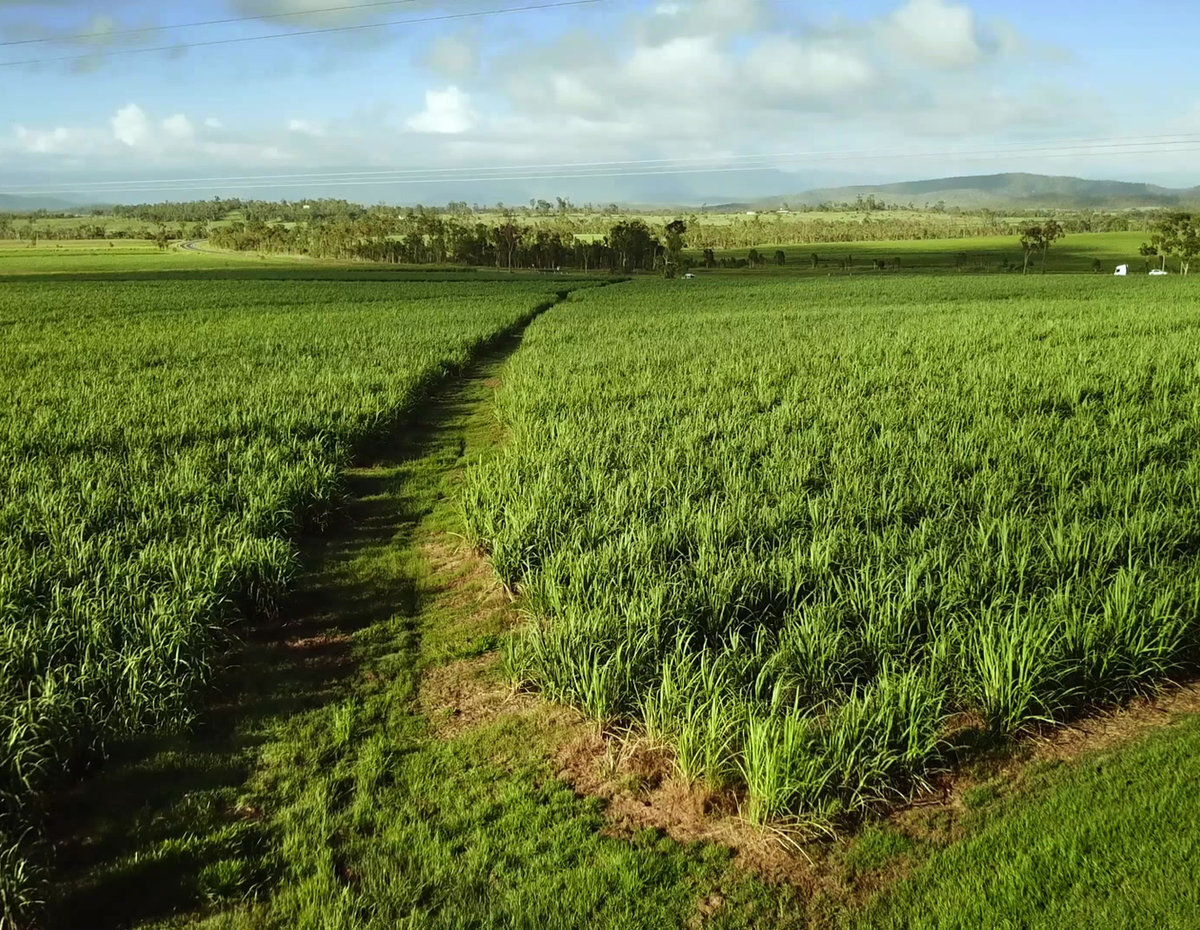
Conventional monoculture sugarcane crops face escalating supply volatility due to severe weather, soil erosion, and ground water depletion. Regenerative farming practices focus heavily on increasing soil organic matter (SOM). Every 1% increase in SOM allows soil to retain an additional 20,000 gallons of fresh water per acre. Consequently, regenerative sugarcane fields demonstrate superior drought resilience, stabilizing long-term harvest yields and insulating procurement teams from supply shortfalls.
4. Transparency & Blockchain-Verified Traceability
Modern food brands require complete supply chain transparency down to the individual mill and cooperative level. Future supply contracts for Regenerative Organic Cane Sugar increasingly stipulate lot-level digital traceability, pairing NOP Organic Transaction Certificates with satellite-verified land management mapping to confirm zero-deforestation compliance (EUDR alignment).