Featured Wholesale Food Ingredients & Processing Machinery
Engineered for precise performance, non-GMO compliance, and seamless integration into industrial production lines across Berlin and the wider European Union.
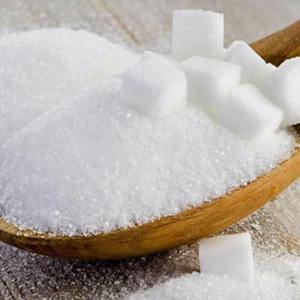
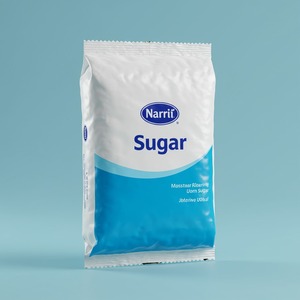
Localized Application Scenarios in Berlin & Brandenburg Food Hubs
Connecting high-purity agricultural commodities directly to Germany’s primary processing sectors, organic craft bakeries, plant-based startups, and industrial beverage plants.
Craft Breweries & Fermentation Plants
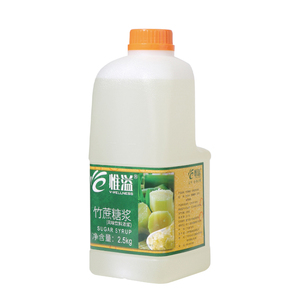
Berlin’s microbreweries and commercial kombucha producers require ultra-consistent fermentable sugars. Our unrefined brown cane sugar and organic liquid cane sucrose provide precise Brix parameters without altering signature craft flavor profiles, guaranteeing repeatable yeast attenuation across batch runs in Tempelhof and Neukölln production sites.
Bio-Vegan & Clean-Label Bakery Sector
In response to Spandau's growing organic baking industry, our tapioca syrups and non-GMO corn starches serve as crucial humectants and natural binding agents. They allow bakers to achieve superior crumb structure, golden Maillard browning, and prolonged shelf stability without resorting to synthetic emulsifiers or palm-derived ingredients.
Functional Confectionery & Energy Bars
Berlin’s vibrant food-tech ecosystem relies heavily on low-glycemic, organic carbohydrates. Our organic rice proteins and tapioca maltodextrin solids act as key texturizers and carriers in high-protein confectionery lines, functional gummies, and meal-replacement bars manufactured across the Berlin-Brandenburg metropolitan region.
Technical Insight: Water Hardness & Dissolution Dynamics in Berlin
Berlin municipal water is notoriously mineral-rich, ranging between 14°dH and 21°dH (hard to very hard). When formulating high-solids liquid syrups or batch-mixing granular sugars, high calcium and magnesium ion concentrations can alter caramelization points and solubility rates. Our refined ICUMSA 45 white cane sugar and organic liquid sucrose undergo micro-filtration processes that minimize ash content (< 0.04%), mitigating mineral-precipitation issues during high-temperature thermal processing.
Localized Market Trends Driving Berlin's Food Ingredient Procurement
Aligning international export standards with the European Green Deal, EU Organic Regulation (EU) 2018/848, and German Supply Chain Due Diligence Laws (LkSG).
1. The Shift Toward Regenerative Organic and EU Equivalence
The German consumer landscape demands transparency. Under the European Commission's "Farm to Fork" strategy, food processors in Berlin face stringent quota mandates for organic raw material sourcing. Our agricultural supply chains are fully certified under USDA Organic and verified fully equivalent to EU Organic standards via TRACES NT (Trade Control and Expert System). Buyers receive seamless digital Certificates of Inspection (COI) for every clearing port at Hamburg or Bremerhaven.
2. Clean-Label Sugar Reduction & Sugar Tax Reformulations
As public health policies across Germany encourage reduced refined sugar contents, manufacturers are turning toward complex natural carbohydrate profiles. Our tapioca maltodextrin, rice syrup solids, and unrefined raw sugars allow food technologists to optimize sweetness intensity while preserving mouthfeel and caloric solids, catering directly to the health-conscious demographics of Kreuzberg, Mitte, and Charlottenburg.
3. German Supply Chain Due Diligence Act (Lieferkettensorgfaltspflichtengesetz - LkSG)
Large-scale German buyers and industrial co-packers are legally required to audit environmental and social risks across their primary suppliers. As a multi-generational, family-owned business operating with direct origin contracts, we provide comprehensive Fairtrade, ISO 14001, and ethical audit document packs, eliminating third-party counterparty risk for procurement officers.
Technical Ingredient Specifications & Formulation Parameters
Information gain matrix designed for QA directors, product development scientists, and bulk commodity buyers.
| Ingredient Platform | Physical / Chemical Specs | Functional Properties | Key European Applications | Compliance Standards |
|---|---|---|---|---|
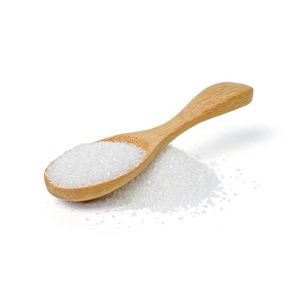
| Organic Refined Cane Sugar | ICUMSA < 45 IU, Moisture < 0.04%, Polarization > 99.80° | High purity, neutral color, rapid dissolution, zero off-flavors | RTD beverages, dairy products, fine confectionery, jellies | USDA Organic, EU Equivalent, Kosher, HACCP |
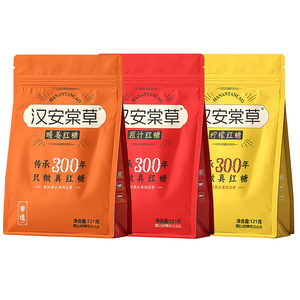
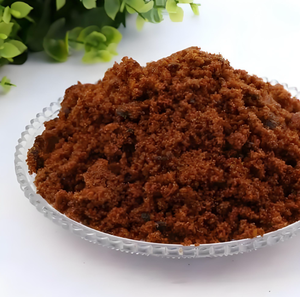
| Unrefined Brown Cane Sugar | ICUMSA 800–1200, Natural Molasses Content 1.2–2.5% | Rich caramel flavor notes, humectant properties, natural coloring | Artisan bakery, craft brewing, sauces, ethnic food processing | Fairtrade, Non-GMO Project, ISO 14001 |
| Organic Tapioca Syrup & Solids | DE Values: 26, 42, 60; Brix: 79.5–81.5% | Controlled sweetness, anti-crystallization, viscosity control | Nutrition bars, plant-based ice creams, fruit preparations | USDA Organic, EU 2018/848, Gluten-Free |
| Non-GMO Corn Syrup Solids | DE Values: 20–40, Mesh Size 20–100 mesh | Browning control, carrier agent, improved freeze-thaw stability | Dry powder beverage mixes, processed meats, soups | Non-GMO Project Verified, IFS Food V8 |
| Organic Rice Protein Powder | Protein Content > 80%, Mesh: 300-600 mesh, Allergen-Free | High digestibility, smooth dispersion, complete amino acid profile | Vegan sports nutrition, infant formulas, meat alternatives | USDA Organic, EU Organic, Halal, Kosher |
Why Berlin Procurement Teams Trust Our Supply Chain
Built on 15+ years of direct origin management, stringent QA protocols, and dedicated logistics frameworks.
Guaranteed Lot Traceability
We do not trade on anonymous open markets. Every metric ton of cane sugar, tapioca syrup, or corn starch is sourced directly from audited, contracted farming cooperatives with full farm-to-door oversight. Batch-specific Certificates of Analysis (CoA) accompany every container.
EU Warehouse & Forward Stocking
To insulate our Berlin clients from geopolitical shipping delays and ocean freight turbulence, we maintain strategic buffer inventory in organic-certified, temperature-controlled European warehouses. Draw down against your annual contract on short lead times with guaranteed JIT (Just-In-Time) truck deliveries.
Audit-Ready Documentation
Speed up your quality control release cycles. Our documentation pack includes lot-specific heavy metal test reports, pesticide residue screens (over 500 compounds screened via LC-MS/MS), allergen declarations, non-radiation certificates, and GMO verification statement sheets.
Globally Recognized Compliance & Quality Management Credentials
 USDA Organic
 HACCP Verified
 Non-GMO Project
 ISO 14001
 Kosher Certified
 Fairtrade Certified
 GMA-SAFE Audit
 Organic Certified
Frequently Asked Questions for Berlin & EU Procurement Officers
Addressing technical, legal, and operational questions commonly raised by German food ingredient buyers.
What specific documentation is delivered with bulk shipments clearing German customs?
Every commercial order dispatched to Germany includes a complete EU Import Documentation Package: Lot-specific Certificate of Analysis (CoA), EU Organic Inspection Certificate (generated through the TRACES NT system), Bill of Lading, Commercial Invoice, Packing List, Country of Origin Certificate, Non-GMO Statement, Allergen Declaration, and heavy metal/pesticide residue testing reports compliant with Regulation (EC) No 396/2005.
What are the typical Minimum Order Quantities (MOQs) for delivery into Berlin?
For dry granulated sugars, brown sugars, and starch powders, standard wholesale supply starts at 1 metric ton (40 x 25kg multi-wall paper bags on shrink-wrapped pallets). For liquid sweeteners like organic tapioca syrup or liquid cane sugar, supply is available in 275-gallon (1,000L) food-grade IBC totes, flexitanks, or full tanker loads for large-scale industrial processors.
How do you handle tariff classifications (TARIC Codes) for cane sugar imports into Germany?
Our customs compliance team ensures correct TARIC classification for all raw and refined sugarcane derivatives (such as TARIC 1701 14 90 for raw cane sugar or 1701 99 10 for refined sugar). We assist Berlin importers with duty calculations, inward processing relief procedures (IPR) where applicable, and preferential tariff documentation under global trade agreements.
Are your food ingredients fully compliant with IFS Food V8 and BRCGS standards?
Yes. Our primary manufacturing and refining facilities maintain active IFS Food (International Featured Standards) and BRCGS global standard certifications. Our processing sites undergo regular third-party audit checks to guarantee strict adherence to HACCP guidelines, foreign body detection (metal detection and X-ray analysis), and pathogen-free operational environments.
Can you support custom granulation sizes and liquid sugar Brix adjustments for specific formulations?
Absolutely. We offer customized physical specifications to meet your plant's exact engineering requirements. For dry sugars, we offer fine caster sugar, standard granulated, coarse crystal, and ultra-fine powdered formats. For liquid sweeteners, we can calibrate Brix levels (e.g., 67° Brix vs. 77° Brix) and adjust pH ranges to prevent crystallization or yeast shock during direct vessel dosing.
What lead times can Berlin-based manufacturers expect for ocean container imports versus local warehousing drawdowns?
Direct ocean freight shipments from our global origin ports to the Port of Hamburg typically take 21 to 35 days depending on origin. However, for customers utilizing our European buffer warehousing framework, overland truck transport to facilities in Berlin, Potsdam, or Brandenburg can be fulfilled within 48 to 72 hours from order authorization.
How do you guarantee pesticide-free and glyphosate-free compliance for organic products?
In accordance with strict European Union organic legislation, all organic sugar crops, tapioca roots, and rice grains are grown without synthetic pesticides, herbicides, or chemical fertilizers. Each production batch undergoes rigorous multi-residue screening via ISO 17025 accredited third-party laboratories to verify zero-detect levels of glyphosate and over 500 chemical pesticides prior to export.
Do you offer pilot-scale sampling for R&D trials in German food innovation labs?
Yes. We support food technologists and product developers throughout the preliminary trial phase. We supply 1kg, 5kg, and 10kg benchtop sample packs accompanied by technical data sheets (TDS) and nutritional breakdowns so your lab can conduct bench testing before scaling to commercial line runs.
How does your company support environmental sustainability and Scope 3 emissions reporting?
We are committed to reducing supply chain carbon intensity. Our manufacturing locations operate under ISO 14001 Environmental Management Systems, emphasizing energy-efficient evaporation technologies, sugarcane bagasse bio-fuel utilization for refinery boilers, and optimized bulk packaging that reduces plastic waste and optimizes container loading ratios.
What contract structures are available to protect against agricultural commodity market volatility?
We offer flexible commercial purchasing structures, including fixed-price annual volume contracts, quarterly floating contracts, and call-off scheduling against advance forecasts. This provides financial predictability for corporate purchasing departments, shielding your margins from raw sugar market fluctuations.
Secure Your Wholesale Ingredient Supply for Berlin
Connect directly with our senior commercial procurement specialists to request custom specifications, lot samples, or current spot pricing for European port deliveries.
Get a Quote