

Industrial Organic & Natural Sweetener Portfolio
Direct bulk supply of premium organic tapioca syrups, refined cane sugars, and specialized starches tailored for Bangkok's food, beverage, and confectionery export industries.

Organic Clarified Tapioca Syrup (DE 42 High Maltose)
Get Catalog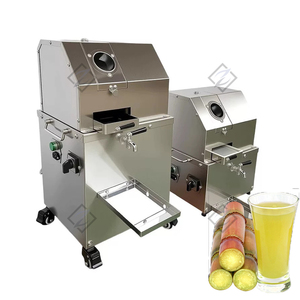
Non-GMO Liquid Tapioca Sweetener (DE 60 High Dextrose)
Get Catalog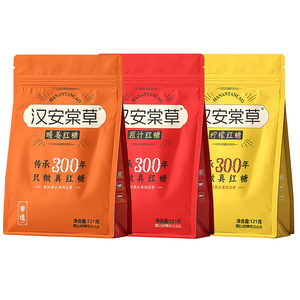
Organic Tapioca Syrup Solids & Natural Brown Sugar Blend
Get Catalog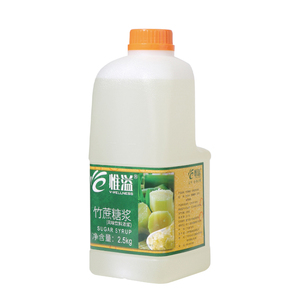
High-Purity Bamboo Cane & Tapioca Syrup for Bubble Tea
Get Catalog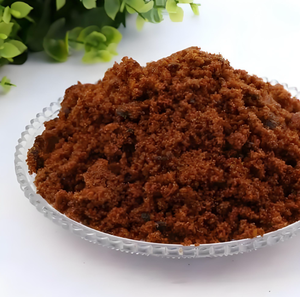
Bulk Organic Unrefined Raw Cane Sweetener (Food Grade)
Get Catalog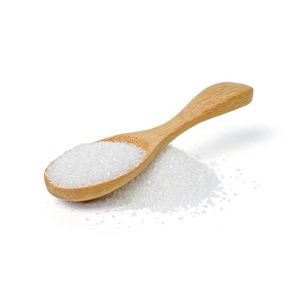
Refined Organic Cane Sugar (ICUMSA 45 High Clarity)
Get Catalog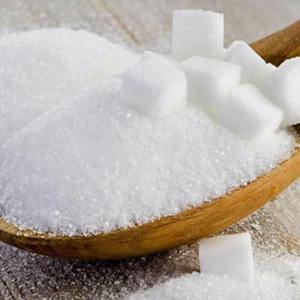
Pure Granulated White Cane Sugar (50kg Commercial Pack)
Get Catalog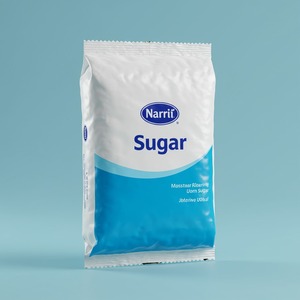
Custom-Blended Food Grade Tapioca & Cane Syrup Base
Get CatalogIndustry White Paper: Technical Performance of Organic Tapioca Syrup in Tropical Food Processing
An authoritative analysis on rheological behavior, dextrose equivalency (DE), and glycemic index benefits for food & beverage manufacturers operating in Greater Bangkok and ASEAN export hubs.
1. Agronomic Advantage & Enzymatic Hydrolysis Science
Tapioca syrup derived from the cassava root (Manihot esculenta) offers unmatched functional performance compared to traditional corn or sucrose-based liquid sweeteners. In industrial food processing, our organic tapioca syrup is engineered using a natural, non-GMO enzymatic hydrolysis process. By employing controlled alpha-amylase and glucoamylase enzymes, long-chain tapioca starches are precisely broken down into balanced saccharide profiles containing glucose, maltose, and complex carbohydrates without resorting to harsh chemical acid hydrolysis.
Because cassava is naturally gluten-free, hypoallergenic, and neutral in flavor, it yields a crystal-clear syrup with exceptionally high solubility and low retrogradation potential. For enterprise food manufacturers in Greater Bangkok—where high ambient humidity (averaging 75-85% RH) and warm tropical temperatures pose continuous storage stability challenges—tapioca syrup acts as a highly effective humectant, preventing unwanted moisture migration, syneresis, and sugar crystallization in finished packaged goods.
2. Rheological Profiling & Dextrose Equivalent (DE) Selection
Understanding the exact Dextrose Equivalent (DE) is critical for process engineers and R&D teams formulating for scale. We manufacture and supply three core DE grades to Bangkok’s commercial food landscape:
- Low DE Tapioca Syrup (DE 27 - DE 35): Characterized by high viscosity, elevated molecular weight polysaccharides, and low sweetness. Ideal as a binder in energy bars, a anti-caking agent, and a bodying agent in low-sugar dairy matrixes. High glass transition temperature ($T_g$) provides exceptional structural integrity against heat deformation.
- Medium DE Tapioca Syrup (DE 42 High Maltose): The industry standard for confectionery, bubble tea pearl glazes, and plant-based beverages. Offers moderate sweetness, excellent anti-crystallization properties, low hygroscopicity, and superior clarity. Protects delicate flavor notes without masking natural aromas.
- High DE Clarified Syrup (DE 60 - DE 65): High fermentability and high sweetness profile with lower viscosity. Highly suited for commercial bakery glazes, active fermentation broths, RTD iced teas, and high-solubility fruit syrups.
| Physical / Chemical Metric | Organic Tapioca Syrup (DE 42) | High Fructose Corn Syrup (HFCS-55) | Refined Liquid Sucrose |
|---|---|---|---|
| Brix Scale (°Bx) | 79.5% - 81.5% | 77.0% - 78.0% | 67.0% - 68.0% |
| Fructose Content | 0.0% (Fructose-Free) | 55.0% ± 1.0% | 0.0% (Inverts to 50% Glucose/Fructose) |
| Water Activity ($a_w$) @ 25°C | 0.68 - 0.72 | 0.75 - 0.78 | 0.82 - 0.85 |
| Crystallization Susceptibility | Extremely Low | Moderate | High (Under temperature swings) |
| Glycemic Index (GI) Impact | Moderate / Sustained Energy | Rapid Spike / High Hepatic Load | Rapid Spike |
| Allergen & GMO Status | 100% Non-GMO, Gluten-Free | Potential GMO Corn Origin | Non-GMO / Variable Origin |
3. Clean Label Positioning & Fructose-Free Nutritional Value
Global retail consumers across Europe, North America, and urban Asian centers are increasingly rejecting High Fructose Corn Syrup (HFCS) due to metabolic health concerns, non-alcoholic fatty liver disease (NAFLD) awareness, and consumer preference for unrefined plant ingredients. Organic Tapioca Syrup serves as the premier direct substitute for corn syrup in clean-label formulations. It allows Bangkok food brands exporting to Western markets to make verified label claims such as "USDA Organic," "Non-GMO Project Verified," "Gluten-Free," "Naturally Fructose-Free," and "Sustainably Sourced."
Micro-Localized Application Scenarios Across Greater Bangkok
How leading Thailand-based food processors, OEM beverage factories, and global export hubs leverage our organic tapioca syrups for competitive sensory and structural advantage.
1. RTD Bubble Tea & Craft Beverage Syrups
Bangkok is the regional capital of commercial beverage innovation. Our DE 42 clarified organic tapioca syrup provides the perfect viscosity and clear mouthfeel required for premium ready-to-drink (RTD) milk teas, flavored botanical sodas, and tropical fruit infusions. Unlike cane sugar liquid, tapioca syrup coats tapioca pearls (boba) uniformly, preventing them from hardening or dissolving during cold storage (2°C–4°C) while reducing sweetness harshness.
2. Tropical Confectionery & High-Heat Storage Gummies
Confectionery manufacturing inside industrial estates across Samut Prakan and Pathum Thani demands intense moisture control. The elevated glass transition temperature of our organic tapioca syrup prevents pectin and gelatin gummies from sweating or melting when subjected to humid tropical logistics. Its low hygroscopicity ensures packaged candies retain structural elasticity without sticking to interior plastic films.
3. Plant-Based Dairy & Coconut Milk Desserts
As Thailand leads Southeast Asia’s alternative protein and vegan dairy sector, our neutral-tasting tapioca syrups act as ideal bulk sweeteners for coconut-based ice creams, condensed vegan milks, and yoghurt alternatives. It imparts a creamy, fat-mimicking mouthfeel without introducing unwanted off-flavors, corn proteins, or grainy crystallites during freezing cycles.
4. Healthy Snack Bars & Extruded Grain Binding
For high-speed bar production lines in Lat Krabang Industrial Estate, maintaining structural cohesion without creating a rock-hard bite is essential. Low-DE organic tapioca syrup functions as a ductile binding matrix that retains moisture over extended ambient shelf lives. It ensures protein bars and granola clusters maintain soft chews even after 12 months in tropical market channels.
5. Halal & Clean-Label OEM Export Formulations
Bangkok manufacturers catering to the Gulf Cooperation Council (GCC) and broader Islamic global markets require strict certification traceability. Our supply line holds audit-ready USDA Organic, Non-GMO Project Verified, Kosher, and Halal compliances, making seamless integration into export-bound sauces, marinades, condiments, and baby food purees.
6. Flexitank & Heated Bulk Tanker Logistics
Serving enterprise plants near Laem Chabang Port and Bangkok Port (Klong Toey), we supply bulk liquid tapioca syrup in ISO flexitanks (24,000 kg), intermediate bulk containers (IBC totes, 1,300 kg), and heavy-duty drums. Viscosity curves are optimized for rapid, pumpable offloading even at standard plant operational temperatures.
Localized Market Trends & Regulatory Shifts in Thailand
Strategic insights for procurement directors navigating local tax policies, sustainability mandates, and ingredient substitution strategies in 2025 and beyond.
1. Impact of Thailand’s Progressive Sugar Excise Tax Phase 4
The Thai Excise Department’s ongoing implementation of the progressive sugar tax has fundamentally reshaped recipe formulation across the non-alcoholic beverage and processed food sectors. As tax levies increase per 100ml on beverages exceeding 6g–10g of sugar, manufacturers are actively seeking functional non-cane sweeteners that optimize mouthfeel and volume without triggering elevated sucrose/fructose tax brackets. Tapioca syrup's unique saccharide distribution allows formulators to dial in specific Brix levels and sensory viscosity while optimizing total caloric density and sweetness intensity.
2. The Clean Label Movement Across ASEAN Retail
Modern consumers in Bangkok urban hubs (such as Sukhumvit, Silom, and Thonglor) are demanding full transparency on food packaging labels. Front-of-pack claims prohibiting artificial ingredients, high fructose corn syrup, and chemical preservatives have shifted from niche health shops to mainstream supermarket chains like Central Food Hall, Gourmet Market, and Lotus’s Premium formats. Formulating with certified organic tapioca syrup provides immediate brand equity and consumer trust.
3. Sustainable Agriculture & Carbon Footprint Reduction
Corporations operating in Southeast Asia face tightening ESG (Environmental, Social, and Governance) disclosure rules. Our cassava procurement ecosystem leverages regenerative farming principles, low-input water usage compared to sugar cane, and zero chemical pesticide protocols. By sourcing from certified organic agronomic programs, food brand owners can transparently document Scope 3 emission reductions in their annual sustainability filings.
Why Enterprise Buyers Partner With Peachtree Commodities
Multi-generational heritage, direct-from-origin control, and zero-compromise quality assurance engineered for high-volume commercial manufacturing.
Direct Origin Control & Traceability
We bypass middle-man trading desks. Every batch of tapioca syrup is traceable directly back to our qualified farming partner networks, ensuring 100% farm-to-factory integrity and audit compliance.
Audit-Ready Quality Documentation
Every single shipment arrives complete with a comprehensive document pack: Lot-Specific Certificate of Analysis (CoA), Organic Transaction Certificate (NOP/EU), Non-GMO Statement, Allergen Protocol, Kosher, and Halal documentation.
Guaranteed Safety Stock & Buffer Warehousing
We mitigate ocean shipping volatility by positioning dedicated buffer inventory across organic-certified, temperature-monitored facilities, ensuring "In Full. On-Time. All The Time." execution against your rolling production forecasts.
Frequently Asked Procurement Questions (FAQ)
Answers to standard technical, commercial, and shipping queries from Bangkok purchasing teams and food technologists.
Elevate Your Product Formulations With Clean-Label Organic Sweeteners
Partner with a multi-generational global ingredient supplier committed to full traceability, documented food safety, and uninterrupted supply lines for your Bangkok manufacturing operations.
Get Catalog