
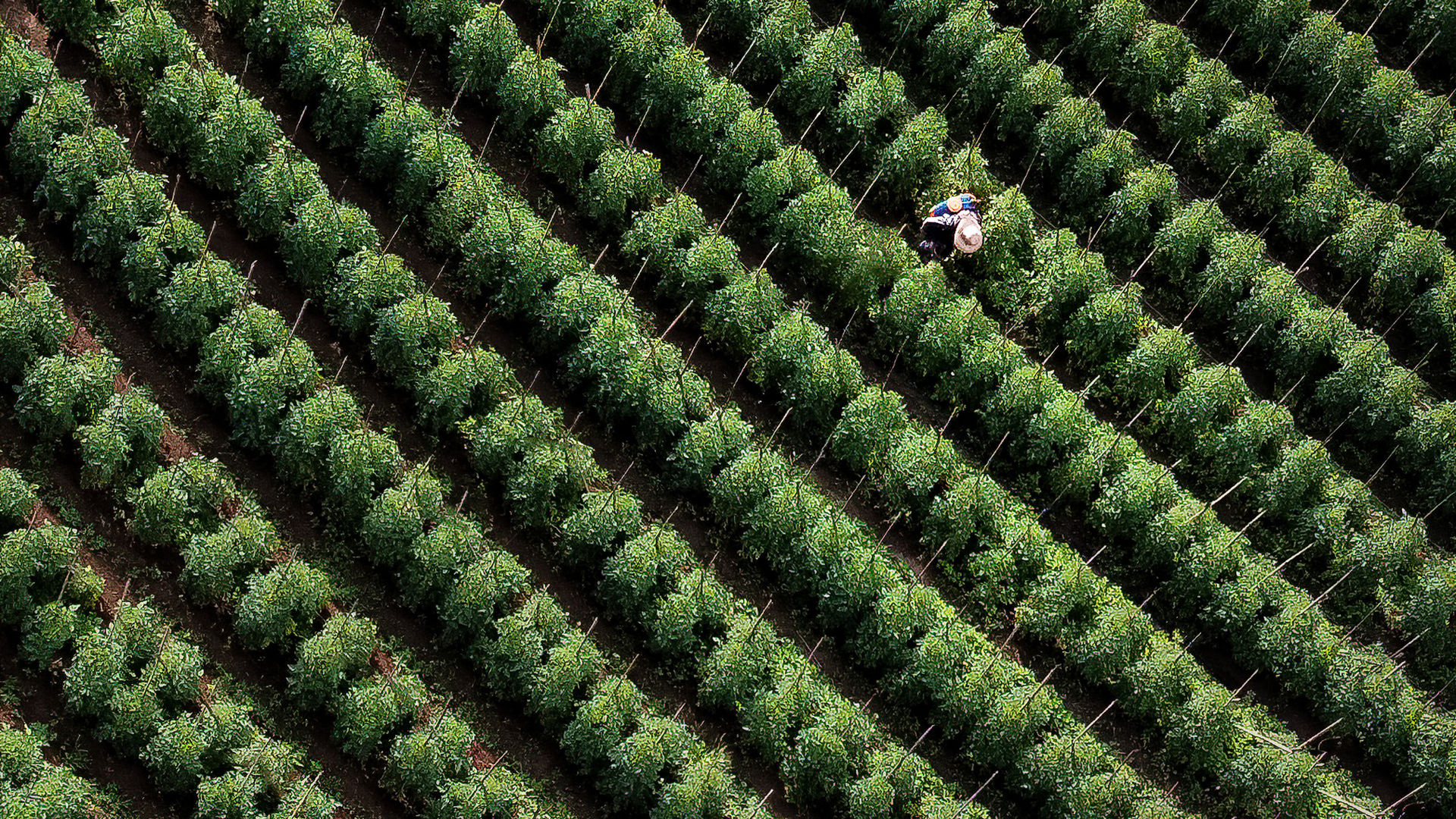
Certified Organic & Non-GMO Tapioca Sweeteners
Explore our complete range of USDA Organic, Non-GMO Project Verified tapioca syrups, custom Dextrose Equivalent (DE) liquids, and high-purity solids engineered for commercial food manufacturing in Greater Boston.
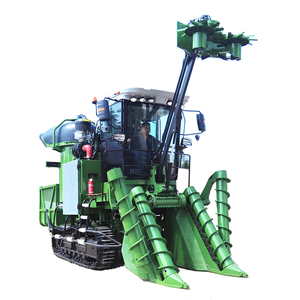 Liquid Sweetener
Organic Clarified Tapioca Syrup DE 27–60
Ultra-clear, neutral-flavor enzymatically hydrolyzed tapioca syrup. Perfect clean-label sugar alternative for RTD beverages, dairy, and confectionery.
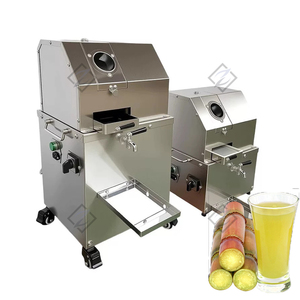 High Maltose
High Maltose Organic Tapioca Syrup (DE 42–45)
Engineered for low humectancy and high resistance to color degradation. Ideal binder for energy bars, granola, and hard candies.
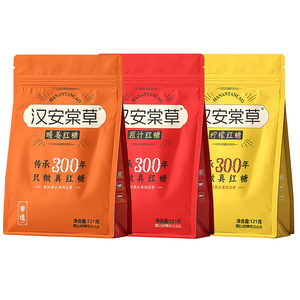 Natural Unrefined
Organic Brown Tapioca Syrup & Specialty Blends
Retains natural subtle caramel notes and amber tones. Superior binding, browning, and texture enhancement for craft bakeries and cereal bars.
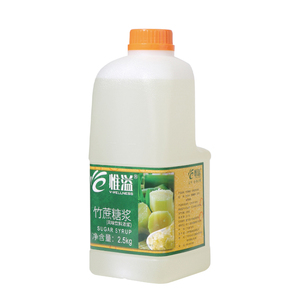 Beverage Base
Tapioca Syrup Solids & Rock Syrup Base for Fermentation
High-purity fermentable syrup designed for New England craft breweries, hard seltzers, kombucha production, and specialty beverage bases.
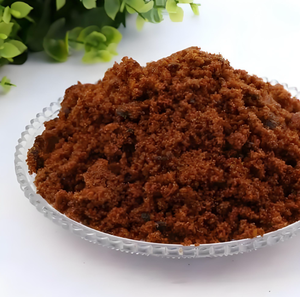 Dry Powder
Organic Tapioca Maltodextrin & Dehydrated Solids
Non-hygroscopic carrier, bulking agent, and spray-drying aid. Formulated for plant-based protein powders, nutraceuticals, and dry mixes.
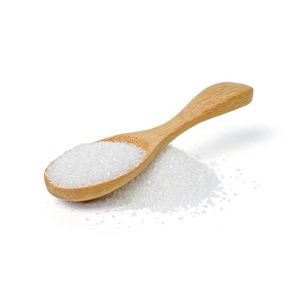 Bulk Industrial
Refined Industrial Organic Tapioca Sweetener Totes
Supplied in 275-gallon IBC totes and food-grade tankers. Rigorously batch-tested for consistent viscosity, color, and microbial safety.
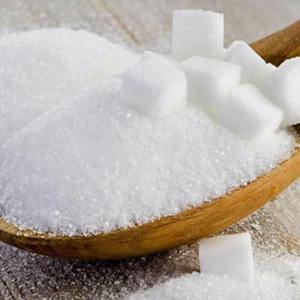 Standard Packaging
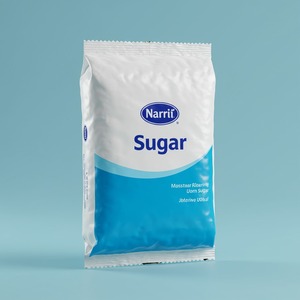
Non-GMO Organic Tapioca Sweetener (Custom Packaging)
Flexible container sizes including 25kg multi-wall paper bags, 290kg steel drums, and 1000kg bulk totes to match Boston processing setups.
 Custom Formulation
Tailored DE Organic Tapioca Syrup for High-Volume Plants
Custom-tailored dextrose equivalents and solids ratios designed to substitute High Fructose Corn Syrup 1:1 in high-speed bottling and baking plants.
Why Boston Food & Beverage Brands Are Replacing Corn Syrup With Organic Tapioca
The food and beverage manufacturing ecosystem in Boston, Massachusetts, and the greater New England corridor (spanning Cambridge, Worcester, Providence, and Southern New Hampshire) is undergoing a major technological transformation. As regional consumers demand clean labels, Non-GMO Project Verification, and grain-free sweetener options, procurement teams and R&D directors are rapidly phasing out traditional High Fructose Corn Syrup (HFCS) and acid-hydrolyzed cane sugars in favor of enzymatically hydrolyzed USDA Organic Tapioca Syrups.
Information Gain Key Insight: Unlike corn syrup, organic tapioca syrup is derived from the non-GMO cassava root (Manihot esculenta). It delivers a perfectly neutral flavor profile, lower osmolality, and a zero-gluten/zero-grain declaration, making it the premier functional sweetener for New England's premium food innovation hubs.
Enzymatic Hydrolysis vs. Acid Conversion: The Rheological Advantage
Commercial tapioca syrup is produced by converting starch extracted from cassava roots using natural, non-GMO food-grade enzymes (alpha-amylase and glucoamylase). This controlled enzymatic process allows factory technicians to precisely tailor the Dextrose Equivalent (DE) and carbohydrate distribution spectrum:
- Low DE (DE 27–35): Higher concentration of long-chain oligosaccharides, delivering exceptional viscosity, binding capacity, and ice crystal inhibition without excessive sweetness.
- Medium DE (DE 40–45 / High Maltose): Optimized maltose-to-glucose ratio providing exceptional thermal stability, anti-crystallization properties, and clean humectancy for chewy snacks and energy bars.
- High DE (DE 60+): Rich in glucose and maltose, delivering higher sweetness solubility, rapid osmotic pressure in fermentation, and controlled Maillard reaction browning.
Technical Specification Matrix: Organic Tapioca Syrup Grades
Compare carbohydrate spectrums, Brix levels, and functional performance metrics for Boston plant operations.
| Tapioca Grade | DE Range | Brix (°Bx) | Viscosity (cP @ 25°C) | Primary Functional Advantage | Boston Target Applications |
|---|---|---|---|---|---|
| Extra Clarified Low DE | 27 – 35 | 79.0 – 81.0 | 12,000 – 18,000 | High binding strength, low sweetness, moisture retention | Nutritional bars, vegan gummies, frozen desserts |
| High Maltose Tapioca | 42 – 45 | 80.0 – 82.0 | 4,500 – 7,000 | Anti-crystallization, thermal color stability | Hard candies, confectionery, fruit fillings |
| Standard Confectioners | 40 – 44 | 79.5 – 81.5 | 5,000 – 8,000 | 1:1 Corn syrup replacement, neutral flavor | Baking, organic sauces, ice cream bases |
| High Sweetness High DE | 60 – 64 | 77.0 – 79.0 | 1,800 – 3,200 | High fermentability, quick dissolution | Craft brewing, beverages, kombucha, RTD teas |
| Tapioca Syrup Solids | 20 – 30 | 95.0%+ (Dry) | N/A (Powder) | Non-hygroscopic carrier, fat replacer | Nutraceutical powders, sports nutrition, seasonings |
Tailored Sweetener Solutions for New England Food Industries
From historic craft breweries in South Boston to cutting-edge plant-based food tech labs in Cambridge, our organic tapioca syrups meet strict regional consumer expectations.
Boston Craft Brewing & Beverage Fermentation
New England Craft Breweries utilize high-DE organic tapioca syrup as a 100% fermentable sugar adjunct. Tapioca leaves zero residual starch haziness or unwanted grain off-flavors, allowing brewmasters in Everett, Boston, and Portland to boost alcohol by volume (ABV) while maintaining a crisp, clean mouthfeel in IPAs, hard seltzers, and organic kombuchas.
High Fermentability Zero HazeArtisanal Bakery & Clean-Label Confectionery
For gourmet bakeries and chocolatiers across Massachusetts, high-maltose tapioca syrup prevents sugar recrystallization, controls Maillard browning in high-temperature ovens, and provides the exact chewy elasticity required for organic gummies, pectin jellies, fruit pastes, and soft-baked cookies without synthetic additives.
Anti-Crystallization Browning ControlCambridge Nutrition & Functional Energy Bars
Biotech and nutrition startups in the Kendall Square / Cambridge innovation corridor demand non-GMO, allergen-free binding syrups for plant-based snack bars and protein bites. Low-DE tapioca syrup functions as an exceptional cold-form binder that keeps bars moist over extended shelf lives without cold flow or syneresis.
Cold-Form Binder Shelf-Life StabilityOrganic Dairy, Gelato & Frozen Desserts
In dairy processing facilities across New England, controlling freezing point depression ($g_{fp}$) and preventing ice crystal growth during freeze-thaw cycles is critical. Low-DE organic tapioca syrup solids provide smooth body, rich mouthfeel, and creaminess in plant-based ice creams (coconut, oat, almond) and traditional dairy mixes.
Freeze-Thaw Protection Creamy TextureBoston Sweetener Procurement Trends & Regulatory Shifts
Procurement strategy in the Northeastern United States is increasingly shaped by three core market drivers: consumer transparency, rigorous third-party auditing, and regional supply chain resilience against ocean freight disruptions.
1. The Mandatory Transition Away From Genetically Modified Corn
More than 92% of standard corn syrup produced in North America is derived from genetically engineered corn crops. Major grocery chains operating throughout New England (including Whole Foods Market, Roche Bros., and regional natural food co-ops) enforce strict clean-label compliance policies. Switching to organic tapioca syrup allows Boston manufacturers to immediately secure the Non-GMO Project Verified Seal and USDA Organic Certification without re-engineering their equipment.
2. Grain-Free and Gluten-Free Label Claims
With Celiac disease and grain sensitivity awareness at an all-time high in the Greater Boston healthcare and academic community, food manufacturers are eliminating wheat-derived maltodextrins and corn-derived liquid sugars. Tapioca cassava root is natively gluten-free, grain-free, and Paleo-compliant, providing a marketing and compliance advantage on front-of-pack labels.
3. Regional Warehouse Positioning vs. Ocean Transit Delays
While tapioca is cultivated in tropical regions (principally South America and Southeast Asia), relying on spot-market ocean freight shipping directly into the Port of Boston carries severe lead-time risks. Leading procurement managers contract exclusively with suppliers who maintain pre-cleared, organic-certified safety stock in Northeast and Mid-Atlantic distribution hubs, ensuring guaranteed 24-to-48-hour delivery via LTL or full truckload (FTL) transport.
Why Top Boston Brands Partner With Peachtree Commodities
Three generations of ingredient expertise. Direct origin partnerships. Uncompromising food safety and audit-ready documentation for every single shipment.
Direct Origin Farm Auditing
We bypass anonymous trading desks, sourcing directly from audited cassava growing cooperatives. Every batch is traceable from origin soil to your receiving dock.
Complete Audit-Ready Paperwork
Every shipment arrives with a lot-specific Certificate of Analysis (CoA), Organic Transaction Certificate (NOP), Non-GMO statement, Kosher certification, and allergen guarantees.
Northeast Inventory Buffer Stock
We hold dedicated inventory in organic-certified food-grade warehouses positioned specifically to serve Massachusetts, Connecticut, and Rhode Island manufacturing plants.
Custom DE & Viscosity Blending
Our technical R&D team works directly with your food scientists to adjust Dextrose Equivalents, Brix percentages, and clarity parameters for custom production runs.
Guaranteed Annual Pricing
Lock in predictable cost-of-goods-sold (COGS) with multi-quarter contracted volume programs, protecting your operational budget from global commodity spikes.
Dedicated Account Management
No automated phone queues. You receive a named commercial specialist who handles release orders, logistics tracking, and sample requests instantly.
Global Compliance & Quality Certifications Maintained
Frequently Asked Questions for Boston Procurement Managers
Everything you need to know about lead times, minimum order quantities (MOQs), delivery formats, and quality assurance paperwork.
What are the standard Minimum Order Quantities (MOQs) for Boston delivery?
For standard palletized dry ingredients (tapioca syrup solids and maltodextrins), our MOQ starts at 1 single pallet (typically 1,000 kg or 40 x 25kg bags). For liquid organic tapioca syrups, minimum order sizes start at 1 x 275-gallon intermediate bulk container (IBC tote) or 1 x 290kg drum. R&D pilot samples (1kg to 25kg) are available upon request for lab testing and plant trials prior to commercial scale-up.
How do you prevent syrup crystallization and viscosity freezing during New England winters?
High-viscosity tapioca syrups (especially low DE grades) can thicken during cold weather transit into Boston. We utilize temperature-controlled heat-traced tankers and insulated freight carriers during winter months. Additionally, we provide specific unloading heating protocols (such as tote warming blankets or steam jackets) to ensure rapid, seamless fluid transfer into your plant holding tanks.
What quality documentation is included with every delivered lot?
Every shipment dispatched to your facility includes a complete, audit-ready document package: lot-specific Certificate of Analysis (CoA) testing heavy metals, microbiology, Brix, and DE; USDA Organic National Organic Program (NOP) transaction certificate; Non-GMO Project Verification statement; Kosher certificate; country of origin documentation; and detailed allergen/gluten declarations.
Can organic tapioca syrup substitute High Fructose Corn Syrup 1:1 in existing formulations?
Yes. A 42 DE Organic Tapioca Syrup exhibits nearly identical Brix (°Bx 79–81), solids ratios, and viscosity profiles to 42 HFCS or regular 42 DE corn syrup. For beverage applications requiring high sweetness, our 60 DE High Clarity Tapioca Syrup provides an exact functional match with zero alteration to processing speed or pump calibration.
What is the typical transit lead time to processing plants in Massachusetts?
Because we position dedicated safety stock within our Northeast organic-certified warehouse network, standard releases are delivered to plant locations in Greater Boston, Worcester, Springfield, and Providence within 24 to 48 hours of order placement. Emergency same-day expedites are available for contracted program customers.
How is organic integrity verified along the supply chain?
We maintain an unbroken, fully traceable chain of custody. Our supply chain adheres to USDA NOP guidelines, ISO 14001, and HACCP standards. Organic transaction certificates are balanced and reconciled against every metric ton harvested, converted, and shipped, ensuring 100% compliance during third-party SQF or BRC plant audits.
Ready to Secure Premium Organic Tapioca Syrup for Your Boston Plant?
Request lot samples, technical data sheets (TDS), or a competitive bulk contract quote. Our ingredient specialists will respond within 2 business hours.
Inquire Now