

Featured Soy Protein Ingredients Portfolio
High-functional, EU-compliant plant protein solutions optimized for emulsified meats, dairy alternatives, bakery, and sports nutrition in Bulgaria.
Isolated Soy Protein (SPI) 90% - Emulsifying Type
Engineered for processed meat systems, high-water retention, and fat-emulsification in Bulgarian sausages and Lukanka processing.
Get Catalog
Concentrated Soy Protein (SPC) 70% - Injection Grade
Designed for ham brines, whole-muscle injections, and yield improvement with superior solubility and low viscosity impact.
Get Catalog
Textured Soy Protein (TSP/TVP) - Chunks & Granules
Provides authentic fibrous meat texture for vegetarian minced meat, ready meals, frozen patties, and meat extension programs.
Get Catalog
Non-GMO Enzymatic Hydrolyzed Soy Protein Powder
High-clarity soluble peptide powder ideal for functional beverages, sports nutrition shakes, and dietary supplements.
Get Catalog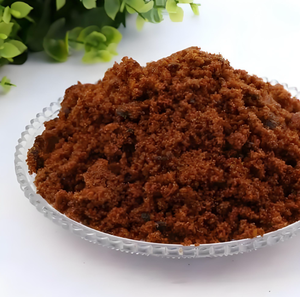
Organic Soy Protein Isolate - Beverage & Dairy Grade
Ultra-clean flavor profile tailored for soy milk alternatives, plant-based yogurts, and clean-label European formulas.
Get Catalog
High-Gelation Soy Protein Isolate for Emulsified Meat
Forms strong thermal gel matrixes to reduce purge loss and improve bite firmness in cold cuts, Kebapche, and Kufte.
Get Catalog
Textured Soy & Wheat Protein Matrix for Alt-Meat
Synergistic plant protein blend mimicking real chicken and pork muscle fibers for next-generation vegan delicacies.
Get Catalog
Food-Grade Non-GMO Soy Lecithin Powder & De-oiled
Natural emulsifying agent widely applied in Bulgarian bakery, chocolate processing, and instant dairy formulas.
Get CatalogChina to Bulgaria Soy Protein Supply Chain Dynamics & Market Intelligence
As the European Union intensifies its transition toward sustainable, non-GMO plant-based ingredients, Bulgaria has emerged as a crucial processing hub within Southeastern Europe. Food processors across industrial centers such as Sofia, Plovdiv, Veliko Tarnovo, and Stara Zagora are actively seeking dependable, high-purity soy protein supply partners to keep up with domestic consumption and regional export demands. Chinese soy protein manufacturers stand at the forefront of this industrial shift, offering unmatched production scale, advanced enzymatic hydrolysis, and stringent Identity Preserved (IP) Non-GMO certification frameworks aligned with European Food Safety Authority (EFSA) regulations.
Strategic Market Insight: Importers in Bulgaria benefit directly from China's fully integrated soybean supply chain in Northeast China (Heilongjiang Province), where ideal climatic conditions produce non-GMO soybeans with superior protein ratios and excellent natural functional properties.
Localized Application Scenarios in the Bulgarian Food Sector
Soy protein derivatives—specifically Isolated Soy Protein (SPI), Concentrated Soy Protein (SPC), and Textured Soy Protein (TSP/TVP)—play a fundamental technical role in elevating product quality, extending shelf life, and optimizing formula costs across traditional and contemporary Bulgarian food manufacturing:
- Traditional & Emulsified Meat Processing: In classic Bulgarian meat formulations like Lukanka, Sudzhuk, Kebapche, and Kufte, high-gelation SPI provides mandatory water-binding (1:5) and fat-emulsification (1:5:5) capacities. This eliminates fat separation, preserves juiciness during grilling, and ensures texture consistency during rapid industrial curing.
- Dairy Alternatives & Cheese Analogues: With growing demand for lactose-free products and traditional Bulgarian white brine cheese alternatives, functional soy protein concentrates offer smooth dispersion, rich mouthfeel, and balanced protein fortification without off-flavors.
- Industrial Bakery & Pastry Formulations: In mass-market production of Banitsa dough layers and packaged baked goods, low-viscosity soy protein isolates improve dough elasticity, enhance gas retention, and extend moisture stability during freezing and transport.
- Sports Nutrition & Functional Foods: Enzymatic hydrolyzed soy protein isolates featuring high Nitrogen Solubility Index (NSI > 90%) serve as clean-tasting, digestible protein bases for fitness drinks, dietetic meal replacements, and nutritional bars produced in Bulgaria for European distribution.
Macro Trends Driving the Bulgarian Plant Protein Market
Bulgaria’s food industry is undergoing a structural modernizing phase driven by three dominant market vectors:
- Cost Optimization vs. Inflationary Meat Prices: Replacing 10% to 30% of lean meat content with textured soy protein (TVP) or functional isolate enables meat processing plants in Plovdiv and Sofia to cushion fluctuating raw meat prices while maintaining organoleptic quality.
- EU Green Deal & Non-GMO Labeling Compliance: Bulgarian consumers and retailers demand explicit "Non-GMO" compliance. Direct import from Chinese state-audited Non-GMO IP cultivation zones guarantees strict PCR batch testing compliant with EU Directive 1829/2003 and 1830/2003.
- Logistics Efficiency via Black Sea Ports: Direct maritime container shipping routes connecting China’s main ports (Qingdao, Tianjin, Shanghai) directly to Port of Varna and Port of Burgas provide low landed costs compared to overland transit from Western Europe.
Technical Specifications & Functional Parameter Matrix
Our complete soy protein product portfolio is manufactured under ISO22000, HACCP, Halal, Kosher, and BRCGS certified quality management systems. Below is an authoritative technical comparison matrix for B2B procurement teams, food technologists, and QA managers in Bulgaria.
| Parameter | Isolated Soy Protein (SPI-90E) | Concentrated Soy Protein (SPC-70I) | Textured Soy Protein (TSP-TVP) | Hydrolyzed Soy Protein (HSP-90S) |
|---|---|---|---|---|
| Protein (Dry Basis) | ≥ 90.0% | ≥ 70.0% | ≥ 50.0% - 70.0% | ≥ 90.0% |
| Moisture Content | ≤ 7.0% | ≤ 8.0% | ≤ 9.0% | ≤ 6.0% |
| Ash Content | ≤ 6.0% | ≤ 6.5% | ≤ 6.0% | ≤ 5.5% |
| Fat Content | ≤ 1.0% | ≤ 1.0% | ≤ 1.5% | ≤ 0.8% |
| Nitrogen Solubility Index (NSI) | 85% - 92% | 60% - 75% | Insoluble Structure | ≥ 95% |
| Gel Strength (1:5.5 Sol) | 800g - 1200g/cm² | Medium Gelation | N/A (Fibrous Matrix) | Non-gelation |
| Water Hydration Ratio | 1 : 5.0 | 1 : 3.5 | 1 : 3.0 to 1 : 4.0 | Instant Dissolution |
| Heavy Metal Limits | Pb ≤ 0.2mg/kg, As ≤ 0.1mg/kg | Pb ≤ 0.2mg/kg, As ≤ 0.1mg/kg | Pb ≤ 0.2mg/kg, As ≤ 0.1mg/kg | Pb ≤ 0.1mg/kg, As ≤ 0.1mg/kg |
| GMO Status | Non-GMO IP (<0.1%) | Non-GMO IP (<0.1%) | Non-GMO IP (<0.1%) | Non-GMO IP (<0.1%) |
Why Bulgarian Buyers Partner With Our Export Network
End-to-end quality guarantees, competitive direct factory pricing, and strict European market compliance.
100% Non-GMO Identity Preserved
Every lot originates from dedicated Non-GMO planting bases in North China, verified via quantitative real-time PCR tests before shipping.
Superior Functional Consistency
Automated membrane filtration and controlled heat-treatment yield batch-to-batch consistency in gelation, emulsion, and viscosity.
Seamless Black Sea Shipping
Established freight partnerships with MSC, COSCO, and CMA CGM ensure fast ocean transit times directly to Port of Varna and Port of Burgas.
Full EU Audit Documentation
All shipments are supplied with complete documentation packs including Certificate of Analysis (CoA), Phytosanitary Certificate, Health Certificate, and EUR.1.
In-House Application Lab
Our food technologists assist Bulgarian client R&D teams with recipe optimization, textural analysis, and replacement trial formulation.
Tailored OEM Packaging
Flexible packaging options ranging from 20kg/25kg multi-wall paper bags with PE liners to 800kg/1000kg bulk jumbo totes with custom multilingual labels.
Frequently Asked Questions by Bulgarian Buyers
1. How do you guarantee Non-GMO status according to EU regulations?
We enforce a strict Identity Preserved (IP) system from raw soybean selection through production to loading. Every lot undergoes quantitative PCR testing by independent laboratories (SGS or Eurofins) to ensure GM DNA levels remain safely below the 0.1% EU labeling threshold compliant with Regulation (EC) No 1829/2003.
2. What are the typical ocean transit times from China to Port of Varna or Port of Burgas?
Direct ocean freight shipping from primary Chinese origin ports (Qingdao, Tianjin, Ningbo) to Port of Varna or Port of Burgas typically takes between 22 and 28 days depending on the selected shipping line and vessel routing.
3. What is the Minimum Order Quantity (MOQ) for direct export to Bulgaria?
Our standard MOQ is 1 x 20ft container (FCL), which typically holds 12 metric tons of Isolated Soy Protein or 10–11 metric tons of Textured Soy Protein depending on bulk density. Mixed container loads (FCL with multiple grades) are available upon request for R&D trials.
4. Can you provide custom particle sizes or custom gelation strengths for specific Bulgarian recipes?
Yes. Our processing lines can adjust mesh sizes (100 mesh, 200 mesh) and control gel strength parameters (from medium gelation at 600g/cm² to ultra-high gelation over 1200g/cm²) to match the precise shear and cooking conditions of your factory equipment.
5. What documentation is provided for customs clearance in Bulgaria?
Every commercial dispatch includes a complete set of clean documents: Commercial Invoice, Packing List, Clean On-Board Bill of Lading, Official Phytosanitary Certificate, Health Certificate, Certificate of Origin, Non-GMO Statement, and Lot-Specific Certificate of Analysis (CoA).
6. Are pre-shipment samples available for Bulgarian food research laboratories?
Absolutley. We provide free 500g to 2kg evaluation samples sent via air express courier (DHL/FedEx) direct to your production or R&D facility in Bulgaria within 5–7 business days.
Scale Your Food Production With Leading Chinese Soy Protein Technology
Connect with our senior export sales team today to receive current FOB/CIF Varna price quotes, detailed specifications, or custom formulation support.
Get Catalog