
Industrial & Food Grade Tapioca Starch Solutions
Explore our portfolio of high-purity cassava derivatives engineered for food processing, paper manufacturing, adhesives, and pharmaceutical applications.
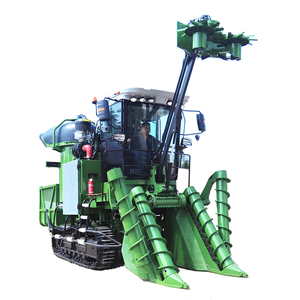
Native Tapioca Starch (Superfine Food Grade)
100% pure cassava extract offering high paste clarity, neutral taste, and exceptional viscosity stability. Ideal for noodles, bakery, and sauces.
Get Catalog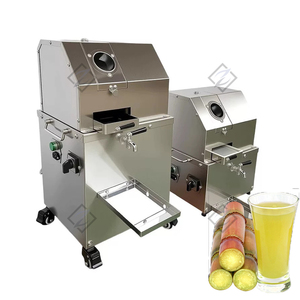
Acetylated Distarch Phosphate (E1422 / E1442)
Cross-linked modified starch designed for extreme freeze-thaw stability, high shear resistance, and thermal endurance in processed foods.
Get Catalog
USDA Organic Certified Tapioca Starch
Sourced from certified organic cassava plantations in Southern Vietnam. Non-GMO Project Verified, chemical-free processing for clean-label formulas.
Get Catalog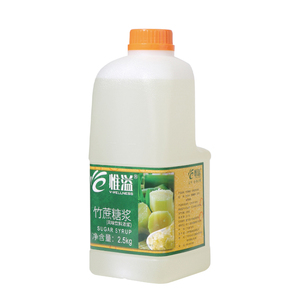
Tapioca Maltodextrin & Syrup Solids
Hydrolyzed starch solids serving as ultra-clean spray-drying carriers, flavor encapsulators, and texture modifiers for plant-based formulations.
Get Catalog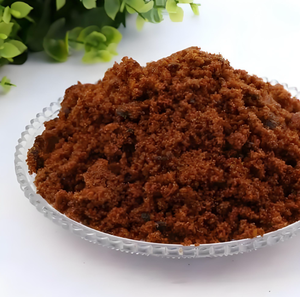
Cationic & Oxidized Industrial Tapioca Starch
Engineered for wet-end paper sizing, corrugated board adhesives, and textile warp sizing. Delivers high tensile strength and internal bonding.
Get Catalog
Alpha Pre-gelatinized Tapioca Starch
Cold-water-swelling physical modification providing instant viscosity without cooking. Essential for instant puddings, soups, and bakery mixes.
Get Catalog
Boba Pearl Grade High-Viscosity Tapioca Starch
Specialty high-elasticity native cassava starch crafted specifically for bubble tea boba pearls, offering chewiness and extended shelf life.
Get Catalog
Refined & Raw Cane Sweetener Blends
High-purity sucrose and liquid sweetener solutions integrated alongside tapioca carbohydrates for comprehensive food matrix formulation.
Get CatalogHo Chi Minh City: Global Epicenter of Cassava & Tapioca Starch Supply Chains
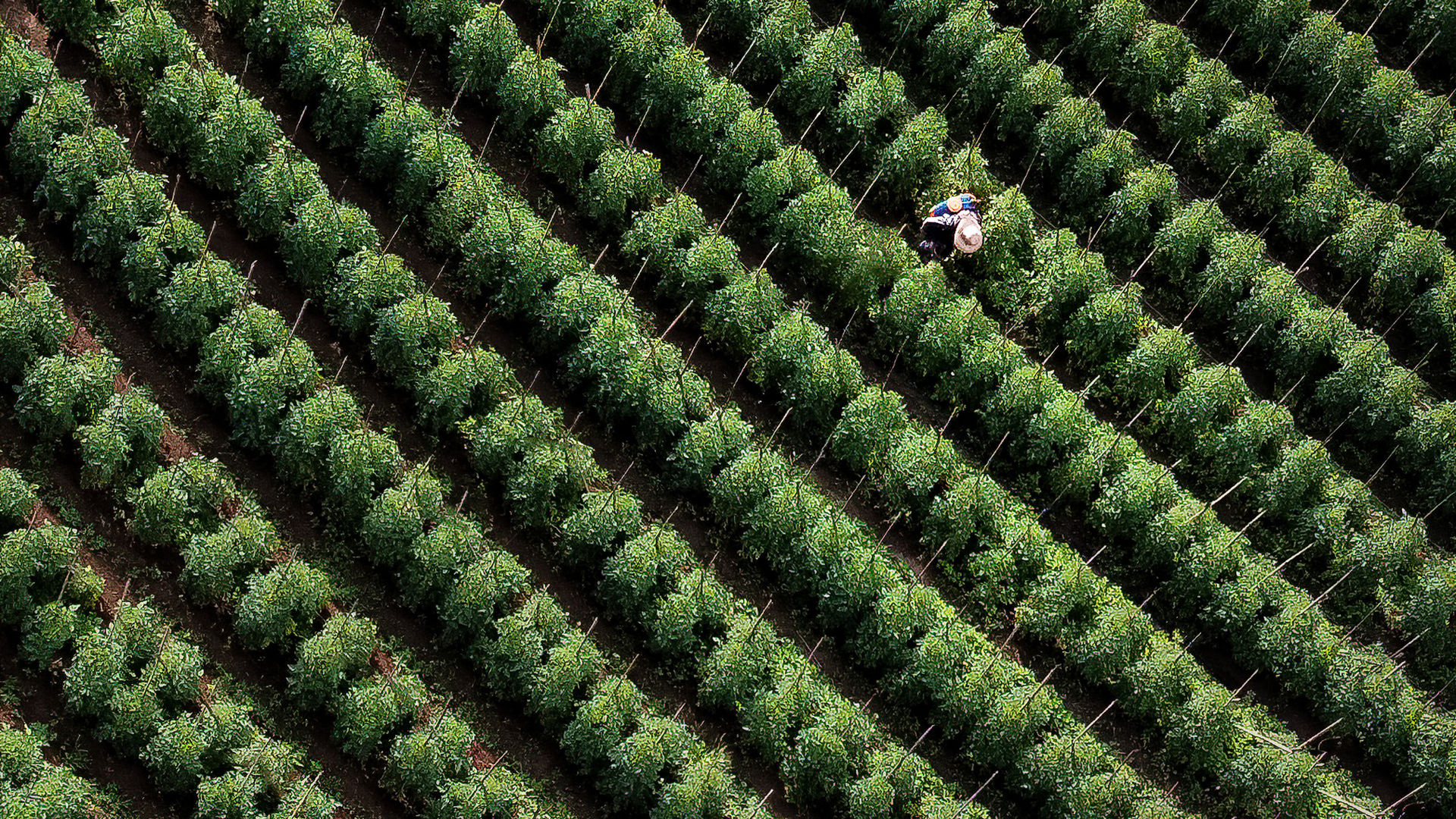
Southern Vietnam—anchored by Ho Chi Minh City as its primary logistical, financial, and shipping engine—represents one of the most concentrated and high-yielding cassava production corridors on Earth. Regions such as Tây Ninh, Bình Dương, Đồng Nai, and Đắk Lắk feature rich volcanic and alluvial soils, optimal tropical humidity, and sunlight hours that yield cassava roots (Manihot esculenta) with extraordinarily high starch content (25%–30% raw root starch density).
Establishing Ho Chi Minh City as our global manufacturing and export headquarters grants direct access to major maritime infrastructure, including Cát Lái Port, SP-ITC, and the Cai Mep Deep-Sea Container Terminal Complex. This ensures seamless containerized shipping and bulk vessel loading, allowing international procurement teams to bypass intermediary trading desks, reduce ocean lead times, and secure direct factory-gate pricing with fully verified supply continuity.
- Unmatched Rheological Profile: High peak viscosity (700–1000 Brabender Units), neutral flavor profile, and crystal-clear gelatinization paste.
- Strategic Maritime Proximity: Express customs clearance at HCMC terminals with containerized loading under insulated moisture barriers.
- Rigorous Chemical Compliance: Guaranteed sulfur dioxide (SO2) content strictly controlled under 10 ppm, meeting US FDA, EU 1829/2003, and Japan MHLW standards.
Direct Manufacturer vs. Trader Advantage
Procuring tapioca starch through traditional brokers introduces risks of lot blending, inconsistent viscosity ranges, and documentation gaps during third-party audits.
Our integrated processing facility controls every stage—from fresh root harvesting within 24 hours of extraction to closed-loop hydrocyclone washing, flash drying, and automated multi-wall paper valve packing in HCMC.
Localized & Global Industrial Application Scenarios
How our refined cassava starches are deployed across high-performance food engineering and heavy industrial processing environments.
Noodle & Rice Product Formulation
Widely utilized across Vietnam’s massive instant noodle and rice paper (Bánh Tráng) manufacturing ecosystem in Southern Vietnam. Adding native and modified tapioca starch enhances noodle elasticity, reduces boiling loss, imparts translucent shine, and delivers an authentic chewy ("Q") texture.
Frozen Foods & Dairy Gelation
Modified starches such as E1422 and E1442 provide superior freeze-thaw stability across repeated temperature fluctuations. They prevent syneresis (water weeping) in frozen ready-meals, dim sum, fruit fillings, yogurts, and plant-based dairy alternatives without altering product flavor.
Paper, Corrugating & Packaging Adhesives
High-volume paper packaging plants in Bình Dương and Long An rely on our oxidized and cationic tapioca starches for surface sizing and wet-end strength additions. They create rapid, fiber-tearing green bonds on high-speed corrugated board production lines.
Technical Specifications & Quality Benchmark Matrix
Comprehensive chemical, physical, and microbiological standards for our export-grade tapioca starch lineup.
| Quality Parameter | Superfine Native Grade | Modified Grade (E1422 / E1442) | Organic Certified Native | Testing Method Standard |
|---|---|---|---|---|
| Starch Content (Dry Basis) | ≥ 85.0% | ≥ 84.0% | ≥ 85.0% | ISO 10520 / Polarimetric |
| Moisture Content | ≤ 12.5% - 13.0% | ≤ 13.0% | ≤ 12.5% | ISO 1666 (105°C Oven) |
| Whiteness / Brightness | ≥ 92.0% - 95.0% | ≥ 90.0% | ≥ 92.0% | Kett Photoelectric Tester |
| pH Value (10% aqueous suspension) | 5.0 – 7.0 | 4.5 – 6.5 | 5.0 – 7.0 | pH Meter @ 25°C |
| Peak Viscosity (6% dry basis) | ≥ 750 – 950 BU | Custom / High Thermal Stability | ≥ 700 – 900 BU | Brabender Viscograph / RVA |
| Ash Content | ≤ 0.20% | ≤ 0.40% | ≤ 0.20% | ISO 5984 (550°C Muffle) |
| Sulfur Dioxide (SO2) | ≤ 10 ppm (Food Grade) | ≤ 30 ppm | Nil (0 ppm) | Monier-Williams Method |
| Fineness (Sieve Retention) | ≥ 99.5% through 100 mesh | ≥ 99.5% through 100 mesh | ≥ 99.5% through 100 mesh | Wet Sieve Testing |
1. The Shift Toward Clean-Label & Non-GMO Hydrocolloids
Global food manufacturers are increasingly phasing out modified corn starch and synthetic thickeners in favor of clean-label tapioca starch. Tapioca naturally possesses a neutral flavor profile (eliminating the need for flavor masking agents), is inherently gluten-free, non-GMO, and produces smooth, glossy textures without cloudiness.
2. Sustainable Agronomy & Biomass Utilization in Vietnam
Southern Vietnam’s starch industry is undergoing a green transition. Modern processing plants around Ho Chi Minh City utilize cassava pulp residue for biogas power generation and organic soil conditioning, drastically reducing the carbon footprint per metric ton of exported starch.
Enterprise Procurement Advantages & Supply Chain Security
Navigating global agricultural markets requires more than just low unit pricing—it requires supply chain resilience, batch consistency, and bulletproof compliance documentation. Leveraging the multi-generational ingredient expertise of Peachtree Commodities alongside our direct manufacturing footprint in Vietnam, we offer an uncompromised supply platform.
Every shipment undergoing export from Ho Chi Minh City is accompanied by a full audit pack: Lot-specific Certificate of Analysis (CoA), USDA Organic / NOP Transaction Certificates (where applicable), Non-GMO statements, Halal & Kosher certificates, Heavy Metal & Pesticide Residue reports, and Phytosanitary certificates.
- US & European Buffer Warehousing: We maintain strategically positioned safety stock across North American and European organic-certified warehouses to absorb freight delays.
- Custom Packaging Formats: Supplied in standard 25 kg multi-wall paper valve bags, 850 kg / 1,000 kg bulk jumbo bags (FIBC), or bulk flexitank containers.
- Contracted Annual Price Lock Programs: Safeguard your cost-of-goods-sold (COGS) against raw crop seasonality fluctuations through fixed annual volume contracts.
Frequently Asked Questions by B2B Procurement Buyers
Addressing key technical, logistical, and commercial inquiries regarding tapioca starch supply from Ho Chi Minh City.
What is the typical minimum order quantity (MOQ) for ocean export from HCMC?
Our standard Minimum Order Quantity for export shipments direct from Ho Chi Minh City ports (Cat Lai / Cai Mep) is one full 20-foot FCL container (approx. 19.0 to 20.0 Metric Tons in 25 kg bags, or 17.0 Metric Tons in bulk jumbo bags). For R&D formulation trials, pilot-scale sample bags (1 kg to 25 kg) are available for international express dispatch.
How do you prevent moisture absorption and caking during ocean transit through humid sea routes?
Tropical humidity management is vital. All our export containers receive full interior Kraft paper insulation and PE-liners. Bags are packed in multi-ply moisture-barrier paper bags with inner polyethylene heat-sealed liners. Containerized desiccants (silica/calcium chloride poles) are placed inside every container to prevent container rain during transit across equatorial shipping lanes.
What is the shelf life and optimal storage condition for native vs. modified tapioca starch?
Unopened native and modified tapioca starch has a verified shelf life of 24 months from the date of manufacture. It should be stored in a cool, dry warehouse environment (temperature < 25°C, relative humidity < 65%) elevated off pallet floors and away from strong odors or direct sunlight.
What technical documentation accompanies each commercial container shipment?
Every lot shipped carries a comprehensive documentation pack: Lot-specific Certificate of Analysis (CoA), Bill of Lading, Commercial Invoice, Packing List, Phytosanitary Certificate, Certificate of Origin (Form E, Form B, or EUR.1 where applicable), Non-GMO Declaration, Allergen-Free Statement, and Kosher/Halal Certificates.
How does tapioca starch compare structurally to corn starch in food processing?
Tapioca starch gelatinizes at a lower temperature (~65°C vs. ~75°C for corn starch), forms a substantially clearer paste, and exhibits higher paste clarity and lower retrogradation (staling/gelling upon cooling). It lacks the cereal flavor notes inherent to corn starch, making it superior for delicate flavors, fruit systems, and frozen products.
Can you custom-modify starch viscosity to fit our automated production line machinery?
Yes. Our R&D technical application laboratory in Ho Chi Minh City can tailor physical and chemical modification profiles—adjusting peak viscosity (BU/RVA), cold-water solubility, gelatinization temperature, and acid/shear tolerance—to match your specific equipment shear rates and cooking parameters.
Secure Your Tapioca Starch Supply Line Direct from HCMC
Partner with an established manufacturer and international distributor. Request technical specification sheets, sample packs, or a competitive container FOB/CIF quotation today.
Get Catalog