

Featured Ingredient Portfolio & Export Supply
Direct factory sourcing of premium tapioca maltodextrin, plant extracts, and refined sweetener systems engineered for high-precision Japanese food processing.


Technical Specification & Molecular Properties of Tapioca Maltodextrin
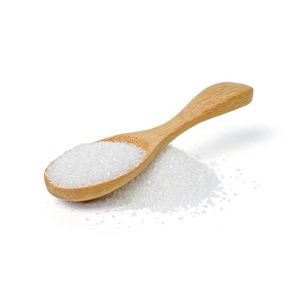
Tapioca Maltodextrin (CAS No. 9050-36-6) is a hydrolyzed starch polysaccharide derived from high-purity cassava roots (Manihot esculenta). Characterized by a Dextrose Equivalent (DE) value typically ranging from 10 to 20, tapioca maltodextrin serves as an essential functional ingredient in modern food architecture, beverage formulation, and pharmaceutical tableting.
Unlike corn-derived or wheat-derived maltodextrins, tapioca maltodextrin offers a remarkably ultra-neutral flavor profile, exceptional enzymatic clarity, and a non-allergenic, gluten-free pedigree. Through controlled enzymatic hydrolysis utilizing food-grade alpha-amylase enzymes, cassava starch chains are cleaved into specific oligosaccharide fractions. This yields a spray-dried, free-flowing white powder with predictable molecular weight distribution, optimal solubility curves, and exceptionally low hygroscopicity.
| Physicochemical Parameter | Standard Grade (DE 10–15) | High-Solubility Grade (DE 15–20) | Analytical Method Standard |
|---|---|---|---|
| Dextrose Equivalent (DE) | 10.0 - 15.0 | 15.1 - 20.0 | Lane-Eynon Titration / HPLC |
| Moisture Content (%) | ≤ 5.0% | ≤ 5.0% | Vacuum Oven Method (105°C) |
| pH (20% Aqueous Solution) | 4.5 - 6.5 | 4.5 - 6.5 | Potentiometric pH Meter |
| Bulk Density (g/cm³) | 0.38 - 0.48 | 0.40 - 0.52 | Tapped Bulk Density Tester |
| Solubility Index (%) | ≥ 98.5% | ≥ 99.8% | Gravimetric Ambient Water Test |
| Heavy Metals (Lead/Arsenic) | < 0.1 ppm / < 0.1 ppm | < 0.1 ppm / < 0.1 ppm | ICP-MS Spectrometry |
For industrial buyers in the Chubu economic region—specifically food processing facilities surrounding the Port of Nagoya—understanding these molecular parameters is critical. The precise ratio of linear amylose to branched amylopectin in tapioca gives its maltodextrin superior film-forming capability, lower retrogradation tendencies, and enhanced freeze-thaw stability compared to cereal starches.
Localized Application Scenarios in Nagoya's Food Processing Industry
Nagoya and the broader Aichi Prefecture represent one of Japan’s most dense food technology and manufacturing hubs. Famous for traditional savory pastes, instant broth formulations, high-end confectionery (Wagashi), and cutting-edge functional nutrition, Nagoya food engineers demand rigorous batch-to-batch consistency from ingredient exporters. Tapioca maltodextrin fulfills specific localized industrial challenges across five primary domains:
Spray-Drying Carrier for Miso & Dashi Powders
Nagoya is world-renowned for Hatcho Miso and savory dashi concentrates. When converting sticky, high-protein fermented pastes into instant dry seasonings, tapioca maltodextrin acts as an ideal drying aid. Its high glass transition temperature (Tg) prevents caking, protects delicate aromatic volatile compounds, and preserves authentic flavor profiles without imparting unwanted cereal sweetness.
Moisture Retention in Wagashi & Baked Goods
In fine Japanese confectionery (Wagashi), texture control and water activity (aw) management are paramount. Incorporating DE 10–12 tapioca maltodextrin inhibits sugar crystallization, extends shelf-life softness in rice cakes and bean paste fillings, and maintains smooth mouthfeel during ambient distribution across Japanese convenience store networks.
Encapsulation Matrix for Green Tea & Bioactives
With Aichi Prefecture’s proximity to Nishio—one of Japan's premier matcha producing zones—tapioca maltodextrin is heavily utilized for spray-drying green tea polyphenols, catechins, and delicate flavor oils. Its clear solubility and bland background taste ensure that vibrant green color and micro-nutritive integrity are preserved intact.
Furthermore, local sports nutrition brands located in Nagoya utilize high-DE tapioca maltodextrin in instant recovery gels and powdered intra-workout formulas. The rapid gastric emptying rate of hydrolyzed tapioca starch provides an immediate glycogen replenishment route without triggering osmotic gut discomfort common with simple glucose or fructose loads.
Nagoya & Japan Food Industry Procurement Trends
Procurement teams across Japanese food manufacturing sectors are navigating an unprecedented shift toward clean-label, plant-based, and non-allergenic raw materials. Key market drivers reshaping tapioca maltodextrin import volumes through Nagoya include:
- ✓ Stringent Gluten-Free & Allergen Isolation: Japan's Consumer Affairs Agency (CAA) enforces strict mandatory labeling for major allergens. Tapioca maltodextrin naturally sidesteps wheat gluten and corn allergen cross-contamination concerns, giving manufacturers a clean regulatory clearance pathway.
- ✓ Non-GMO Project Verification & Natural Image: Unlike domestic or imported corn starches which face consumer scrutiny over genetically modified crops, cassava root starch is inherently Non-GMO. This aligns perfectly with JAS (Japanese Agricultural Standards) clean label consumer expectations.
- ✓ Supply Chain Security via Nagoya Port Infrastructure: Importers in Aichi demand just-in-time delivery guarantees to minimize warehouse holding costs. Reliable factory exporters offering containerized shipping directly into the Port of Nagoya with complete pre-shipment documentation ensure uninterrupted factory production schedules.
Enterprise Advantages: Why Leading Nagoya Manufacturers Partner With Us
Grounded in three generations of industrial ingredient leadership, our enterprise delivers certified organic, natural, and Non-GMO ingredient platforms with uncompromising quality assurance. Derived from verified primary processing mills, our tapioca maltodextrin is backed by an end-to-end audit trail.
15+ Years of Dedicated Expertise
Over a decade and a half of refined starch hydrolysis, export documentation management, and international freight coordination dedicated to food & beverage processors worldwide.
Complete Compliance Document Pack
Every single shipment arrives with a lot-specific Certificate of Analysis (CoA), organic transaction certificate, allergen & GMO declaration, Kosher verification, and heavy metal testing.
Strict Origin Auditing & Farm Traceability
We work directly with certified cassava farming cooperatives and origin processing plants—never anonymous brokers—guaranteeing 100% agronomic and chemical purity.
Flexible Industrial Packaging & Warehousing
Supplies available in 25kg multi-wall paper bags with PE liners, 1,000kg bulk totes, and palletized stretch-wrapped setups optimized for Japanese container offloading facilities.
Frequently Asked Questions by Nagoya Procurement Teams
Direct technical and commercial answers addressing common inquiries from quality control and purchasing departments in Japan.
Accelerate Your Formulation with Premium Tapioca Maltodextrin
Request technical specification sheets, custom DE formulation quotes, or pilot testing samples today. Our dedicated commercial specialists are ready to support your Nagoya manufacturing goals.
Get Catalog