

Featured Export Ingredients & Processing Technology
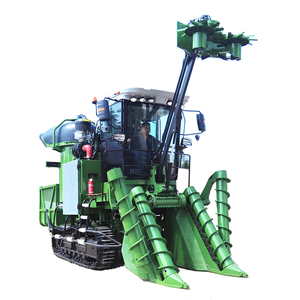
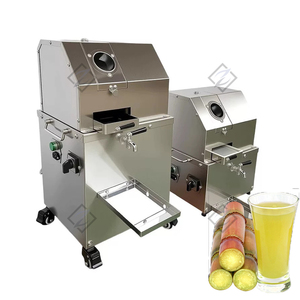
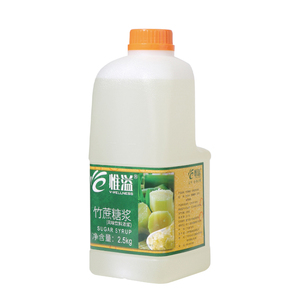
Industrial grade, non-GMO, USDA Organic certified syrup bases, natural sweeteners, and sugar processing machinery optimized for Thai F&B manufacturing lines.
1. Strategic Overview: The Rise of Organic Rice Syrup in Thailand's Industrial Landscape
Thailand has long been recognized as the "Kitchen of the World," serving as an agricultural powerhouse and a global hub for food processing. Over the past decade, global consumer demand has shifted dramatically away from High Fructose Corn Syrup (HFCS) and artificial sweeteners toward transparent, clean-label plant-based ingredients. As a direct result, Rice Syrup Manufacturers & Exporters in the Thailand market have emerged as pivotal supply chain partners for multinational food brands, functional beverage formulators, and local processing giants.
Rice syrup (also known as brown rice syrup or liquid maltose) is produced through enzymatic hydrolysis of whole grain brown or white rice starches. Unlike refined cane sugars or HFCS—which induce rapid glycemic spikes and carry chemical solvent residue concerns—clarified rice syrup provides a balanced carbohydrate profile comprising glucose, maltose, and complex oligosaccharides. This composition renders it ideal for applications requiring sustained energy release, humectancy, freeze-thaw stability, and subtle sweetness without masking delicate natural flavors.
As food safety standards become increasingly stringent across North America, the European Union, and East Asia, procurement teams sourcing from or operating within Thailand require high-potency technical data, verified allergen-free compliance, and absolute heavy metal mitigation guarantees. This whitepaper serves as an authoritative technical breakdown of rice syrup engineering, localized industrial applications in Thailand, regulatory compliance standards, and strategic procurement considerations.
Table 1.1: Physicochemical Comparison of Industrial Sweetener Bases in Thai F&B Manufacturing
Understanding the molecular behavior of different carbohydrate platforms is crucial for R&D formulators when substituting conventional cane sugar or HFCS with tailored rice syrup solutions.
| Physicochemical Parameter | Clarified Rice Syrup (Organic) | High Fructose Corn Syrup (HFCS-55) | Refined Liquid Cane Sugar | Tapioca Syrup Base |
|---|---|---|---|---|
| Carbohydrate Composition | 45-65% Maltose, 15-20% Glucose, Complex Polymer Trisaccharides | 55% Fructose, 42% Glucose, 3% Higher Carbohydrates | 99.9% Sucrose (Inverted to Glucose/Fructose) | 50-60% Maltose, 10-15% Glucose, High Complex Oligosaccharides |
| Glycemic Index (GI) | Moderate to High (Sustained Release) | High (Immediate Metabolic Spike) | High (65 - 70) | Moderate (60 - 65) |
| Fructose Content | 0.0% (100% Fructose-Free) | 55.0% | 50.0% (post-hydrolysis) | 0.0% (Fructose-Free) |
| Flavor Profile & Clarity | Neutral sweet profile; crystal clear to translucent gold | Pungent sweet; water-white clarity | Clean, sharp sweet profile; water-white | Neutral sweet; crystal clear |
| Humectancy & Viscosity | High binding capacity; prevents sugar crystallization | Low viscosity; prone to syneresis | Standard viscosity; crystal formation risk | Superior humectancy; soft texture retention |
| Allergen & GMO Risk | 100% Allergen-Free & Non-GMO | High GMO corn risk; allergen labeling required | Non-GMO; standard sugarcane origin | Non-GMO; cassava root origin |
2. Localized Industrial Application Scenarios across Thailand’s Core Sectors
Thailand’s domestic manufacturing sector presents unique environmental and logistical challenges, including elevated tropical ambient humidity, high export quality thresholds, and rigid dietary compliance demands (such as Halal and USDA Organic). Below are four specialized industrial application scenarios where rice syrup serves as a functional game-changer.
Ready-to-Drink (RTD) & Thai Milk Tea Bottling
In hot, humid climates, RTD beverage manufacturers face significant challenges with sugar sedimentation and flavor breakdown. High-maltose rice syrup provides controlled sweetness (DE 42-60), smooth mouthfeel, and superior solubility in cold-fill and hot-fill processing lines without clouding or precipitating.
Infant Foods & Clean-Label Nutritional Formulas
Thailand is a major exporter of specialized pediatric nutrition to the ASEAN region. Clarified rice syrup contains zero fructose, preventing metabolic stress in infant digestive tracts. Rigorous heavy metal processing guarantees inorganic arsenic levels well below strict European and Asian regulatory limits (<0.02 ppm).
Sauce, Condiment & Thai Paste Manufacturing
Thailand’s world-famous sweet chili sauces, curry pastes, and savory glazes rely heavily on osmotic pressure control and viscosity management. Low-DE rice syrup acts as a natural binder, preventing moisture separation (syneresis) and imparting a natural glossy sheen to bottled sauces exported worldwide.
Confectionery & Energy Bar Binding
Snack bar producers require non-crystallizing binding syrups that maintain pliability over a 24-month shelf life. High-maltose brown rice syrup offers ideal moisture retention properties, preventing cereal bars from hardening or becoming brittle in tropical transport environments.
3. Localized Market Trends: Navigating Thailand's Excise Tax & Clean-Label Mandates
The manufacturing ecosystem in Thailand is undergoing a structural evolution driven by both domestic regulatory reform and shifting export market requirements. Key macro-environmental trends influencing ingredient sourcing include:
A. The Impact of Thailand's Sugary Drink Excise Tax
The Thai Ministry of Finance implemented progressive excise tax hikes targeting sugar content in non-alcoholic beverages. Beverages containing more than 6 grams of total sugar per 100 ml face steep per-liter tax penalties. Food engineers are actively reformulating products by replacing sucrose with functional carbohydrates like low-DE rice syrup and maltodextrin. These solutions reduce measured sugar content while preserving body, viscosity, and sensory texture.
B. Explosion of Plant-Based Dairy Alternatives in Southeast Asia
Coconut, soy, oat, and rice milk beverages are experiencing double-digit compound annual growth (CAGR) across Thailand and neighboring ASEAN markets. Conventional dairy processing enzymes do not interact well with plant protein matrices. Clarified rice syrup serves as a harmonizing carbohydrate base, stabilizing proteins against heat denaturation during Ultra-High Temperature (UHT) sterilization processes.
C. Escalating Demand for Certified Organic & Regenerative Ingredients
Export markets—particularly the United States, EU, Japan, and Australia—increasingly mandate third-party organic integrity verification. Modern procurement departments demand full supply chain traceability from paddy field planting to final flexitank loading. B2B buyers require complete transaction certificates (NOP/EU Organic) and non-GMO verification to clear international customs without friction.
4. Enterprise Advantages: Technical Mastery & Supply Chain Integrity
As a leading partner for high-purity rice syrup and natural carbohydrate sweeteners, our infrastructure is built specifically to address the rigorous requirements of industrial B2B procurement teams. Leveraging multi-generational agricultural expertise and state-of-the-art refining technology, we guarantee standard-setting reliability.
A. Advanced Enzymatic Hydrolysis & Heavy Metal Mitigation
Arsenic contamination remains a paramount concern in rice-derived ingredients due to the natural bioaccumulative properties of paddy field soil. Our processing facilities employ proprietary multi-stage carbon filtration, ion-exchange resin purification, and specialized micro-filtration protocols. This ensures that every batch of organic brown rice syrup, clarified rice syrup, and rice protein isolate achieves non-detectable or ultra-low heavy metal thresholds compliant with stringent global pediatric food standards.
B. Comprehensive Regulatory Documentation Pack
We eliminate supply chain bottlenecks by pairing every single shipment with an audit-ready compliance dossier. When your shipment arrives at Bangkok (Klong Toey) Port or Laem Chabang Deep Sea Port, your customs clearing team receives a complete documentation pack, including:
- Lot-Specific Certificate of Analysis (CoA): High-Performance Liquid Chromatography (HPLC) carbohydrate distribution profile, Brix degrees, color clarity, micro-count, and heavy metal screen.
- Organic Transaction Certificates (NOP / EU / JAS): Unbroken chain of custody documentation from certified organic rice farmers to final container seal.
- Halal & Kosher Certification: Full accreditation by the Central Islamic Council of Thailand (CICOT) and recognized international Kosher councils.
- Technical Dossiers: GMO-free declaration, allergen-free statement, country-of-origin documentation, and shelf-life stability test logs.
C. Tailored Packaging Formats & Cold-Chain / Bulk Logistics
Whether supplying high-volume multinational processing plants or mid-sized specialized formulators, our packaging solutions are designed to maintain physical stability under extreme ambient tropical conditions:
- 275-Gallon / 1,000-Liter Liquid IBC Totes: High-density poly-containers with heavy-duty metal cages and integrated bottom-discharge valves.
- 20-Foot Bulk Flexitanks: Sterile food-grade flexibags accommodating up to 24,000 kg of liquid rice syrup for maximum freight cost optimization.
- 25-Bag Multi-Wall Paper Drums with PE Liners: Dehydrated rice syrup solids and rice protein powders protected against atmospheric moisture absorption.
Frequently Asked Questions (FAQ) for Thailand Procurement Teams
Direct answers to common technical, regulatory, and logistics queries raised by Thai food and beverage manufacturers.
Accelerate Your Clean-Label Reformulation Today
Request lot-specific samples, technical spec sheets, and competitive spot or annual contract pricing for USDA Organic & Non-GMO Rice Syrups tailored for the Thailand market.
Get Catalog