
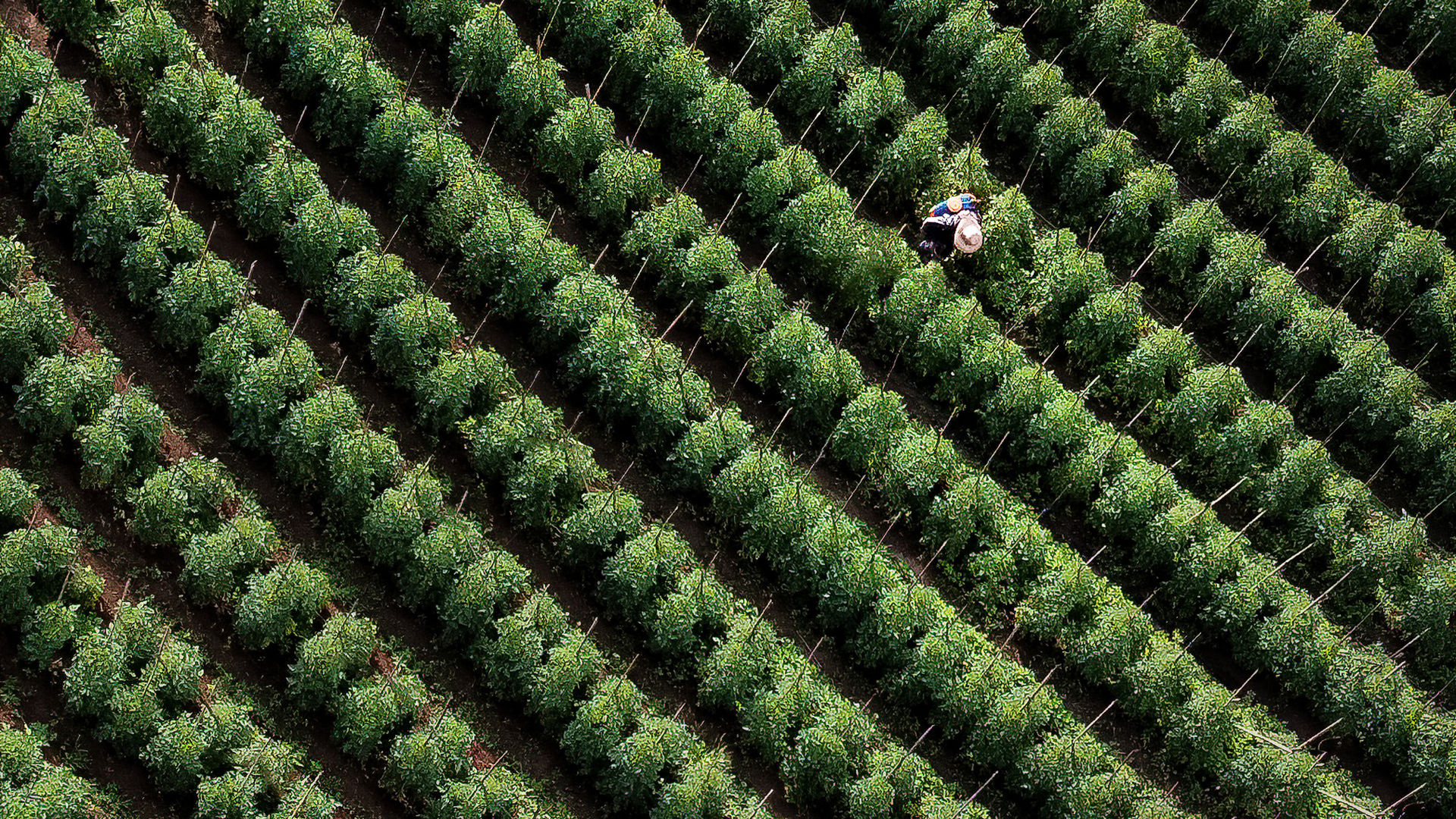
Featured Glucose & Sweetener Solutions for Serbia
Fully compliant with EU regulations and Serbian food quality standards (Pravilnik o kvalitetu skroba i skrobnih proizvoda). Available in flexitanks, IBC totes, and drums.

High-Maltose Glucose Syrup (DE 42-60)
Low hygroscopic industrial syrup optimized for hard candy crystal resistance and Serbian confectionery manufacturing.
Contact Us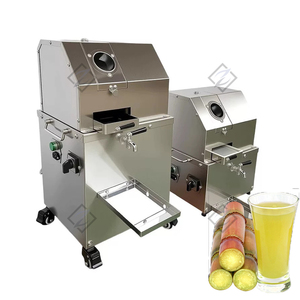
Liquid Clarified Cane Syrup Concentrate
Pure liquid sweetener base for direct incorporation into beverage, dairy, and bakery production lines.
Contact Us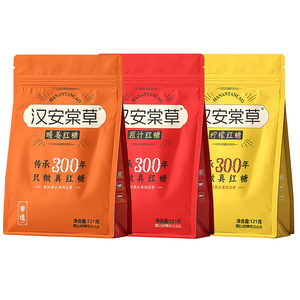
Refined Specialty Sugar Lumps & Cubes
Premium sucrose cubes tailored for beverage service, specialty food formulations, and retail distribution.
Contact Us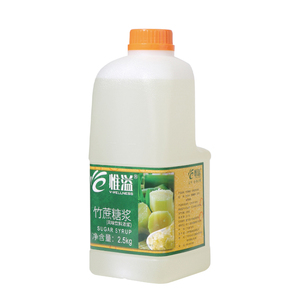
Natural Rock Sugar Syrup & Flavor Substrates
High-clarity viscous syrup designed for specialty tea formulations, craft beverages, and sauce glazes.
Contact Us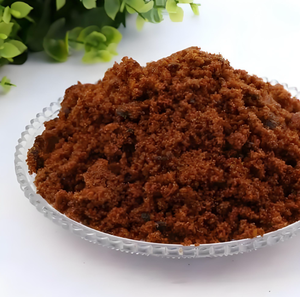
Bulk Unrefined Food-Grade Brown Cane Sugar
Rich molasses-profile natural sweetener supplied in bulk 25kg and 1,000kg bags for commercial bakery facilities.
Contact Us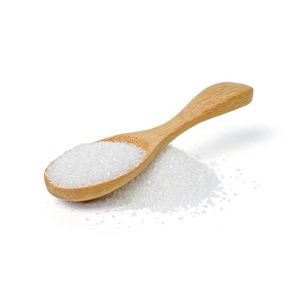
Standard Refined White Cane Sugar (ICUMSA 45)
High-purity crystalline sucrose guaranteeing minimal ash content and fast dissolution in food processing.
Contact Us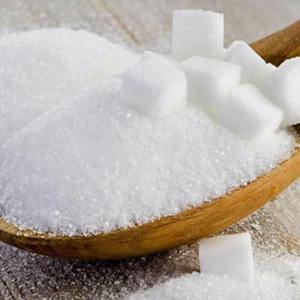
Granular Commercial White Sugar (50kg Multi-Wall)
Heavy-duty food-grade packaging designed for long-distance export logistics and warehouse storage in Belgrade.
Contact Us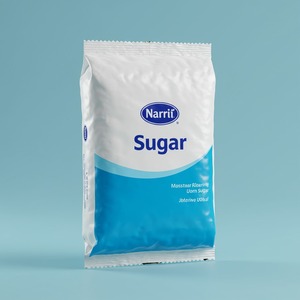
Custom-Packaged Raw Cane Sugar for OEM Brands
Tailored mesh sizes, moisture protection linings, and flexible packaging options for large Serbian food plants.
Contact UsSerbia's Industrial Glucose & Sweetener Market Dynamics
An executive whitepaper on starch hydrolysis imports, local regulatory integration, and supply chain optimization across the Republic of Serbia.
Strategic Sourcing Executive Overview for Serbian Buyers
As the Republic of Serbia expands its agricultural and food processing footprint across Southeast Europe, key industrial clusters in Vojvodina (Novi Sad, Subotica), Belgrade, Vršac, and Šabac are driving unprecedented demand for stable, high-performance starch derivatives. Glucose syrup serves as a non-negotiable functional backbone across confectionery, industrial baking, beverage brewing, and dairy manufacturing.
Navigating international market fluctuations requires Serbian procurement teams to partner directly with primary producers capable of delivering consistent Dextrose Equivalent (DE) grading, strict viscosity tolerance, and bulletproof chain-of-custody documentation. By bypassing speculative commodity traders, food manufacturers lock in formula predictability and sustainable margins.
Rheological & Functional Precision
Commercial liquid glucose syrup is produced via the controlled enzymatic hydrolysis of food-grade starch. The extent of conversion dictates the proportion of monosaccharides (dextrose), disaccharides (maltose), and higher oligosaccharides. In hard candy production, precise DE control prevents sucrose recrystallization ("graining") while ensuring the proper glass transition temperature ($T_g$) necessary to handle summer ambient temperatures in the Balkan region.
Balkan Corridor Transit Logistics
Shipping high-viscosity liquid sweeteners to landlocked manufacturing hubs in Serbia demands specialized logistics. Our export architecture leverages multi-modal shipping lines arriving via the Port of Bar (Montenegro), Port of Rijeka (Croatia), or Port of Thessaloniki (Greece), followed by direct rail or road tanker transit. Flexitanks engineered with thermal insulation maintain ideal viscosity and protect liquid glucose against cold-weather crystallization during winter transits across the Carpathian and Balkan mountain routes.
Customs & Compliance Engineering
Importing raw ingredients into Serbia requires complete alignment with the Ministry of Agriculture, Forestry and Water Management and local sanitary inspections. Every shipment exported by our team includes batch-specific Certificates of Analysis (CoA), non-GMO verification, heavy metal screens, pesticide residue reports, and Kosher/Halal certification, eliminating customs bottlenecks at border crossings like Horgoš, Batrovci, or Preševo.
Targeted Applications Across Serbia’s Food Processing Sectors
How our tailored liquid glucose syrups optimize formulation stability, shelf-life, and sensory profiles in local production environments.
| Serbian Industrial Sector | Primary Technical Requirement | Recommended Glucose DE Profile | Functional Impact on Final Product |
|---|---|---|---|
| Confectionery & Hard Candies (Vršac, Subotica Clusters) |
Crystallization control, clarity, thermal resistance | Low-DE / High Maltose Glucose (DE 38 - 43) | Prevents sugar graining, optimizes glass structure, reduces cold flow and hygroscopic stickiness during humid summer storage. |
| Industrial Bakery & Biscuits (Vojvode, Belgrade Hubs) |
Maillard browning, moisture retention (humectancy) | Standard Medium DE Glucose (DE 42 - 45) | Imparts attractive crust color, delays starch retrogradation (staling), enhances crumb softness in packaged cookies and cakes. |
| Traditional Jams, Marmalades & Jellies (Šabac, Čačak Processing Plants) |
Pectin gelling support, solids (Brix) building | High DE Glucose Syrup (DE 60 - 68) | Replaces sucrose partially to lower sweetness intensity, boosts osmotic pressure to inhibit microbial growth without sugar seeding. |
| Dairy, Ice Cream & Frozen Desserts (Central Serbia Facilities) |
Freezing point depression, creaminess, scoopability | High Maltose / High DE Glucose Formulations | Controls ice crystal growth during transport cold chains, improves mouthfeel density, balances total solids in low-fat recipes. |
| Beverage & Craft Brewing (Pančevo, Novi Sad Plants) |
Fermentable sugars balance, viscosity modification | High Dextrose / High Maltose Liquid Syrups | Serves as an efficient fermentation substrate, increases liquid body without leaving sticky residual sweetness. |
1. Advanced Confectionery Rheology (Ratluk, Pralines, Toffees)
Serbia's rich confectionery tradition relies heavily on starch hydrolysates to achieve precise textural density. In traditional confections such as ratluk (Turkish delight) and caramel pralines, controlling water activity ($a_w$) is critical to preventing syneresis and yeast spoilage. Our high-maltose liquid glucose syrups provide superior moisture-binding capacity while maintaining low osmotic pressure, ensuring products retain their chewy elasticity throughout their commercial shelf life across regional retail channels.
2. Fruit Processing & Preserves in Central & Southern Serbia
Regions surrounding Čačak, Valjevo, and Leskovac are renowned for fruit cultivation—including plums, sour cherries, and raspberries. Industrial processors converting fresh fruit harvests into commercial jams and bakery fillings require glucose syrup with a high degree of clarity and neutral flavor. Utilizing our DE 60-65 syrup elevates soluble solids ($\text{Brix}^\circ$) without masking natural fruit aromas or causing cloudiness, delivering crystal-clear glazes for domestic sales and export to Western EU markets.
Localized Sweetener Trends Shaping the Serbian Market
Regulatory shifts, health-conscious consumer preferences, and sustainable supply initiatives driving industrial formulation adjustments.
Non-GMO Certification Imperative
Serbian legislation strictly prohibits the cultivation and commercialization of genetically modified organisms (GMOs). Consequently, Serbian food brands exporting to Western Europe must guarantee Non-GMO Project Verified or Non-GMO certified ingredients. Our starch derivatives are derived exclusively from identity-preserved, non-GMO corn and tapioca crops, backed by comprehensive PCR test reports.
Transitioning From High-Fructose Corn Syrups
Due to evolving consumer attitudes toward HFCS, leading Serbian manufacturers are reformulating products using custom-blended liquid glucose and crystalline sucrose combinations. This move yields cleaner label declarations, improves consumer trust, and offers finer control over sweetness profiles without compromising physical structure or shelf-life stability.
Clean Label & Eco-Vessel Transit
Energy costs in European logistics make ocean-to-river barge transit along the Danube highly efficient. We support sustainable bulk supply programs, utilizing food-grade reusable IBC totes and recyclable flexitank systems that drastically lower environmental footprints and container disposal fees for Serbian processing plants.
Why Top Serbian Manufacturers Choose Us
Combining multi-generational commodity heritage with stringent international quality systems to guarantee absolute supply chain integrity.
Direct Producer Relationships
We operate directly at the source, contracting directly with certified wet-milling plants rather than intermediary traders. This ensures 100% batch traceability, consistent enzyme hydrolysis parameters, and dependable physical properties order after order.
Multi-Standard Quality Assured
Our global supply network operates under strict ISO 9001, ISO 22000, HACCP, and FSSC 22000 frameworks. Products destined for Serbia meet international heavy metal standards ($Pb \le 0.1 \text{ mg/kg}$, $As \le 0.1 \text{ mg/kg}$) and zero-tolerance microbiological thresholds.
Flexible Tanker & Container Logistics
Whether your plant in Kragujevac or Niš requires 24-ton flexitanks for automated inline pumping, 1,200kg food-grade IBC totes, or 300kg steel drums, we tailor packaging solutions to fit your physical unloading infrastructure seamlessly.
Guaranteed Quality & Full Compliance Documentation Pack
Every lot dispatched to Serbia is accompanied by a complete QA Dossier designed for rapid approval by customs, internal quality control teams, and third-party auditors:
Frequently Asked Questions for Serbia Imports
Detailed answers regarding technical specifications, customs procedures, packaging formats, and order fulfillment.
We produce and export a comprehensive spectrum of liquid glucose syrups, including standard DE 38–42 (low conversion), DE 42–45 (medium conversion), High-Maltose Syrups (DE 48–55), and High-DE Syrups (DE 60–68). Additionally, our engineering team can formulate custom DE blends tailored to your exact viscosity, humectancy, and fermentability requirements.
During winter shipping months across Central and Eastern Europe, low ambient temperatures can increase syrup viscosity or trigger glucose haze. We mitigate this by utilizing insulated flexitanks equipped with bottom-heating thermal pads or heated container lines. This ensures the syrup remains easily pumpable upon arrival at your Serbian unloading facility.
Every lot exported to Serbia includes a full customs compliance package: a batch-specific Certificate of Analysis (CoA), Health Certificate, EUR.1 or Certificate of Origin, Non-GMO verification, Sanitary & Phytosanitary statement, and Kosher/Halal certifications. All documentation strictly conforms to the Serbian Rulebook on Food Quality Standards.
Our standard export shipping minimum is one 20-foot full container load (FCL). For liquid glucose, a 20ft container accommodates approximately 22 to 24 metric tons when packed in flexitanks, or 20 metric tons when packed in 1,000L IBC totes or steel drums. R&D trial samples and pilot quantities are available upon request for qualification testing.
Yes. All glucose syrups exported to the Republic of Serbia are manufactured from non-genetically modified starch sources (corn or tapioca). Each production lot undergoes rigorous PCR testing to ensure complete compliance with Serbia's strict zero-tolerance GMO food safety regulations.
When stored in clean, sealed flexitanks, IBC totes, or stainless-steel bulk storage tanks between 20°C and 30°C, our liquid glucose syrup maintains an active commercial shelf life of 12 to 24 months from the manufacturing date. Direct sunlight and extreme temperature fluctuations should be avoided to prevent thermal discoloration or moisture condensation inside containers.
Standard liquid glucose syrup is supplied at 80° to 85° Brix. For specialized food, brewing, or pharmaceutical applications in Serbia, we can adjust the dry solid concentration (Brix level) to match your precise inline mixing parameters and moisture targets.
Typical ocean transit time from our primary production centers to regional discharge ports (Bar, Rijeka, or Thessaloniki) is approximately 21 to 28 days. Including customs clearance and final inland truck transport, door-to-door delivery to major Serbian industrial cities generally ranges from 30 to 38 days from order confirmation.
Partner with a Reliable Global Glucose Syrup Exporter
Request technical specification sheets, CoA samples, or competitive FOB/CIF container pricing tailored to your production schedule in Serbia. Our commercial specialists are ready to assist your procurement team.