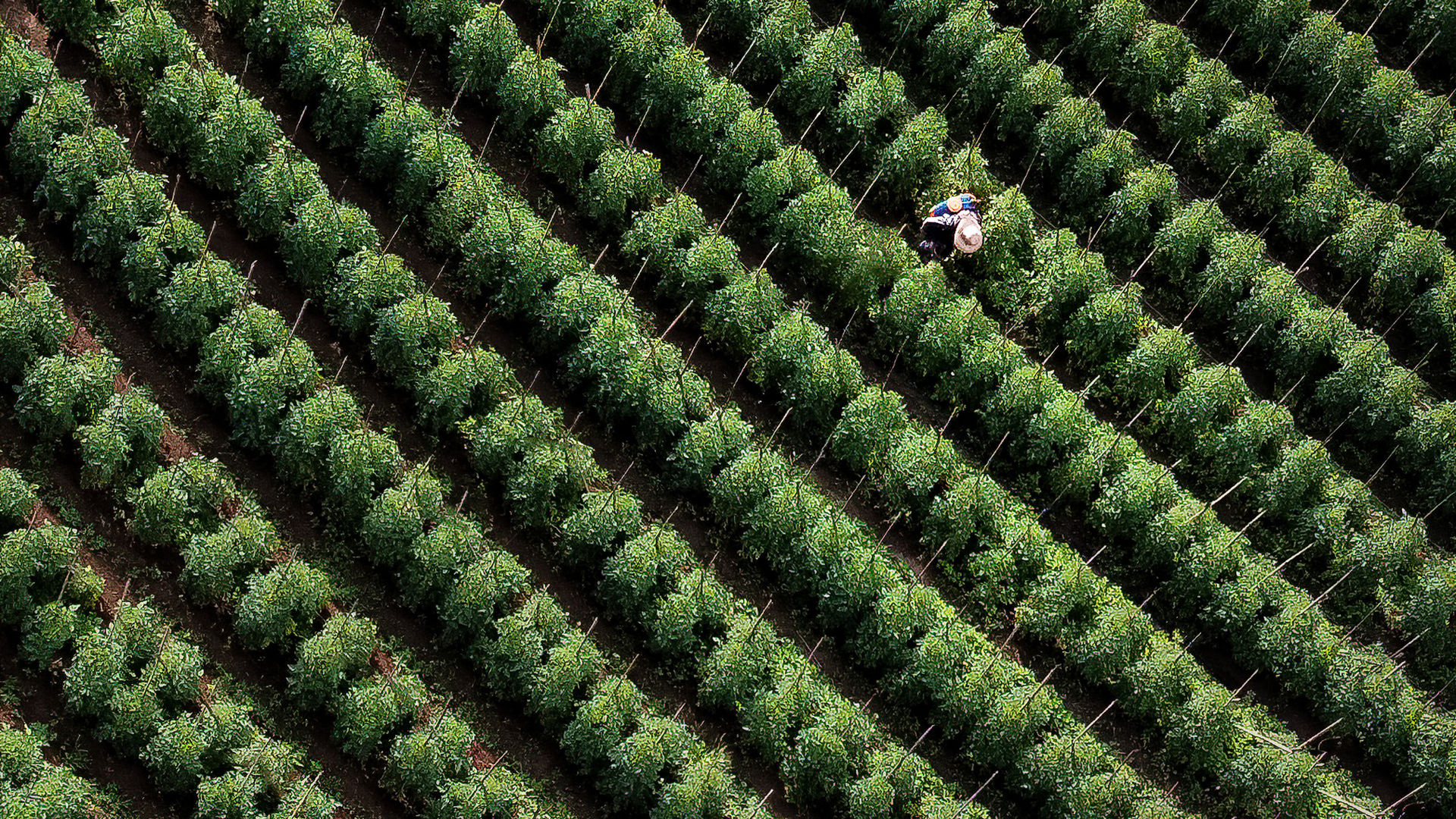
Industrial Sugar & Natural Sweetener Portfolio for Netherlands & EU
Direct-from-origin sourcing, fully traceable supply chains, and bulk port of Rotterdam distribution.
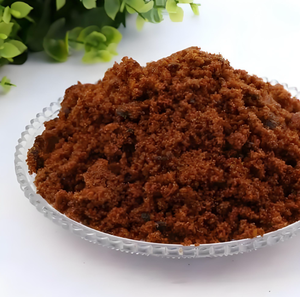
Bulk Unrefined Brown Cane & Coconut Sugar
Food-grade wholesale export supply. Pure, natural sweetener ideal for European food processors and organic confectionery manufacturers.
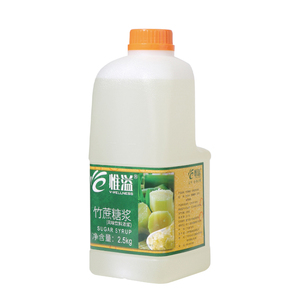
High Quality Pure Cane & Rock Syrup
Specialty liquid sweetener formulation engineered for RTD beverages, Asian cuisine manufacturing, and bubble tea ingredient blending.
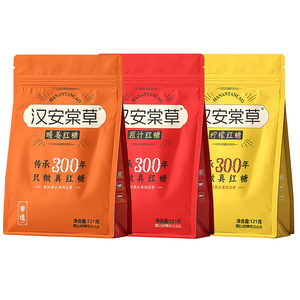
Multi-Flavor Refined Brown Sugar Cubes
Convenient portion-controlled brown sugar lumps and cubes. Ideal for food service, hospitality supply, and specialty retail packaging.
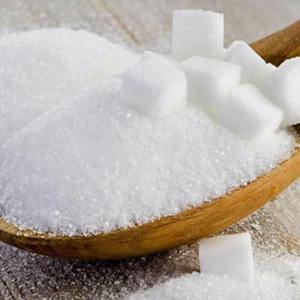
Pure Natural White Granular Sugar (50kg)
100% pure high-purity refined granular cane sugar packed in 50kg export bags for large-scale bakery and beverage industrial production.
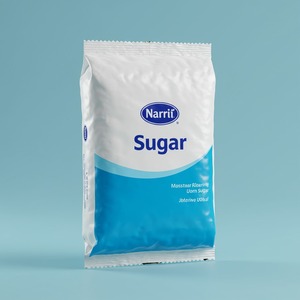
Raw Cane Sugar with Custom Packaging
Food-grade customizable bulk supply (bags, totes, flexitanks) engineered for large enterprise manufacturers across the Benelux region.
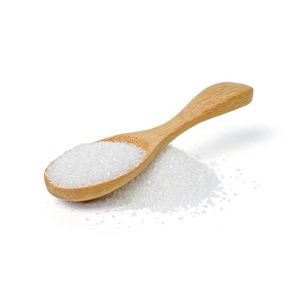
Premium Refined Cane Sugar Export Grade
Direct origin refined cane sugar with strictly controlled ICUMSA rating for clear liquid systems, pharmaceuticals, and delicate confections.
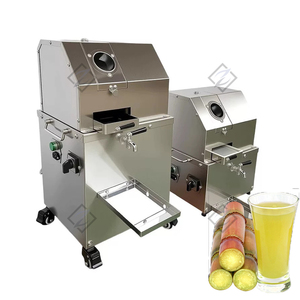
Commercial Sugarcane Juicing Equipment
High-efficiency electric sugar cane juice extraction machinery designed for commercial food service, juice bars, and pilot formulation labs.
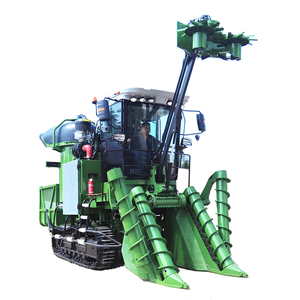
Full Customization Sugarcane Harvesting Equipment
Industrial-scale harvesting machinery offering optimized field yield, low fuel consumption, and full mechanical customization for agricultural plantations.
Comprehensive B2B Guide: Coconut Sugar Integration in the Dutch Food Industry
As the European Union intensifies its enforcement of clean-label directives, environmental reporting standards (CSRD), and healthy nutrition frameworks (such as the widespread implementation of Nutri-Score across Benelux markets), food and beverage manufacturers in the Netherlands are undergoing a fundamental transformation in sweetener procurement. Standard refined white sucrose and high-fructose corn syrups are increasingly being phased out in favor of nutrient-dense, unrefined, low-glycemic index alternatives. Among these, Organic Coconut Sugar (Cocos nucifera) has emerged as the premier functional sweetener for Dutch R&D teams and global procurement directors operating out of major trade hubs like Amsterdam, Rotterdam, Utrecht, and Eindhoven.
Peachtree Commodities, backed by over 15 years of multi-generational agricultural sourcing expertise, serves as a direct bridge between sustainable origin smallholder cooperatives and leading Dutch food processors. By removing intermediary trading desks and managing full farm-to-door chain-of-custody documentation, we ensure that every batch of organic coconut sugar delivered to your warehouse complies meticulously with EU Organic Regulation (EU 2018/848), European Food Safety Authority (EFSA) contaminant thresholds, and Skal Bio Controle standards.
The Agronomy & Chemistry of Premium Coconut Sugar
Coconut sugar is derived from the fresh liquid sap of the coconut palm blossom (Cocos nucifera). Unlike oil palm cultivation, which has faced severe environmental scrutiny, coconut sap harvesting is inherently sustainable and non-destructive. A single palm tree can continuously yield sap for over 25 years without requiring deforestation or seasonal replanting, producing up to 50% more sugar per hectare than conventional sugarcane while consuming significantly less water and soil nutrients.
From a biochemical perspective, organic coconut sugar provides a sophisticated nutritional profile compared to highly processed cane or beet sugars:
- Inulin Soluble Fiber: Raw coconut blossom nectar contains substantial quantities of inulin, a prebiotic soluble fiber that slows glucose absorption into the bloodstream. This unique matrix accounts for coconut sugar's naturally low glycemic index (GI value typically ranging between 35 and 54, compared to 65–70 for refined sucrose).
- Micronutrient Density: Because our processing relies exclusively on gentle thermal evaporation without chemical refining, bleaching, or carbonation, the naturally occurring minerals remain fully intact. Coconut sugar retains measurable quantities of Potassium (up to 1,000 mg/100g), Magnesium, Zinc, Iron, and essential B-complex vitamins (particularly Thiamine and Riboflavin).
- Organoleptic Profile: Coconut sugar features a rich, deep caramel aroma with subtle warm toasted notes. Crucially, despite its origin, it does not taste like coconut fruit, making it a highly versatile 1:1 direct replacement for brown cane sugar, demerara, or light caramel sugars in dry mixes and liquid formulations.
Localized Application Scenarios across Netherlands Industry Sectors
From iconic Dutch bakery formulations to cutting-edge plant-based innovation in the Food Valley ecosystem.
Reformulation of Artisanal Dutch Bakery & Stroopwafels
Dutch industrial bakeries seeking to improve their Nutri-Score ratings are replacing traditional refined beet sugar and synthetic glucose syrups in Stroopwafel fillings, Ontbijtkoek, and Speculaas. Coconut sugar's natural caramelization dynamics (Maillard reaction occurs at lower thermal thresholds) enhance crust color, add authentic warmth, and preserve moisture retention without introducing artificial additives.
Plant-Based Dairy Alternatives (Wageningen Food Valley)
The Netherlands is the undisputed center of European plant-based food innovation. Oat, almond, and soy drink manufacturers utilize our water-soluble granulated coconut sugar and liquid coconut nectar to balance the natural earthy off-notes of cereal proteins. Its clean sweetness profile pairs exceptionally well with plant-based yogurts, dessert creams, and vegan chocolate coatings.
Craft Brewing & Beverage Fermentation in Benelux
Dutch craft breweries, kombucha fermenters, and organic RTD tea brands leverage unrefined coconut sugar as a premium fermentable substrate. The natural mineral context (especially potassium and zinc) provides vital micronutrients for yeast health during primary fermentation, resulting in unique ester profiles, rounded mouthfeel, and distinct caramel undertones in Belgian-style dubbels and botanical elixirs.
Netherlands & EU Regulatory Dynamics & Procurement Trends
Procuring raw ingredients into the Netherlands requires strict alignment with national health objectives and European sustainability mandates. Purchasing managers must navigate complex compliance parameters to guarantee uninterrupted production cycles:
1. Skal Bio Controle & EU Organic Traceability
To market products with the Euro-leaf organic logo in the Benelux region, importers must hold valid Skal certification. Peachtree Commodities maintains absolute chain-of-custody documentation, issuing NOP/EU Transaction Certificates (TCs) with every single lot shipment to guarantee 100% audit readiness.
2. EU Deforestation Regulation (EUDR) & CSRD
Although coconut palms are grown on long-term sustainable smallholder plots, European buyers are mandated under the Corporate Sustainability Reporting Directive (CSRD) to prove zero-deforestation risk. Our origin partnerships strictly utilize geo-mapped farm plots verified through satellite monitoring.
3. Port of Rotterdam Customs & Duty-Free Warehousing
By leveraging duty-free bonded warehousing facilities around Rotterdam and Schiphol, we provide Dutch buyers with flexible inventory drawdown options. Avoid 8-week ocean transit delays by drawing against pre-positioned regional safety stock under contracted annual pricing terms.
Technical Specifications: Organic Coconut Sugar vs Standard Cane Sweeteners
Comprehensive analytical data for QA managers, food technologists, and procurement specialists.
| Parameter / Quality Metric | Organic Coconut Sugar (Granulated) | Raw Brown Cane Sugar | Refined White Granular Sugar |
|---|---|---|---|
| Botanical Source | Cocos nucifera (Blossom Nectar) | Saccharum officinarum | Saccharum officinarum / Beet |
| Glycemic Index (GI) | Low (35 – 54) | Medium (60 – 65) | High (68 – 72) |
| Sucrose Content | 70% – 78% | 85% – 93% | > 99.8% |
| Fructose / Glucose Ratio | 3% – 5% / 3% – 5% | 5% – 8% / 5% – 8% | < 0.05% |
| Inulin Fiber Content | 4.5g – 7.0g / 100g | Trace / None | 0.00% |
| Moisture Content (Max) | < 2.5% | < 1.5% | < 0.04% |
| Granulation Size | 14 – 16 Mesh (0.8 - 1.2 mm) | 0.6 – 1.0 mm | 0.4 – 0.8 mm |
| Certifications Available | USDA Organic, EU Organic, Kosher, Fairtrade | Conventional / NOP Organic | Standard Food Grade, HACCP |
Why Dutch Enterprise Buyers Partner with Peachtree Commodities
Built specifically for procurement teams that cannot afford supply disruptions or quality inconsistencies.
Direct Origin Sourcing
We work directly with audited agricultural partners at origin rather than secondary commodity trading desks. This guarantees absolute purity, zero risk of adulteration with cheaper cane syrups, and fair trade compensation for farming communities.
Audit-Ready Documentation Pack
Every shipment arrives fully accompanied by a comprehensive document package: Lot-specific Certificate of Analysis (CoA), Organic Transaction Certificate, GMO-free declaration, Heavy Metal & Pesticide Residue screening (Eurofins verified), and Allergen statements.
Flexible Packaging & Logistics
From 25 kg multi-wall kraft bags with inner PE liners to 1,000 kg bulk totes and liquid flexitanks, our logistics network handles full container loads (FCL) directly into the Port of Rotterdam or LTL delivery anywhere in the Benelux region within 48 hours of order confirmation.
Rigorous Enterprise Quality Certifications & Standards
 USDA Organic
 EU Organic Compliant
 HACCP Food Safety
 Non-GMO Verified
 Kosher Certified
 Fairtrade International
 ISO 14001 Environmental
 GMA-SAFE Verified
Frequently Asked Questions by Dutch Procurement Managers
Key answers regarding customs clearance, minimum orders, sampling, and local Dutch compliance.
What documentation is provided for import clearance through Rotterdam Port?
Every shipment is accompanied by an origin Certificate of Origin (Form A/EUR.1), valid Organic Transaction Certificates (Skal/EU certified), lot-specific Certificate of Analysis covering micro, heavy metals, and pesticide residues, packing lists, bill of lading, and commercial invoices formatted for streamlined Dutch customs declaration.
What are the standard Minimum Order Quantities (MOQs) for shipments to the Netherlands?
For direct sea-freight containers (FCL) delivered to Rotterdam, our MOQ is typically 1 x 20ft container (approx. 12 to 14 metric tons). However, for Dutch manufacturers looking to draw down against a contracted annual supply program, we offer palette-level withdrawals (minimum 1 pallet / 1,000 kg) from our European warehousing partners.
Can we request pilot-scale samples for R&D trial runs in our Dutch facility?
Yes. We provide complimentary 1 kg to 5 kg lab testing samples for verified food manufacturers and co-packers across the Netherlands, Belgium, and Germany. Full technical data sheets (TDS) and safety data sheets (SDS) ship with sample requests.
How does coconut sugar perform under high-temperature baking conditions?
Coconut sugar performs exceptionally well in baking applications. It melts and caramelizes at approximately 115°C to 120°C, slightly lower than sucrose (160°C). This gives baked products like cookies, Stroopwafel fillings, and artisan breads a rich golden brown hue and enhanced caramel moisture retention.
How do you verify pesticide and heavy metal compliance according to EFSA standards?
We mandate third-party lab testing (Eurofins or ISO 17025 accredited facilities) for every harvest batch prior to export. All batches undergo comprehensive LC-MS/MS pesticide residue screening to guarantee non-detectable levels well below EFSA Maximum Residue Limits (MRLs).