
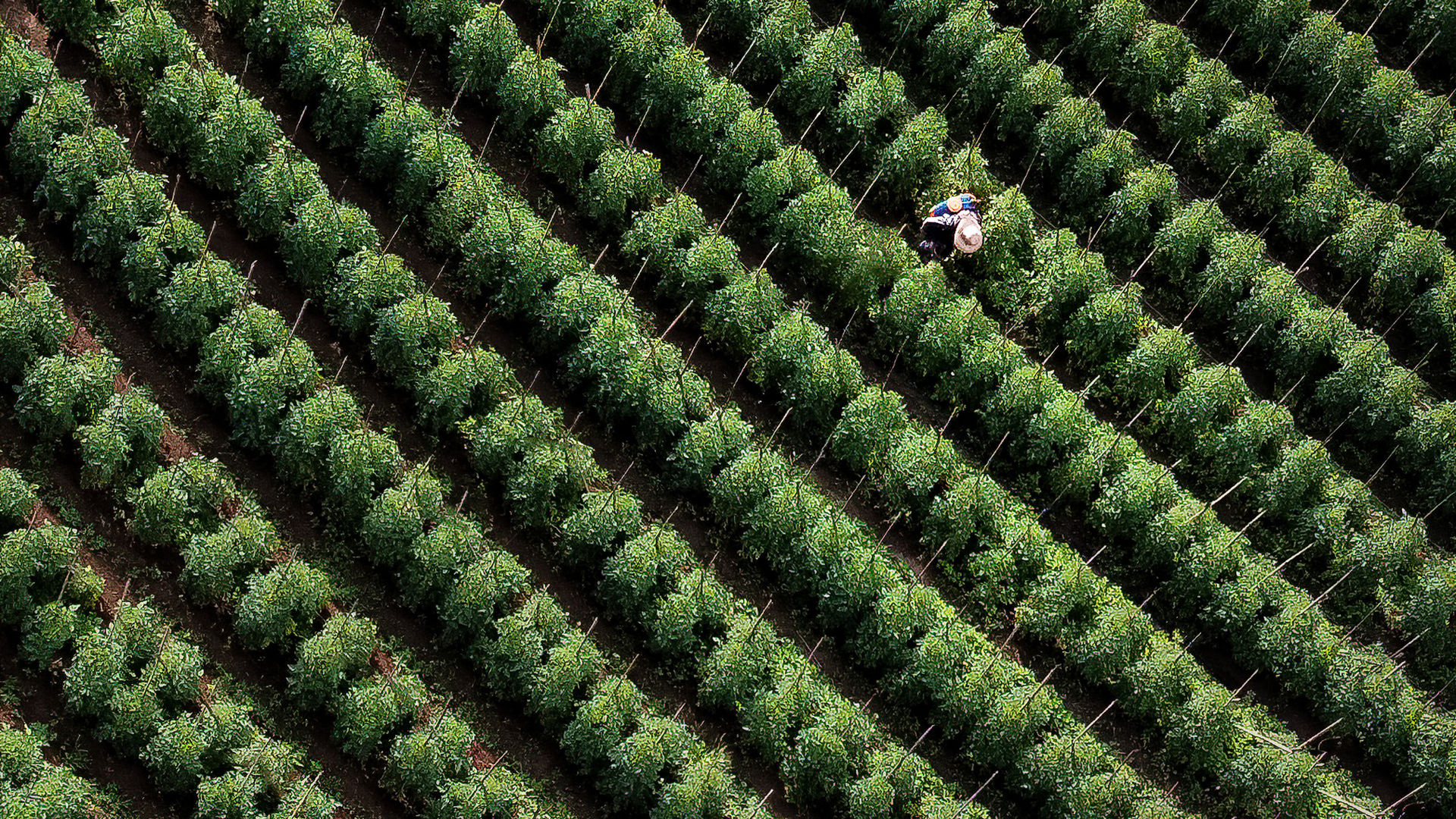
Featured Industrial Starch & Ingredients Catalog
Direct factory supply of premium food-grade native starch, modified tapioca polymers, and sweetening systems tailored for Riyadh's food and industrial manufacturing sectors.
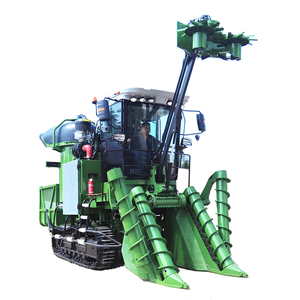
High-Efficiency Sugar Cane & Tapioca Processing Harvester Equipment
Get Catalog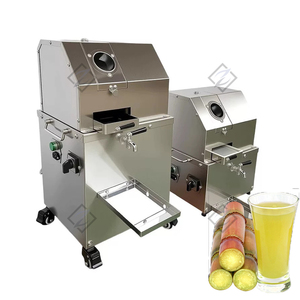
Commercial & Industrial Sugar Cane Juice Extraction Equipment
Get Catalog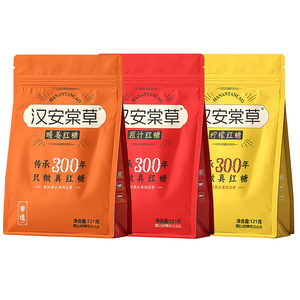
Multi-Flavor Refined Brown Sugar Lumps & Specialty Confectionery Cubes
Get Catalog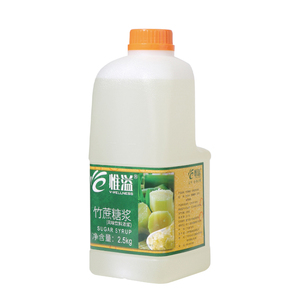
High-Purity Bamboo Cane Rock Syrup for Bubble Tea & Beverage Formulation
Get Catalog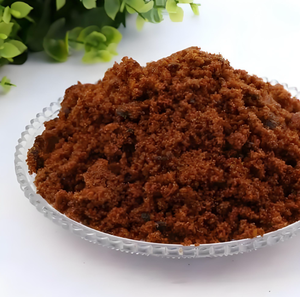
Bulk Unrefined Food-Grade Granulated Raw Cane Sugar Wholesale
Get Catalog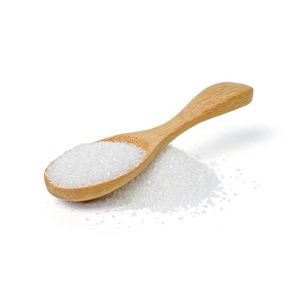
High-Finesse Premium Refined Industrial Cane Sugar Supply
Get Catalog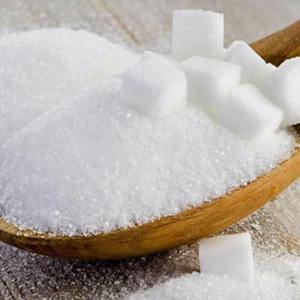
100% Pure Natural White Granular Sugar (50kg Bulk Export Pack)
Get Catalog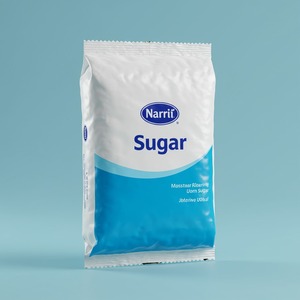
Customizable Food-Grade White Granulated Cane Sugar for Industrial Plants
Get CatalogStrategic Market Evolution: Tapioca Starch Demand in Riyadh & The Kingdom of Saudi Arabia
As Saudi Arabia accelerates its economic diversification under Saudi Vision 2030 and the National Industrial Development and Logistics Program (NIDLP), the Kingdom's domestic food manufacturing, pharmaceutical, and corrugated packaging sectors are experiencing unprecedented structural expansion. Central to this growth is the demand for highly stable, versatile bio-polymers. High-purity tapioca starch imported directly from premier manufacturing hubs in China has emerged as the ingredient of choice for plant managers, procurement directors, and food technologists in the Riyadh industrial zones (including Second Industrial City Riyadh and Sudair Industrial City).
Unlike traditional maize starch or wheat starch, tapioca starch derived from Manihot esculenta delivers a bland, neutral flavor profile, exceptional clarity upon gelation, high shear resistance, and superior freeze-thaw stability. These physicochemical properties make it indispensable for Saudi Arabia’s unique climate and rigorous food production mandates, where products must withstand extreme desert ambient temperatures during transit and storage across the Central Region (Najd).
Physicochemical Superiority: Native vs. Modified Tapioca Starch Hydrocolloids
From an industrial formulation perspective, the functionality of tapioca starch is dictated by its molecular architecture, specifically its high amylopectin-to-amylose ratio (approximately 83:17). This structural balance imparts low retrogradation tendencies, preventing syneresis (water separation) in processed foods. In technical food manufacturing across Riyadh, we categorize our factory supply into two main functional classes:
1. Premium Native Tapioca Starch (Food & Technical Grade): Characterized by high viscosity peak, low gelatinization temperature (65°C to 68°C), and clean label declaration. It acts as an organic binder, texturizer, and moisture-retention agent in extruded snacks, instant noodles, and traditional Middle Eastern confections (such as Halwa and Turkish Delight formulations).
2. Engineered Modified Tapioca Starches (E-Number Compliant): Tailored to survive harsh processing environments involving acid hydrolysis, high shear homogenization, and ultra-high temperature (UHT) thermal cycles:
- Acetylated Distarch Adipate (E1422): Delivers exceptional acid and heat stability. Ideal for shelf-stable sauces, mayonnaise, canned soups, and savory dips distributed across GCC retail chains.
- Hydroxypropyl Distarch Phosphate (E1442): Specialized for dairy processing (Laban, sour cream, Kashta cream). Provides a glossy texture, creamy mouthfeel, and zero syneresis under refrigerated shelf storage.
- Oxidized & Cationic Starches: Formulated for non-food applications including high-burst strength corrugated box manufacturing, paper sizing, and textile finishing in local Riyadh factories.
Industrial Starch Performance Benchmark Matrix
Evaluating functional hydrocolloids under Middle Eastern industrial manufacturing conditions.
| Functional Property | China Native Tapioca Starch | Modified Tapioca Starch (E1442) | Industrial Corn Starch | Potato Starch |
|---|---|---|---|---|
| Amylose Content (%) | 17% - 18% | Modified Tailored | 25% - 28% | 20% - 22% |
| Gelatinization Temp (°C) | 65°C - 68°C | 60°C - 65°C | 72°C - 78°C | 62°C - 66°C |
| Pastes Clarity & Gloss | Very High / Crystal Clear | Ultra High / Premium Gloss | Opaque / Milky | High / Transparent |
| Freeze-Thaw Stability | Excellent (Low Retrogradation) | Superior (Zero Syneresis) | Poor (High Syneresis) | Moderate |
| Flavor Profile Impact | Bland / Neutral (No Taste masking) | Completely Neutral | Cereal / Starchy Notes | Slight Earthy Note |
| High Shear Resistance | Moderate | Extreme (Homogenization Safe) | Low | Low to Moderate |
| SFDA & Halal Compliance | 100% Certified Native | Fully Registered / E-Number | Standard | Standard |
Localized Industrial Application Modules
How leading food processing plants and industrial manufacturers in Riyadh integrate our China wholesale tapioca starch.
Dairy & Recombined Cream (Kashta & Laban)
Modified tapioca starch (E1442) serves as a primary texturizer in Saudi Arabia's booming dairy sector. It binds free water during thermal pasteurization, providing a rich, creamy mouthfeel in low-fat Laban and preventing phase separation in recombined Kashta cream stored in high-temperature distribution networks.
Confectionery & Gummy Bear Gelatin Replacement
To meet strict 100% Halal mandates without relying on animal-derived gelatins, confectionery plants in Riyadh utilize acid-thinned and oxidized tapioca starches. They yield high-clarity, quick-setting gelling matrices with clean flavor release for jelly candies and extruded sweets.
Gluten-Free Bakery & Flatbread Extension
With rising health awareness and gluten-free demand in Riyadh’s urban retail centers, native tapioca starch improves crumb structure, crumb softness, and moisture retention in gluten-free Arabic breads, cakes, and biscuit formulations, extending freshness under dry shelf conditions.
Batter Coatings & Processed Poultry/Meat Emulsions
Riyadh meat processing facilities use native and modified starches as emulsion stabilizers and moisture binders in Halal poultry nuggets, frankfurters, and kebabs. It enhances crispiness in deep-fried outer batters while retaining internal moisture.
Corrugated Packaging & Paper Box Manufacturing
For heavy-duty packaging suppliers in KSA, oxidized high-tack tapioca starch adhesives provide rapid green-bond strength and superior moisture resistance for corrugated boxes handling long-distance transport through humid ports and dry deserts.
Why Saudi Procurement Officers Partner Directly With Our China Factory
Sourcing bulk raw materials directly from our state-of-the-art manufacturing facility in China eliminates intermediary margins and ensures strict lot-to-lot consistency. Our production lines utilize automated closed-loop refining systems, multi-stage hydrocyclones, and flash-drying technology to produce tapioca starch with consistent mesh size (99.5% passing through 100 mesh), minimal ash content (<0.2%), and guaranteed low moisture (<12.5%).
Our Quality Assurance & Regulatory Commitments for Riyadh Importers:
- SFDA & SABER Integration: All documentation, including Certificate of Analysis (CoA), Technical Data Sheets (TDS), Allergen Statements, and Country of Origin certificates, are prepared to automatically align with Saudi Food and Drug Authority standards and SABER platform verification.
- 100% Halal & ISO Certified: Manufactured in facilities certified under ISO 22000, FSSC 22000, HACCP, and accredited Halal bodies recognized by the Saudi Arabian Standards Organization (SASO).
- Optimized Red Sea & Gulf Shipping Routes: Direct maritime shipping from major Chinese ports (Ningbo/Qingdao/Shanghai) to King Abdulaziz Port in Dammam or Jeddah Islamic Port, with rapid inland transit via the Saudi Railway or bonded trucks directly to your Riyadh factory warehouse.
- Custom Packaging Options: Supplied in standard 25kg multi-wall paper bags with PE inner liners, or 850kg / 1,000kg jumbo bulk totes for high-volume continuous industrial mixers.
Frequently Asked Questions by Riyadh Importers
Addressing regulatory, technical, and supply chain inquiries for bulk tapioca starch procurement in KSA.
What are the specific SFDA requirements for importing China tapioca starch into Riyadh?
The Saudi Food and Drug Authority (SFDA) requires imported tapioca starch to comply with strict microbiological limits, heavy metal thresholds (lead, arsenic), and pesticide residue standards. Shipments must be accompanied by an official Halal Certificate from an accredited body, a detailed Certificate of Analysis (CoA) matching the batch number, a Health Certificate, and clear dual-language (Arabic/English) packaging labels indicating country of origin, net weight, production date, and expiration date.
How does tapioca starch perform compared to corn starch in high-temperature Saudi climates?
Tapioca starch possesses a significantly lower retrogradation rate than corn starch due to its low amylose content. In Riyadh's hot environment, starch-thickened liquids made with corn starch tend to turn spongy, release water (syneresis), and become cloudy over time. Tapioca starch preserves clarity, smoothness, and water binding capacity, making it far superior for products subject to ambient heat during local transport.
What is the Minimum Order Quantity (MOQ) and lead time for shipments to Riyadh?
Our standard MOQ for direct wholesale export is 1x20ft full container load (FCL), which holds approximately 19.5 to 20 metric tons in 25kg bags, or 18 metric tons in jumbo bags. Lead time from order confirmation and SFDA label approval to vessel arrival at Dammam Port or Jeddah Islamic Port is typically 20 to 28 days, followed by 3 to 5 days customs clearance and rail/truck transit to Riyadh.
Can your factory formulate customized modified tapioca starch to match our specific production viscosity?
Yes. Our R&D team works directly with client food technologists to adjust Brabender viscosity curves, peak gelatinization points, pH tolerance, and cross-linking levels. We can tailor modified starch grades (such as E1422 or E1442) to meet your exact plant machinery specs before running bulk production runs.
How is product quality protected against moisture ingress during maritime transit?
All our export starch products are packaged in high-barrier multi-ply paper sacks fitted with hermetically sealed polyethylene inner liners (PE). Containers undergo rigorous inspections prior to loading, receive container desiccant packs, and are lined with moisture-barrier kraft paper to prevent container sweat during trans-oceanic voyage through tropical shipping corridors.
Request Wholesale Specifications & Factory Pricing
Connect directly with our international B2B sales office to obtain product technical datasheets, free laboratory samples, and competitive CIF Riyadh ocean freight quotes.