

Featured Bulk Sweetener Portfolio
Direct factory wholesale export supply, tailored for high-volume commercial processing in India. Fully compliant with FSSAI, ISO, Kosher, and USDA Organic standards.
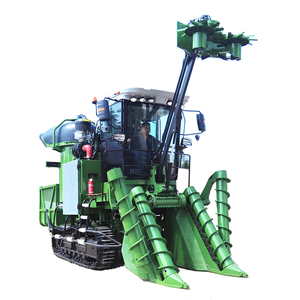
Wubota Full Customization Sugar Cane Harvester
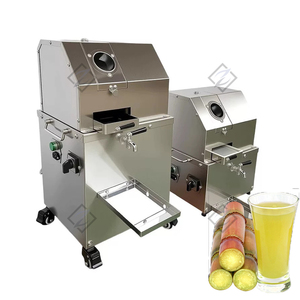
Commercial & Industrial Sugarcane Juice Extractor
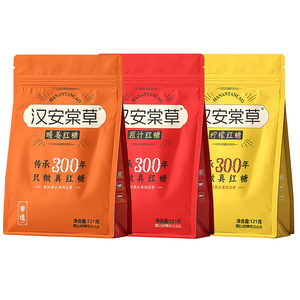
Refined Cane Brown Sugar Lumps & Cube Pack
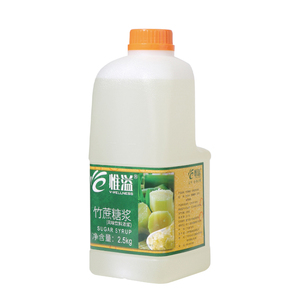
High Quality Bamboo Cane Rock Syrup & Brown Sugar
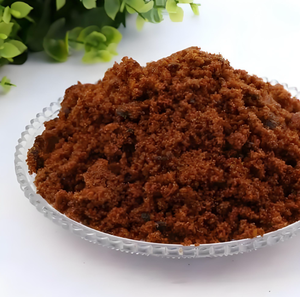
Bulk Unrefined Granulated Natural Brown Cane Sugar
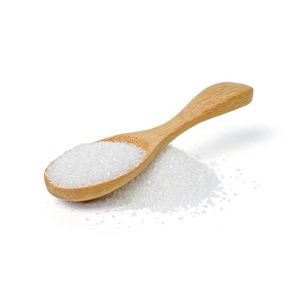
Pure Refined Granulated Cane Sugar (ICUMSA 45)
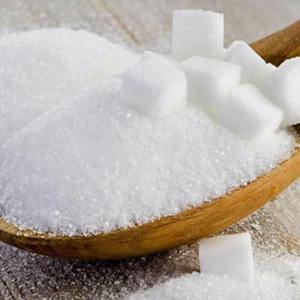
Natural White Granular Cane Sugar 50kg Bulk Pack
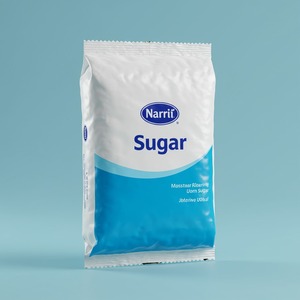
Food-Grade Raw Granulated Cane Sugar for Importers
1. Strategic Landscape of Bulk Sweetener Imports in India: Market Dynamics & Sourcing Economics
The Indian food, beverage, and pharmaceutical manufacturing sectors are currently undergoing an unprecedented structural expansion. Driven by evolving consumer tastes, urbanization, and a surging market for packaged convenience foods, functional beverages, and health-oriented nutrition, the demand for high-purity, standardized sweeteners has reached critical mass. As one of the world's most dominant industrial manufacturing hubs, China has emerged as a paramount wholesale bulk sweeteners exporter, offering Indian procurement teams access to scalable, cost-competitive, and audit-ready sweetening solutions ranging from ultra-pure refined cane sugar (ICUMSA 45) to specialized non-GMO corn syrups, tapioca maltodextrins, and low-glycemic functional carbohydrates.
While India maintains a massive domestic sugarcane agricultural base, domestic production yields are inherently subject to monsoonal variations, seasonal crushing schedules, and governmental policy pivots toward bio-ethanol blending mandates. Consequently, industrial consumers—such as enterprise confectioners in Maharashtra, large-scale beverage bottlers across Gujarat and Tamil Nadu, and nutraceutical formulators in Himachal Pradesh and Telangana—frequently face domestic supply volatility, price swings, and inconsistent batch-to-batch physical parameters. Partnering with qualified Chinese wholesale exporters provides Indian procurement managers with a strategic hedging mechanism, ensuring contract security, standardized physical-chemical properties, and year-round operational stability.
Key Strategic Takeaway for Indian Buyers: Securing a direct-from-manufacturer bulk export channel from China mitigates domestic sugarcane crop vulnerabilities, guarantees tight adherence to FSSAI physical-chemical standards, and stabilizes raw material cost of goods sold (COGS) through structured long-term supply contracts.
Furthermore, China's modern starch-processing and sugar-refining infrastructure leverages advanced enzymatic conversion technologies, continuous crystallization lines, and automated packaging systems. This technological superiority enables Chinese exporters to produce specialty sweeteners—such as high-maltose corn syrup, organic tapioca syrup solids, unrefined brown cane sugars, and crystalline fructose—with purity levels and microbiological controls that consistently meet or exceed global standards (including USDA Organic, Non-GMO Project Verification, ISO 22000, and HACCP).
2. Technical Benchmark & Grade Matrix of Chinese Wholesale Sweeteners for Export
To successfully integrate imported sweeteners into large-scale production lines, Indian quality assurance (QA) teams and R&D scientists require granular transparency regarding chemical composition, physical properties, and functional behaviors. Below is an exhaustive breakdown of the primary sweetener categories exported from China to Indian ports such as Nhava Sheva (JNPT), Mundra, Chennai, and Kolkata.
A. Refined & Unrefined Cane Sugars (ICUMSA Spectrum)
Cane sugar remains the foundational benchmark for bulk sweetening across beverages, bakery items, and traditional confectionery. Chinese refiners utilize continuous multi-stage carbonation and ion-exchange de-colorization processes to yield highly stable sugar matrices:
- ICUMSA 45 Refined White Granulated Sugar: The gold standard for beverage carbonation and clear liquid formulations. Characterized by a minimum polarization of 99.80%, moisture content below 0.04%, and extremely low ash content, ensuring zero cloudiness or off-notes in final liquids.
- ICUMSA 100–150 Standard White Granulated Sugar: Highly favored by industrial bakeries and dry mix formulators where crystal clarity is less stringent, providing optimal cost-efficiency without sacrificing sweetness profile.
- Bulk Unrefined Natural Brown Cane Sugar & Muscovado: Retaining natural molasses fractions, these unrefined sugars deliver rich caramel flavor profiles, natural humectancy, and subtle mineral content essential for premium cookies, ethnic sauces, and specialty dark confectionery.
- Bamboo Cane Rock Syrup & Sugar Lumps: Traditional crystallizations processed into high-purity lumps and liquid syrups, gaining massive traction in India's expanding HORECA and artisanal milk-tea sectors due to clean melting characteristics and unique flavor depth.
B. Non-GMO Grain & Starch Derivatives (Corn, Tapioca, Rice)
For applications demanding controlled viscosity, crystal inhibition, or specific dextrose equivalents (DE), starch-based liquid and dry sweeteners provide engineered functionality:
- Liquid Glucose / High Maltose Syrups: Critical for the Indian confectionery industry to prevent sugar crystallization in hard-boiled candies and to impart structural elasticity to chewy jellies and chewable gummies.
- Non-GMO Corn Syrup & Corn Starch: Essential texturizers and bulking agents offering consistent gelatinization temperatures, moisture retention, and neutral flavor delivery across bakery fillings and sauce systems.
- Tapioca Syrups, Syrup Solids & Maltodextrin: Hypoallergenic, clean-label alternatives to corn derivatives. Highly demanded in organic-certified food production and infant nutritional powders due to extremely low heavy-metal limits and superior digestibility.
- Organic Rice Syrup & Rice Protein: Plant-based nutritional fortification ingredients that serve the dual purpose of natural sweetening and protein enrichment in sports nutrition bars and vegan beverages.
| Sweetener Category | Primary Technical Specs | Functional Attributes | Key Indian Application Sectors |
|---|---|---|---|
| Refined Cane Sugar (ICUMSA 45) | Polarization ≥ 99.80%, Moisture ≤ 0.04%, SO2 < 15 ppm | High purity, instant solubility, neutral sweetness, zero discoloration | Carbonated Soft Drinks, RTD Juices, Pharma Syrups |
| Natural Unrefined Brown Sugar | Sucrose 92%-96%, Molasses 2%-4%, Moisture ≤ 1.5% | Rich caramel aroma, natural color, humectancy, flavor retention | Bakery (Cookies/Cakes), Premium Sauces, Artisanal Sweets |
| High Maltose Corn Syrup | DE Value 40-50, Dry Solids ≥ 80%, pH 4.5-5.5 | Anti-crystallization, low hygroscopicity, controlled sweetness | Hard-Boiled Candies, Toffees, Jam & Jelly Processing |
| Organic Tapioca Maltodextrin | DE Value 10-15, Spray-dried powder, High Solubility | Bulking agent, carrier for flavors/spices, mouthfeel enhancer | Nutraceutical Powders, Dairy Replacers, Seasoning Blends |
| Liquid Glucose (Food Grade) | DE Value 38-44, Viscosity 1500-3000 cPs at 40°C | Browning control, texture stabilization, freezing point depression | Commercial Ice Cream, Frozen Desserts, Biscuits |
3. Localized Application Scenarios Across Indian Manufacturing Hubs
Understanding how bulk sweeteners function within specific regional manufacturing ecosystems across India allows us to tailor customized packaging, freight handling, and analytical testing to match localized production demands.
Beverage & RTD Bottling Hubs (Maharashtra & Gujarat)
Large-scale carbonated soft drink, fruit juice, and energy drink bottlers require ICUMSA 45 white refined sugar and high-fructose corn syrups that dissolve instantly without leaving suspended particulates. High clarity reduces filter bed fouling in bottling plants, accelerating production throughput.
Confectionery & Biscuit Clusters (North & South India)
Confectioners in Haryana, Punjab, and Tamil Nadu rely heavily on imported Chinese liquid glucose and high-maltose corn syrups to manage glass-transition temperatures in candies. Controlled sugar crystallization prevents sugar bloom during hot Indian summer transport.
Pharma & Ayurvedic Syrup Manufacturing (Himachal & Telangana)
Pharmaceutical firms formulating cough syrups, tonic syrups, and pediatric suspensions require ultra-pure liquid glucose and sucrose meeting stringent pharmacopeial microbial standards, free from heavy metal contamination or pesticide residues.
In addition to mainstream industrial sectors, India’s rapid urban expansion has birthed a vibrant modern food retail and foodservice economy. Quick-Service Restaurant (QSR) chains and specialty beverage brands across Tier-1 metros (Mumbai, Delhi-NCR, Bengaluru, Hyderabad) are increasingly importing customized liquid brown sugar syrups and rock sugar crystals. These products ensure exact flavor replicating for bubble teas, specialty coffees, and branded baked goods without operational variances across store locations.
4. Macro Trends Shaping Indian Sweetener Procurement (2025–2030)
To maintain a strategic advantage, Indian supply chain executives must align their raw material sourcing strategies with long-term domestic regulatory shifts and consumer preference evolutions. Several key trends define the current trajectory:
A. Regulatory Alignment with FSSAI & Strict Labeling Mandates
The Food Safety and Standards Authority of India (FSSAI) has steadily tightened standards regarding heavy metal tolerances (Lead, Arsenic), pesticide residues, residual sulfur dioxide ($SO_2$), and artificial sweetener disclosures. Exporters in China who invest in rigorous batch-level testing and supply comprehensive Certificates of Analysis (COA) enable Indian importers to pass customs inspections effortlessly and avoid port detentions.
B. Rise of Clean-Label, Non-GMO & Organic Sourcing
Indian consumers are becoming increasingly vigilant regarding food labels. The demand for USDA Organic and Non-GMO Project Verified ingredients—such as organic tapioca syrup solids, unrefined raw cane sugar, and non-GMO corn derivatives—is expanding at a compound annual growth rate (CAGR) exceeding 12%. Premium food manufacturers are swapping artificial high-intensity sweeteners with natural carbohydrate profiles to maintain premium positioning.
C. Ethanol Diversion Impacting Domestic Cane Availability
Under the Indian government's ambitious Ethanol Blended Petrol (EBP) Programme, significant volumes of sugarcane juice and B-heavy molasses are continuously diverted toward ethanol production. This policy structural shift permanently reduces the surplus cushion of domestic white refined sugar available for industrial food processors, reinforcing the necessity of imported bulk sweetener pipelines from reliable Chinese exporters.
5. Frequently Asked Questions (FAQ) for Indian Importers & Procurement Directors
Below are technical and operational answers to the most common queries raised by Indian procurement teams, customs brokers, and QA managers when sourcing bulk sweeteners from China.
What specific documentation accompanies each bulk sweetener shipment to Indian ports?
Every export shipment includes a complete, audit-ready document pack required by Indian Customs and FSSAI inspectors: Lot-specific Certificate of Analysis (COA), Phytosanitary Certificate (where applicable), Certificate of Origin (Form E or Standard COO), Packing List, Commercial Invoice, Bill of Lading, Non-GMO Declaration, and Allergen/Melamine-Free Statements. Customer-specific QA test parameters can also be incorporated into the standard documentation pack prior to vessel departure.
How are liquid sweeteners (such as corn syrup or liquid sugar) packaged for sea transit to India?
Liquid sweeteners are exported in heavy-duty food-grade packaging designed to maintain structural integrity throughout tropical ocean transit. Options include 275-gallon (1,000-liter) intermediate bulk container (IBC) totes, 220kg steel/HDPE drums, and 24,000-liter food-grade flexitanks fitted inside standard 20-foot sea containers for maximum volumetric payload efficiency into ports like Nhava Sheva or Mundra.
What are the typical Minimum Order Quantities (MOQs) and lead times for bulk sweetener exports?
For dry granulated sugars and powdered maltodextrins (packed in 25kg multi-wall paper bags or 1,000kg jumbo totes), standard MOQs start at one 20-foot Full Container Load (FCL), approximately 20 to 25 Metric Tons depending on packaging configuration. Lead time from order confirmation and L/C issuance to port loading in Qingdao, Ningbo, or Tianjin is typically 7 to 14 days, with ocean transit to major Indian ports taking an additional 12 to 18 days.
How do Chinese exporters ensure compliance with FSSAI limits for residual Sulfur Dioxide (SO2)?
FSSAI regulations restrict residual $SO_2$ in refined sugar to a maximum of 15 mg/kg (ppm). Our partner mills utilize advanced de-colorization technologies—specifically activated carbon filtration and ion-exchange resin columns—which significantly minimize or completely eliminate the reliance on heavy sulfurous bleaching. Every batch is pre-screened in ISO 17025 accredited laboratories prior to containerization.
Can samples be provided for laboratory evaluation and pilot plant trial runs in India?
Yes. We regularly supply 1kg to 5kg laboratory samples alongside complete technical specification sheets, heavy metal test reports, and MSDS data via expedited air courier. This enables your research and development (R&D) team to conduct pilot batch testing, viscosity mapping, and shelf-life studies before entering into commercial volume contracts.
What payment terms are accepted for bulk import transactions into India?
We support flexible, secure international trade payment structures, including 100% Irrevocable Letter of Credit (L/C at sight) issued by top-tier Indian nationalized or international banks, as well as Telegraphic Transfer (T/T) structures (e.g., advance deposit with balance against scanned Bill of Lading and shipping documents).
6. Enterprise Advantage & Supply Chain Resilience
Built upon a multi-generational legacy of ingredient excellence, our organization bridges agricultural production and enterprise procurement needs. We do not operate as an anonymous brokerage desk; rather, we maintain direct oversight over milling agronomy, refining parameters, and international logistics execution.
Audit-Ready Quality Assurance
Every lot undergoes rigorous multi-parameter screening. From polarization angles and ICUMSA color scores to heavy metal trace analysis and microbiological plating, our QA protocol guarantees complete batch consistency.
Custom Logistics & Freight Optimization
We leverage long-term carrier contracts with major ocean liners (Maersk, MSC, COSCO) to secure priority container allocation and competitive freight rates directly to Nhava Sheva, Mundra, Chennai, and ICD inland depots.
Customized Contract Packaging & OEM
From 25kg multi-ply paper bags with PE liners to private-labeled jumbo totes and retail-ready small packs, we provide full OEM packaging customization including barcode integration and multi-lingual labeling.
24/7 Procurement Desk Support
Your production line never stops, and neither does our logistics team. Importers receive proactive updates on vessel tracking, container releases, and documentation processing throughout the shipment lifecycle.
Internationally Verified & Certified Supply Chain
Our sweetener refining processes and manufacturing facilities hold prestigious global accreditations to simplify import approval for Indian enterprise buyers.






Optimize Your Sweetener Supply Chain Today
Request lot-specific Certificate of Analysis documents, detailed pricing matrixes (FOB China / CIF India), and sample packs tailored to your manufacturing specifications.