

Export-Grade Pea Protein & Functional Sweetener Formulations
Sourced directly from China’s leading wet-milling extraction hubs, optimized for Tokyo food manufacturers, RTD beverage formulators, and plant-based meat processors.
Organic Pea Protein Isolate 80% (Smooth Mesh Grade)
Hydrolyzed Pea Protein Peptides (High Solubility)
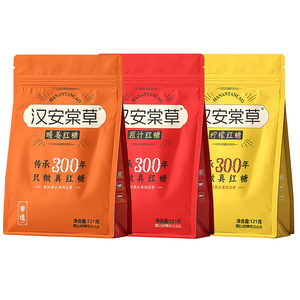
Refined Cane Sugar Cubes & Natural Sweetener Lumps
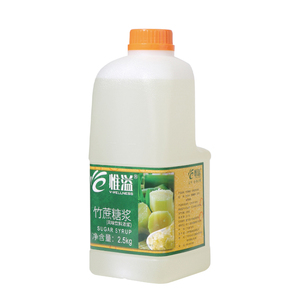
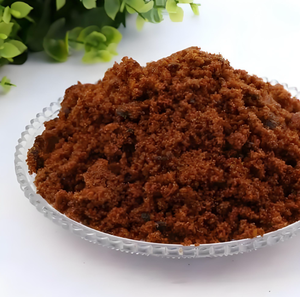
High-Purity Bamboo Cane Rock Syrup & Brown Sugar
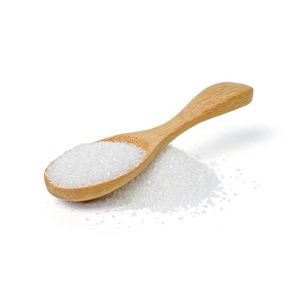
Industrial Grade Refined White Cane Sugar
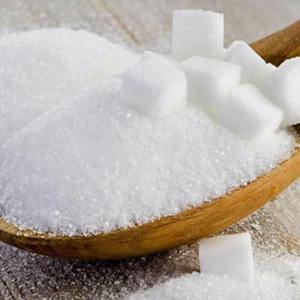
Natural Fine Granular Cane Sugar (50kg Bags)
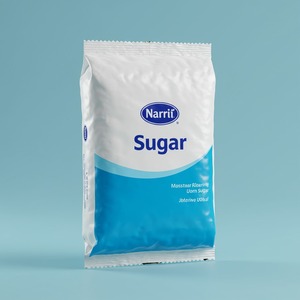
Customizable Packaging Raw Granulated Sweetener
The Strategic China-to-Tokyo Pea Protein Supply Chain Architecture
In the global food ingredient matrix, China stands as the undisputed epicenter of yellow pea (Pisum sativum) processing, accounting for over 75% of the world’s high-purity pea protein isolate capacity. Concentrated in Shandong Province—specifically around the Yantai and Qingdao industrial clusters—top-tier Chinese factories utilize state-of-the-art physical wet-milling and natural enzymatic isolation techniques. For procurement executives and product development managers across Tokyo, Minato-ku, Kanagawa, and the broader Kanto regional food manufacturing belt, sourcing directly from audited Chinese pea protein plants provides an unmatched competitive advantage: high protein concentration, robust emulsification capabilities, clean sensory profiles, and rapid maritime transportation directly into the Port of Tokyo and Port of Yokohama.
As Japanese consumers increasingly demand plant-based dairy substitutes, allergen-free functional beverages, clean-label sports nutrition formulas, and texturized plant meats, pea protein has emerged as the single most critical alternative to soy and dairy proteins. Unlike soy, pea protein carries zero allergen labeling requirements under Japan's Food Sanitation Act (食品衛生法). Furthermore, the strategic geographic proximity between China’s Eastern seaboard ports and Tokyo Bay allows for a streamlined 3-to-5-day short-sea shipping corridor, ensuring minimal inventory holding costs and ultra-fresh lot arrivals backed by full traceability.
Why Tokyo Food Manufacturers Prioritize Chinese Pea Protein Factories
- Superior Scale & Cost Efficiency: Chinese processing complexes leverage massive automated wet-milling lines, offering highly scalable production (5,000 MT to 30,000 MT annual output per facility) with pricing advantages unattainable by North American or European processors.
- Clean-Label Physical Separation: Utilization of non-chemical iso-electric precipitation and physical membrane filtration ensures pristine USDA Organic, Non-GMO Project Verified, and JAS-compliant protein purity up to 85% dry basis.
- Allergen-Free & Non-GMO Integrity: Derived from non-GMO yellow peas sourced exclusively under strict identity-preserved (IP) protocols, eliminating cross-contamination risks with wheat, soy, or dairy.
- Short-Sea Shipping Dynamics: Direct containerized lines from Qingdao/Yantai to Tokyo/Yokohama deliver unmatched agility, allowing Tokyo R&D teams to run agile, lean inventory programs backed by safety stock held in Japanese bonded warehouses.
Technical Specifications & Quality Parameters
Engineered to conform strictly with Japanese Ministry of Health, Labour and Welfare (MHLW) food safety regulations and international quality standards.
| Specification Parameter | Food Grade Isolate (80%) | Ultra-Soluble Beverage Grade (85%) | Hydrolyzed Peptide Grade | Japanese Regulatory Standard |
|---|---|---|---|---|
| Protein Content (Dry Basis) | ≥ 80.0% | ≥ 85.0% | ≥ 85.0% | MHLW Nitrogen Test Verified |
| Moisture Content | ≤ 8.0% | ≤ 6.5% | ≤ 5.0% | JFRL Approved Method |
| Ash Content | ≤ 5.5% | ≤ 4.5% | ≤ 4.0% | Maximum Limit 6.0% |
| Particle Size / Mesh | 100 - 200 Mesh | 300 - 500 Mesh Ultrafine | Instant Dissolving Powder | Physical Sieve Analysis Passed |
| Solubility Index (NSI) | 65% - 75% | ≥ 85% | 98% - 100% | Tested at pH 6.8 - 7.2 |
| Heavy Metals (Pb, As, Cd) | Pb < 0.2 ppm | As < 0.1 ppm | Pb < 0.1 ppm | As < 0.05 ppm | Pb < 0.1 ppm | As < 0.05 ppm | Japan Positive List System Compliant |
| Microbiological Count | TPC < 10,000 cfu/g | TPC < 3,000 cfu/g | TPC < 1,000 cfu/g | Zero Salmonella / E. coli Pathogens |
| Primary Application | Bakery, TVP Meat Alternatives | Plant-Based Milk, Smoothies | Functional RTD & Elderly Care | Clean Label Declaration: "Pea Protein" |
Engineering Excellence in Pea Protein Extraction
How Chinese top tier factories utilize modern physical separation to deliver superior gelation, emulsification, and taste neutrality.
Advanced De-Flavoring Technology
Traditional pea protein often suffers from grassy or earthy notes. Leading factories serving Tokyo deploy proprietary thermal-vacuum de-flavoring and enzymatic masking techniques, removing volatile hexanal compounds to deliver a neutral, clean-tasting protein base perfect for subtle Japanese flavor profiles like Matcha, Yuzu, and Sakura.
High Viscosity & Gelation Capacity
For plant-based meat patties, Japanese fish-cake alternatives (Kamaboko adaptations), and vegan dumplings, high gel-strength is mandatory. Our partner factories produce pea protein with high water-binding capacity (1:4.5 ratio) and oil-emulsification stability, creating authentic texture without relying on synthetic hydrocolloids.
Full Chain Traceability & JAS Compliance
Every single batch shipped to Tokyo undergoes rigorous farm-to-port tracking. Yellow peas are harvested under strict IP non-GMO contracts, processed in ISO 22000, FSSC 22000, and HACCP-certified facilities, and issued complete Certificate of Analysis (CoA) documentation detailing pesticide residue panels and heavy metal limits.
Target Application Scenarios in Tokyo’s Food & Beverage Industry
Tokyo’s fast-paced food innovation market requires versatile protein ingredients that fit seamlessly into high-speed production lines and cater to health-conscious Japanese consumers. Below are the primary application sectors where Chinese pea protein isolates and peptides excel:
1. Ready-to-Drink (RTD) Plant-Based Milks & Matcha Protein Beverages
Tokyo convenience store shelves (Konbini) are experiencing a surge in non-dairy milk offerings. Ultra-soluble 300-mesh pea protein isolate and hydrolyzed pea peptides allow beverage formulators in Kanagawa and Chiba to create low-viscosity, high-protein shakes (15g to 20g protein per 250ml tetra-pack) without precipitation or chalky mouthfeel. The high heat-stability prevents protein coagulation during UHT (Ultra-High Temperature) pasteurization processes.
2. Next-Gen Plant-Based Meats & Japanese Bento Toppings
Texturized Pea Protein (TVP) and 80% Isolate combinations are heavily utilized by Tokyo meat alternative manufacturers to craft soy-free plant-based Hamburg steaks (ハンバーグ), gyoza fillings, and minced pork alternatives. The high oil retention and fibrous structure mimic animal muscle tissue while maintaining a clean label that appeals to both domestic buyers and international tourists.
3. Functional Bakery, Gluten-Free Noodles & Confectionery (Wagashi Modernization)
In Japanese confectionery and commercial baking, pea protein acts as a partial egg-white replacer, improving crumb structure, moisture retention, and shelf-life stability in gluten-free breads, high-protein ramen/soba noodles, and energy bars. Its natural emulsifying properties help stabilize fat-water emulsions in reduced-calorie baked goods.
4. Senior Care Nutrition & Nursing Food (Care Food Market)
Japan leads the world in adult nutrition innovation. Hydrolyzed pea protein peptides, with their low molecular weight (<1,000 Dalton) and high bio-availability, are increasingly specified by Tokyo medical food formulators for easy-to-digest nutrition pouches, liquid meal replacements, and dysphagia-friendly jellies.
Frequently Asked Questions for Tokyo Buyers
Essential answers regarding logistics, customs documentation, minimum order quantities, and quality assurance when importing from China.
Q1: What is the typical ocean freight transit time from China to Tokyo Port?
Direct ocean vessels running from Shandong ports (Qingdao/Yantai) to Tokyo or Yokohama take approximately 3 to 5 transit days. Including port clearance and container dispatch, total door-to-door delivery time to factories in the Kanto region is typically within 7 to 10 working days.
Q2: How do you ensure compliance with Japan's Positive List System for agricultural chemicals?
Every export batch undergoes comprehensive LC-MS/MS testing for over 400 pesticide residues at accredited third-party laboratories (such as SGS or Eurofins) prior to export. CoA documentation is matched directly with MHLW regulations to ensure seamless Japanese customs clearance.
Q3: What are the Minimum Order Quantities (MOQ) and packaging options available?
Standard commercial MOQs start at 1 metric ton (40 x 25kg multi-wall paper bags with PE inner liner on heat-treated ISPM-15 pallets). For enterprise-level production, 500kg jumbo totes and full 20ft/40ft container loads (FCL) are standard shipping configurations.
Q4: Can sample lots be provided for local laboratory trial batches in Tokyo?
Yes. We provide 500g to 2kg complimentary R&D trial samples shipped via international express (DHL/FedEx) directly to your Tokyo lab within 48 to 72 hours, complete with matching specification sheets and lot-specific CoAs.
Q5: Is Non-GMO and Organic certification documentation issued with every shipment?
Absolutley. All organic shipments include NOP/JAS equivalent Organic Transaction Certificates (TC), Non-GMO statements, Allergen-Free declarations, Kosher, Halal, and ISO 22000/FSSC certificates packaged with shipping documents.
Q6: How do Chinese factories handle anti-nutritional factors like phytates and lectins?
Through precise physical wet-milling, thermal processing, and controlled enzymatic treatment, anti-nutritional factors are reduced to non-detectable levels, optimizing protein digestibility (PDCAAS score reaching up to 0.93) and preventing gastrointestinal discomfort.
Direct Factory Partnership & Tokyo Logistics Assurance
By bypassing multi-tiered trading brokers, your enterprise gains direct factory-gate access to China’s top pea protein refining operations while receiving local supply chain coordination dedicated to the Japanese market.
Direct Factory Pricing
Transparent cost structure straight from Shandong processing hubs without broker markups.
Guaranteed Safety Stock
Contractual inventory reserve programs maintained to handle seasonal demand spikes in Kanto.
Audit-Ready QA
Full facility video audits, ISO/HACCP documentation packs, and batch traceability guaranteed.
Custom Formulation
Tailored particle sizing (mesh size), moisture tuning, and flavor-masking engineered to order.
Request Technical Data, Samples & Direct Factory Quotes
Connecting Tokyo food manufacturers with China's leading pea protein production facilities. Contact our ingredient engineering specialists today to receive immediate pricing and technical datasheets.
Send an Inquiry