
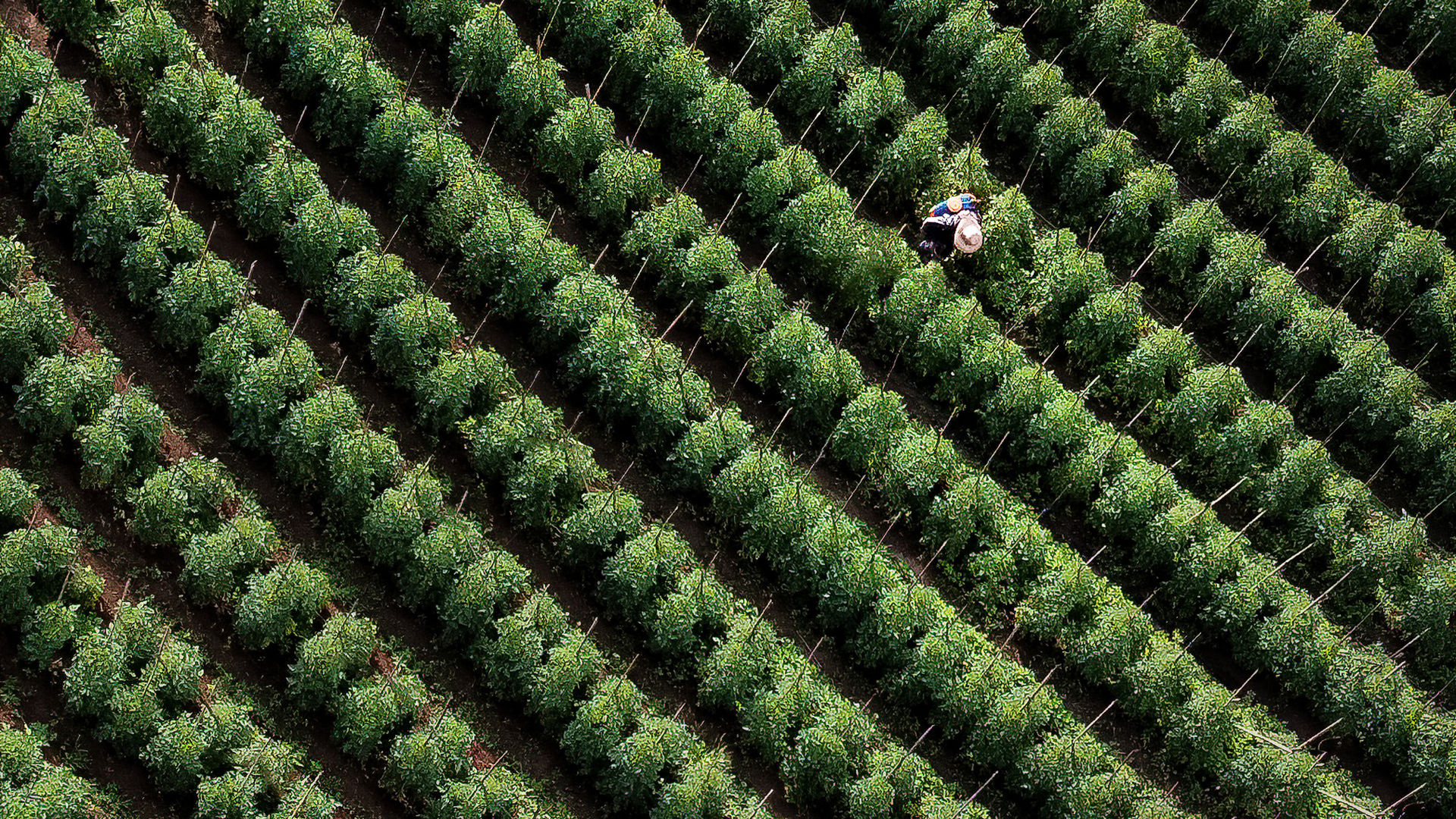
Featured Glucose Syrup Solutions for Turkish Importers
Standardized, Halal-certified liquid glucose & specialty starch derivative syrups refined under strict quality management for seamless delivery to Istanbul, Mersin, and Izmir ports.
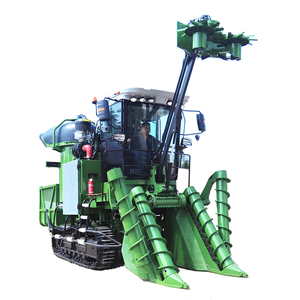
Industrial Grade Non-GMO Liquid Glucose Syrup (DE 42-45)
High-clarity, medium-conversion corn syrup providing balanced viscosity, sweetness control, and anti-crystallization properties for Turkish candy manufacturers.
Get a Quote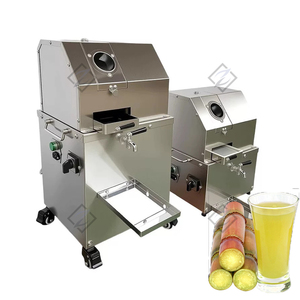
High Maltose Syrup (HM-50 / HM-70) for Lokum & Soft Candies
Engineered for low hygroscopicity, superior moisture retention, and elastic gel structure in Turkish Delight (Lokum) and traditional chewy sweets.
Get a Quote
Refined Glucose Syrup Solids & Specialty Sugar Matrices
Dehydrated high-purity hydrolysates tailored for quick dissolution, beverage premixes, and specialty confectionery applications across Turkey.
Get a Quote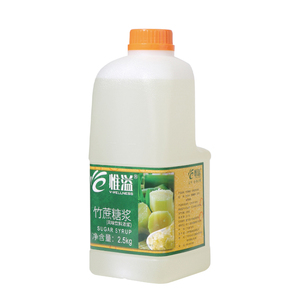
High-Purity Pure Liquid Syrup for Beverage & Syrups
Ultra-filtered, crystal-clear liquid syrup designed for RTD beverages, concentrated fruit juices, syrup toppings, and bubble tea formulations.
Get a Quote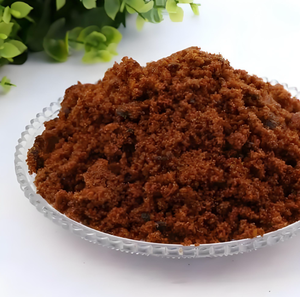
Bulk Food-Grade Granulated Sweetener & Sugar Base
Wholesale raw and unrefined carbohydrate building blocks for custom syrup synthesis, industrial bakeries, and large-scale food processors.
Get a Quote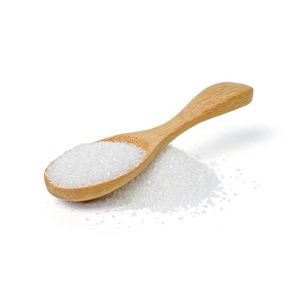
Refined Cane & Starch Hybrid Liquid Glucose Blend
Customized Brix-calibrated sucrose-glucose liquid syrups optimized for authentic taste profile and cost efficiency in commercial baking.
Get a Quote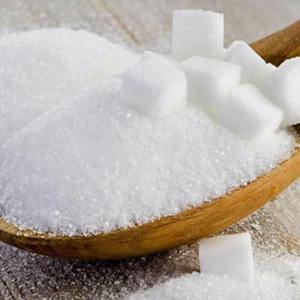
Pure Granular Carbohydrate Base (50kg Export Bags)
100% pure food-grade crystalline solids for industrial re-constitution, syrup dissolution tanks, and dry food blend manufacturing.
Get a Quote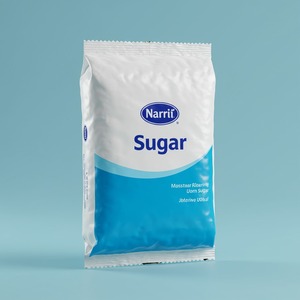
Customized Industrial Liquid Glucose Syrup (Flexitank / IBC)
Tailor-made Dextrose Equivalent (DE 38 to 63) liquid syrup exported in 24-ton flexitanks or 1.3-ton IBC totes for tier-1 Turkish plants.
Get a Quote1. Executive Summary & Strategic Macro-Trends in Turkey’s Sweetener Sector
Turkey stands as one of the world's premier food production hubs, serving as a critical bridge between Europe, the Middle East, and Eurasia. Renowned for its massive confectionery export volume—ranging from traditional Turkish Delight (Lokum), Helva, and Baklava to industrial hard candies, biscuits, and chocolates—the Turkish food manufacturing sector demands a resilient, high-grade supply of starch derivatives. In recent years, dynamic regulatory shifts governed by the Turkish Ministry of Agriculture and Forestry, alongside annual adjustments to National Starch-Based Sugar (Nişasta Bazlı Şeker - NBŞ) quotas, have driven Turkish food procurers to seek reliable, cost-effective, and technically compliant foreign sourcing partners.
As China continues to solidify its position as the global powerhouse for corn processing and starch hydrolysis, top Chinese glucose syrup factories have developed specialized export tracks specifically engineered for the Turkish market. This whitepaper provides procurement directors, technical QA managers, and supply chain executives in Turkey with an exhaustive guide to evaluating, sourcing, and importing premium liquid glucose syrup and high maltose syrups from China's leading manufacturing facilities.
Core Procurement Insight for Turkish Manufacturers: Sourcing high-purity liquid glucose syrup from certified Chinese factories provides up to 22% cost optimization compared to domestic sugar alternatives while ensuring exact Dextrose Equivalent (DE) control to prevent syrup crystallization in high-temperature confectionery processing.
2. Market Drivers & Regulatory Compliance for Importing Glucose Syrup into Turkey
Importing starch derivatives into Turkey requires strict adherence to local food safety standards and customs protocols. Chinese exporters specializing in the Turkish market must maintain full alignment with the Türk Gıda Kodeksi (Turkish Food Codex), specifically the Communiqué on Sugars (Şeker Tebliği).
A. Halal Integrity & Certification Standards
For Turkish food processors—many of whom export finished goods to the Gulf Cooperation Council (GCC) countries, North Africa, and Central Asia—Halal compliance is non-negotiable. Leading Chinese liquid glucose manufacturing plants operate dedicated, swine-free, alcohol-free processing lines. Raw corn starch undergoes enzymatic hydrolysis utilizing exclusively Halal-certified microbial enzymes (alpha-amylase and glucoamylase). Every container batch exported to Turkey is accompanied by internationally recognized Halal Certificates endorsed by GIMDES, JAKIM, or equivalent accredited auditing bodies.
B. Heavy Metal, SO2 & Pesticide Residue Control
The Turkish Food Codex imposes stringent limits on residual Sulfur Dioxide (SO2) levels in liquid sweeteners. While standard technical-grade syrups may contain higher SO2 levels used during starch bleaching, top Chinese export factories employ advanced ion-exchange resin purification and vacuum evaporation systems. This guarantees SO2 levels below 10 mg/kg (10 ppm) or custom ultra-pure SO2-free (< 4 ppm) grades, ensuring seamless clearance at Turkish customs inspection points (such as Ambarlı, Izmir, and Mersin customs laboratories).
Turkish Codex Compliant
Full adherence to Türk Gıda Kodeksi requirements for heavy metals, arsenic (< 0.5 ppm), and lead (< 0.1 ppm).
Zero-SO2 Bleaching Tech
Advanced double-pass activated carbon decolorization ensuring SO2 residuals under 10 ppm for export clearance.
Non-GMO Corn Feedstock
Sourced exclusively from certified non-GMO corn belts in Northeast China with complete IP traceability documentation.
3. Deep Technical Analysis: Hydrolysis Engineering & DE Rheology
Glucose syrup is not a single uniform commodity; it is a complex molecular mixture of D-glucose (dextrose), maltose, maltotriose, and higher oligosaccharides produced through the controlled enzymatic cleavage of corn starch. The degree of hydrolysis is quantified by the Dextrose Equivalent (DE), which dictates the syrup's functional behavior in food manufacturing.
Understanding DE Fractions & Molecular Distribution
Chinese processing plants utilize state-of-the-art dual-enzyme hydrolysis technology to precisely tailor the carbohydrate profile for specific industrial applications in Turkey:
| Glucose Syrup Type | DE Range | Brix (°Bx) | Major Carbohydrate Composition | Primary Functional Role in Food |
|---|---|---|---|---|
| Low DE Glucose Syrup | DE 28 – DE 35 | 80% – 84% | High Dextrins, Low Glucose (<8%) | High viscosity, bodying agent, low sweetness, anti-hygroscopic binder. |
| Standard Confectionery Grade | DE 38 – DE 44 | 82% – 85% | Glucose: 14-19%, Maltose: 14-20%, Maltotriose: 12-15% | Anti-crystallization, controlled browning, balanced body and texture in hard candies. |
| High Maltose Syrup (HM-50) | DE 42 – DE 52 | 75% – 83% | Maltose > 50%, Glucose < 10% | Low viscosity at high Brix, extreme resistance to moisture absorption, heat stable. |
| Extra High Maltose (HM-70) | DE 50 – DE 60 | 75% – 80% | Maltose > 70%, Glucose < 5% | Non-hygroscopic gel matrix creation for Lokum, fruit jellies, and high-clarity sweets. |
| High Conversion Syrup | DE 60 – DE 68 | 80% – 84% | Glucose: 35-42%, Maltose: 25-32% | High fermentability, humectancy, high sweetness for bakeries and preserves. |
4. Localized Turkish Application Scenarios & Formulation Science
A. Turkish Delight (Lokum) Manufacturing
Authentic Turkish Delight requires a delicate balance between starch gelatinization, sugar solubilization, and moisture control. Traditional recipes relying solely on sucrose are highly susceptible to recrystallization over time, leading to a grainy texture and degraded mouthfeel. Incorporating High Maltose Corn Syrup (DE 42-50, HM-50) imported from China solves these rheological challenges:
- Crystal Inhibition: Maltose molecules physically interfere with sucrose crystal lattice formation, preserving the smooth, elastic chew of Lokum across a 12-month shelf life.
- Water Activity (a_w) Reduction: The controlled dextrin distribution binds free moisture, preventing syneresis (water weeping) inside sealed consumer packaging, even under tropical export shipping conditions.
- Clarity & Gloss Enhancement: High-clarity Chinese glucose syrup (transmittance > 98.5% at 420 nm) yields semi-translucent Lokum cubes that showcase added pistachio, walnut, or rose water inclusions.
B. Tahini Helva & Sesame Paste Products
In Turkish Tahini Helva production (specifically in industrial manufacturing hubs like Konya and Gaziantep), managing oil separation and structural collapse is critical. Standard liquid sugars can introduce excessive moisture, causing phase separation between sesame oil and the sugar matrix. Chinese factories export a specialized High-Brix (84.5°Bx to 85.5°Bx) Confectionery Grade Glucose Syrup (DE 40) featuring high glass transition temperature ($T_g$) characteristics. This ensures:
- Robust structural binding without causing sticky or rubbery textures.
- Optimal resistance to oil migration during warm summer storage.
- Reduced sweetness index, allowing the rich, nutty flavor of roasted sesame tahini to remain the dominant sensory profile.
C. Hard Candies, Toffees & Caramel Sweets
During high-temperature cooking (140°C – 150°C) in continuous candy vacuum cookers, glucose syrup must resist thermal degradation. Poorly refined glucose syrups containing excessive proteins or amino acids trigger uncontrolled Maillard reactions, resulting in unwanted brown discoloration and off-flavors. Top Chinese factories utilize double ion-exchange resin columns (cation and anion beds) to remove micro-protein impurities down to < 0.01%. This provides exceptional thermal stability for Turkish hard candy lines in Karaman and Istanbul.
D. Bakery, Biscuits & Wafer Fillings (Gaziantep & Karaman Industrial Zones)
Industrial biscuit and wafer producers utilize High Conversion Glucose Syrup (DE 62) to achieve precise crust browning, moisture retention, and cookie crispness. The higher dextrose concentration accelerates Maillard browning during fast tunnel-oven baking, reducing energy consumption while imparting an attractive golden finish to biscuits.
5. Comparative Technical Analysis: Chinese Corn Glucose vs. Regional Sweeteners
When evaluating global sourcing strategies, Turkish procurement teams often compare Chinese corn-derived glucose syrup against European wheat-derived glucose syrup and regional beet sugar hydrolysates. The table below highlights key performance indicators (KPIs) relevant to commercial buyers:
| Performance Metric | Chinese Corn Glucose Syrup | European Wheat Glucose Syrup | Regional Beet Invert Sugar |
|---|---|---|---|
| Raw Material Origin | 100% Non-GMO Yellow Dent Corn | Wheat Starch Derivative | Sugar Beet Extract |
| Gluten-Free Status | Naturally Gluten-Free (< 5 ppm) | Requires testing (< 20 ppm) | Gluten-Free |
| Viscosity Stability | High (Predictable polymers) | Medium-High | Low (Varies with inversion) |
| Color Stability (Heat) | Superior (< 20 RBU after cooking) | Moderate | Prone to rapid caramelization |
| Supply Volume Capacity | Ultra-Large Scale (Container-ready) | Constrained by regional wheat crop | Seasonal Beet Harvest cycles |
| Cost Advantage for Turkey | High (15% - 25% Savings) | Baseline (High Euro tariff/cost) | Volatile (Subject to quotas) |
6. Comprehensive Logistical Framework: Shipping to Turkish Ports
Efficient supply chain management is essential to maintaining low landed costs and preventing production downtime in Turkish food processing plants. Leading Chinese glucose syrup exporters maintain direct shipping corridors connecting China's northern maritime hubs with Turkey’s major ports.
A. Ocean Freight Corridors & Transit Times
Bulk liquid shipments depart primarily from Qingdao Port, Tianjin Port, and Lianyungang Port, utilizing top-tier shipping lines (e.g., COSCO, CMA CGM, MSC, Maersk). Direct vessel services yield favorable transit schedules to Turkish destination ports:
- Mersin Port (East Mediterranean Hub): 14 to 18 Days Transit — Ideal for food manufacturers located in Gaziantep, Adana, and Southeast Anatolia.
- Ambarlı / Kumport (Istanbul Hub): 16 to 20 Days Transit — Serving the Marmara industrial belt, Kocaeli, and Tekirdağ.
- Izmir / Alsancak Port (Aegean Hub): 15 to 19 Days Transit — Supplying western food processors, fruit preserve plants, and beverage bottlers.
- Gemlik Port (Bursa Hub): 16 to 21 Days Transit — Convenient for confectionery and bakery hubs in Bursa and Eskişehir.
B. Advanced Industrial Packaging Options
Liquid glucose syrup requires specialized containerization to prevent contamination, temperature degradation, and moisture ingress during ocean transit across maritime zones:
Bulk Flexitanks (24,000 Liters)
Food-grade multi-layer PE flexitanks fitted inside 20ft FCLs. Maximum volumetric payload yielding the lowest freight cost per metric ton.
Intermediate Bulk Containers (IBC Totes)
1,300 kg heavy-duty composite IBC totes. Stackable, easy to unload via standard forklift equipment, ideal for mid-sized factories.
Steel / HDPE Drums (300 kg)
Tight-head steel drums (80 drums per 20ft container = 24 MT total net weight). Highly durable, tamper-evident seals for smaller batch mixing.
C. Customs Clearance Documentation Pack for Turkey Import
To ensure smooth clearance through Turkish Customs Authorities (Gümrük Muhafaza), professional Chinese exporters furnish a standardized, complete documentation dossier for every shipment:
- Certificate of Analysis (CoA): Detailing lot-specific Brix, DE, pH, Transmittance, SO2, Microbe Counts (TPC, Yeast & Mold, E. coli, Salmonella), and Heavy Metals.
- Halal Certificate: Issued by an internationally accredited Halal certification body.
- Country of Origin Certificate (Form A / Ordinary CO): Authenticated by CCPIT (China Council for the Promotion of International Trade).
- Health / Phytosanitary Certificate: Issued by China Inspection and Quarantine (CIQ / China Customs Authority).
- Non-GMO Declaration & Allergen-Free Statement: Confirming total compliance with food safety regulations.
- Clean Bill of Lading (B/L) & Commercial Invoice / Packing List.
Why Top Turkish Brands Partner With Our Factory Network
Combining multi-generational sweetener processing expertise with state-of-the-art Chinese industrial infrastructure to deliver unmatched reliability, quality consistency, and commercial value.
15+ Years Specialized Export Expertise
Proven track record of supplying tier-1 food manufacturers, co-packers, and importers across Turkey, Europe, and North America with zero compromise on quality.
End-to-End Quality Management & Traceability
From non-GMO corn farm sourcing to double-ion-exchange refining, every batch undergoes 18 rigorous QA checkpoints backed by ISO 22000, HACCP, and Halal credentials.
Tailor-Made DE & Rheology Customization
Our R&D lab custom-blends specific Dextrose Equivalents (DE 38 to 65) and Brix levels (75°Bx to 85°Bx) to match your exact production equipment parameters in Turkey.
Guaranteed Supply Security & Forecast Hold
Massive 650,000 MT annual production capacity allows us to lock in annual supply contracts, protecting Turkish buyers from local sugar market price spikes.
Frequently Asked Questions by Turkish Importers
Direct answers to technical, commercial, and logistical queries commonly raised by Turkish food company purchasing managers.