
Heavy Machinery
Full Identity Preserved (IP) traceability, EU-compliant allergen documentation, and rigorous PCR batch testing delivered directly from certified manufacturing plants to French ports.
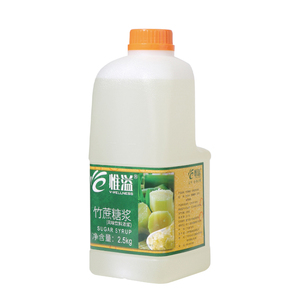
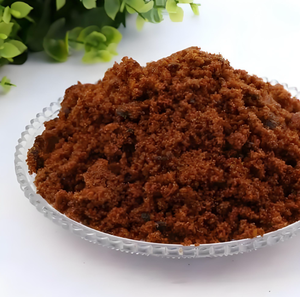
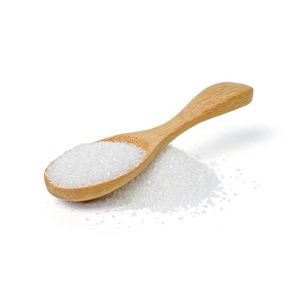
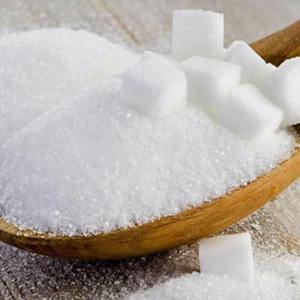
The European agricultural and food manufacturing sectors—most notably in France—operate under some of the world's most rigorous consumer protection laws and environmental mandates. As French consumers increasingly demand clean-label, certified non-GMO, and sustainable food formulations, industrial buyers across the Île-de-France, Nouvelle-Aquitaine, and Grand Est industrial hubs face unprecedented pressure to secure reliable, large-scale supplier channels for Non-GMO corn products. Key raw materials such as Non-GMO Native Corn Starch, High Maltose Corn Syrup, Dextrose Monohydrate, Maltodextrin, and Sorbitol form the functional backbone of French industrial baking, dairy processing, confectionery, ready-to-drink (RTD) beverages, and pharmaceutical applications.
Historically, European food processors relied heavily on domestic corn crops. However, erratic climatic patterns across southern Europe, escalating energy costs for wet milling inside the European Union, and strict land-use constraints have compelled procurement directors to look globally. China has emerged as the premier world benchmark for high-capacity, technology-driven wet milling of Identity Preserved (IP) Non-GMO corn. By pairing vast agricultural acreage in Northeastern China (Heilongjiang and Jilin provinces) with state-of-the-art closed-loop processing machinery, top-tier Chinese factories provide French industrial importers with an unmatchable combination of volume stability, pristine purity standards, and cost optimization.
This technical whitepaper examines the core structural benefits, regulatory mechanisms, quality-control frameworks, and localized application scenarios essential for French procurement officers sourcing Non-GMO corn ingredients and sugar substitutes directly from audited Chinese manufacturers.
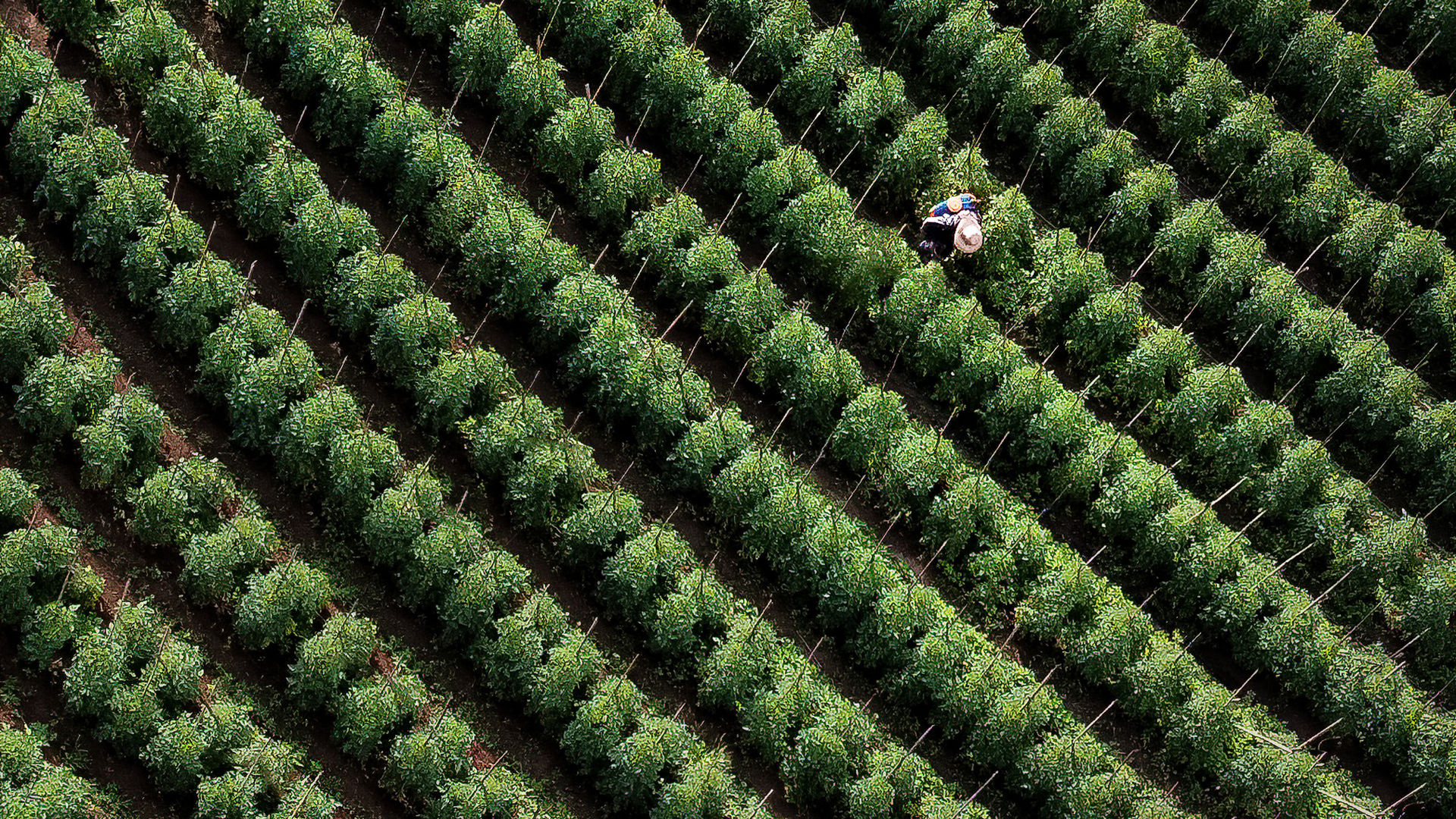
Every batch originates from contracted non-GMO seed lines cultivated in isolated agricultural zones. Strict segregation guarantees zero cross-contamination throughout harvesting, transport, wet-milling, and bagging.
Full adherence to EU Regulation (EC) No 1829/2003 and 1830/2003. Polymerase Chain Reaction (PCR) testing documentation verifies adventitious GMO presence remains consistently under the 0.1% detection threshold.
Optimized freight routing from major Chinese loading ports (Qingdao, Tianjin, Dalian) to primary French gateways, including Le Havre, Dunkirk, and Marseille-Fos, backed by sea-worthy packaging.
To assist French formulation scientists, QA executives, and procurement buyers, the matrix below details the physicochemical properties, functional roles, and international certification profiles of our Non-GMO corn derivative spectrum:
| Non-GMO Product Derivative | Functional Parameter / Standard Grade | Primary Food & Industrial Purpose | EU Compliance & Certifications |
|---|---|---|---|
| Non-GMO Native Corn Starch | Purity ≥ 99.2%, Moisture ≤ 13.5%, Mesh Size 100-200 | Viscosity control, structural binding, crispness retention in French bakery | ISO 22000, HACCP, Non-GMO Project Verified, Kosher, Halal |
| High Maltose Corn Syrup (HMCS) | DE 42 - 50, Solids 80-84%, Low Glucose (< 10%) | Anti-crystallization in French confectionery, moisture retention in brioche | USDA Organic option, EFSA Compliant, IP Non-GMO Certified |
| Dextrose Monohydrate (Food/Pharma) | Assay ≥ 99.5%, Pyrogen-free grade available | Rapid fermentation substrate for commercial yeasts, beverage sweetener | EP (European Pharmacopoeia), ISO 14001, Non-GMO IP Status |
| Maltodextrin (DE 10 - 15 & 15 - 20) | Brix 95% min, Solubility 99.8%, Low Dust Granular | Spray-drying carrier for flavors, fat replacer in light French sauces | FSSC 22000, Non-GMO PCR < 0.1%, EU 1829/2003 Audit Passed |
| Sorbitol Powder & 70% Liquid | Purity ≥ 98.5%, Polyol moisture barrier | Humectant in sugar-free pastry, specialized cosmetic emulsions | GMP Certified, REACH Compliant for industrial uses, Kosher |
Tailored functional formulations matching the heritage, sensory standards, and regulatory expectations of French commercial production.
France’s legendary bakery sector requires raw ingredients that behave predictably under automated proofing and baking temperatures:
French consumer preference strongly favors velvety, rich dairy textures without artificial chemical stabilizers:
From traditional fruit pastes (*pâtes de fruits*) in Auvergne to high-end hard candies in Lille:
France’s premium livestock branding (such as *Label Rouge* poultry and AOC dairy cattle) demands non-GMO verified feed ingredients:
Concentrated in the French *Cosmetic Valley* (Chartres/Orléans), modern personal care formulators seek bio-based replacements for synthetic chemicals:
Under the French Energy Transition for Green Growth Act, industrial packaging manufacturers are phasing out single-use fossil plastics:
Importing agricultural derivatives into France requires an intimate understanding of both European Union regulations and French national decrees. The French Ministry of Agriculture and the *DGCCRF* (Directorate-General for Competition, Consumer Affairs and Fraud Control) enforce exceptionally tight parameters regarding GMO claims.
In France, voluntary "Sans OGM" (GMO-Free) labeling on retail packaging is strictly regulated. For plant-origin ingredients (such as corn starch, maltodextrin, and sweeteners), the finished product must contain no more than 0.1% genetically modified presence—a threshold significantly tougher than the standard EU 0.9% mandatory labeling limit. Chinese factories partnering with French importers must utilize validated Real-Time Quantitative PCR (Polymerase Chain Reaction) testing protocols capable of verifying non-GMO status at the 0.01% limit of detection (LOD).
EU buyers no longer accept simple self-declarations. Sourcing success hinges on **Identity Preserved (IP) Certification**. Chinese factories maintain complete physical isolation of non-GMO corn varieties starting at the farming cooperative level. Agronomists inspect seed stock before planting, dedicated grain elevators store the harvested crop, and processing facilities undergo thorough CIP (Clean-in-Place) sanitation flushes prior to non-GMO production runs. Every container dispatched to France is accompanied by an unbroken chain-of-custody certificate.
Under the EU Corporate Sustainability Reporting Directive (CSRD) and the European Green Deal, major French food corporations (such as Danone, Lactalis, and Tereos partner networks) evaluate suppliers based on Scope 1, 2, and 3 carbon emissions. Leading Chinese corn processing factories have responded by installing combined heat and power (CHP) biomass boilers, eco-friendly water recovery systems, and solar arrays. Providing audited Life Cycle Assessments (LCA) and carbon footprint data gives French procurement officers a distinct competitive advantage during auditor reviews.
Over a decade and a half of dedicated international ingredient distribution. We understand European customs clearance, tariff codes (HS Codes 1108.12, 1702.30, 2905.44), and batch documentation requirements implicitly.
Rooted in family-owned principles and direct agricultural partnerships. We negotiate directly with farming communities in China's prime golden corn belt, eliminating speculative middleman trading markups.
Every sea container ships with an exhaustive QA pack: Batch CoA, PCR Non-GMO Test Report, Heavy Metal & Pesticide Screen, Allergen Matrix, Kosher/Halal Certificates, and ISO/HACCP documentation.
Supplied in 25kg multi-wall paper bags with PE liners, 1,000kg jumbo totes (Big Bags) with discharge spouts, or ISO flexitanks and liquid pails tailored for high-volume automated French production lines.
Connect with our senior ingredient specialists to receive customized technical datasheets, full CoA archives, volume price breaks, and door-to-door freight quotes to Le Havre or Marseille-Fos.