Export-Grade Chia Seeds & Processing Technology
Raw Black Chia Seeds (99.9% Purity Export Grade)
Send an Inquiry
Premium Cleaned White Chia Seeds (Food-Grade Bulk)
Send an Inquiry
Organic Micro-Milled Chia Powder (50kg Multi-Wall Packs)
Send an Inquiry
Cold-Pressed Chia Seed Oil & Omega-3 Extract Grade
Send an Inquiry
Functional Chia & Natural Grain Premixes for Bakery
Send an Inquiry
Food-Grade Chia Mucilage & Natural Hydrocolloid Syrups
Send an Inquiry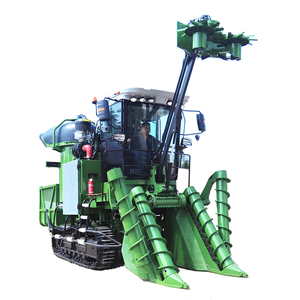
Industrial Seed Cleaning & Gravity Separator Machinery
Send an Inquiry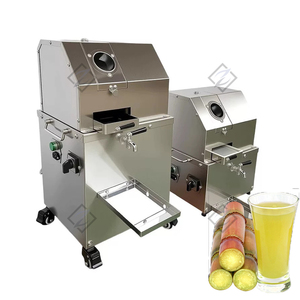
High-Capacity Cold-Press Seed Extraction Processing Units
Send an InquiryStrategic Analysis: Chia Seeds Importation & Industrial Integration in Algeria
The agricultural commodity and functional ingredient landscape in Algeria is undergoing an unprecedented structural shift. Driven by changing consumer demographics, an expanding middle class, and government initiatives aiming to diversify local food processing capabilities, demand for high-nutrient botanical ingredients has risen exponentially. Among these, chia seeds (Salvia hispanica L.) have established themselves as a critical raw material for commercial food production, nutraceuticals, and industrial formulation across key domestic hubs such as Algiers (Alger), Oran, Sétif, Blida, and Constantine.
1. The Algerian Macro-Market Dynamics & Superfood Demand Growth
Algeria represents one of the largest consumer markets in the MENA (Middle East & North Africa) region. Historically reliant on imported wheat, barley, and traditional oilseeds, Algerian food manufacturers are increasingly reformulating products to cater to modern health-conscious consumers. Industrial bakeries, dairy processors, and beverage bottlers require stable, high-purity bulk imports of chia seeds to fortify products with dietary fiber, plant-based protein, and essential omega-3 fatty acids (alpha-linolenic acid, ALA).
Global suppliers, direct-from-origin factories, and specialized exporters must navigate Algeria's unique trade mechanisms. Importers in major industrial zones seek foreign suppliers who offer not merely lower per-ton pricing, but absolute supply chain transparency, reliable maritime transport buffer strategies, and strict adherence to mandatory quality controls enforced by local ministries.
2. Regulatory Framework & Import Compliance in Algeria
Importing agricultural seeds into Algeria requires strict alignment with national food safety standards and international trade documentation. Crucially, B2B procurement teams must comply with guidelines set forth by the Ministry of Commerce & Export Promotion and the CACQP (Centre Algérien du Contrôle de la Qualité et de l'Emballage).
Key regulatory clearance requisites include:
- Phytosanitary Certification: Issued by the National Plant Protection Organization (NPPO) of the exporting country, certifying freedom from quarantine pests, weed seed contamination, and fungal pathogens.
- Certificate of Analysis (CoA): Batch-specific documentation validating chemical, physical, and microbiological thresholds, including heavy metals, pesticide residues (MRL compliance), and moisture levels below 8.0%.
- Halal Certification: Mandatory for all food ingredients imported into the Democratic Popular Republic of Algeria, validated by recognized Islamic certifying authorities.
- Customs Tariff Classification: Chia seeds are classified under HS Code 1207.99 (Other oil seeds and oleaginous fruits). Verification of applicable import duties, VAT rates, and port clearance procedures at Port d'Alger or Port d'Oran is essential.
3. Technical Specification Matrix for B2B Procurement Teams
To assist procurement managers, quality control (QC) laboratory personnel, and formulation engineers in evaluating chia seed shipments, the following technical benchmark matrix details export-standard parameters guaranteed by tier-1 factories:
| Specification Parameter | Commercial Grade (Standard) | Premium Food-Grade (99.9%) | Organic Certified (USDA / EU) |
|---|---|---|---|
| Purity Level | ≥ 99.0% | ≥ 99.90% (Double Optical Cleaned) | ≥ 99.95% (Triple Air-Screened) |
| Moisture Content | Max 8.5% | Max 7.5% - 8.0% | Max 7.0% |
| Oil Content (Lipids) | 30.0% - 32.0% | 31.0% - 34.0% | 32.0% - 35.0% |
| Omega-3 (ALA Ratio) | ≥ 60% of total fats | ≥ 62% of total fats | ≥ 63.5% of total fats |
| Foreign Matter / Seed Mixture | ≤ 0.5% | ≤ 0.1% | ≤ 0.05% |
| Microbiological Standard | Standard Plate Count < 100,000 cfu/g | Salmonella: Negative in 25g E. coli: < 10 cfu/g |
Pathogen Free, Non-Irradiated, Zero Residue |
| Packaging Standard | 25kg PP Woven Bags | 25kg Kraft Paper / PE Inner Liner | 1,000kg Bulk Big Bags / Vacuum Totes |
4. Mucilage Properties & Rheological Performance in Industrial Processing
From an agro-industrial processing standpoint, chia seeds are prized for their unique pericarp gel-forming capacity. Upon hydration, the outer seed coat exudes a soluble polysaccharide mucilage composed mainly of xylose, glucose, and glucuronic acid. This natural hydrocolloid creates a high-viscosity gel capable of absorbing up to 12 times its weight in water.
For Algerian food scientists, this functional property offers remarkable economic and operational benefits:
- Fat Replacement in Baked Goods: Chia mucilage can replace up to 25% of commercial shortening or egg solids in cakes, biscuits, and industrial pastries without compromising textural integrity.
- Syneresis Control in Dairy & Desserts: Prevents water separation in fermented milks (Lben, Raïb), yogurt preparations, and fruit jams during elevated ambient storage temperatures common in North Africa.
- Emulsion Stabilization: Functions as a green, clean-label emulsifier in bottled salad dressings, sauces, and condiment manufacturing lines.
Industrial Application Scenarios Across Algerian Sectors
Industrial Bakery & Khobz Fortification
Integration into high-volume baguette production, traditional artisan flatbreads (Khobz al-Dar), and packaged sliced breads to enhance moisture retention, extend shelf-life, and boost fiber content.
Dairy & Fermented Milk Products
Fortification of local dairy lines including traditional Lben, Raïb, drinking yogurts, and spoonable fruit yogurt cups with whole or micro-ground chia seeds for texture enrichment.
Functional Beverages & Nectars
Formulation of ready-to-drink (RTD) fruit juices, botanical infusions, and hydration beverages utilizing chia mucilage for seed suspension and natural mouthfeel enhancement.
Agro-Processing & Oil Pressing
Utilization of high-tonnage chia seed lots in cold-press oil extraction facilities, generating premium omega-3 rich vegetable oil alongside high-protein chia meal by-products.
Why Algerian Importers Partner With Our Supply Network
Direct Origin Sourcing & Agronomy
We eliminate intermediary brokers by working directly with qualified farming cooperatives across premier growing regions in South America and East Africa. Every harvest undergoes field-level quality checks to ensure optimal lipid profiles and clean seed size distribution.
Rigorous Quality Assurance & CoAs
Every shipment bound for Algiers, Oran, or Bejaïa ports includes batch-specific Certificates of Analysis issued by ISO 17025 accredited laboratories. We verify zero heavy metal contamination, strict pesticide MRL compliance, and guaranteed germination/purity standards.
Algerian Banking & L/C Expertise
Our commercial department possesses extensive experience with Algerian trade finance mechanisms, including Letter of Credit (L/C) requirements, bank domiciliation processes, and document presentation compliance under Banque d'Algérie regulations.
Frequently Asked Questions by Algerian B2B Buyers
Ready to Secure Bulk Chia Seed Shipments for the Algerian Market?
Connect directly with our international export department. Receive instant container-load pricing, specifications, Phytosanitary sample Packs, and tailored logistics solutions for your business.
Send an Inquiry