
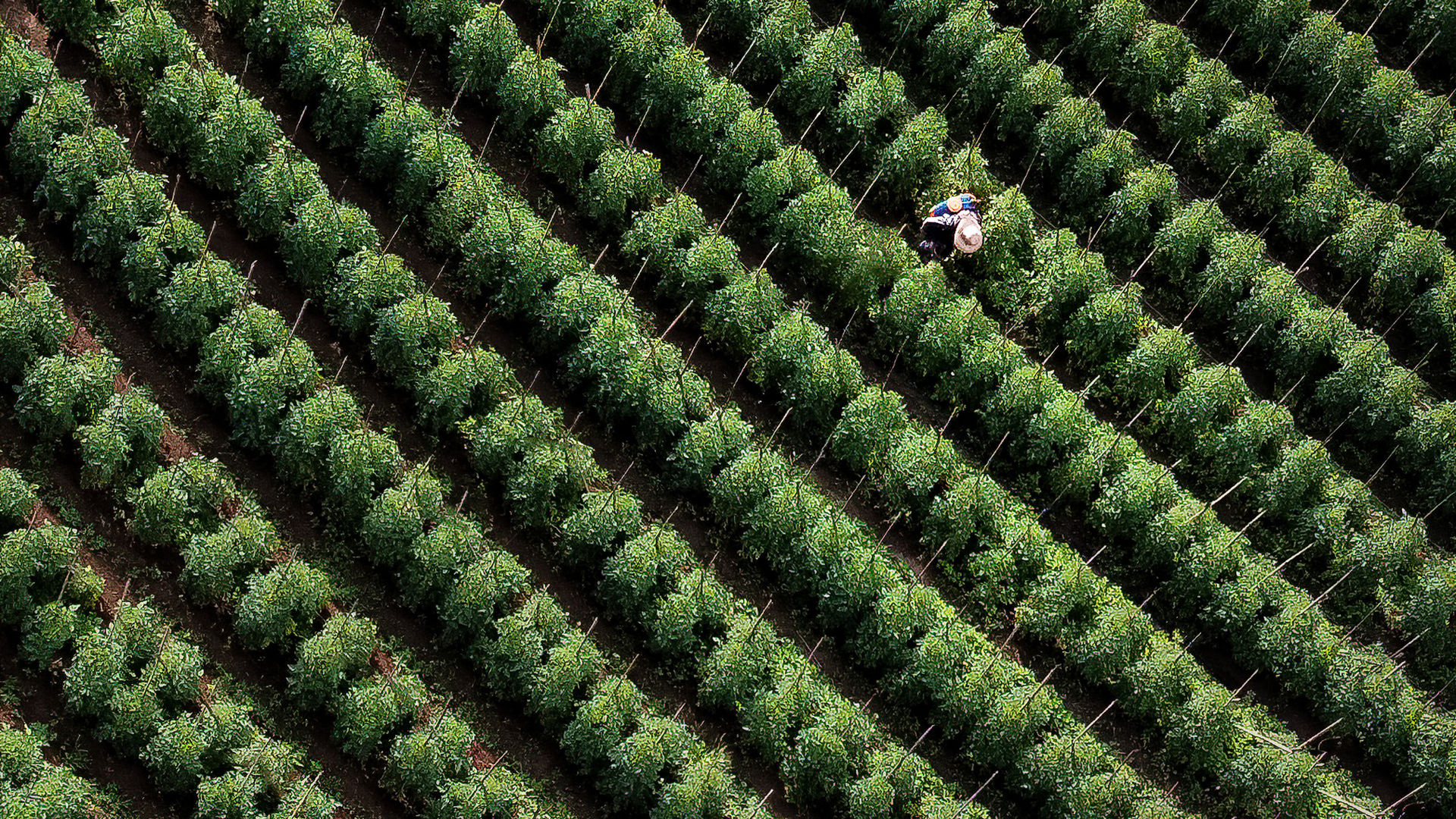
Premium Sweetener Portfolio for Japanese B2B Buyers
Fully traceable, food-grade raw materials certified to meet strict Japanese Agricultural Standards (JAS) and MHLW import compliance.
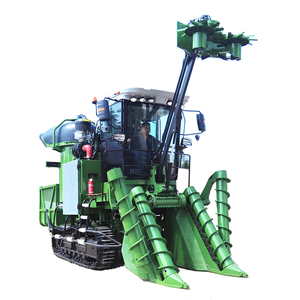
Industrial Sugarcane Harvesting & Raw Material Supply
Full customization Chinese harvesting sugarcane equipment for integrated farm-to-factory agricultural productivity and raw cane collection.
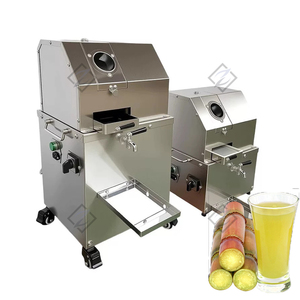
Commercial Sugarcane Juice Extraction Systems
Commercial & household grade electric sugarcane juicers designed for rapid processing, syrup base preparation, and fresh beverage applications.
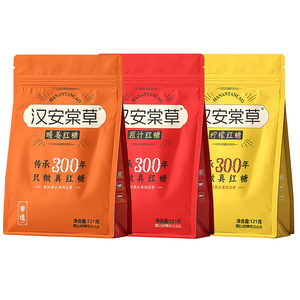
Refined Cane Brown Sugar Cubes & Lumps (121g Pack)
Bagged multi-flavor premium cane brown sugar lumps ideal for specialty retail packaging, foodservice dissolving systems, and tea houses.
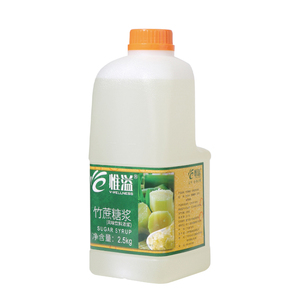
Bamboo Cane Rock Syrup for RTD & Tea Chains
High-purity bamboo cane rock syrup engineered for fast cold-water solubility, rich mouthfeel, and consistent sweetness profiles in beverage manufacturing.
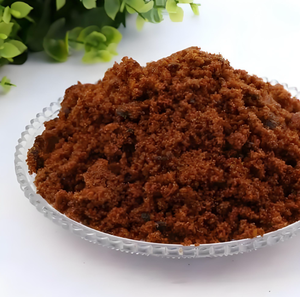
Bulk Unrefined Brown Cane Sugar (Food Grade)
Natural granulated unrefined brown cane sugar sourced for commercial bakeries, confectionery recipes, and clean-label food applications.
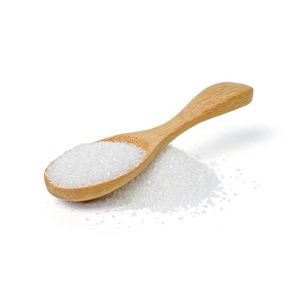
Refined Cane Sugar Direct Direct Factory Export
Ultra-pure ICUMSA 45 refined white cane sugar providing clean sweetness, zero color contribution, and immediate dissolution in liquid matrixes.
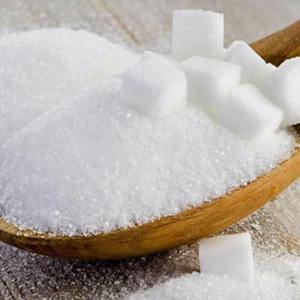
Natural White Granular Cane Sugar (50kg Bulk Pack)
100% pure natural granular white cane sugar packed in multi-wall moisture-proof 50kg export bags designed for automated dosing facilities.
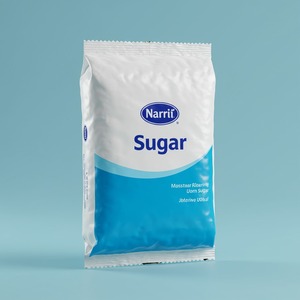
Customizable Packaging Raw Granulated Cane Sugar
Food-grade raw white/golden granulated cane sugar with customizable mesh sizes and tote packaging for high-capacity food processors.
Japan Bulk Sweetener Market Dynamics & Regulatory Analysis
The Japanese food and beverage market represents one of the world's most sophisticated and quality-sensitive sectors. Japanese procurement directors at major food conglomerates—ranging from Tokyo and Osaka to Fukuoka—demand strict adherence to clean-label standards, traceable supply chains, and absolute regulatory compliance. Sourcing bulk sugarcane derivatives, brown sugar granules, and liquid syrup systems for the Japanese market requires a deep understanding of local consumer trends and government import frameworks.
1. Sugar Reduction & Functional Reformulation Trends in Japan
Under the guidance of Japan's Ministry of Health, Labour and Welfare (MHLW), consumer demand has pivoted sharply toward lower glycemic impact, natural origin sweeteners, and clear nutritional disclosure. Japanese beverage manufacturers are actively reformulating ready-to-drink (RTD) green teas, coffees, and functional health drinks (FOSHU - Foods for Specified Health Uses). Formulators require high-purity unrefined cane sugars and specialized rock syrups that deliver clean sweetness profiles without residual chemical off-tastes, ensuring synergy with traditional Japanese flavor profiles.
2. Stringent Regulatory Compliance: Food Sanitation Act & Positive List System
Exporting agricultural commodities into Japanese ports like Yokohama, Kobe, and Nagoya involves rigorous quarantine inspection. Under Japan’s Positive List System for Agricultural Chemical Residues, imported sweeteners must be certified free of non-approved pesticides, heavy metals (such as Lead, Cadmium, and Arsenic), and mycotoxins. Our factory operations utilize advanced triple-filtration, optical sorting, and lot-by-lot batch analysis to guarantee 100% compliance with Japan’s Food Sanitation Act before any shipment leaves our facilities.
Japanese Organic Standard (JAS Alignment)
Japanese buyers requiring organic-certified inputs must comply with MAFF (Ministry of Agriculture, Forestry and Fisheries) guidelines. We provide USDA Organic and Non-GMO Project Verified documentation that seamlessly bridges with Japanese JAS equivalency frameworks.
Supply Chain Vulnerability Mitigation
In response to recent global logistics bottlenecks, Japanese manufacturers prioritize suppliers who offer safety stock buffers and contract pricing programs to eliminate unexpected production line downtime.
Localized Application Scenarios in Japan’s Food & Beverage Industry
Sweeteners do not perform identically across different processing environments. Our bulk refined, unrefined raw cane sugars, and liquid rock syrups are specifically calibrated to meet the physical and chemical requirements of specialized Japanese food manufacturing pipelines.
A. Wagashi & Traditional Japanese Confectionery
In traditional Japanese sweets (Wagashi) such as Anko (sweet red bean paste), Manju, and Yokan, sugar controls both structural texture and moisture retention (water activity). Our fine-grain unrefined brown sugar lumps and granulated raw cane sugar impart authentic caramel notes and deep amber translucency while preventing unwanted crystallization over extended shelf lives.
B. RTD Teas, Coffee & Milk Tea Beverage Chains
For high-speed automated bottling lines producing canned coffees and tea syrups across Japan, instant dissolution is paramount. Our liquid rock syrups and ICUMSA 45 ultra-pure refined white sugars dissolve rapidly without forming sedimentation, cloudiness, or altering thermal stability during UHT sterilizations.
C. Fermented Soy Sauce, Mirin & Teriyaki Glazes
Japanese savory condiments rely heavily on precise fermentable sugar solids to achieve balanced umami ratios. Our raw cane granulated sugar and molasses-rich brown sugars provide consistent carbon sources for fermentation microbes while yielding ideal Maillard reaction caramelization during cooking.
D. Bakery, Frozen Desserts & Functional Snacks
In industrial bakery lines producing Japanese fluff pancakes, sponge cakes (Castella), and matcha-infused ice creams, our standardized particle size distribution ensures uniform aeration, crumb structure, and freezing point depression without sugar bloom.
Technical Specifications & Standardized Quality Benchmark Matrix
To assist Japanese R&D scientists, quality assurance directors, and commercial procurement teams, we maintain rigorous chemical and physical specification parameters across our full product line.
| Sweetener Grade | ICUMSA Rating | Polarization (°Z) | Moisture Content | Ash Content | Primary Japanese Application |
|---|---|---|---|---|---|
| Refined White Cane Sugar | ICUMSA 45 Max | 99.80% Min | 0.04% Max | 0.04% Max | RTD Beverages, Fine Confectionery, Dairy |
| Natural White Granular Sugar | ICUMSA 100 - 150 | 99.50% Min | 0.08% Max | 0.10% Max | Industrial Bakery, Canning, Sauces |
| Unrefined Brown Cane Sugar | ICUMSA 600 - 1200 | 95.00% Min | 0.15% Max | 0.50% Max | Wagashi, Anko Paste, Teriyaki Glazes |
| Raw Cane Sugar (Food Grade) | ICUMSA 800 - 1500 | 97.80% Min | 0.12% Max | 0.30% Max | Large-scale Fermentation, Cereal Blends |
| Bamboo Cane Rock Syrup | N/A (Liquid 67-75 Brix) | N/A | 25.0% - 33.0% | 0.10% Max | Boba Chains, Flavored Syrups, Desserts |
Why Leading Japanese Importers Partner With Our Factory
Building on over 15 years of multi-generational agricultural commodity expertise, our supply ecosystem brings unmatched reliability, transparency, and product excellence to international markets.
Direct Origin Farming & Processing
Unlike broker agencies, we maintain direct contracts with qualified origin partners and operate modern crushing and refining mills. We manage every stage from field sugarcane harvesting equipment to automated bagging, ensuring zero batch-to-batch variation.
Comprehensive Quality Certification Pack
Every bulk shipment destined for Japan is accompanied by an audit-ready document package: Lot-specific Certificate of Analysis (CoA), Non-GMO Statement, Heavy Metal & Pesticide Residue Guarantee, Kosher, HACCP, and ISO compliance sheets.
JIS-Standard Packaging & Flexible Shipping
Dry granular sugars are available in 25kg multi-wall craft bags, 50kg export bags, or 1,000kg bulk totes sized specifically for Japanese warehouse palletizing (JIS T11 standards). Liquid syrups ship in clean 275-gallon IBC totes or flexitanks.
Dedicated Japanese Account Support
Our trade specialists understand the nuances of Japanese import procedures, ocean transit routes to major Japanese ports (12-16 days average transit), and long-term contract pricing to buffer against currency fluctuations.
Frequently Asked Questions (FAQ) by Japanese Procurement Teams
Here are clear technical and operational answers to common queries raised during supplier qualification by Japanese food manufacturers.
What specific documentation is provided to clear Japanese MHLW import quarantine?
Every shipment includes a lot-specific Certificate of Analysis (CoA), Certificate of Origin, detailed Ingredients Breakdown Statement, Packing List, Bill of Lading, and certified testing documentation for pesticide residues and heavy metals conforming to the Japanese Food Sanitation Act.
How do your organic cane sugars comply with JAS (Japanese Agricultural Standard) regulations?
Our organic sugar mills hold valid USDA Organic and international equivalent certifications. Through the US-Japan Organic Equivalency arrangement, our transaction certificates align directly with JAS importer verification protocols, ensuring smooth customs release.
What are the Minimum Order Quantities (MOQ) and ocean freight transit times to Japan?
Our minimum order quantity for direct factory exports is one 20-foot full container load (approx. 20–24 Metric Tons depending on packaging type). Direct shipping transit times to primary ports like Yokohama, Tokyo, Kobe, and Osaka range between 12 to 18 days from vessel departure.
Can we request custom particle sizes (mesh size) and Brix levels for automated manufacturing lines?
Yes. We offer customized granulometry for dry cane sugars (fine granulated, standard, coarse crystal) and custom Brix concentrations (67° to 75° Brix) for liquid syrup systems to fit your automated dosing equipment without requiring line adjustments.
How do you prevent caking and moisture absorption during sea transit across humid ocean routes?
We utilize high-barrier, multi-wall PE-lined paper bags or sealed polypropylene totes designed to block moisture ingress. Container interiors undergo strict pre-loading inspections and are equipped with industrial desiccant poles to maintain low humidity levels during ocean transit.
What is the procedure for ordering R&D evaluation samples prior to commercial contract signing?
We regularly supply 1kg to 5kg lab evaluation samples alongside complete specification sheets and sample CoAs for formulation trials. Simply click the inquiry button below to request sample kits directly from our technical sales team.