

Featured Industrial Tapioca Syrups & Specialty Formulations
Explore our certified range of liquid tapioca sweeteners, functional prebiotic fibers, and application-specific syrups produced under HACCP, ISO 22000, and NOP Organic protocols.
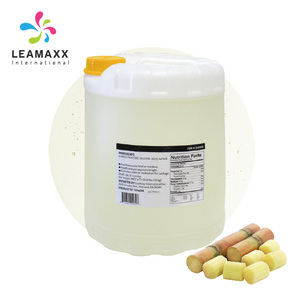
2026 Leamaxx Liquid Clear Cane & Tapioca Syrup 25kg Tub for Bubble Tea Pearls
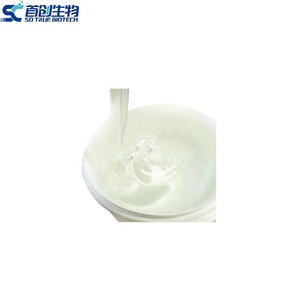
HALAL Tapioca IMO 900 High DP3 Isomalto-Oligosaccharide Prebiotic Syrup
USDA Organic Tapioca IMO 900 Functional Fiber Syrup & Nutrition Powder
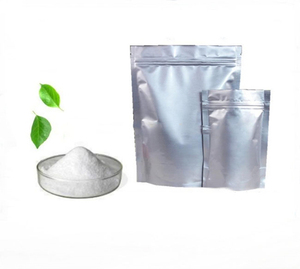
High-Soluble Organic Tapioca Dietary Fiber Syrup & Maltodextrin Powder
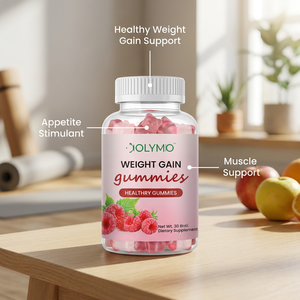
Private-Label Organic Tapioca Base Syrup for Nutraceutical & Mass Gummies
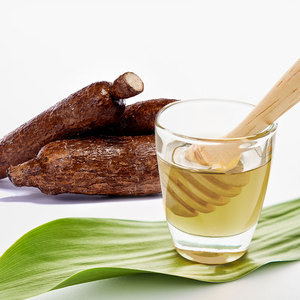
Industrial Grade Tapioca Glucose Syrup (75-80% Brix) 24-Month Shelf Life
High-Fructose Tapioca Syrup 55% (Non-GMO Corn Alternative) for Beverages
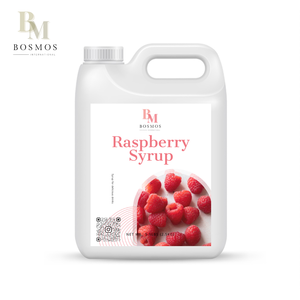
Flavored Fruit Tapioca Syrup 2.5kg Bottle for Bubble Tea & Beverage Formulations
Engineering the Next Generation of Clean-Label Sweeteners: Tapioca Hydrolysis Architecture
How advanced enzymatic conversion delivers superior structural, sensory, and functional stability over traditional high-fructose corn syrups.
In the contemporary food processing ecosystem, global brand managers and food scientists are systematically replacing high-fructose corn syrup (HFCS) and chemical artificial sweeteners with enzymatically derived tapioca syrup. Produced from the refined starch of cassava roots (Manihot esculenta), high-purity tapioca syrup offers a neutral flavor profile, exceptional thermal color stability, non-GMO compliance, and naturally low allergenicity.
As a leading multi-generational organic ingredient enterprise headquartered in Norcross, GA, Peachtree Commodities partners directly with wet-milling factories to maintain strict oversight of carbohydrate profiles ranging from low-DE (Dextrose Equivalent) structural binding agents to high-maltose and high-DP3 prebiotic syrups.
Controlled DE Hydrolysis
By deploying specific combinations of bacterial alpha-amylase and fungal glucoamylase, our factories precisely tailor the Dextrose Equivalent (DE 27, DE 42, DE 60) to dictate sweetening index, osmotic pressure, and viscosity curve profiles for exact batch processing.
Zero-Maillard Thermal Clarity
Unlike corn or cane sugar derivatives rich in reactive reducing sugars, low-color tapioca syrups maintain a crystal-clear APHA color index even under high-temperature vacuum cooking (e.g., hard candies, pectin gummies, and beverage syrups).
Non-GMO & Allergen-Free
Tapioca root is inherently free from major allergens including gluten, soy, dairy, and corn proteins. Verified through Non-GMO Project standards, tapioca eliminates major risk factors associated with supply chain cross-contamination.
Comparative Technical Analysis: Tapioca Sweetener Variants vs. Alternative Carbohydrates
| Ingredient Variant | Brix (% Solids) | DE Range | Primary Carbohydrate Profile | Key Industrial Applications | Clean-Label Advantage |
|---|---|---|---|---|---|
| Clarified Organic Tapioca Syrup (DE 42) | 79.5% - 81.0% | 38 - 44 | Glucose (12%), Maltose (45%), DP3+ (43%) | Nutrition bars, fruit gummies, bakery glazes | Neutral taste, zero grain notes, USDA Organic |
| High-Maltose Tapioca Syrup (DE 60) | 80.0% - 82.0% | 58 - 64 | Maltose (52%), Glucose (18%), Oligosaccharides | Hard candies, RTD iced teas, frozen desserts | Resists moisture absorption & sugar bloom |
| Tapioca IMO 900 Syrup (Isomalto) | 74.0% - 76.0% | N/A (Functional) | Isomaltose, Panose, DP3 Oligosaccharides (>90%) | Low-calorie gummies, keto snacks, functional bars | Prebiotic fiber enhancer, reduced glycemic impact |
| Tapioca Fructose Syrup 55% | 76.0% - 78.0% | N/A (High Sweetness) | Fructose (55%), Dextrose (41%), Higher Sugars | Bubble tea fruit syrups, carbonated beverages | Direct 1:1 Non-GMO replacement for HFCS 55 |
| Standard Brown Rice Syrup | 78.0% - 80.0% | 42 - 45 | Maltose (45%), Complex Carbohydrates | Cereal bars, vegan confections | Risk of heavy metal variations & color tinting |
Global Tapioca Syrup Sourcing Dynamics: 2026-2030 Projections
Key market forces shaping ingredient supply chains, regulatory compliance, and agricultural risk management for global buyers.
- The Shift Toward Functional Prebiotic Fiber Blends (IMO 900 & Soluble Tapioca Fiber): Consumer demand for low-sugar, high-fiber dietary profiles has accelerated the adoption of Isomalto-Oligosaccharides. Procurement teams are increasingly contracting IMO syrups to achieve low net-carb claims on packaging while retaining binding viscosity.
- Elimination of High-Fructose Corn Syrup (HFCS) in Premium Brands: Institutional buyers across North America and Western Europe are enforcing strict "No Corn Syrup" mandates. Tapioca-derived fructose (55% fructose) serves as the primary drop-in direct replacement without reformulating production lines.
- Near-Shore Domestic Inventory Holding vs. Direct Ocean Freight: To buffer against supply chain interruptions and ocean freight volatility, enterprise buyers require supply partners with strategic U.S. warehouse safety stock (such as Peachtree Commodities' network of food-grade distribution centers).
- Regenerative Organic & Decarbonized Wet-Milling Protocols: Factory partners implementing closed-loop water recycled biomass energy during starch isolation are receiving preference in enterprise ESG procurement audits.
Why Top Global Brands Partner With Peachtree Commodities
In Full. On-Time. All The Time. Over 15 years of family-owned dedication to supply chain integrity.
Domestic Safety Stock
We maintain ongoing safety reserves of organic and non-GMO tapioca syrups across nationwide food-grade warehouses in the U.S. Draw down against your rolling forecast with zero ocean lag time.
Full QA Audit Dossier
Every single container and pallet lot is delivered with comprehensive documentation: Lot-specific Certificate of Analysis (CoA), NOP Organic Transaction Certificate, GMO Statements, Allergen Declarations, and Kosher/Halal proofs.
Dedicated Account Technical Support
Bypassing standard brokerage desks, our family-owned commercial team works alongside your R&D scientists to adjust DE levels, Brix percentage, and bulk liquid tote packaging formats to your exact line specs.
Factory Audited & Third-Party Certified
Our manufacturing networks and U.S. warehouse operations maintain full compliance with leading global food safety frameworks.







Frequently Asked Questions (FAQ)
Technical and commercial answers for purchasing managers, quality control teams, and food technologists.
What technical documentation accompanies each shipment of tapioca syrup?
Every lot shipped from our facilities includes a complete quality packet: a lot-specific Certificate of Analysis (CoA) confirming Brix %, DE, pH, microbiology (TPC, Yeast & Mold, E. Coli, Salmonella), heavy metals testing, NOP Organic Transaction Certificates (for organic orders), Specification Sheets, Allergen Statements, Kosher/Halal Certificates, and Country of Origin Declarations.
What are the commercial packaging options and minimum order quantities (MOQs)?
Liquid tapioca syrup is supplied in 25 kg (55 lb) HDPE tubs, 275-gallon (1,400 kg) liquid IBC totes, and full bulk flexitanks/tankers. Dry tapioca solids and maltodextrins ship in 25 kg multi-wall paper bags or 1,000 kg super sacks. Standard commercial MOQ starts at single pallet quantities for U.S. warehouse draws, up to full container loads (FCL) for direct factory export.
How does tapioca syrup prevent crystallization in confectionery and gummy production?
Tapioca syrup contains a balanced spectrum of higher oligosaccharides (DP3 and DP4+) alongside maltose. These complex carbohydrates interrupt sucrose graining and crystal lattice formation, providing smooth textures, excellent moisture retention (humectancy), and controlled cold-flow characteristics in gummies and chewy candies.
Is tapioca syrup suitable for clean-label and non-GMO project verification?
Yes, tapioca starch is derived from cassava roots, which are naturally non-GMO and free from major food allergens (corn, gluten, soy). Our organic tapioca syrups carry USDA Organic certification and conform to Non-GMO Project Verified parameters, making them the preferred clean-label alternative to corn syrup.
What is the shelf life and recommended storage temperature for liquid tapioca syrup?
Standard food-grade tapioca syrups have a shelf life of 12 to 24 months from the date of manufacture when stored in unopened original containers. Optimal storage temperatures range between 18°C and 25°C (64°F to 77°F) in a cool, dry environment away from direct sunlight to prevent viscosity changes or color darkening.
How does Isomalto-Oligosaccharide (IMO 900) differ from standard tapioca glucose syrup?
While standard tapioca syrup is hydrolysed primarily into glucose and maltose for energy and sweetness, IMO 900 undergoes specialized enzymatic transglucosylation to create alpha-1,6 linkage oligosaccharides. These linkages resist digestion in the human upper GI tract, functioning as a prebiotic dietary fiber with reduced caloric density.
Can custom Brix levels or Dextrose Equivalent (DE) profiles be manufactured for specialized industrial processes?
Yes. For contract manufacturing and high-volume accounts, our engineering team provides custom enzymatic conversion runs. We can adjust the Brix concentration between 70% and 82% or standardize specific DE levels (e.g., DE 28, DE 42, DE 60) to fit your automated dosing systems and viscosity requirements.
How does Peachtree Commodities manage supply chain risk and domestic safety stock?
We work on contracted annual supply programs backed by rolling customer forecasts. We maintain strategic buffer stock in audited, organic-certified food warehouses across North America. This enables short lead-time dispatching (24-48 hours) to prevent plant shutdown risks caused by shipping delays.