
Featured Natural Sweetening & Ingredient Solutions
Integrate high-potency zero-calorie steviol glycosides and complementary organic cane ingredients into scalable food, beverage, and nutritional formulations.
State of Steviol Glycoside Science: Extraction, Molecular Chemistry & Formulative Synergy
As consumer demand shifts aggressively toward low-glycemic, zero-calorie, and clean-label natural products, global food and beverage manufacturers face the technical challenge of replacing bulk sucrose without sacrificing mouthfeel, flavor intensity, or temporal sweetness profiles. Stevia extract (Steviol Glycosides) stands at the pinnacle of high-potency natural sweeteners, offering a relative sweetness range between 200x to 400x that of sucrose, combined with absolute thermal and pH stability.
However, securing commercial success requires procurement managers and R&D formulators to look beyond standard commodity pricing. Understanding the molecular variance between first-generation steviol glycosides like Rebaudioside A (Reb A) and next-generation minor glycosides like Rebaudioside D (Reb D) and Rebaudioside M (Reb M) is essential for optimizing cost-in-use while eliminating lingering liquorice off-notes and metallic lingering finishes.
Key Formulator Insight: The Molecular Difference
Reb A features a single glucose monomer attached to the C-19 ester site, which activates hTAS2R4 and hTAS2R14 bitter taste receptors at higher concentrations. In contrast, Reb M possesses a symmetric glucosylation profile with six glucose units, conferring a sensory profile indistinguishable from native sucrose with negligible bitter receptor binding affinity.
Botanical Origin & Green Water Extraction Technology
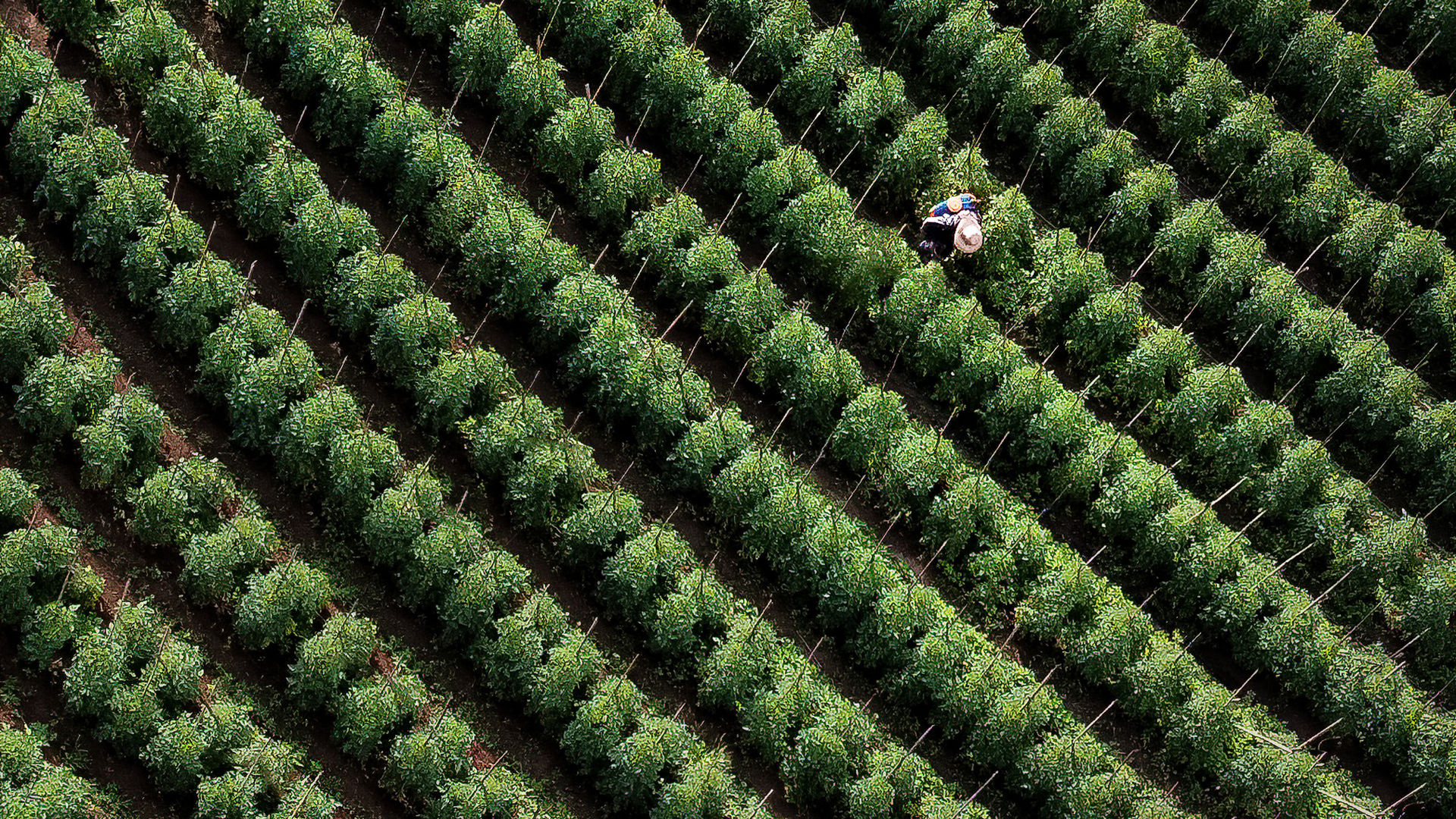
High-grade commercial stevia extracts are derived from the leaves of Stevia rebaudiana Bertoni, an herbaceous perennial native to South America and now cultivated at scale across controlled microclimates globally. Modern sustainable processing avoids harsh chemical solvents in favor of advanced counter-current aqueous extraction followed by multi-stage membrane filtration and ion-exchange purification:
- Aqueous Extraction: Dried leaves undergo hot water diffusion at 50°C–60°C to dissolve water-soluble steviol glycosides, tannins, flavonoids, and pigments.
- Flocculation & Clarification: Natural mineral coagulants precipitate chlorophyll, pectin, and high-molecular-weight proteins without degrading heat-sensitive glycosidic bonds.
- Adsorptive Resin Chromatography: Polymeric resin columns selectively bind steviol glycosides while allowing residual salts and organic acids to pass through.
- Crystallization & Spray Drying: Fractional crystallization yields targeted purity isolates (e.g., Reb A 97%, Reb D 95%, Reb M 98%) which are atomized into free-flowing, non-hygroscopic white powders.
Comparative Analysis: Steviol Glycosides vs. Traditional Sucrose Systems
| Sweetener Attribute | Reb A (97% Purity) | Reb M (Next-Gen Bioconversion) | Refined Cane Sugar (Sucrose) | Bulk Sweetener Blend (Stevia + Tapioca) |
|---|---|---|---|---|
| Relative Sweetness (Sucrose = 1) | 200x – 300x | 250x – 350x | 1.0x | 1.5x – 10x (Customized) |
| Caloric Value (kcal/g) | 0.0 kcal | 0.0 kcal | 4.0 kcal | 0.2 – 1.5 kcal |
| Glycemic Index (GI) | 0 | 0 | 65 | < 15 |
| Thermal Stability (°C) | Stable up to 200°C | Stable up to 200°C | Caramelizes at 160°C | Stable up to 180°C |
| pH Stability Range | pH 2.0 – 10.0 | pH 2.0 – 10.0 | Hydrolyzes under acid | pH 2.5 – 8.5 |
| Sensory Onset & Lingering | Slight delay; moderate bitterness at high dose | Rapid onset; clean sucrose-like finish | Immediate onset; clean peak profile | Balanced onset; full mouthfeel recovery |
| Primary Target Application | Flavored RTD, Sports Nutrition, Confectionery | Zero-Sugar Carbonated Soft Drinks, Dairy | Standard Bakery, Traditional Beverages | Functional Foods, Reduced-Sugar Bakery |
Future Procurement Trends in Global Sweetener Supply Chains
Navigating regulatory compliance, cost volatility, and sustainability directives in the global market for non-nutritive sweeteners.
1. Shift to Enzymatic Bioconversion & Precision Fermentation
Traditional leaf extraction yields less than 0.5% Reb M naturally, making agricultural recovery expensive. The industry is rapidly adopting enzymatic bioconversion (biotransformation) where UDP-glucosyltransferase enzymes convert abundant Reb A into high-purity Reb M and Reb D at scale, lowering procurement costs by over 45% while preserving natural status in key jurisdictions.
2. Synergistic Multi-Ingredient Sweetener Systems
Modern formulators rarely use high-potency sweeteners in isolation. Procurement strategies now favor multi-component programs combining high-purity Stevia (Reb D/M) with organic bulking carriers—such as Tapioca Maltodextrin, Non-GMO Corn Syrups, and Organic Rice Extracts—to restore solids, viscosity, and freeze-thaw behavior in low-sugar applications.
3. Strict Audit Traceability & ESG Mandates
Global brands require complete transparency. Industrial buyers demand USDA Organic, Non-GMO Project Verified, and Fairtrade certification audit trails from farm origin to destination port. Direct relationship sourcing models eliminate supply disruptions and guarantee compliant Certificate of Analysis (CoA) documentation per lot.
Formulation Blueprint: Overcoming Flavor Dynamics in Beverage & Bakery Systems
Replacing sugar is a multi-dimensional challenge involving physical properties (freezing point depression, boiling point elevation, moisture activity) and sensory perceptions. Stevia extract provides the sweetness punch, but requires complementary structural elements for commercial viability:
- Beverage Formulations (Carbonated & RTD Teas): Stevia Reb M at 150ppm to 250ppm coupled with minor fractions of erythritol or liquid organic cane sugar creates a rapid sweetness onset while removing lingering sweetness tails.
- Bakery & Confectionery: Because stevia does not undergo Maillard browning or provide structural bulk, formulators combine stevia extracts with Tapioca Syrup Solids or Unrefined Raw Cane Sugar to preserve structure, color development, and moisture retention.
- Plant-Based Dairy & Protein Beverages: High-protein systems (such as pea or organic rice protein) often introduce earthy off-notes. Blending high-purity Reb A with natural masking agents and organic stevia masks protein astringency while maintaining clean-label claims.
Why Global Procurement Teams Choose Peachtree Commodities
A multi-generational commitment to ingredient purity, continuous U.S. warehouse availability, and absolute chain-of-custody documentation.
Multi-Generational Sourcing Heritage
For more than 15 years, operating out of Norcross, Georgia, Peachtree Commodities has provided reliable ingredient sourcing directly from qualified international growers and processors, bypassing volatile middleman trading desks.
Full Audit-Ready Document Pack
Every lot shipped is backed by comprehensive analytical data: Lot-Specific Certificate of Analysis (CoA), NOP Organic Transaction Certificates, Heavy Metal & Pesticide Residue Screens, Allergen Statements, Kosher & Halal certifications.
U.S. Spot Stock & Program Warehousing
We maintain strategical inventory reserves in organic-certified U.S. food-grade warehouses. We buffer lead times so commercial buyers can draw down against rolling forecasts without risk of ocean freight delays.
Slogan & Core Promise: In Full. On-Time. All The Time.
Our supply agreements are supported by clear specifications agreed upon before production. Named commercial account managers work directly with your logistics team to ensure uninterrupted factory throughput.
Frequently Asked Questions for Stevia & Sweetener Sourcing
Get immediate clarity on quality specifications, minimum order quantities, and regulatory verification.
What specific HPLC analytical documentation comes with each Stevia Extract order?
Every shipment is accompanied by a comprehensive, lot-specific Certificate of Analysis (CoA) verified via High-Performance Liquid Chromatography (HPLC). The documentation details total steviol glycoside content (typically ≥ 95%), individual assay percentages for Rebaudioside A, D, M, and Stevioside, loss on drying (≤ 5.0%), residual solvent screens, heavy metals breakdown (Lead, Arsenic, Cadmium, Mercury), and microbiological counts (TPC, Yeast & Mold, Salmonella, E. coli).
What are the typical Minimum Order Quantities (MOQs) for commercial orders?
Standard high-purity Stevia Extract powder isolates (Reb A, Reb D, Reb M) are packaged in 20 kg or 25 kg fiber drums with double PE inner liners. Minimum order quantity for spot U.S. warehouse inventory starts at 20 kg (single drum). For custom contract blends, private-label packaging, or direct ocean container imports, MOQs typically range from 500 kg to full FCL shipments.
How do you manage organic integrity and chain-of-custody verification?
We operate under strict USDA Organic National Organic Program (NOP) oversight. Organic integrity is audited at every transfer point from international farming cooperatives to our state-of-the-art processing and warehouse hubs. We issue valid NOP Organic Transaction Certificates for every organic shipment, guaranteeing complete lot traceability back to the farm of origin.
How does Reb M compare to Reb A in terms of bitterness mitigation and formulation cost?
Reb A is highly cost-effective for medium sugar reduction (up to 30-50%) in systems with strong existing flavor profiles (citrus, berry, spices). However, at higher sweetness equivalencies, Reb A displays a noticeable lingering bitterness. Reb M delivers a clean, sugar-like taste curve without off-notes, enabling 100% sugar replacement. While Reb M carries a higher per-kilogram raw material cost, its superior flavor profile eliminates the need for expensive taste-masking additives, frequently yielding lower total formulation costs.
Can you provide custom bulking blends with Stevia Extract?
Yes. Many high-speed food production facilities require a 1:1 sugar replacement system to avoid re-engineering bulk metering equipment. We manufacture custom homogenous co-processed or dry-blended ingredients combining high-potency Stevia extracts with organic carrier solids, such as Tapioca Maltodextrin, Non-GMO Erythritol, or Organic Granulated Cane Sugar.
Do you hold inventory locally within North America?
Yes. We maintain spot inventory of primary steviol glycoside grades and organic raw cane sugar solutions across a network of organic-certified, cGMP-compliant warehouses in the United States. This enables 24-to-48-hour dispatch for emergency production runs and reliable scheduled releases against customer rolling forecasts.
Certified for Global Market Access
Our natural ingredients meet the strict regulatory guidelines of the US FDA, EFSA, JECFA, and international organic standards.
Partner with a Trusted Stevia Extract Supplier
Request technical specification sheets, HPLC sample assays, or immediate spot-warehouse pricing tailored to your production schedule.
Inquire Now