
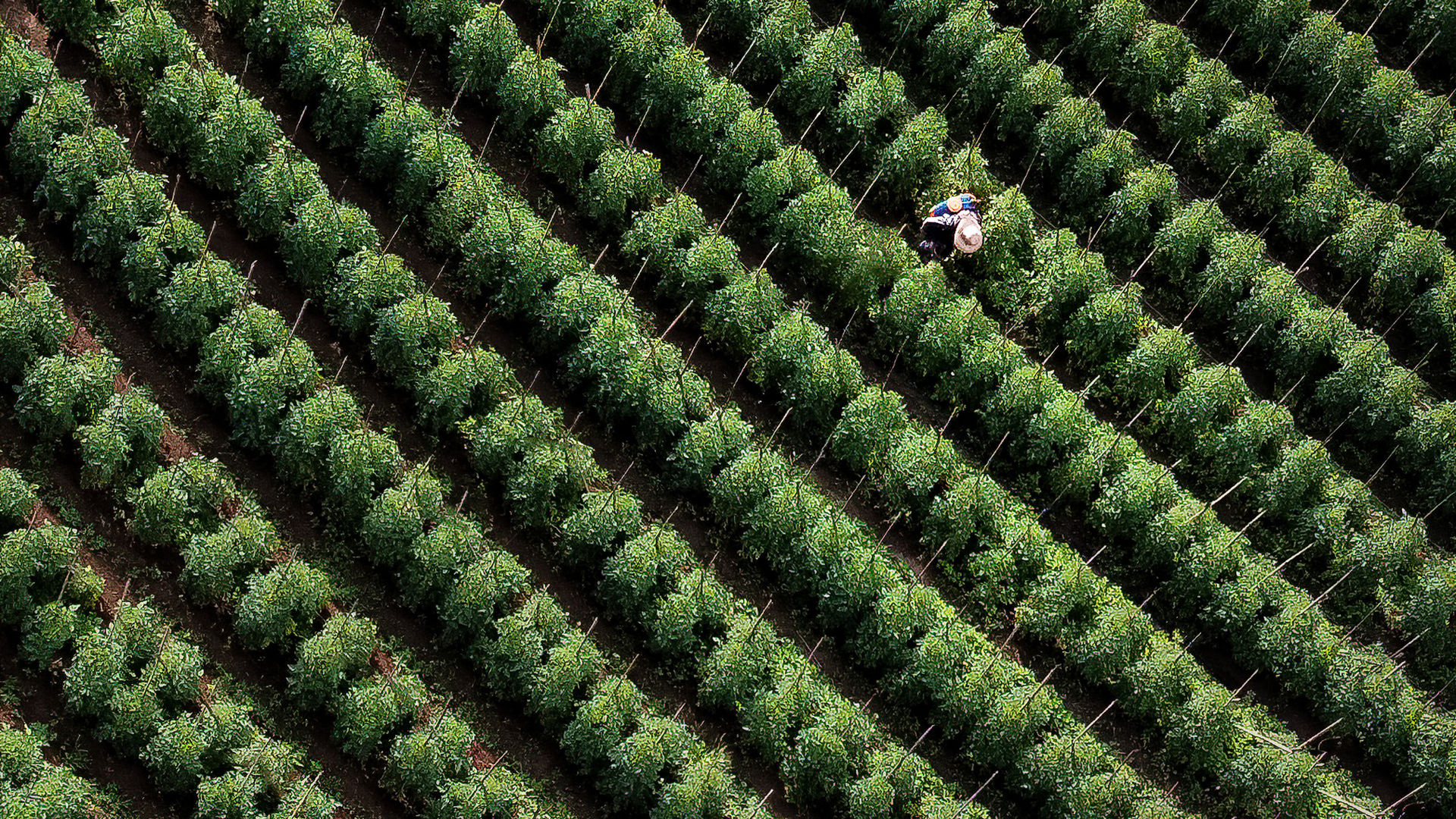
Direct-from-Factory Fructose Syrup Product Portfolio
Explore high-purity food grade High Fructose Corn Syrup (HFCS-42, HFCS-55), refined glucose-fructose blends, and high-viscosity flavored syrups manufactured under strict ISO/HACCP/GMP standards for worldwide delivery.
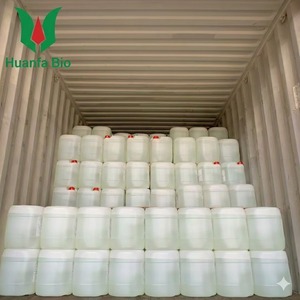
High Purity Fructose Syrup Food Additive F42 / F50 Clear Liquid Sweetener
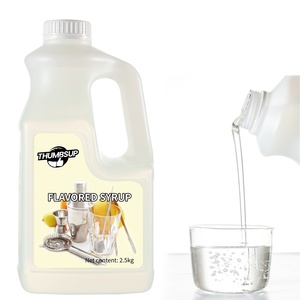
Wholesale 2.5kg Commercial Liquid Fructose Syrup for Bubble Milk Tea & Catering
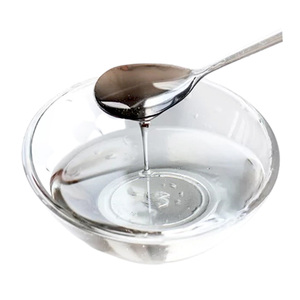
Food Grade F55 High Fructose Corn Syrup (HFCS 55) for Honey & Preserves
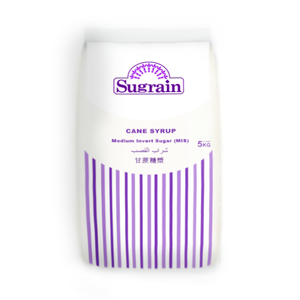
GMP Certified Raw Processed Liquid Sugrain Fructose-Glucose Syrup
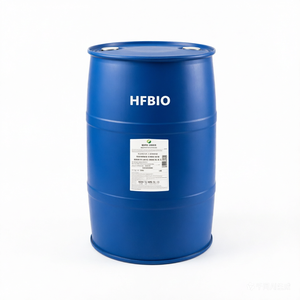
HFBIO Bulk High Fructose Corn Syrup (HFCS 55) 275kg Export Drums
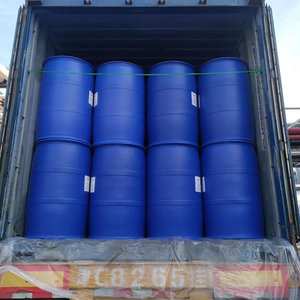
75% Kosher & ISO Certified Food Grade High Fructose Syrup Premium Additive
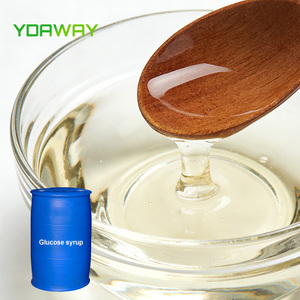
YDAWAY Brand Liquid High Fructose Corn Syrup 25kg Plant Drum Packaging
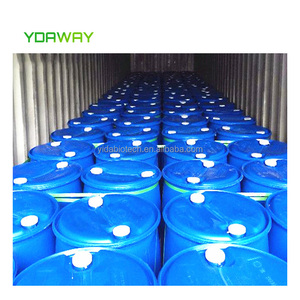
Halal Certified 300kg Bulk Drum Fructose Glucose Syrup (75%-85% Viscosity)
Why Procurement Leaders Partner With Our Supply Chain Network
Backing industrial ingredient buyers with multi-generational experience, rigorous lot-by-lot verification, and localized fulfillment capacity across global trade corridors.
Uncompromised Quality Assurance
Every shipment undergoes rigorous HPLC analysis to verify precise fructose-to-glucose ratios, dry solid concentrations (Brix), and sulfur dioxide limits. Our processing facilities adhere strictly to HACCP, GMA-SAFE, and ISO 14001 guidelines, ensuring full compliance with US FDA, EFSA, and international food additive standards.
Resilient Global Logistics
Leveraging a strategic network of climate-controlled regional warehouses across North America, Europe, and Asia, we eliminate ocean transit bottlenecks. We offer flexible packaging configurations—ranging from 2.5kg retail containers and 25kg ergonomic drums to 300kg plastic drums, 1,000kg totes, and 25-ton flexitanks.
Transparent Audit Paperwork
We provide comprehensive audit-ready documentation packages with every lot: Certificate of Analysis (CoA), Kosher & Halal certificates, Allergen Statements, Non-GMO Project Verification, and Organic Transaction Certificates (NOP). Your QA team receives documentation prior to container arrival.
Fructose Syrup Grade Selection & Technical Comparison
High Fructose Corn Syrup (HFCS) and Glucose-Fructose liquid sweeteners are engineered for distinct thermodynamic, humectant, and sweetness profiles. Match your production requirements against our standardized enterprise grades.
| Syrup Grade / Type | Dry Solids (Brix %) | Fructose Ratio (% d.b.) | Relative Sweetness (Sucrose=100) | Freezing Point Depression | Primary Industrial Applications |
|---|---|---|---|---|---|
| HFCS 42 (Grade F42) | 71.0% - 72.5% | 42.0% ± 1.5% | 90 - 95 | Moderate | Baking, canned fruits, processed meats, condiments, dairy products. |
| HFCS 55 (Grade F55) | 77.0% - 78.5% | 55.0% ± 1.5% | 100 - 105 | High | Carbonated soft drinks, RTD teas, fruit juices, honey extenders. |
| HFCS 90 (Grade F90) | 75.0% - 77.0% | 90.0% ± 2.0% | 120 - 160 | Very High | Low-calorie formulations, specialized syrups, energy gels, sports drinks. |
| High-Viscosity GFS | 75.0% - 85.0% | 35.0% - 50.0% | 85 - 100 | Moderate-Low | Confectionery, hard candies, bubble tea syrups, bakery glazes. |
| Non-GMO Tapioca Fructose | 75.0% - 79.0% | 42.0% - 55.0% | 95 - 105 | High | Clean-label organic foods, allergen-free nutrition bars, botanical drinks. |
Technical Note for Formulators: Fructose exhibits a synergistic sweetening effect when blended with sucrose, glucose, or intense sweeteners. Its high solubility prevents sugar crystallization in cold-stored liquids while enhancing fruit flavor perception in acid-adjusted beverage bases (pH 2.5 - 4.5).
Macro Procurement Trends Shaping the Fructose Syrup Market
An in-depth analysis of supply chain evolution, regulatory shifts, clean-label compliance, and risk mitigation strategies for high-volume sweetener procurement officers.
1. Shift Toward Non-GMO and Botanical Feedstock Diversity
Historically, the high-fructose sweetener industry relied almost exclusively on standard yellow dent corn starch. However, enterprise procurement departments face shifting consumer expectations demanding non-GMO verification and alternative starch bases. Over the next decade, global suppliers are expanding capacity for tapicoa-derived and wheat-derived liquid fructose syrups.
Tapioca-based fructose, in particular, delivers an ultra-clean flavor profile devoid of residual corn aromas, while boasting non-GMO status by default. Forward-thinking procurement strategies are adopting dual-feedstock sourcing programs to protect brands against single-crop agricultural volatility and localized yield disruptions.
2. Sustainability Metrics & Decarbonized Supply Chains
Scope 3 emissions accounting is now a mandatory parameter for multinational food and beverage procurement contracts. Manufacturers are scrutinizing the environmental footprint of starch conversion processes, steam generation efficiency, and transport logistics.
Leading fructose exporters are migrating toward closed-loop water recycled enzymolysis, solar-powered refinery plants, and flexitank bulk shipping solutions. Moving away from single-use steel drums to high-capacity flexitanks reduces shipping container weight, optimizes freight payload efficiency by 35%, and cuts per-ton logistics carbon emissions significantly.
3. Dynamic Indexing & Hedging Against Sucrose Parity
Global raw sugar market volatility driven by extreme weather events in major sugarcane producing regions has caused commercial buyers to re-evaluate their caloric sweetener ratios. High Fructose Corn Syrup (HFCS 55) maintains a persistent cost-efficiency advantage over refined cane sugar, offering savings between 15% to 30% depending on geographical region and tariff structures.
Procurement trends point toward multi-year contract structures with dynamic pricing formulas indexed against corn futures (CBOT) and regional sugar spot prices, enabling enterprise buyers to lock in operational margins while hedging against commodity market spikes.
4. Stringent Contaminant Testing & Regulatory Compliance
Regulatory agencies across North America (FDA), Europe (EFSA), and Asia-Pacific (SAMR) have implemented stricter limits on thermal degradation byproducts, specifically Hydroxymethylfurfural (HMF) and heavy metal residues (Lead, Arsenic, Cadmium).
Enterprise exporters are investing heavily in advanced ion-exchange purification resins and low-temperature falling-film evaporation systems. Modern buyers now mandate maximum HMF thresholds below 75 mg/kg at time of export to ensure long-distance sea shipments maintain pristine color, clarity, and organoleptic properties upon arrival.
Product Development Trends: Advanced Carbohydrate Engineering
How food technologists and beverage formulators leverage unique liquid fructose functionality to improve mouthfeel, extend shelf life, and optimize product thermal stability.
Enhanced Humectancy & Moisture Retention in Bakery
Fructose is exceptionally hygroscopic compared to sucrose and dextrose. In baked goods, soft cookies, and nutrition bars, the inclusion of HFCS-42 or high-purity fructose liquid retards starch retrogradation (staling), retains structural moisture, and extends soft-texture shelf life without the need for artificial conditioning additives.
Freezing Point Depression in Dairy & Frozen Desserts
Due to its lower molecular weight (180.16 g/mol) relative to sucrose (342.30 g/mol), fructose depresses the freezing point of water nearly twice as effectively. Ice cream manufacturers and frozen dessert formulators utilize HFCS 55 to control ice crystal size, achieving smooth scoopability and premium mouthfeel at commercial freezer temperatures.
Maillard Reaction Acceleration & Color Development
As a reducing monosaccharide, fructose reacts rapidly with amino acids during thermal processing. Industrial bakers leverage this property to achieve rich golden crust coloration at reduced oven dwell times and lower temperatures, lowering facility energy consumption while optimizing throughput speed.
Full Supply Chain Integrity: From Starch Slurry to Customer Dock
Our integrated processing ecosystem combines enzymatic isomerisation excellence with multi-stage quality checkpoints to guarantee batch consistency.
Modern Enzymatic Isomerisation Process
Our manufacturing partners utilize state-of-the-art multi-stage enzymatic conversion processes. Refined food starch is liquefied with high-purity alpha-amylase and glucoamylase to generate a high-Dextrose hydrolysate. This hydrolysate is passed through immobilized glucose isomerase column reactors, precisely converting D-glucose into D-fructose.
Subsequent chromatographic fractionation isolates high-purity fructose streams, which are formulated into standardized HFCS 42, HFCS 55, or custom commercial specifications under sterile, automated inline controls.
- Inline refractometry and polarimetry for continuous Brix and purity measurement.
- Active carbon filtration paired with double-pass ion exchange for crystal-clear liquid purity.
- Sub-micron sterile membrane filtration prior to sealed container filling.
Global Quality Compliance Checklist
Frequently Asked Procurement & Technical Questions
Direct answers to essential commercial, logistical, and quality assurance queries raised by enterprise sweetener buyers.
Every commercial container shipment is dispatched with a full document suite including a lot-specific Certificate of Analysis (CoA), Master Bill of Lading, Commercial Invoice, Packing List, Certificate of Origin (Form E or COO), Kosher/Halal Certificates, Non-GMO Statement, and Allergen Guarantee. Custom documentation required for local customs clearing can be provided upon contract finalization.
High Fructose Corn Syrup (specifically HFCS 55) should ideally be maintained at liquid temperatures between 27°C to 35°C (80°F to 95°F) during storage and pumping to prevent carbohydrate crystallization while avoiding heat-induced Hydroxymethylfurfural (HMF) formation and color browning. Storage tanks should be constructed of 304 or 316 stainless steel with sterile UV-filtered headspace air vents.
For standard packaged goods (2.5kg bottles, 25kg drums, or 300kg drums), our standard MOQ is 1 x 20-foot Full Container Load (FCL), yielding approximately 18 to 21 metric tons depending on container packaging configuration. For bulk flexitanks, the MOQ is one flexitank (approx. 24,000 kg net weight). R&D sample quantities (1kg - 5kg) are available for pre-qualification testing upon request.
We maintain dedicated safety stock in our U.S. and regional warehouse hubs for enterprise partners operating under annual supply agreements. Customers submit rolling 90-day forecasts, allowing us to position inventory locally so orders can be drawn down within 48 to 72 hours, insulating your production line against ocean freight delays.
HFCS 55 offers virtually identical sweetness intensity, solids concentration (Brix), and mouthfeel compared to inverted liquid cane sugar. However, HFCS 55 provides superior price stability, consistent supply, and eliminates the need for hot-water sugar dissolving equipment at bottling plants, significantly reducing thermal processing costs.