
Featured Plant-Based Ingredients & Processing Systems
Explore our primary plant protein isolates, refined sugar substitutes, and high-capacity processing equipment optimized for modern food & beverage formulations.
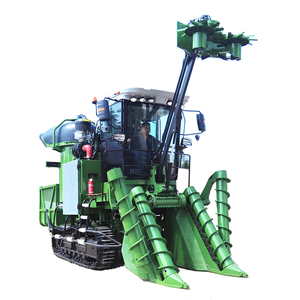
Full Customization Sugarcane & Biomass Harvester
Capacity: Heavy Duty Industrial Harvest
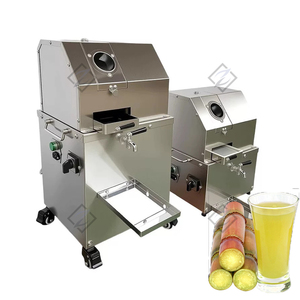
Electric Sugarcane Extraction Juicer Machine
Use: High-Yield Extraction Systems
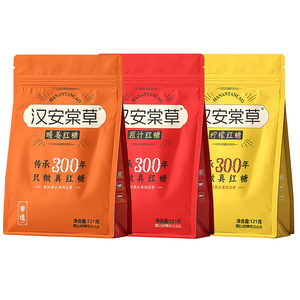
Refined Brown Cane Sugar & Molasses Cubes (121g)
Feature: Rapid Dissolution Solids
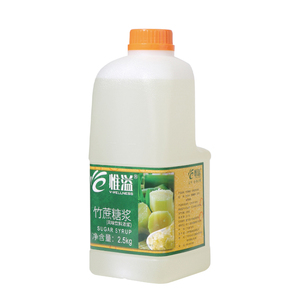
Bamboo Cane Rock Syrup for Beverage Ingredients
Application: Bubble Tea & RTD Formulations
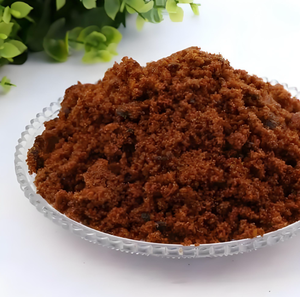
Bulk Unrefined Natural Raw Cane Sweetener (Food Grade)
Quality: Unrefined Natural Sweetener
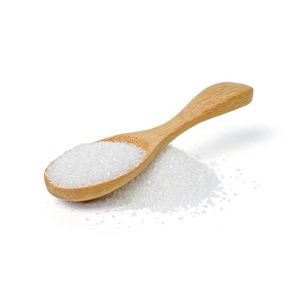
Premium Refined Granulated Sucrose Extract
Certifications: Kosher, Halal, ISO22000
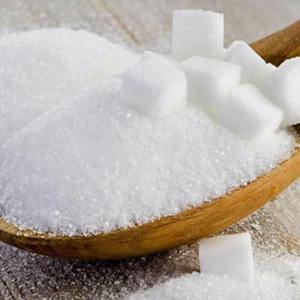
Natural White Granular Cane Matrix (50kg Industrial Bulk)
Moisture: < 0.04% Max
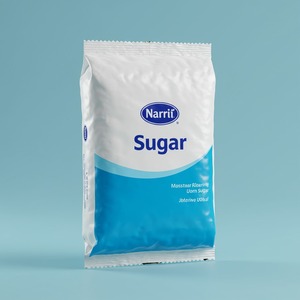
Customizable Raw Cane & Plant Carrier Base
Target Use: Large Scale Bakery & Beverage OEM
Why Top Global Brands Partner With Our China Network
Built for modern procurement teams and R&D scientists who cannot afford quality variations or logistics delays.
Direct Agronomy Control
We work directly with origin growers and premier extraction hubs—eliminating anonymous trading desks to guarantee strict non-GMO and organic farm practices.
Rigorous Quality Assurance
Every shipment is backed by a full Certificate of Analysis (CoA), organic transaction certificate, low heavy metal guarantees (ICP-MS tested), and allergen declarations.
U.S. & Global Warehousing
We maintain localized, organic-certified safety stock in strategic North American and European hubs to safeguard against ocean transit fluctuations.
Tailored Formulations
From specific mesh size distribution to custom enzymatic hydrolysis for improved solubility and neutral taste profiles, our OEM services fit your exact specifications.
Selecting China Plant Protein Suppliers: Strategic Sourcing Guide 2025-2030
The global shift toward plant-forward nutrition, allergen-free sport formulations, and sustainable food processing has positioned Chinese plant protein manufacturers at the nexus of the global macro-ingredient supply chain. As food manufacturers seek clean-label ingredients, superior solubility, and standardized PDCAAS (Protein Digestibility-Corrected Amino Acid Score) profiles, navigating the ecosystem of China plant protein manufacturers & suppliers requires a sophisticated understanding of agronomic origin, processing chemistry, regulatory compliance, and supply continuity.
1. Macro Dynamics Driving Chinese Plant Protein Manufacturing Excellence
China has evolved from a raw agricultural commodity exporter into a global powerhouse of advanced biochemical extraction and separation technologies. Leveraging state-of-the-art enzymatic membrane filtration, low-temperature spray drying, and closed-loop water purification systems, Chinese ingredient processors consistently produce high-purity isolates (Pea Protein Isolate 85%, Organic Rice Protein 80%, Non-GMO Soy Protein Isolate 90%, and emerging Mung Bean and Sugarcane Biomass Extracts) that compete directly with European and North American processing standards.
The core structural advantages driving this market dominance include:
- Integrated Agricultural Supply Hubs: Direct integration with organic yellow pea imports from accredited global regions and domestic organic rice/corn belts ensures stable raw material flow.
- Technological Innovation in Odor & Flavor Neutralization: Historical challenges with plant-based proteins—such as "beany" off-notes or earthy aftertastes—have been virtually eliminated using proprietary thermal-enzymatic deodorization techniques.
- Unmatched Scale and Cost Efficiency: High-capacity processing facilities yield immense economies of scale, allowing industrial food buyers to secure multi-container annual programs with predictable cost-of-goods-sold (COGS).
2. Technical Evaluation: Comparative Matrix of Core Plant Proteins
Procurement directors and R&D formulators must evaluate plant protein sources not merely on price per kilogram, but on physical functionality, gelation properties, emulsification capacity, and amino acid completeness. The table below outlines key benchmark metrics across primary plant protein categories sourced from Chinese manufacturers.
| Protein Source | Purity Range | PDCAAS Value | Solubility Index | Key Functional Roles | Target Applications |
|---|---|---|---|---|---|
| Yellow Pea Protein Isolate | 80% – 85% | 0.82 – 0.90 | High (Enzymatic Treated) | Emulsification, Water Binding, Low Allergenicity | Meat Alternatives, Sports Nutrition, Bakery |
| Organic Rice Protein Hydrolysate | 80% – 90% | 0.90 (Blended) | Medium to High | Hypoallergenic, Smooth Texture, High Methionine | Infant Nutrition, Vegan Beverages, Meal Replacements |
| Non-GMO Soy Protein Isolate | 90% – 92% | 1.00 | Superior Gelation | Viscosity Control, High Gelling, Moisture Retention | Processed Meats, Dairy Alternatives, Energy Bars |
| Functional Botanical & Sugarcane Extracts | Variable Solids | N/A (Saccharide Matrix) | 100% Instant Dissolution | Clean Label Sweetening, Bulking Carrier, Browning | RTD Beverages, Confectionery, Syrup Bases |
3. The Information Gain Advantage: Verification & E-E-A-T Sourcing Protocols
Under Google's Search Quality Rater Guidelines (E-E-A-T) and modern B2B risk management frameworks, demonstrating true expertise and operational reliability requires transparent validation at every link of the chain of custody. When procuring from China, relying on basic product spec sheets is insufficient. Robust quality verification encompasses four essential pillars:
A. Heavy Metal & Contaminant Screening (ICP-MS Precision)
Plant-based proteins naturally bioaccumulate trace minerals from soil. Top-tier Chinese suppliers implement Inductively Coupled Plasma Mass Spectrometry (ICP-MS) batch testing to ensure compliance with strict California Proposition 65 and EU Regulation (EC) No 1881/2006 thresholds for Lead (Pb), Cadmium (Cd), Arsenic (As), and Mercury (Hg).
B. Microbiological & Allergen Isolation
Facilities handling multiple grains must maintain strict physical separation. Leading manufacturers operate dedicated allergen-free production lines certified under ISO 22000, HACCP, and BRCGS standards, providing negative pathogen screens for Salmonella, E. coli, and Listeria for every production run.
C. Traceability from Farm to Warehouse
Through partnerships like Peachtree Commodities' multi-generational family-owned sourcing network, ingredient shipments are backed by NOP (National Organic Program) Transaction Certificates. Stock positioned in localized North American or European organic-certified warehouses enables rapid delivery without exposure to ocean logistics demurrage.
4. Future Procurement Trends (2025–2030)
As the plant protein market matures, supply chain leads must anticipate three key structural shifts:
- Fermentation-Assisted & Hybrid Proteins: Blending traditional pea or rice proteins with precision-fermented amino acids or specialized botanical saccharide carriers (such as refined sugarcane matrix solids) to achieve complete PDCAAS scores of 1.0 while optimizing mouthfeel.
- Upcycled & Sustainable Biomass: Utilizing agricultural co-products—such as sugarcane bagasse biomass, rice syrup solids, and tapioca starches—to create circular economy sweetener and protein matrices that lower carbon footprints.
- Strict Decoupling of Geopolitical Risk: B2B buyers are increasingly requiring Chinese manufacturers to hold forward-deployed safety stock in U.S. and EU food-grade warehouses, converting ocean-transit risk into a predictable domestic LTL (Less-Than-Truckload) delivery model.
Frequently Asked Questions (FAQ)
What documentation is provided with each commercial shipment?
Every lot shipped from our certified manufacturing facilities includes a lot-specific Certificate of Analysis (CoA), Organic Transaction Certificate (where applicable), technical specification sheet, Non-GMO statement, Allergen declaration, Kosher/Halal certificates, and official Country of Origin documentation.
What are the standard Minimum Order Quantities (MOQ)?
Dry plant protein isolates and granulated ingredients are standardly packaged in 25 kg multi-wall paper bags with PE liners, or 1,000 kg super sacks. Commercial MOQ starts at 1 pallet (approx. 750 kg – 1,000 kg). Pilot and R&D sample quantities (1kg – 5kg) are available upon request for lab testing.
How do you control off-flavors and improve solubility in beverage applications?
Our processing plants utilize controlled enzymatic hydrolysis and low-temperature flash deodorization. This reduces bitter peptides and removes hexanal compounds responsible for "beany" notes, yielding a smooth mouthfeel and clean, neutral taste suitable for ready-to-drink (RTD) beverages.
Do you maintain inventory within the United States and Europe?
Yes. To eliminate long ocean transit lead times for our contract buyers, we position strategic inventory in a network of organic-certified, food-grade warehouses across North America. Customers can schedule releases against annual contract forecasts with guaranteed on-time delivery.
How is organic and Non-GMO integrity verified across the supply chain?
We audit origin partners directly, enforce valid NOP/USDA Organic certification at every transfer point, and perform independent third-party PCR (Polymerase Chain Reaction) testing to guarantee zero GMO contamination prior to export loading.
Global Compliance & Quality Certifications
Our plant protein products and manufacturing facilities meet or exceed international food safety standards.

Accelerate Your Plant Protein Procurement Strategy
Request full specification sheets, lot samples, or custom pricing programs directly from our commercial engineering team.
Get Catalog