
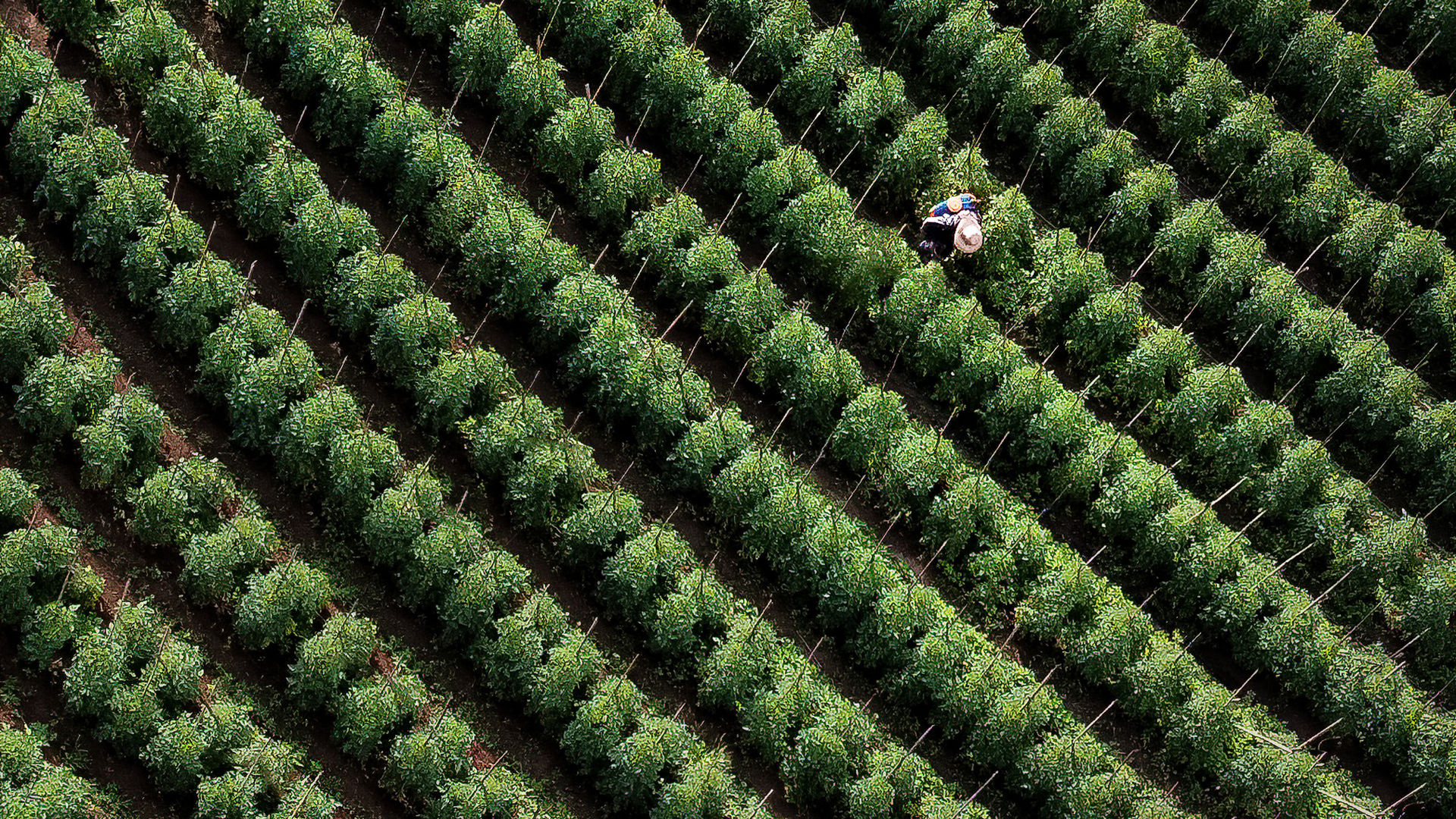
Featured Natural Colorants & Carrier Ingredients
High-purity botanical extracts, natural brown/caramel pigments, and standardized carrier matrices direct from verified origin factories.
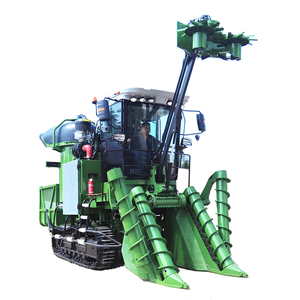
China Sourcing Infrastructure & Capacity Benchmarks
Why leading global FMCG procurement managers choose top-tier Chinese natural pigment factories for scale, stability, and regulatory compliance.
Executive Summary: The Global Transition to Natural Colorants
The global food, beverage, and dietary supplement industries are undergoing a permanent structural shift. Driven by evolving consumer preferences for clean-label ingredients and stringent legislative action from regulatory bodies such as the European Food Safety Authority (EFSA) and the U.S. Food and Drug Administration (FDA), synthetic petroleum-derived dyes (such as Red 40, Yellow 5, and Blue 1) are rapidly being replaced by plant-derived, natural pigment alternatives.
China has established itself as the world’s powerhouse for botanical extraction, precision crop farming, and pigment crystallization technology. Over 70% of the world’s key natural colorants—including Curcumin, Gardenia Yellow, Paprika Oleoresin, Spirulina Phycocyanin, Chlorophyllin, and Anthocyanins—are processed in China under rigorous international standards. Partnering with top Chinese manufacturers gives procurement teams a decisive cost-to-performance advantage, provided supply chains maintain full integrity, low heavy-metal limits, and batch-to-batch color stability.
Key Pigment Categories & Technical Properties
Understanding the thermodynamic and biochemical behavior of natural pigments is essential for formulation scientists and B2B buyers. Unlike synthetic dyes, which remain invariant across wide operational parameters, natural colorants interact dynamically with pH, heat, light, oxidation, and processing matrices.
Carotenoids & Lipophilic Pigments
Encompassing Paprika Oleoresin (E160c), Lutein (E161b), Beta-Carotene (E160a), and Lycopene. These pigments yield vivid yellow, orange, and red hues. They exhibit exceptional thermal stability during baking and pasteurization, though microencapsulation with carriers like tapioca maltodextrin is recommended to prevent photo-oxidation.
Anthocyanins & Water-Soluble Reds
Extracted from Purple Sweet Potato, Red Cabbage, Elderberry, and Black Carrot. Anthocyanins exhibit high water solubility and produce brilliant red-to-violet shades in acidic environments (pH < 3.8). Ideal for carbonated beverages, gummies, RTD teas, and fruit preparations.
Chlorophyllins & Natural Greens
Derived from alfalfa, mulberry leaves, and spinach. Sodium Copper Chlorophyllin (E141) delivers intense vibrant green tones with enhanced acid and thermal stability compared to raw native chlorophyll, serving confectionery, dairy, and beverage matrix needs.
Natural Colorant Technical Selection Matrix
A comparative formulation guide for procurement and R&D engineers to select the optimal natural pigment based on stability profiles.
| Natural Pigment Source | Common E-Number / Code | Shade Range | pH Stability Range | Heat Stability | Optimal Food System Applications |
|---|---|---|---|---|---|
| Curcumin (Turmeric Extract) | E100 / Natural Yellow 3 | Bright Lemon Yellow | Stable pH 2.5 - 7.0 | High (Up to 140°C) | Confectionery, Plant-based Dairy, Sauces, Dry Blends |
| Gardenia Yellow / Blue | Natural Botanical Extract | Golden Yellow to Cyan Blue | Stable pH 3.0 - 8.0 | Very High | Noodles, RTD Beverages, Jelly, Bakery Glazes |
| Purple Sweet Potato | E163 / Anthocyanin | Intense Pink to Violet Red | Optimal pH < 4.0 | Moderate to High | Acidic Beverages, Fruit Gummies, Yogurt, Frozen Desserts |
| Beetroot Red (Betanin) | E162 | Magenta / Deep Red | Stable pH 4.0 - 7.0 | Low (Sensitive to >80°C) | Ice Cream, Cold-Processed Meats, Powdered Mixes |
| Paprika Oleoresin | E160c | Deep Orange-Red | Stable pH 3.0 - 9.0 | High | Processed Meats, Cheese Coatings, Seasonings, Oils |
| Spirulina Phycocyanin | Natural Blue Extract | Sky Blue to Royal Blue | Stable pH 4.5 - 8.0 | Low to Moderate (<70°C) | Frostings, Chocolates, Functional Drinks, Candy |
Future Procurement & Technological Trends (2025–2030)
Anticipating supply chain evolution, microencapsulation breakthroughs, and environmental mandate shifts in Chinese natural extract manufacturing.
1. Advanced Microencapsulation & Nano-Emulsions
Leading Chinese factories are investing heavily in spray-drying encapsulation using organic tapioca maltodextrin, gum arabic, and modified plant starches. This technology protects oxidation-sensitive carotenoids and betalains, extending shelf-life from 12 months to over 24 months under ambient storage.
2. Precision Fermentation & Biosynthesis
Moving beyond traditional field harvesting, China’s biotech hubs in Shandong, Zhejiang, and Jiangsu are scaling precision fermentation to biosynthesize rare pigments like Astaxanthin, Lycopene, and Phycocyanin. This provides year-round production stability immune to climate variations.
3. Zero-Solvent Supercritical CO2 Extraction
To satisfy North American and EU regulations prohibiting trace solvent residues (such as hexane or acetone), top manufacturers are transitioning exclusively to green Supercritical CO2 extraction. This yields 100% natural, solvent-free color concentrates with intact aromatic profiles.
Enterprise Supply Chain Assurance & Quality Governance
Procuring natural ingredients internationally requires total transparency, batch consistency, and rigorous documentation. Built upon three generations of ingredient supply expertise, our supply chain guarantees In Full, On-Time, All The Time execution.
Direct Origin Audit & Traceability
We work directly with certified farming co-operatives and manufacturing facilities in China—avoiding anonymous trading brokers. Every batch is traceable to the crop origin, harvest date, and specific extraction run.
Full Documentation Package Included
Every shipment is backed by a lot-specific Certificate of Analysis (CoA), HPLC purity chromatograms, heavy metal test reports (<2ppm Lead, <1ppm Arsenic), pesticide residue scans, Allergen, GMO-Free, Kosher, and Halal certificates.
Global Warehousing & Buffer Stocking
To protect your manufacturing lines against shipping bottlenecks, we maintain strategic safety inventory in organic-certified food-grade distribution centers across North America and Europe, allowing rapid 48-hour dispatch.
Strict Global Regulatory Compliance
All natural colorant batches conform strictly to U.S. FDA 21 CFR standards, European Union Regulation (EC) No 1333/2008, and Food Chemical Codex (FCC) analytical purity specifications.
Frequently Asked Questions (FAQ)
Essential answers for technical purchasing directors, quality assurance managers, and food scientists.
Request Product Specifications & Commercial Quote
Connect directly with our senior ingredient specialists to request bench samples, custom price breaks, or technical documentation for your formulation project.