

Recommended Cocoa & Sweetener Ingredients
Directly sourced, laboratory-verified commercial ingredients tailored for large-scale food manufacturing, confectionery production, and international beverage formulations.
Premium Natural Cocoa Powder 10%-12% Fat (Food Grade)
Dutched Alkalized Cocoa Powder Medium Brown pH 6.8-7.2
High-Fat Dutch Processed Cocoa Powder 20%-22% Fat
Heavy Alkalized Dark Black Cocoa Powder for Bakery Fillings
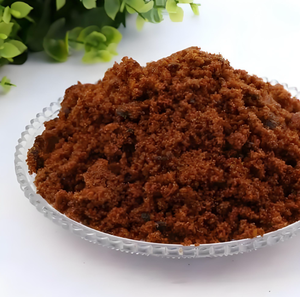
Bulk Unrefined Organic Brown Cane Sugar Natural Sweetener
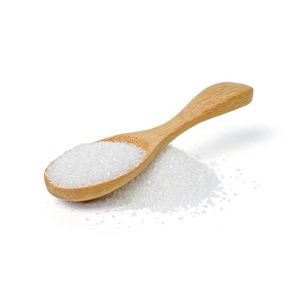
Refined Pure Granulated White Sugar Food Grade Bulk Export
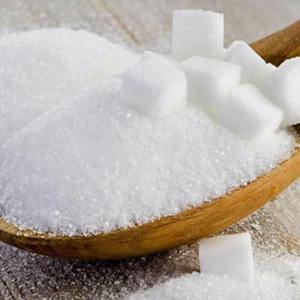
Fine Granular White Cane Sugar 100% Pure (50kg Bag)
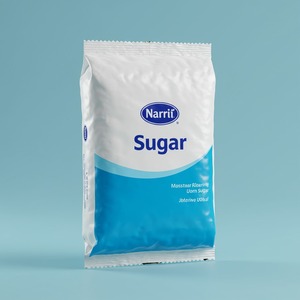
Raw Food Grade Cane Sugar for Large Scale Manufacturers
Executive Summary & Market Landscape: Sourcing China Cocoa Powder
The global industrial cocoa processing sector is currently undergoing a structural realignment. Driven by volatile bean harvests across West Africa, tightening environmental mandates such as the European Union Deforestation Regulation (EUDR), and changing functional beverage demands, procurement teams are actively looking to diversify their commodity sourcing channels. As food manufacturers seek consistent fat content, precise alkalization levels, and verified microbiological compliance, partnering with a premier China cocoa powder supplier has transitioned from an option to a strategic imperative.
China's modern cocoa processing infrastructure utilizes state-of-the-art European hydraulic pressing technology, automated continuous alkalization systems, and strict international quality assurance protocols. Chinese suppliers provide global food giants with high-performance natural and Dutch-processed cocoa powders, offering critical advantages in batch-to-batch consistency, custom color formulation, and robust supply chain resilience. This whitepaper analyzes the technical parameters, compliance frameworks, strategic trends, and operational guidelines necessary for procuring commercial cocoa powder at scale.
Core Procurement Insight: Value in industrial cocoa powder sourcing is defined not merely by price per metric ton, but by precise chemical profiling—specifically fat content variance (±0.5%), pH stability, microscopic fineness (minimum 99.5% through 200 mesh), and rigorous heavy-metal screening (Cadmium and Lead limits).
Technical Classification: Understanding Cocoa Powder Chemistry
Industrial cocoa powder is categorized based on two fundamental chemical metrics: fat content percentage and the degree of alkalization (pH value). Choosing the correct technical grade directly impacts rheological behavior, flavor extraction, shelf-life stability, and color intensity in finished food products.
1. Natural Cocoa Powder (Non-Alkalized)
Natural cocoa powder is produced by mechanical pressing of unfermented or lightly fermented cocoa liquor without chemical modification. It maintains the intrinsic acidity of the cocoa bean, yielding a sharp, fruity, and slightly astringent flavor profile with a light yellowish-brown color.
- pH Range: 5.0 to 5.8 (Naturally Acidic)
- Fat Content Options: Low Fat (10%–12%), High Fat (20%–22%)
- Primary Applications: Bakery formulations requiring chemical leavening with baking soda (Sodium Bicarbonate), natural confectionery, dry beverage mixes, and artisanal chocolate coatings.
2. Dutch-Processed / Alkalized Cocoa Powder
Alkalization involves treating cocoa nibs or liquor with an alkaline solution (typically Potassium Carbonate). This process neutralizes natural acids, darkens the color from light brown to deep reddish-brown or intense black, mellows bitter notes, and dramatically increases water solubility.
- Lightly Alkalized (pH 6.2 – 6.8): Mellow chocolate aroma, warm brown hue, ideal for dairy beverages and ice cream bases.
- Medium Alkalized (pH 6.8 – 7.2): Rich mahogany tone, balanced flavor, standard choice for industrial biscuits and compound coatings.
- Strong Alkalized (pH 7.2 – 8.2): Deep dark red/brown tone, robust roasted cocoa intensity, optimized for low-dosage flavoring.
- Black Cocoa Powder (pH 8.0 – 8.8): Heavy alkalization removing residual acidity, providing intense dark color without bitterness; crucial for black chocolate cookies and dark visual confectionery.
Industrial Quality Standards & Analytical Parameters
When evaluating prospective cocoa powder suppliers from China, enterprise procurement specialists must enforce strict analytical parameter limits across every Certificate of Analysis (CoA). The table below details international standard specifications versus premium industrial export grade limits:
| Analytical Metric | Standard Food Grade | Premium Export Grade (Our Benchmark) | Testing Protocol Standard |
|---|---|---|---|
| Fat Content (%) | 10.0% – 12.0% | 10.0% – 12.0% (±0.5% tolerance) | Soxhlet Extraction / AOAC 963.15 |
| pH Value (Natural) | 5.0 – 6.0 | 5.2 – 5.8 | pH Meter (10% Aqueous Sol.) |
| pH Value (Alkalized) | 6.2 – 7.8 | 6.8 – 7.5 (Customizable) | pH Meter (10% Aqueous Sol.) |
| Fineness (200 Mesh) | ≥ 99.0% | ≥ 99.5% Pass Rate | Wet Sieve Testing / ISO 2591-1 |
| Moisture Content | ≤ 5.0% | ≤ 4.5% | Vacuum Oven Drying at 102°C |
| Ash Content (Natural) | ≤ 8.0% | ≤ 6.0% | Gravimetric Muffle Furnace 550°C |
| Ash Content (Alkalized) | ≤ 12.0% | ≤ 10.0% | Gravimetric Muffle Furnace 550°C |
| Cadmium (Cd) | ≤ 0.6 mg/kg | ≤ 0.3 mg/kg (EU Compliant) | ICP-MS / AOAC 2015.01 |
| Total Plate Count | ≤ 5,000 CFU/g | ≤ 3,000 CFU/g | ISO 4833-1 Microbiology |
| Salmonella spp. | Absent / 25g | Absent / 375g (Triple Sampled) | PCR / ISO 6579 Standard |
Future Procurement Trends & Industry Dynamics (2025–2030)
Navigating the global cocoa market over the next decade requires strategic alignment with macroeconomic trends and technological developments in processing. Buyers who adapt early to these shifting dynamics will secure a significant competitive advantage.
1. EUDR Compliance & Full Supply Chain Traceability
With the implementation of the European Union Deforestation Regulation (EUDR), food manufacturers can no longer accept unverified raw cocoa streams. Top-tier Chinese cocoa processors are establishing direct farm-to-factory geolocation mapping across origin countries (such as Côte d'Ivoire, Ghana, Indonesia, and Ecuador). Advanced satellite tracking and blockchain-backed transaction certificates ensure that raw cocoa beans are harvested without contributing to forest degradation, safeguarding brands against severe regulatory penalties.
2. Precision Alkalization for Clean-Label Formulations
Modern consumers increasingly demand clean ingredient decks without artificial colors or synthetic flavor enhancers. Advanced alkalization technology allows Chinese suppliers to control color hue and flavor notes purely through temperature, pressure, time, and precise potassium carbonate dosages. Procurement managers can now source naturally dark, rich cocoa powders that eliminate the need for artificial food dyes (such as Caramel Color IV) in chocolate milk, protein shakes, and baked goods.
3. Low-Cadmium Sourcing Strategies
Heavy metal accumulation—specifically Cadmium (Cd) and Lead (Pb)—in cocoa-derived ingredients is under growing scrutiny by health authorities globally (including California Proposition 65 and European Food Safety Authority mandates). Premier suppliers utilize physical soil screening at origin combined with post-harvest chemical blending matrices to ensure guaranteed low-cadmium output (≤ 0.3 mg/kg), resolving a major compliance bottleneck for North American and European importers.
4. Contractual Risk Hedging against Raw Bean Volatility
Extreme weather and crop disease have historically caused massive price volatility on the ICE cocoa futures market. Leading Chinese supplier platforms offer innovative, multi-year volume locking programs. By integrating raw bean hedging with long-term processing contracts, food manufacturers can stabilize their landed Cost of Goods Sold (COGS) even during turbulent market cycles.
Why Partner With Our Supply Chain Platform
Built specifically for international procurement directors and R&D formulation teams who demand absolute operational reliability, rigorous safety standards, and transparent documentation.
Fully Audited Quality Assurance
Every lot undergoes rigorous multi-stage laboratory testing. We issue comprehensive CoA paperwork including chemical, physical, heavy metal, and microbiological analysis backed by ISO/IEC 17025 accredited labs.
End-to-End Chain of Custody
From sustainable bean origin purchasing to continuous hydraulic pressing and sealed packaging, our supply chain guarantees 100% traceability, EUDR deforestation compliance, and USDA Organic validity.
Flexible Packaging & Logistics
Standard supply in 25kg multi-wall Kraft paper bags with PE liners, 750kg/1000kg bulk totes, or custom private label formats. We manage FOB, CIF, DDP, and localized safety stock drawdown programs.
International Regulatory Compliance
Complete regulatory dossiers available upon contract execution: HACCP, ISO 22000, FSSC 22000, HALAL, KOSHER, Non-GMO Project Verification, and complete Allergen Exemption Statements.
Custom Color & pH Modification
Our R&D laboratory offers custom alkalization processing to replicate specific competitor shade specs, organoleptic flavor notes, and dispersion rates in fluid or dry matrix environments.
Dedicated Technical Support
Work directly with food scientists and supply chain professionals. From trial sample requests to factory production runs, we provide 24/7 commercial responsiveness and technical support.
Frequently Asked Questions (FAQ)
Key answers to critical technical, regulatory, and logistics inquiries standard in commercial cocoa powder contracting.
Every shipment is accompanied by a standardized, audit-ready document package. This includes a lot-specific Certificate of Analysis (CoA), Master Bill of Lading, Packing List, Commercial Invoice, Certificate of Origin (Form E or General CO), Sanitary/Phytosanitary Certificates, non-GMO declaration, allergen status report, and Kosher/Halal certification documents. Additional customer-specific analytical testing reports can be attached upon pre-production agreement.
Our standard Minimum Order Quantity (MOQ) for sea freight export is one 20-foot Full Container Load (20' FCL), which accommodates approximately 15 metric tons (15,000 kg) packed in 25kg multi-wall bags on pallets, or up to 17 metric tons unpalletized. For specialized pilot trials, custom color development, or formulations, smaller consolidated LTL or air freight trial quantities can be arranged through our technical team.
Microbiological integrity is assured through a continuous thermal sterilization step integrated into the alkalization and drying phase, effectively eliminating pathogens including Salmonella, E. coli, and Listeria. Finished powder is automatically bagged in cleanroom environment conditions using food-grade polyethylene-lined multi-layer craft bags. Furthermore, ocean containers undergo strict inspection for moisture integrity and odor neutrality prior to loading.
When stored in its original unopened packaging away from direct sunlight, cocoa powder has an official shelf life of 24 months from the date of manufacture. Ambient storage parameters should be maintained at a relative humidity below 65% and temperatures between 15°C and 25°C (59°F – 77°F). Maintaining stable ambient conditions prevents fat migration, moisture absorption, and lump formation.
Yes. Our R&D application laboratory utilizes spectrophotometric color matching (HunterLab scale for L*, a*, and b* values) to precisely replicate target cocoa shades. Clients can send physical samples or target laboratory parameters, and our processing engineers will adjust cocoa liquor blending ratios, alkalization intensity, and roasting profiles to match exact flavor notes and visual appearance.
We source raw cocoa beans exclusively from origin partner co-operatives that participate in farm-level GPS polygon mapping. This data traces bean origin batches directly to non-deforested agricultural plots cultivated in compliance with local forestry laws. Full documentation and geolocation dataset files are linked to our export lots to ensure seamless EU customs clearance under EUDR regulations.