

Commercial Rice Starch & Botanical Sweetener Catalog
Explore our food-grade, pharmaceutical-standard native & modified starches and complementary organic rice hydrolysate ingredients available for global containerized dispatch.
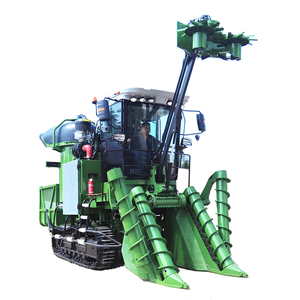
High-Purity Native Rice Starch (Particle Size: 2-8 µm)
Get Catalog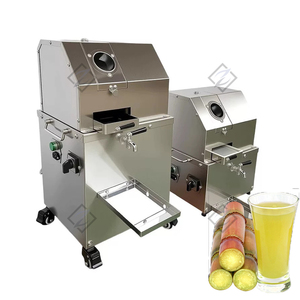
Waxy Modified Rice Starch (High Freeze-Thaw Stability)
Get Catalog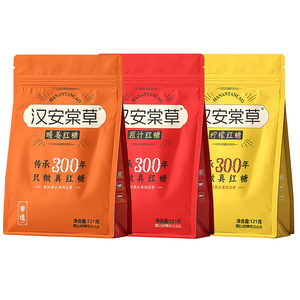
USDA Organic Rice Starch Solids & Hydrolysate Cubes
Get Catalog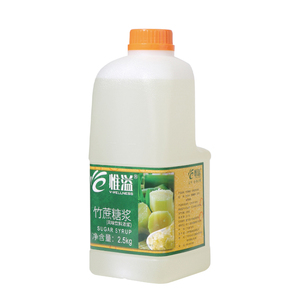
Pharma-Grade Rice Starch Binder & Tablet Disintegrant
Get Catalog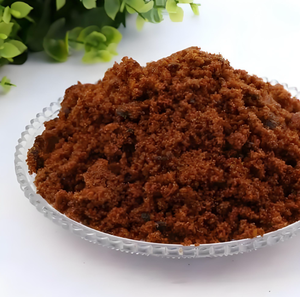
Organic Rice Hydrolysate & Natural Sweetener Compounds
Get Catalog
Refined Low-Dusting Food-Grade Rice Starch
Get Catalog
High-Amylose Rice Starch (25%-30% Amylose Content)
Get Catalog
Custom Pre-gelatinized Cold-Water-Soluble Rice Starch
Get CatalogExecutive Summary & Botanical Starch Technical Architecture
In the global hydrocolloid and specialty carbohydrate sector, rice starch (Oryza sativa) has emerged as the premier functional texturizer for clean-label, hypoallergenic, and high-performance food and pharmaceutical formulations. Distinguished by its exceptionally small granule size—ranging between 2 and 8 microns, identical to the lipid droplet scale—rice starch offers unparalleled creamy mouthfeel, neutral flavor profile, ultra-bright white opacity, and exceptional freeze-thaw stability.
As food manufacturers aggressively purge synthetic emulsifiers and chemically modified starches (such as E1422 or modified corn starches) from ingredient decks, global procurement teams face increasing complexity in securing stable, high-purity rice starch supplies. This whitepaper provides a rigorous comparative evaluation of the Top 10 Rice Starch Manufacturers Globally, assessing processing technology, amylose-to-amylopectin ratios, regulatory compliance, supply chain logistics, and information gain for strategic sourcing.
Top 10 Global Rice Starch Manufacturers & Processing Excellence
The global rice starch manufacturing landscape is concentrated across Western Europe, South-East Asia, and North America. Below is an exhaustive technical profile of the leading industrial producers dominating global market share.
1. BENEO GmbH (Remy / Südzucker Group)
Headquarters: Belgium / GermanyBENEO is the global market leader in rice starch refining, operating dedicated processing plants in Leuven, Belgium. Utilizing alkaline wet-milling technology, BENEO produces the renowned Remyline (waxy) and Remy (native/regular) product portfolios. Their proprietary physical thermal treatment technologies yield clean-label functional starches that replicate chemical cross-linking performance under extreme shear and acidic conditions.
2. Agrana Beteiligungs-AG
Headquarters: AustriaAgrana is the world's leading supplier of certified organic starches. Operating sophisticated wet-fractionation facilities in Aschach and Gmünd, Agrana processes certified non-GMO and USDA Organic rice raw materials. Their Agriform line focuses heavily on organic infant food, cosmetics, and organic pre-gelatinized technical starches requiring stringent heavy metal controls.
3. Ingredion Incorporated
Headquarters: United StatesIngredion leverages a global production footprint to supply functional botanical starches. Through strategic acquisitions and technological development of their NOVATION® clean-label series, Ingredion offers physically modified rice starches designed to withstand UHT processing, high homogenizing pressures, and low pH shelf-life demands in pasteurized sauces and dressings.
4. Thai Flour Industry / Bangkok Starch Industrial Co., Ltd.
Headquarters: ThailandPositioned in the heart of Southeast Asia's rice belt, Thai Flour Industry processes high-purity Indica rice varieties. Benefiting from direct agricultural integration, they produce both native jasmine rice starch and high-amylose variants. Their low-cost production structure and proximity to raw grain yield high cost-efficiency for industrial food and pharmaceutical users.
5. Anhui Sunhere Pharmaceutical Excipients Co., Ltd.
Headquarters: ChinaSunhere Pharma specializes in high-purity pharmaceutical-grade rice starches complying with USP, EP, and JP monographs. Designed explicitly for solid dosage forms, Sunhere's micro-milled rice starches act as exceptional disintegrants and filler-binders for small-sized, high-potency drug formulations and nutraceutical tablets.
6. Peachtree Commodities / Aapya Ingredients Alliance
Headquarters: United States (GA) / Global OperationsPeachtree Commodities delivers a multi-generational, integrated ingredient platform specializing in USDA Organic, Non-GMO Project Verified, and Regenerative rice starch and sweetener systems. Utilizing state-of-the-art wet milling coupled with closed-loop protein extraction, Peachtree provides North American and global procurement teams with guaranteed safety stock, audit-ready paperwork, and traceable farm-to-door chain-of-custody.
7. Roquette Frères
Headquarters: FranceA global plant-based ingredient heavyweight, Roquette integrates specialized rice starches within its culinary and pharmaceutical starch portfolios. Utilizing advanced enzymatic and physical processing, Roquette produces non-allergenic, highly digestible dextrins and starches optimized for enteral clinical nutrition and specialized infant formulas.
8. A&B Ingredients
Headquarters: United StatesA&B Ingredients focuses on functional rice starch applications tailored specifically for meat, poultry, and plant-based analog injection. Their low-viscosity native rice starches penetrate muscle fibers seamlessly, retaining moisture during cooking without altering the natural texture or creating rubbery mouthfeel.
9. Golden Agriculture (Vietnam Rice Starch Corp)
Headquarters: VietnamCapitalizing on Vietnam's vast Mekong Delta rice harvesting infrastructure, Golden Agriculture manufactures cost-competitive native and pre-gelatinized rice starches. Their modern multi-stage enzymatic steeping processes produce ultra-white powders ideal for extruded snacks, paper coating, and industrial binder systems.
10. Jiangxi Xindezhi Food Industry Co., Ltd.
Headquarters: ChinaSpecializing in rice hydrolysates, high-maltose rice syrups, and pure native rice starches, Xindezhi provides large-scale raw material solutions for the Asian and East European markets. Their facilities incorporate continuous centrifugal starch-protein separators ensuring low residual protein content (<0.3%).
Technical Benchmark Matrix: Rice Starch vs. Alternative Botanical Starches
To assist procurement managers and food technologists in selecting the appropriate hydrocolloid system, the table below compares rice starch metrics against tapioca, corn, and potato starches.
| Starch Source | Granule Diameter (µm) | Gelatinization Temp (°C) | Amylose Content (%) | Hypoallergenic Status | Paste Opacity / Color |
|---|---|---|---|---|---|
| Rice Starch (Regular) | 2 – 8 µm | 68°C – 78°C | 15% – 22% | Yes (Non-Allergenic) | Ultra-Bright White / Opaque |
| Rice Starch (Waxy) | 2 – 8 µm | 65°C – 72°C | < 1% (Amylopectin >99%) | Yes (Non-Allergenic) | High Clarity / Transparent |
| Corn Starch (Native) | 5 – 25 µm | 62°C – 72°C | 25% – 28% | Allergen Risk (Corn) | Semi-Opaque / Yellowish Tint |
| Tapioca Starch | 5 – 35 µm | 59°C – 69°C | 17% – 20% | Yes (Non-Allergenic) | Clear / Translucent |
| Potato Starch | 15 – 100 µm | 60°C – 65°C | 20% – 25% | Yes (Non-Allergenic) | Clear / High Gloss |
Future Procurement & Technological Trends (2025–2030)
Strategic insights for enterprise sourcing directors navigating regulatory updates, clean-label shifts, and climate-resilient agricultural supply networks.
1. Accelerated Elimination of Chemically Modified Starches (E-Numbers)
Global regulatory bodies and consumer scrutiny are driving a massive migration away from chemically modified starches (such as acetylated distarch adipate E1422 or hydroxypropyl distarch phosphate E1442). Manufacturers are turning to physically modified native rice starches processed via Hydro-Thermal Treatment (HTT) or annealing. These physical modifications alter crystalline structures to withstand extreme retort pressures without losing clean-label "Rice Starch" ingredient declaration status.
2. Expansion in Plant-Based Dairy Fat-Mimicry
Because native rice starch granules (2-8 microns) match the microscopic dimensions of milk-fat globules, formulations in vegan cheese, non-dairy yogurt, and plant-based ice creams are heavily adopting waxy rice starches. The starch particles physically simulate the mouthfeel of butterfat, delivering velvety smoothness without requiring palm oil, hydrogenated fats, or synthetic gums.
3. Zero-Waste Circular Bioeconomy Fractionation
Leading refiners are abandoning traditional single-stream starch extraction in favor of zero-waste bio-refineries. Broken rice grains undergo full fractionation into three premium value streams: high-purity rice starch powder (80-85% yield), hypoallergenic organic rice protein isolate (65-80% protein concentration), and rice syrup/maltodextrin solids. Sourcing from zero-waste producers reduces Scope 3 carbon footprints for corporate food brands.
4. U.S. Regional Warehousing & Buffer Inventory Strategy
Geopolitical ocean freight volatility has exposed the fragility of single-origin Asian procurement models. Enterprise procurement teams are shifting toward suppliers with dual-origin manufacturing and U.S.-based organic-certified warehouse buffers. Stocking 30 to 60 days of safety stock domestically eliminates lead-time spikes and guarantees continuous processing lines.
Enterprise Procurement Advantage: Peachtree Commodities
Multi-generational expertise, fully audit-ready documentation, and dependable global delivery models engineered for major food & pharmaceutical manufacturers.
Direct Origin Auditability
We work directly with origin processing plants rather than anonymous trading brokers. Every batch features 100% farm-to-factory traceability, verified agronomy practices, and strict heavy metal screening (Pb, Cadmium, Arsenic).
Audit-Ready Document Pack
Every shipment is delivered with a complete documentation bundle: Lot-specific Certificate of Analysis (CoA), USDA Organic NOP Transaction Certificates, Non-GMO Statements, Kosher & Halal Certificates, and Allergen-Free compliance sheets.
In Full. On-Time. All The Time.
Our strategically located U.S. food-grade warehouse network maintains safety stock aligned with your rolling forecast. Choose flexible packaging options ranging from 25kg multi-wall paper bags to 1,000kg bulk totes and bulk liquid tankers.



Frequently Asked Questions for Sourcing & QA Teams
Technical and logistical guidance for technical buyers, food formulation scientists, and supply chain specialists.
Regular Rice Starch contains approximately 15% to 22% amylose and 78% to 85% amylopectin. It yields a firm, opaque gel structure upon cooling, making it ideal for gelling, bakery structure, and extruded crispiness. Waxy Rice Starch consists of >99% amylopectin (0% amylose), preventing retrogradation (stalling and syneresis). Waxy rice starch delivers clear pastes, exceptional freeze-thaw stability, and high moisture retention across repeated thaw cycles.
Rice starch features the smallest granule size among commercial starches (2 to 8 microns vs. 5–35 microns for tapioca and 15–100 microns for potato). This minute granule size creates a soft, fat-like smooth sensation on the palate without gritty texture. Native rice starch requires a slightly higher gelatinization temperature (68°C to 78°C). Under high shear or acidic UHT processing, physically modified rice starches maintain granule structural integrity better than un-modified corn starches.
Every commercial batch shipped from our warehouses includes a comprehensive Certificate of Analysis (CoA) verifying: Moisture Content (≤ 12%), Starch Purity (≥ 98% dry basis), pH range (5.5–7.5), Residual Protein (≤ 0.5%), Ash Content (≤ 0.5%), Sieve Analysis (>99.5% through 100 mesh), Heavy Metals (Arsenic, Lead, Cadmium testing), and Total Viable Plate Count microbiological clearance. Organic transaction certificates (NOP/EU) are issued per shipment.
Standard minimum order quantities for warehouse releases are 1 pallet (1,000 kg or forty 25kg multi-wall bags). Full truckload (FTL) orders (approx. 20,000 kg / 44,000 lbs) ship within 3 to 5 business days from our U.S. distribution points. Direct ocean container loads (20ft / 40ft FCL) from origin manufacturing facilities carry a 4 to 6 week lead time under contracted pricing programs.
Yes. Due to its high light-scattering capability resulting from billions of sub-8-micron granules per gram, native rice starch is the leading natural substitute for Titanium Dioxide (TiO2) in confectionery coatings, hard pan candy shells, bakery icings, and sauces. It produces an authentic clean-label white opacity without regulatory warnings or synthetic additives.
Request Official Technical Specifications & Sample Kits
Connect with our food scientists and commercial procurement experts to discuss sample validation, custom formulation trials, or annual contract pricing.