

Featured Coconut & Natural Sweetener Solutions
Explore top-tier unrefined coconut sugars, specialized cane syrups, and field harvesting technologies certified under USDA Organic, Non-GMO Project, and international food safety protocols.

Wubota Full Customization Industrial Sugarcane & Biomass Harvester
Contact Us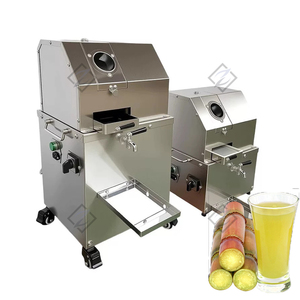
Commercial & Industrial Electric Juice Extraction Machinery
Contact Us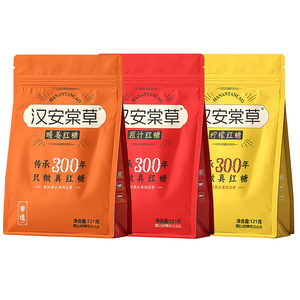
Bagged Multi-Flavor Brown Sugar Lumps & Pressed Cubes (121g)
Contact Us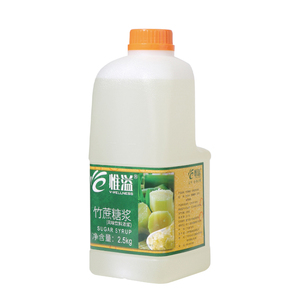
Weiyi High-Purity Bamboo Cane & Brown Sugar Syrup Formula
Contact Us
Bulk Unrefined Organic Granulated Sweetener & Coconut Sugar
Contact Us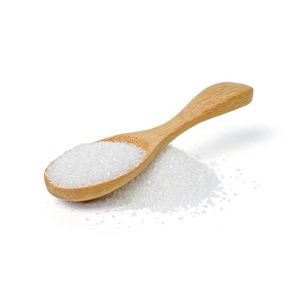
Premium Export-Grade Granulated Cane & Coconut Sap Sugar
Contact Us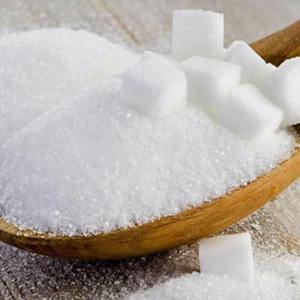
100% Pure Natural Granular Crystal Sweetener (50kg Bulk Pack)
Contact Us
Customizable OEM Raw Granulated Coconut & Cane Sugar Formulations
Contact UsExecutive Summary: Navigating Global Coconut Sugar Procurement
The global shift toward plant-based, unrefined, and low-glycemic sweeteners has elevated coconut sugar (Cocos nucifera sap derivative) from a niche health ingredient to a core industrial raw material. Valued for its rich caramel flavor profile, minimal processing, and high concentration of micro-nutrients (including potassium, magnesium, zinc, and dietary fiber inulin), coconut sugar represents a strategic substitution vector for standard refined sucrose and high-fructose corn syrups (HFCS).
However, for enterprise procurement managers, B2B importers, and commercial food & beverage formulators, sourcing coconut sugar at scale presents unique supply chain challenges. Unlike standardized beet or cane sugar commodities, coconut sugar production relies heavily on decentralized smallholder farming networks across Southeast Asia (principally Indonesia, the Philippines, Thailand, and Sri Lanka). Ensuring lot-to-lot consistency, microbiological safety, compliance with organic standards (USDA, EU Organic), and zero adulteration requires rigorous vendor auditing.
This comprehensive whitepaper serves as an industrial procurement guide. Below, we analyze the top global factory capabilities, key technical specifications, risk mitigation protocols, future technological trends, and essential criteria for selecting certified coconut sugar manufacturers and supply partners.
Unrefined Botanical Sap Processing
Harvested directly from the blossom inflorescence of the coconut palm. Evaporated at low temperatures to retain mineral complexes and natural amino acids without chemical bleaching.
Low-GI Functional Advantage
Boasting a glycemic index of ~35 to 54 compared to refined table sugar (65+), coconut sugar contains inulin fiber which slows glucose absorption, meeting modern clean-label demands.
Audit-Ready Regulatory Packs
Every industrial shipment is backed by batch-specific Certificates of Analysis (CoA), Non-GMO Project Verification, Kosher certification, and carbon-neutral logistics tracking.
Factory Benchmark Standards: Technical Specifications Comparison
When evaluating a Top 10 Coconut Sugar Factory & Supplier, technical product specifications must match exact formulation requirements. Parameters such as moisture level directly govern shelf-life and caking tendency, while mesh size dictates dissolution speed in beverage systems.
| Quality Parameter | Standard Commercial Grade | Industrial Organic Grade | Ultra-Fine Bakery & RTD Grade | Testing Protocol (ISO/AOAC) |
|---|---|---|---|---|
| Sucrose Content (%) | 70.0% – 78.0% | 75.0% – 82.0% | 78.0% – 84.0% | HPLC / ICUMSA GS2/3-1 |
| Moisture Content (%) | < 3.0% | < 2.0% | < 1.5% | Karl Fischer / Oven Drying |
| Fructose & Glucose | 6.0% – 10.0% | 4.0% – 7.0% | 3.0% – 5.0% | High-Performance Liquid Chromatography |
| Mesh Size (Granulation) | 14 – 16 Mesh | 16 – 18 Mesh | 30 – 50 Mesh (Micro-granulated) | |
| Water Activity (a_w) | < 0.65 | < 0.60 | < 0.55 | Chilled Mirror Dew Point |
| Total Ash / Mineral Content | 1.8% – 2.5% | 2.0% – 3.0% | 2.2% – 3.2% | Gravimetric Muffle Furnace (550°C) |
| Microbiological Limits | TPC < 10,000 CFU/g | TPC < 5,000 CFU/g | TPC < 1,000 CFU/g | ISO 4833-1 / AOAC Micro-Array |
Global Manufacturer Evaluation Framework: Sourcing Risk Mitigation
B2B buyers operating in international supply chains must assess supplier candidates across four primary operational pillars: Agronomic Traceability, Thermal Processing Controls, Chemical Purity Safeguards, and Inventory Positioning.
1. Agronomic Integrity & Smallholder Farmer Cooperatives
Because coconut palms cannot be harvested via large-scale monoculture mechanization in the same manner as sugar beets or sugarcane, fresh sap ("nira") collection requires hand-tapping by skilled tappers. Leading factories establish strict field-level collection centers where fresh sap is stabilized immediately with organic preservatives (such as mangosteen bark extract or clean coconut shell ash) to prevent wild yeast fermentation into alcohol or vinegar prior to evaporation.
2. Vacuum Evaporation vs. Traditional Open-Pan Cooking
Traditional cottage-industry processing uses direct-fire open pans. While this imparts a strong caramel note, it leads to thermal degradation, inconsistent moisture levels, and elevated risk of polycyclic aromatic hydrocarbons (PAHs). Top-tier certified factories utilize multi-stage vacuum evaporators and hygienic stainless-steel (SS304/SS316) crystallizers, ensuring low heat contact, color uniformity, and strict microbiological containment.
3. Adulteration Detection & Isotope Ratio Mass Spectrometry (IRMS)
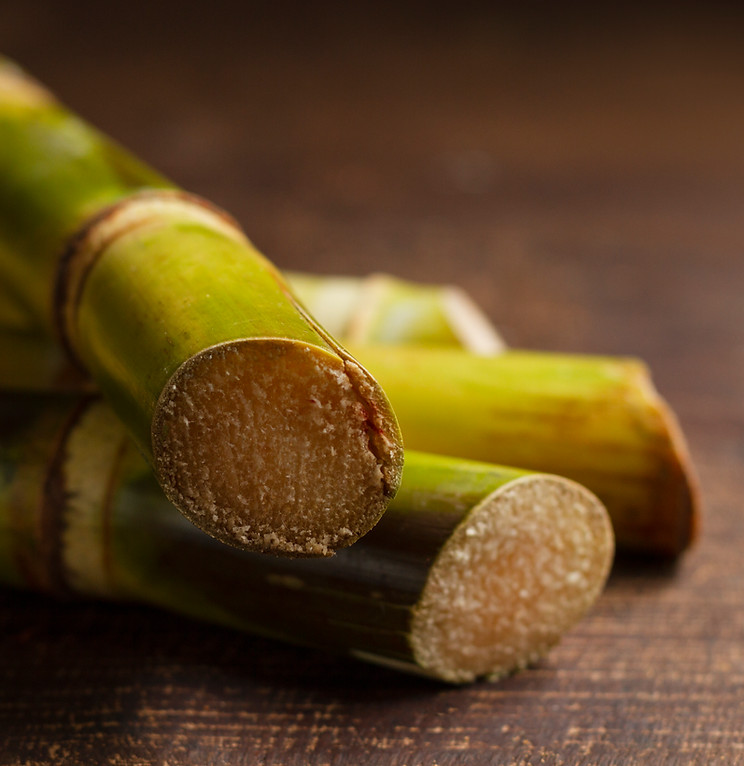
Due to price differentials between cheap cane/cassava syrups and pure coconut sap sugar, market adulteration is a critical risk. Advanced procurement teams mandate Carbon-13 Isotope Ratio Mass Spectrometry (C-13 IRMS) testing. Since sugarcane is a C4 photosynthetic plant and coconut palm is a C3 plant, IRMS conclusively verifies 100% botanical authenticity.
Strategic Procurement Trends: The Next 5 Years in Natural Sweeteners
As corporate Sustainability & ESG commitments become tightly integrated with procurement Key Performance Indicators (KPIs), the market dynamics surrounding coconut sugar and organic cane sweeteners are undergoing significant structural evolution:
- Regenerative Organic Certified (ROC) Sourcing: Beyond basic USDA Organic labels, multinational food brands are contracting dedicated coconut palm groves that implement intercropping (combining coconut trees with cocoa, banana, or spices) to boost soil organic matter and biodiversity.
- Hygroscopic Stabilization & Micro-Encapsulation: Coconut sugar naturally exhibits higher hygroscopicity than refined sucrose. Innovators are deploying natural anti-caking techniques and co-drying with tapioca maltodextrins to facilitate high-speed dry-mix sachet filling.
- Decentralized U.S. & European Warehouse Hubs: To counter global maritime shipping delays and high container freight rates, major importers maintain localized safety stock in certified food-grade storage centers, enabling 48-hour JIT (Just-In-Time) deliveries.
- Blended Natural Sweetener Systems: Formulators are combining micro-ground coconut sugar with high-intensity natural sweeteners (like monk fruit or stevia) to reduce total caloric load while preserving the authentic mouthfeel and brown-sugar aromatic profile.
Why Leading Brands Partner With Peachtree Commodities
For over 15 years, Peachtree Commodities has served as a multi-generational, family-owned bridge connecting pristine global organic origins with North American and European food & beverage manufacturers.
"In Full. On-Time. All The Time."
We eliminate procurement friction by taking total ownership of the supply chain—from direct plantation audit and origin quality control to domestic warehousing and freight execution.
- Direct Origin Relationships: No anonymous trading desks. We partner directly with verified production cooperatives.
- Guaranteed Traceability: Lot-specific transaction certificates match farm origin with final delivery dock.
- Flexible Packaging: Supplied in 25 kg bags, 1,000 kg super sacks, or customized private-label formats.
- Domestic Buffer Stock: Inventory held across strategic U.S. organic-certified warehouses to absorb supply shocks.







Frequently Asked Questions By Industrial Buyers
Clear answers to essential quality control, logistics, documentation, and technical compliance questions encountered during bulk procurement.
Every shipment is dispatched with a full Quality Pack comprising a batch-specific Certificate of Analysis (CoA), Organic Transaction Certificate (NOP/EU), Specification Sheet, Safety Data Sheet (SDS), Heavy Metal & Pesticide Screen Results, Non-GMO Statement, Allergen Declaration, and Kosher Certificate.
Coconut sugar has a lower melting point and begins caramelizing at approximately 115°C to 120°C (compared to ~160°C for refined sucrose). In bakery applications, it yields a deeper golden-brown color and enhanced aromatic complexity due to the presence of natural amino acids participating in Maillard reactions.
Standard commercial orders begin at 1 full pallet (typically 40 x 25 kg bags = 1,000 kg / 2,200 lbs). Full Truckload (FTL) and 20ft/40ft Ocean Container programs are available under contractual annual pricing. Sample quantities (1kg to 5kg) for R&D bench testing are provided upon request.
Premier factories utilize gentle thermal sterilization or controlled dry-steam treatment steps during the final screening process. This reduces Total Plate Count (TPC) to < 1,000 CFU/g and guarantees zero yeast, mold, E. coli, or Salmonella presence while maintaining strict organic status.
Unrefined coconut sugar should be stored in a cool, dry warehouse environment below 24°C (75°F) and relative humidity below 60%. Multi-wall paper bags with inner polyethylene liners must remain sealed until ready for production blending.
Yes. While standard granulation is 16–18 mesh, custom mechanical sifting allows production of fine 30–50 mesh grades tailored for fast-dissolving ready-to-drink (RTD) powdered beverages, chocolate coating lines, and fine confectionery matrixes.
Ready to Secure Premium Organic Sweetener Supplies?
Connect directly with our commercial team to request sample kits, contract pricing options, or full factory audit documentation.