Carrier & Osmotic Agent

Discover our OEM/ODM custom processing platforms spanning standardized fluid lecithin, de-oiled granules, specialty enzymatically modified emulsifiers, and synergistic functional plant extracts.
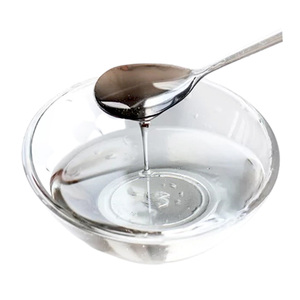
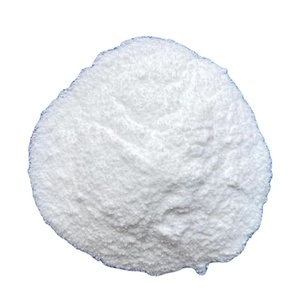
In the contemporary landscape of global food processing, industrial biotechnology, pharmaceutical formulations, and animal nutrition, Soy Lecithin stands out not merely as an emulsion additive, but as an indispensable surface-active phospholipid matrix. Derived during the degumming stage of crude soybean oil refining, industrial-grade and food-grade soy lecithin constitutes a complex synergistic profile of phospholipids, glycolipids, triglycerides, and sterols. For procurement executives and research and development chemists, choosing an OEM/ODM manufacturing partner demands an exhaustive technical appreciation of molecular fraction balance—primarily phosphatidylcholine (PC), phosphatidylethanolamine (PE), phosphatidylinositol (PI), and phosphatidic acid (PA)—as well as exacting contamination thresholds for residual solvents, heavy metals, oxidation markers, and genetic modification identity preservation.
Critical Sourcing Factor: The functional efficiency of soy lecithin is dictated by its Acetone Insoluble (AI) index, Hydrophilic-Lipophilic Balance (HLB), and Acid Value (AV). High-performing OEM plants must exhibit full batch control over enzymatic modification (conversion of diacyl phospholipids to lyso-phospholipids) to regulate interfacial tension across extreme temperature swings and high-salinity phases.
Standard crude fluid soy lecithin contains approximately 60% to 65% polar phospholipid lipids dispersed in an unseparated soybean oil medium. Through supercritical solvent extraction, industrial alcohol fractionation, or mechanical membrane concentration, OEM facilities create three functional variants:
A. Unbleached and Bleached Standard Fluid Lecithin: Exhibits an AI value between 60% and 64%, with viscosity tailored to shear requirements. Unbleached variants retain natural amber pigmentation, serving chocolate confections where moisture-induced bloat is suppressed, while hydrogen peroxide-treated or bleached options satisfy pale beverage emulsion profiles.
B. De-Oiled Phospholipid Granules and Powders: By removing virtually all triglycerides through controlled solvent scrubbing, the Acetone Insoluble content is elevated above 96% to 98%. This yields a non-greasy, hygroscopically stable powder that provides concentrated phosphatidylcholine for dietary encapsulation, plant-based milk dispersibility, and specialized industrial releases.
C. Lyso-Lecithin (Enzymatically Hydrolyzed): Leveraging microbial Phospholipase A2 (PLA2), the fatty acid at the sn-2 ester position of the glycerol backbone is cleaved. This structural reconfiguration dramatically shifts the HLB value upward from standard 4–6 range to an elevated 8–10, rendering the compound exceptionally competent at stabilizing direct oil-in-water (O/W) emulsions under acidic conditions (such as low pH salad dressings, RTD shelf-stable beverages, and extruded infant feeds).
| Lecithin Grade Format | Acetone Insoluble (AI) % | Standard Acid Value (mg KOH/g) | HLB Range | Primary Industrial Application |
|---|---|---|---|---|
| Standard Fluid (Food/Feed) | ≥ 62.0% | ≤ 30.0 | 4.0 – 6.0 | Confectionery, Chocolate Viscosity, Industrial Release Agents |
| Enzymatically Hydrolyzed (Lyso) | ≥ 56.0% – 60.0% | ≤ 36.0 | 8.0 – 10.0 | Acidic RTD Beverages, Bakery Volume Improver, Animal Colostrum |
| De-Oiled Powder / Granule | ≥ 96.0% – 98.0% | ≤ 36.0 | 7.0 – 8.5 | Nutraceutical Capsules, Dry Blends, High-Speed Extrusion |
| Phosphatidylcholine Fraction (≥35%) | ≥ 98.0% | ≤ 10.0 | 9.0 – 12.0 | Liposomal Drug Delivery, Cognitive Dietary Supplements, Parenteral Nu |
As international regulatory frameworks tighten under FDA, EFSA, and regional food safety statutes, the sourcing vectors for soy lecithin are shifting drastically. Buyers are navigating three core shifts:
The Non-GMO Project Verification & Hard IP Schemes: The era of uncertified commodity sourcing is concluding. Category leaders require identity-preserved (Hard IP) soy streams with polymerase chain reaction (PCR) test limits guaranteeing less than 0.1% adventitious GMO presence. This demands dedicated farm-to-crush elevator separation, preventing cross-contact with transgenic grain channels.
Solvent-Free and Clean Extraction Methodologies: Driven by consumer hostility toward residual aliphatic hydrocarbons (specifically hexane traces), next-generation OEM/ODM processing emphasizes supercritical carbon dioxide (scCO2) or pressurized ethanol extraction pathways. This delivers an ultra-pure profile containing non-detectable solvent residues, vital for clean-label Infant Grade and Certified Organic end-products.
Supply Chain Nearshoring & Buffer Inventories: Global logistics disruptions have highlighted the danger of just-in-time cross-ocean transit. Progressive procurement models favor contracted annual volume reservations tied to localized, certified warehouse depots. This dual-model infrastructure allows procurement managers to draw down releases within 48 to 72 hours, insulating high-throughput production plants from ocean container bottlenecks.
Beyond elementary emulsion and surface wetting, high-purity soy lecithin fractions are redefining bioavailability in pharmaceutical and functional food segments. Industrial high-pressure microfluidization breaks down soy phospholipids into unilamellar vesicles (liposomes) ranging from 50 to 120 nanometers. This vesicular structure efficiently encapsulates sensitive hydrophobic molecules (such as curcumin, coenzyme Q10, and botanical flavonoids) or hydrophilic nutrients (such as vitamin C), shielding them from gastric enzymatic hydrolysis while increasing intestinal cellular uptake by more than 300%. Contract manufacturers investing in lipid biotechnology can now offer tailor-engineered phosphatidylcholine-to-sphingomyelin ratios suited for targeting cellular membranes.
Anchored in multi-generational agricultural expertise, our manufacturing and global supply network delivers uncompromising quality assurance, end-to-end traceability, and relentless supply continuity.
We work directly with certified farming estates and world-class extraction hubs—never anonymous trading brokers. Every metric is audited from seed propagation to final degumming to uphold USDA Organic and Non-GMO certifications.
We maintain certified food-grade regional warehousing hubs. By establishing customized safety inventory programs mapped against your rolling production forecasts, your lines are fully protected from ocean freight volatility.
Every shipment ships accompanied by a comprehensive technical dossier: lot-specific HPLC Certificate of Analysis, Non-GMO Project Verification, Kosher/Halal compliance, allergen segregation, and country-of-origin manifests.
Our direct technical account managers and food scientists stand by your continuous line operations. You receive immediate answers regarding regulatory declarations, batch testing metrics, delivery adjustments, and custom blending.
From 25kg multi-wall bags and 200kg steel drums to 1,000kg IBC totes, flexitanks, and bulk road tankers, we offer temperature-monitored bulk dispatch tailored precisely to automated plant dosing systems.
Equipped with pilot-scale enzymatic reactors and fluid bed dry-mixing units, we assist your R&D team in synthesizing bespoke phospholipid balances, adjusting viscosity, moisture content, and dispersion kinetics for proprietary applications.
Key compliance, formulation, and commercial considerations addressed by our technical team.
Standard fluid lecithin contains 35%–40% carrier vegetable oil, resulting in a viscous liquid format ideal for high-fat chocolate dispersion, release greases, and standard baking doughs. De-oiled lecithin has virtually all triglycerides removed via supercritical or ethanol processing, yielding over 96% pure phospholipid powder with zero residual oil, exceptional cold-water dispersibility, and superior handling for dry beverage powder blends and dietary supplements.
We enforce rigorous Identity Preserved (IP) tracking spanning certified non-GM seed selection, agronomic isolation distances during cultivation, dedicated harvest elevators, and certified crushing lines. Every industrial production lot undergoes qualitative and quantitative PCR testing by independent accredited laboratories to verify transgenic DNA limits stay securely below 0.1%.
Yes. Through targeted microbial Phospholipase enzymatic conversion, we cleave specific fatty acid chains from the phospholipid skeleton, raising the hydrophilic-lipophilic balance (HLB) up to 8–10. This produces exceptional anti-staling properties in high-volume industrial baking and prevents phase separation in acidic emulsions and RTD dairy-alternative beverages.
Our standard liquid shipments range from 200kg tight-head steel drums to 1,000kg composite IBC totes, flexitanks, and bulk road tankers. Powder and granulated de-oiled products are packed in 20kg or 25kg multi-wall heat-sealed kraft bags with polyethylene liners. While commercial MOQ begins at full pallet equivalents (approx. 800kg–1,000kg), we regularly provide pre-production R&D sample batches for laboratory formulation validation.
Every commercial lot ships with a complete audit-ready QA packet: lot-matched Certificate of Analysis (verifying AI value, peroxide value, acid value, moisture, microbiology, and heavy metals), Non-GMO statements, Allergen declaration protocols, Kosher/Halal approvals, and Country of Origin traceability declarations. Full electronic copies are dispatched instantly upon shipping notification.
Yes. We operate strategically positioned regional food-grade and organic-certified warehousing facilities across North America and key global logistics hubs. Qualified contract partners can maintain a 30 to 90-day buffer inventory against rolling sales forecasts, allowing instant dock pull-downs with zero reliance on trans-ocean transit schedules.






Consult with our food technologists and supply chain directors today. Request pilot trial samples, verify custom phospholipid specifications, and lock in volume-contracted annual pricing programs.