

Premium Commercial Tapioca Starches & Agricultural Derivatives
Explore our standardized, audit-ready tapioca starch fractions, tailored OEM modified starch series, and sugar derivatives manufactured to strict international quality benchmarks.
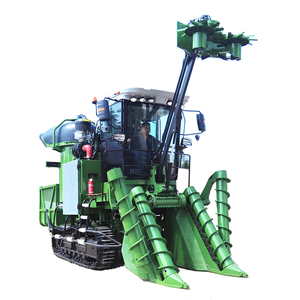
- Origin: Selected Southeast Asia Farms
- Starch Content: ≥ 85%
- Applications: Large-scale Refining
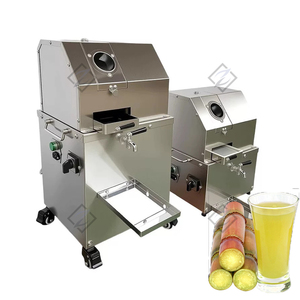
- Throughput: High Industrial Capacity
- Material: Food Grade SS304/SS316
- Utility: Syrup & Starch Slurry
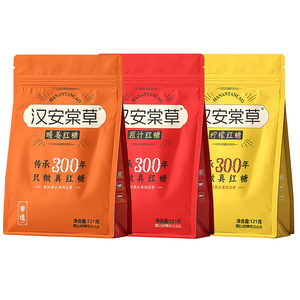
- Purity Level: 99.5% Natural
- Packaging: 121g / Custom Retail Bag
- Certification: USDA Organic, Kosher
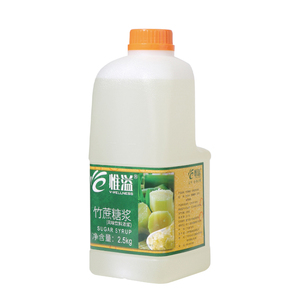
- DE Range: 27 DE - 63 DE
- Clarity: Ultra-Clear Liquid
- Application: Beverage & Confectionery
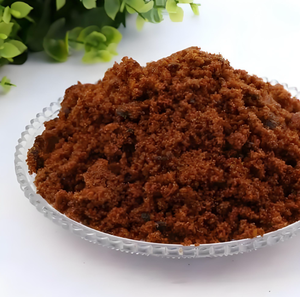
- Moisture: ≤ 13.0%
- Mesh Size: 100 Mesh (99.5% Pass)
- Packaging: 25kg / 850kg Jumbo Tote
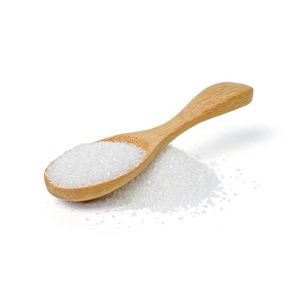
- Whiteness: ≥ 92%
- pH Level: 5.0 - 7.0
- Ash Content: ≤ 0.2%
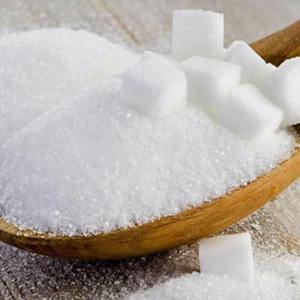
- Modification: Acetylated Distarch Adipate
- Acid & Shear Resistance: Superior
- Shelf Life: 24 Months
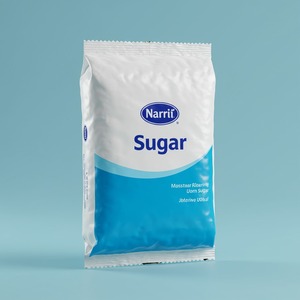
- OEM Branding: Private Label Supported
- Quality Standard: ISO 22000, HACCP
- Supply Capacity: 10,000 MT/Month
1. Technical Whitepaper: The Evolution of Industrial Tapioca Starch
In modern industrial food science and high-capacity manufacturing, Tapioca Starch (derived from the storage roots of the cassava plant, Manihot esculenta) has rapidly evolved from a standard thickening agent into a high-performance functional hydrocolloid. Commercial procurement directors and senior R&D managers increasingly turn to custom OEM tapioca starch due to its exceptionally neutral flavor profile, ultra-clean clarity, high paste viscosity, and superior freeze-thaw stability compared to cereal starches such as corn or wheat.
From an enzymatic and molecular perspective, native tapioca starch exhibits a unique amylose-to-amylopectin ratio approximately equal to 17:83. This low amylose concentration gives native tapioca paste a reduced tendency toward retrogradation and syneresis (water separation) during cold storage cycles. However, under harsh industrial processing—characterized by severe shear forces, low pH conditions, high thermal exposure, and prolonged cold-chain storage—native tapioca starch requires specific chemical or physical modifications to maintain structural integrity.
Molecular Architecture: Native vs. Modified Tapioca Starch
When evaluating supply contracts, procurement officers must accurately align the functional demand of their final formulation with the appropriate starch modification tier:
Native Tapioca Starch
Unmodified starch extracted directly from washed cassava slurry. Characterized by low gelatinization temperatures (62°C–68°C), high peak viscosity, and high clarity. Ideal for clean-label soups, traditional puddings, noodle texturizing, and bakery applications requiring non-synthetic declaration.
Cross-Linked Starches (E1422 / E1442)
Chemically modified via etherification or esterification (e.g., Hydroxypropyl Distarch Phosphate or Acetylated Distarch Adipate). Cross-linking strengthens the intra-granular bonds, allowing the starch granule to withstand high-shear homogenization, acidic pH levels (< 3.5), and extreme UHT sterilization.
Pregelatinized Instant Starches
Physically cooked and drum-dried cold-water-soluble (CWS) starches. These starches instantly build viscosity without requiring thermal input onsite, serving as essential binders in cold-process bakery fillings, instant gravies, and rehydratable infant cereals.
2. Global Procurement Dynamics & Market Forecasts (2025–2030)
The global tapioca starch market is undergoing a structural paradigm shift driven by clean-label market mandates, sustainable supply chain legislation, and volatile climate patterns in primary agricultural belts. Southeast Asia—led by Thailand, Vietnam, and Cambodia—represents over 80% of global exportable tapioca starch volume. As multinational food conglomerates transition away from genetically modified organism (GMO) corn starch and synthetic thickeners, the market demand for certified Non-GMO Project Verified and USDA Organic tapioca starch is projected to maintain a CAGR of 6.8% through 2030.
Supply Risk Management & Dual-Sourcing Strategies: Extreme weather patterns (such as El Niño and La Niña) alongside root rot disease outbreaks (mosaic virus) highlight the necessity of partnering with an enterprise supplier offering multi-regional contract processing capabilities. Modern enterprise buyers require guaranteed container allocations, transparent FOB/CIF pricing indexes, and pre-positioned buffer stocks in North American and European logistics hubs to eliminate ocean freight lead-time risks.
3. Comparative Rheological Matrix: Starch Source Performance
To assist procurement teams and food technologist teams in technical substitution decisions, the following matrix contrasts native and modified tapioca starch against traditional industrial hydrocolloid bases:
| Physicochemical Metric | Native Tapioca Starch | Modified Tapioca (E1442) | Native Corn Starch | Potato Starch |
|---|---|---|---|---|
| Gelatinization Temp (°C) | 62.0 – 68.0 | 65.0 – 72.0 | 72.0 – 80.0 | 60.0 – 65.0 |
| Amylose Content (%) | ~17% | ~17% (Modified) | ~28% | ~21% |
| Paste Clarity & Gloss | Very High (Translucent) | Excellent (High Polish) | Opaque / Cloudy | High |
| Taste Impact / Odor | Completely Neutral | Neutral | Cereal / Crainy Note | Slight Earthy Note |
| Shear & Acid Stability | Moderate | Exceptional | Low - Moderate | Low |
| Freeze-Thaw Cycles | 3 - 4 Cycles | 10+ Cycles (No Syneresis) | Poor (Retrogradation) | Moderate |
| GMO Status Declaration | 100% Non-GMO Native | Non-GMO Available | Predominantly GMO | Non-GMO |
4. Enterprise Manufacturing Strengths & Custom OEM/ODM Capabilities
As a premiere multi-generational B2B supplier and international exporter, our supply system operates with an unyielding commitment to operational precision, technical transparency, and regulatory readiness. We bridge the gap between Southeast Asian agricultural roots and advanced Western industrial food manufacturing standards.
Full Traceability & Compliance
Every single batch shipped undergoes stringent laboratory control under GFSI, HACCP, ISO 22000, USDA Organic, Kosher, and Halal framework assurances. Lot-specific Certificates of Analysis (CoA) document exact viscosity (Brabender units), moisture, pH, and microbiological safety.
Flexible Industrial Packaging
We accommodate full container loads (FCL) utilizing multi-wall 25kg paper sacks with PE liners, 850kg/1000kg bulk discharge super-sacks (totes), and custom private-label OEM packaging tailored for commercial distribution networks.
Supply Chain Resilience
With strategically positioned organic-certified warehouse operations across regional logistics centers, we provide guaranteed safety stocks, enabling domestic drawdowns within 24–48 hours to prevent plant downtime.
Frequently Asked Technical & Sourcing Questions
Direct answers to the most common questions raised by quality assurance auditors, formulation chemists, and global procurement leads.
Secure Your Commercial Tapioca Starch Supply Today
Partner with a dependable, quality-focused global supplier. Reach out to our technical sales team for custom specification sheets, instant ocean freight quotes, or sample requests for formulation trials.