

Featured OEM Glucose & Specialty Syrups
Direct export solutions for food, beverage, confectionery, and pharmaceutical industries. Fully customizable BRIX, DE levels, substrate origins, and bulk packaging options.
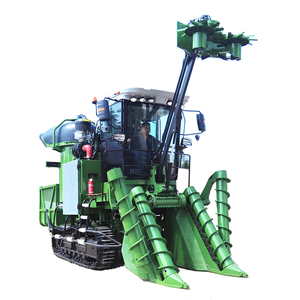
High-DE Commercial Glucose Syrup (OEM Custom Batch)
Contact Us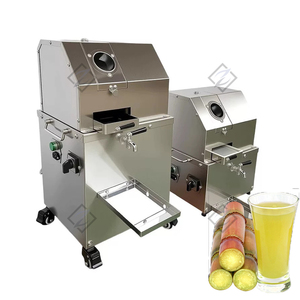
Food Grade Concentrated Cane & Corn Glucose Liquid
Contact Us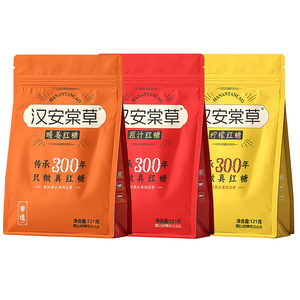
Refined Cane Sugar & Dehydrated Glucose Solid Cubes
Contact Us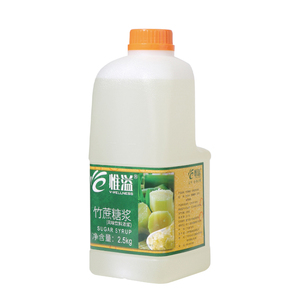
Pure Cane Rock Syrup & High-Maltose Beverage Formulations
Contact Us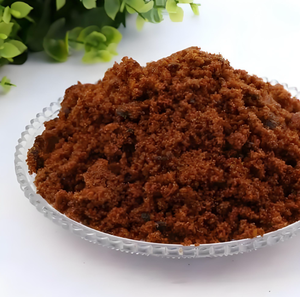
Bulk Unrefined Glucose & Brown Cane Sweetener Base
Contact Us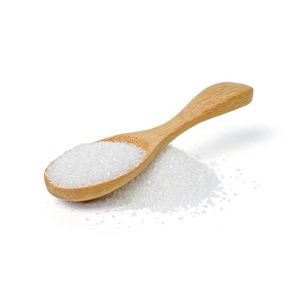
Refined Organic Cane Glucose Syrup (Export Standard)
Contact Us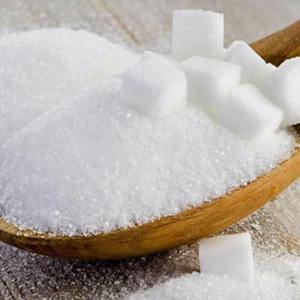
Pure White Granular Glucose Powder & Refined Cane Sugar
Contact Us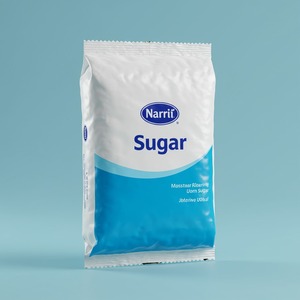
Raw OEM Glucose Base Syrup for Food & Beverage Plants
Contact UsEnterprise Core Competencies & Supply Assurance
Direct Origin Sourcing
Backed by a family-owned legacy spanning three generations, we audit and qualify international primary mills directly. We eliminate anonymous brokerage desks to guarantee physical integrity, non-GMO compliance, and consistent enzymatic conversion for every metric ton exported.
Audit-Ready Quality Packs
Every shipment includes complete technical documentation: lot-specific Certificates of Analysis (COA), USDA Organic transaction certificates, Non-GMO Project Verification, Kosher certification, GMA-SAFE, ISO 14001, and allergen/heavy metal screening statements.
Custom OEM Formulation
We adjust Dextrose Equivalent (DE 20 to DE 70), BRIX density (75° to 85°), clarity, viscosity, and carbohydrate distribution (mono-, di-, and trisaccharides) to match precise client manufacturing specifications and equipment capabilities.
Industrial Guide to Custom OEM Glucose Syrup Procurement
Glucose syrup is the foundational liquid carbohydrate matrix across global food, beverage, and industrial formulation sectors. As an experienced Custom OEM Glucose Syrup Exporter, our engineering team works directly with procurement officers, corporate R&D directors, and supply chain managers to deliver tailor-made liquid sweeteners that optimize structural integrity, shelf stability, and processing throughput.
1. Carbohydrate Hydrolysis & DE Profile Tailoring
The functionality of glucose syrup is primarily defined by its Dextrose Equivalent (DE), which measures the degree of hydrolysis of starch polysaccharides into fermentable reducing sugars. Controlling DE enables exact tuning of sweetness, humectancy, freezing point depression, Maillard browning, and crystallization inhibition.
| Glucose Syrup Class | DE Range | Primary Carbohydrate Fractions | Key Industrial Functionality | Common Applications |
|---|---|---|---|---|
| Low-DE / Liquid Maltodextrin | DE 20 – 30 | High Higher Saccharides (DP4+) | Low sweetness, high viscosity, binding agent, anti-tack | Nutritional bars, infant formulas, spray-drying matrix |
| Standard Confectioners Syrup | DE 38 – 44 | Balanced Glucose (DP1), Maltose (DP2), Maltotriose (DP3) | Prevents sugar re-crystallization, moderate body, bodying agent | Hard candies, jellies, bakery fillings, canned fruits |
| High-Maltose Syrup | DE 42 – 50 | Maltose > 50%, Glucose < 10% | Low hygroscopicity, high color stability, reduced sweetness | Brewing adjuncts, delicate candies, frozen desserts |
| High-DE Glucose Syrup | DE 60 – 70 | High Glucose & High Fermentables | High sweetness, rapid fermentation, osmotic preservation | Yeast fermentation, sauces, dressings, bakery crust browning |
2. Physical Properties & Rheology Engineering
When specifying OEM glucose syrup batches, physical properties must align with facility fluid-handling systems. Key parameters configured during our manufacturing processes include:
- BRIX Concentration (75° Brix to 85° Brix): High solids concentration reduces freight costs per active sweetener kilogram and inhibits microbial proliferation by lowering water activity ($a_w < 0.70$).
- Viscosity Management: Pumping dynamics are calibrated according to temperature curves. High-maltose and low-DE variants require temperature-controlled storage tanks ($40^\circ\text{C} - 55^\circ\text{C}$) to maintain pumpability without inducing thermal degradation or color development.
- Color & Clarity Specifications: Measured in ICUMSA or RBU units. Clarified glucose syrups undergo active carbon filtration and ion-exchange resin treatment to achieve crystal-clear transmittances ($\ge 98\%$ at 420 nm), critical for clear confectionery products.
Tailored Product Recommendations by Industry Segment
Optimizing formulation performance based on specific processing constraints and consumer sensory targets.
Confectionery & Gummy Production
In hard-boiled candies, 42 DE glucose syrup acts as a doctoring agent, disrupting sucrose crystal formation while retaining plastic elasticity during cooling. For pectin and gelatin gummies, high-maltose OEM glucose syrup provides low hygroscopicity, keeping gummies firm and non-sticky even in humid retail environments.
Bakery & Cereal Systems
High-DE glucose syrups provide readily available reducing sugars that participate in Maillard reactions with flour proteins, producing rich crust coloration and aroma profiles. In snack bars, low-DE tapioca or corn glucose syrups function as clear binding liquids that retain chewiness without excessive sweetness.
Beverages & Ready-To-Drink (RTD)
Liquid cane sugar and fully hydrolyzed glucose syrups provide immediate solubility without tank heating. In dairy beverages and plant-based milks, customized glucose syrups control body and freezing point depression, preventing ice crystal formation in frozen desserts.
Pharmaceutical & Nutraceutical Syrups
Used as viscous vehicle bases for cough syrups, liquid vitamins, and pediatric formulations. Requires stringent micro-biological limits, zero heavy metal contamination, endotoxin testing, and full USP/EP compliance certification.
Future Procurement & Industry Trends in Sweeteners
The global industrial sweetener landscape is undergoing a structural paradigm shift driven by evolving regulatory demands, clean-label movement trends, and supply chain vulnerability. Major global procurement divisions are transitioning away from commodity spot purchases toward strategic long-term OEM partnerships.
1. Regenerative Organic Sourcing
Brand owners are demanding USDA Organic, Non-GMO Project Verified, and Regenerative Organic Certified (ROC) glucose substrates. Farm-to-factory carbon accounting and soil health metrics are becoming key criteria in vendor scorecard evaluations.
2. Multi-Substrate Flexibility
To hedge against crop yield volatility (e.g., corn vs. tapioca vs. sugarcane), enterprise buyers are reformulating production lines to support drop-in replacement glucose syrups derived from alternative non-GMO botanical bases.
3. Buffer Stock Warehousing
Ocean shipping bottlenecks have rendered pure "Just-In-Time" (JIT) procurement risky. Leading exporters now maintain regional safety stocks in domestic organic-certified U.S. warehouse hubs to guarantee 48-hour plant deliveries.
Custom OEM Export Workflow & Packaging Formats
From laboratory sample validation to full container load (FCL) export logistics, our standardized 5-stage OEM onboarding process minimizes technical risk and accelerates trial lead times:
- Specification Definition: Client submits target BRIX, DE, sugar profile, color limit, micro specifications, and regulatory requirements.
- Lab Match & Pilot Batch: Our analytical chemistry lab synthesizes trial samples (1 kg – 5 kg) for customer benchtop testing and COA verification.
- Factory Audit & Protocol Sign-off: Review of organic handling certificates, allergen control, HACCP plans, and mutually agreed specification sheets.
- Production Scale-up & Quality QA: Commercial production run under automated process control monitoring solids, clarity, and refractive index.
- Export Packaging & Freight Execution: Dispatch in customer-specified bulk packaging with full documentation packs pre-cleared for customs compliance.
Export Packaging Options
Industrial Procurement & Technical FAQ
Direct answers to crucial commercial, quality, and regulatory questions surrounding custom OEM glucose syrup exports.
Ready to Formulate Your Custom OEM Sweetener Solution?
Speak directly with our technical sales engineers and procurement specialists to request trial samples, co-engineering support, or contract pricing program quotes.
Contact Us