

Featured Rice Protein & Organic Ingredient Portfolio
Organic Brown Rice Protein Isolate 85% (Food Grade)
Ultra-low heavy metal concentration, hypo-allergenic profile, enzymatic extraction for sports nutrition.
Contact Us
Hydrolyzed Rice Protein Peptides 90% (Instant Soluble)
Enhanced bioavailability and solubility, ideal for ready-to-drink (RTD) plant-based protein beverages.
Contact Us
Feed-Grade Rice Protein Concentrate 65% (Pet Food)
High-digestibility amino acid profile customized for premium pet nutrition and aquaculture feed.
Contact Us
Organic Clarified Rice Syrup & Co-Product Solids
Integrated zero-waste grain processing yielding clean-label sweetening and texturizing agents.
Contact Us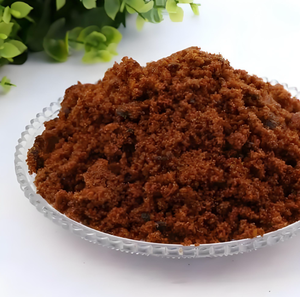
Micro-Ground Sprouted Brown Rice Protein (Ultra Fine)
300-mesh fine particle size ensuring smooth mouthfeel without grittiness in dairy alternative formulations.
Contact Us
USDA Organic Certified Rice Protein (NOP & EU Standards)
100% traceable organic origin with comprehensive chain of custody documentation from origin farm to dock.
Contact Us
Custom Neutral-Flavor Rice Protein (Deodorized)
Proprietary thermal deodorization removing cereal off-notes for clean flavor systems in nutrition bars.
Contact Us
Bulk Industrial Granulated Rice Protein (Large Scale Export)
Supplied in 1,000 kg totes or 25 kg multi-wall bags, tailored for global food manufacturing facilities.
Contact UsExecutive Summary: The Strategic Evolution of Rice Protein Manufacturing in China
The global shift toward plant-based macro-nutrition has positioned China as the primary hub for technical-grade and organic-certified rice protein production. As global food science transitions away from high-allergen proteins such as soy and dairy-derived whey, rice protein has emerged as the premier clean-label solution. Modern food processing demands macro-nutritional ingredients that offer not only high protein density, but also superior amino acid profiles, thermal stability, and sensory neutrality.
As a leading Chinese manufacturer and global exporter, our processing paradigm centers on full-spectrum non-GMO brown rice (Oryza sativa) utilization. By combining advanced enzymatic hydrolysis, multi-stage ceramic membrane filtration, and low-temperature spray drying, we yield protein concentrates (60%-70%) and isolates (80%-90%) that fulfill the stringent purity, heavy metal, and microbiological benchmarks set by North American and European regulatory bodies (including FDA, EFSA, NOP, and EU Organic frameworks).
Core Industry Advantage: Unlike chemical extraction methods relying on hexane or acid washing, our proprietary low-temperature biological enzymatic process preserves the native peptide structures and essential branched-chain amino acids (BCAAs: Leucine, Isoleucine, Valine), delivering a digestibility score (PDCAAS) comparable to whey isolate without allergen cross-contamination risk.
Comparative Macro-Nutritional Matrix
Understanding the technical advantages of rice protein isolate relative to conventional plant and animal proteins is essential for formulators and procurement executives. Below is an empirical comparison outlining key operational and nutritional indicators:
| Functional Parameter | Rice Protein Isolate (85%) | Soy Protein Isolate (90%) | Pea Protein Isolate (80%) | Whey Protein Isolate (90%) |
|---|---|---|---|---|
| Allergenic Risk | Hypoallergenic (No Big 9) | High (Major Allergen) | Low-Medium | High (Lactose/Dairy) |
| BCAA Concentration | 18.4g per 100g | 16.2g per 100g | 15.8g per 100g | 22.1g per 100g |
| Flavor Profile | Neutral / Light Cereal | Beany / Bitterness Notes | Earthy / Vegetal Notes | Dairy / Neutral |
| Digestibility Rate | 98% (Enzymatic Hydrolyzed) | 95% | 92% | 99% |
| Heavy Metal Limits | Strict Pb <0.2mg/kg, As <0.1mg/kg | Variable by Soil Zone | Variable by Soil Zone | N/A |
| Label Cleanliness | Non-GMO, Organic, Clean Label | Frequently GMO Origin | Clean Label | Animal Derived |
Global Sourcing & Procurement Trends (2025–2030)
Procurement directors in the food manufacturing, nutraceutical, and sports supplement spaces must navigate evolving compliance demands, geopolitical supply dynamics, and rising consumer expectations for transparency. Based on macro-market intelligence, the following key trends are reshaping rice protein sourcing globally:
1. Shift toward "Low Heavy Metal" Certified Supply Chains
Historically, rice-derived products faced scrutiny due to natural bio-accumulation of inorganic arsenic and lead from agricultural soils. Top-tier Chinese exporters have addressed this by establishing dedicated non-polluted agricultural bases in Northeast China (Heilongjiang and Jilin provinces), where pristine soil chemistry and controlled irrigation drastically reduce heavy metal intake. Modern contract specifications now require lot-by-lot ICP-MS (Inductively Coupled Plasma Mass Spectrometry) testing confirming arsenic levels well below strict European Infant Nutrition Directive limits.
2. High-Tech Texture Optimization & Grittiness Elimination
Historically, rice protein powders posed texture challenges in beverage applications due to insoluble starch-protein complexes causing a gritty mouthfeel. Technical advancements in micro-milling (achieving particle sizes under 300 mesh / 45 microns) and targeted enzymatic hydrolysis have eliminated grittiness. Modern formulations seamlessly integrate into plant-based milks, ready-to-mix (RTM) powders, and functional gel systems.
3. Integration of ESG and Regenerative Agricultural Certification
Tier-1 ingredient buyers are rapidly moving past standard ISO certifications to mandate environmental, social, and governance (ESG) compliance throughout the supply chain. Leading Chinese manufacturers are investing in zero-emission bioprocessing plants, where rice starch and syrup co-products are fully monetized for food sweetening, while wastewater undergoes anaerobic digestion to generate clean biogas for factory operations.
Manufacturing Rigor & Supply Chain Excellence
Vertical Agronomy Integration
Direct oversight from seed selection and non-GMO grain planting through to automated processing ensures total raw material purity and batch-to-batch consistency.
Audit-Ready Quality Assurance
Every shipment is issued with comprehensive documentation: lot-specific Certificate of Analysis (CoA), Allergen Statement, Non-GMO Verification, and Kosher/Halal certification.
Flexible Global Logistics
Positioned near key export shipping hubs (Qingdao, Shanghai, Tianjin) with domestic U.S. and European warehouse stock holdings to support spot orders and continuous contract drawdowns.
Guaranteed Lead Times
In Full. On-Time. All The Time. Operating automated 24/7 continuous lines enables short manufacturing lead times (under 14 days from PO to ocean loading).
Custom Application R&D
Our food science technicians provide tailor-made physical specifications—adjusting bulk density, mesh particle distribution, dispersibility, and protein concentration (60%-90%).
Zero Chemical Residue Guarantee
Processing uses purely enzymatic hydrolysis with zero hexane, zero sulfur dioxide bleach, and zero artificial preservatives—100% compliant with clean-label mandates.
Verified Certification Standards & International Compliance
Our manufacturing plant operates under global quality management systems, subject to annual third-party audits by accredited certification bodies.



Comprehensive B2B Procurement FAQ
Here are detailed technical and operational answers to the most common questions raised by procurement managers, R&D food engineers, and quality assurance specialists when sourcing rice protein from China.
Request Samples & Volume Quotations Today
Partner directly with China's leading rice protein manufacturer. Contact our technical sales team for comprehensive specification sheets, heavy metal test reports, and custom pricing frameworks.