

Featured Hemp & Agricultural Processing Products
Explore our premium industrial plant protein powders, specialized extraction equipment, and high-purity refined agricultural derivatives directly sourced from certified OEM/ODM facilities in China.
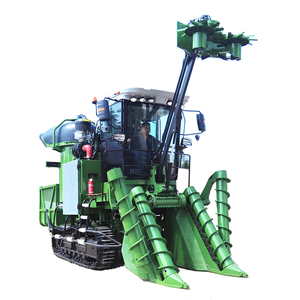
- Capacity: 2.5–4.0 Ha/h
- Efficiency: 99.2% Separation
- Certification: CE / ISO9001
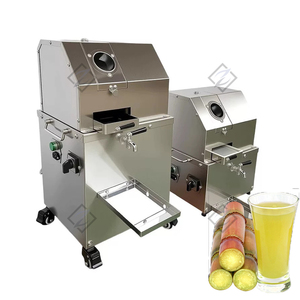
- Processing: Cold Pressing < 45°C
- Output: 120-500 kg/h
- Material: Food Grade SS304
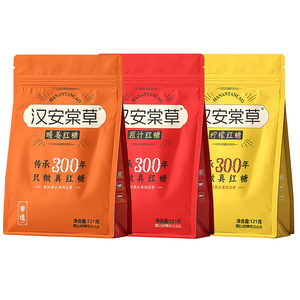
- Mesh Size: 80–200 Mesh
- Purity: 99.8% Pure
- Form: Soluble Lumps / Granules
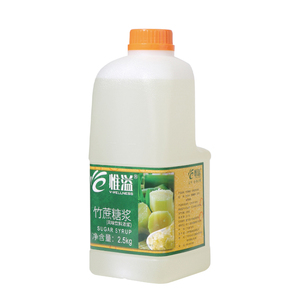
- Brix Degree: 75% - 82%
- Color: Golden Clear
- Shelf Life: 24 Months
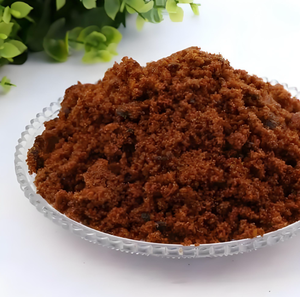
- Protein Base: 35% Crude Protein
- Moisture: < 7.0%
- Grade: USDA Organic / Non-GMO
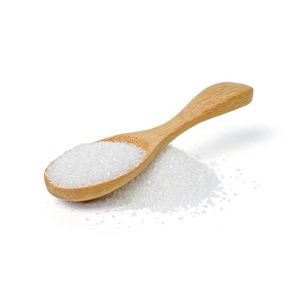
- Protein Purity: ≥ 60.0%
- Particle Size: 500-800 Mesh
- Allergen: Soy-Free / Gluten-Free
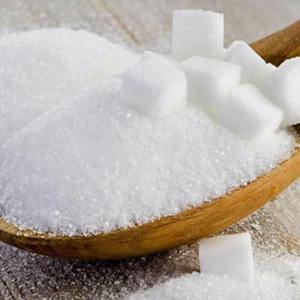
- Protein Content: ≥ 70.0%
- Heavy Metals: < 0.1 ppm
- Packaging: 25kg / 50kg / Tote
- Peptide Purity: ≥ 80.0%
- Solubility: 100% Water Soluble
- Customization: Full OEM Packaging
1. The Strategic Position of Chinese Hemp Protein Manufacturing in Global Supply Chains
Over the last decade, global food technology and sports nutrition markets have undergone a profound structural pivot toward sustainable, allergen-free, plant-based macronutrients. Within this global paradigm shift, industrial hemp (Cannabis sativa L. with THC < 0.3%) has emerged as an unrivaled botanical protein powerhouse. Chinese hemp protein manufacturers—centered primarily in agronomic hubs such as Heilongjiang, Yunnan, and Jilin—have established overwhelming global leadership in total acreage, cold-milling processing capacity, and cost-efficient enzymatic purification technologies.
Unlike alternative plant proteins like soy or pea, hemp protein possesses an extraordinary biochemical profile dominated by two major storage proteins: Edestin (approx. 65%) and Albumin (approx. 35%). Edestin is a highly digestible legumin-class globular protein that exhibits incredible physiological compatibility with human blood plasma, allowing for rapid gastrointestinal absorption without causing metabolic inflammation or digestive discomfort.
Comparative Biochemical Profile: Hemp vs. Soy vs. Pea Protein
| Biochemical Parameter | Hemp Protein Isolate (Chinese Spec) | Pea Protein Isolate | Soy Protein Isolate |
|---|---|---|---|
| Primary Protein Fractions | Edestin (65%) & Albumin (35%) | Legumin & Vicilin | Glycinin & Beta-Conglycinin |
| Allergenic Risk | Hypoallergenic (Soy & Gluten Free) | Low (Growing Sensitivities) | High (Major Big-8 Allergen) |
| Digestibility Index (PDCAAS) | 0.86 – 0.92 (Extremely High for Unfortified) | 0.78 – 0.89 | 0.91 – 0.98 |
| Arginine Content (g/100g) | 12.3g (Highest among all plant bases) | 8.7g | 7.4g |
| Anti-Nutritional Factors | Negligible (No Trypsin Inhibitors post-milling) | Moderate (Phytates & Tannins) | High (Phytoestrogens & Phytates) |
2. Technological Advances in Chinese Factories: From De-Oiling to Enzymatic Hydrolysis
A crucial metric evaluated during factory audits by Fortune 500 procurement teams is the specific extraction methodology employed to defat the hemp seed cake. Hemp seed contains between 30% and 35% oil rich in polyunsaturated fatty acids (Omega-3 and Omega-6 in an optimal 1:3 ratio). If residual lipid levels exceed 8% in the final protein powder, rapid oxidation leads to rancidity, unpleasant dark coloring, and off-flavors.
Key Steps in Modern High-Purity Processing Lines:
- De-hulled Seed Separation: Advanced color sorters and pneumatic winnowers remove the tough outer pericarp (hull) to minimize insoluble fiber content from 30% down to < 5%, turning green coarse flour into a creamy yellow protein matrix.
- Sub-Critical Temperature De-Oiling: Processing temperatures are strictly maintained below 45°C throughout hydraulic or continuous screw pressing. This preserves delicate heat-sensitive amino acids such as lysine and methionine from thermal denaturation.
- Isoelectric Precipitation & Ultrafiltration: Soluble hemp albumin and edestin are selectively isolated at specific pH intervals (pH 4.5–5.0), concentrated via ceramic membrane separation, and spray-dried in hygienic GMP-certified towers.
- Enzymatic Bitterness Remediation: Targeted food-grade endopeptidases break down hydrophobic bitter peptides, yielding a smooth, neutral-tasting powder ideal for clean-label plant milk, protein bars, and sports nutrition supplements.
3. Global Market Trends & Future Procurement Forecast (2025–2032)
According to market intelligence, the global hemp protein market is projected to expand at a compound annual growth rate (CAGR) of 14.2% through 2032. B2B purchasing agents and product development scientists must stay ahead of several emerging macro trends shaping the procurement ecosystem:
Key Market Drivers & Procurement Forecasts:
- The Rise of Micro-Peptide Hydrolysates: Demand is rapidly shifting from crude 50% protein powders toward 70-80% bioactive hemp hydrolysates. These micro-peptides offer superior water dispersion and rapid metabolic cellular uptake for athletic recovery formulations.
- Clean-Label & Single-Ingredient Formulations: Brands are phasing out artificial emulsifiers and chemical masking agents. Highly refined, light-colored Chinese hemp protein isolates allow formulators to achieve clean, neutral taste profiles without adding synthetic additives.
- ESG & Carbon Neutrality Criteria: Industrial hemp sequesters up to 15 tons of atmospheric CO2 per hectare during its growth cycle. European and North American brand owners increasingly mandate Scope 3 carbon reduction metrics from their Chinese supply partners.
- Price Volatility Mitigation via Annual Fixed Contracts: Given climate fluctuations impacting raw seed yields, leading global brands are securing 12-to-24-month fixed-price supply agreements directly with integrated Chinese processor-farms to safeguard their COGS (Cost of Goods Sold).
Why Partner With Premier Chinese Hemp Manufacturers?
Building a resilient B2B supply chain requires more than low prices—it demands multi-generational quality reliability, rigorous testing, and seamless logistics capability.
Frequently Asked Questions (FAQ) for B2B Procurement
Direct answers to essential technical, regulatory, and supply chain queries raised by corporate procurement officers and R&D formulators.