

Featured Sweetener & Agro-Industrial Solutions
Explore our export-ready products, ranging from refined starches and corn syrups to sugarcane technology and specialty raw ingredients.
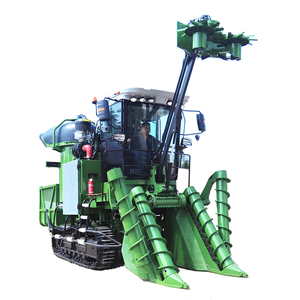
Wubota Cheap Price Full Customization Chinese Harvesting Sugar Cane Harvester Sugarcane Harvester
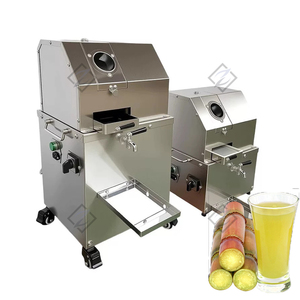
Commercial & Household Use Electric Sugarcane Juice Machine Sugar Cane Juicer/sugar Cane Juicer Machine
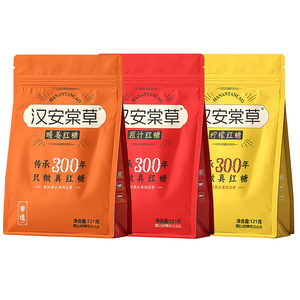
Bagged Multi-Flavor Refined Cane Brown Sugar Lumps Sugar Cube 121g/bag Soak in Water for Menstrual Period
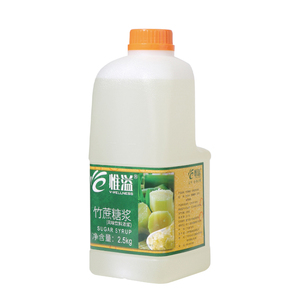
Weiyi High Quality Bamboo Cane Rock Syrup Pure Cane Brown Sugar for Bubble Tea Ingredients
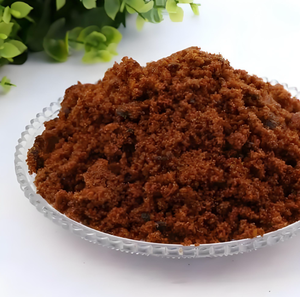
Bulk Unrefined Brown Cane Sugar Raw Sugar Granulated Natural Sweetener Food Grade Wholesale Export Supply
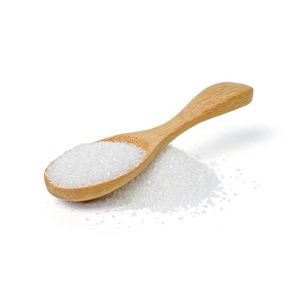
Refined Caned Sugar High Purity Export Grade for Confectionery and Food Manufacturing
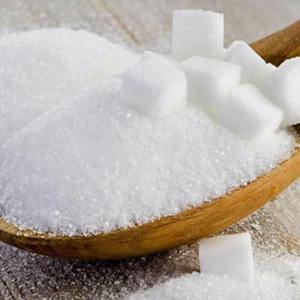
Best Selling Natural White Granular Cane Sugar, 100% Pure 50kg Pack Industrial Grade
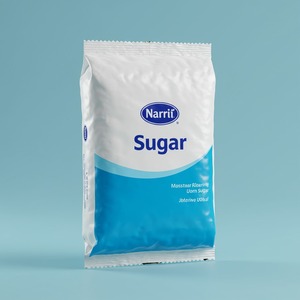
Raw Cane Sugar, Customizable Packaging, Food Grade White Granulated for Large Manufacturers
China's Premier Industrial Corn Syrup Sourcing & Refining Hub
As global food processing, beverage synthesis, and industrial fermentation industries demand heightened purity, consistent Dextrose Equivalent (DE) value precision, and transparent supply chains, selecting a world-class Chinese corn syrup supplier has evolved into a strategic imperative. China’s advanced agricultural infrastructure, combined with state-of-the-art enzymatic dual-hydrolysis systems, positions domestic processors at the forefront of global carbohydrate sweetener manufacturing.
Controlled Enzymatic Hydrolysis
Our processing facility utilizes advanced multi-stage thermo-stable alpha-amylase liquefaction followed by fungal glucoamylase saccharification. This exact controlled reaction allows us to fine-tune the carbohydrate spectrum, delivering tailored ratios of glucose, maltose, and higher oligosaccharides optimized for specific industrial functionality.
Rigorous Ion-Exchange Purification
To ensure crystal-clear optical clarity, neutral flavor, and ultra-low mineral residue, all raw syrups pass through automated granular activated carbon adsorption columns and dual-bed cation-anion resin ion exchangers. This results in syrup solutions containing less than 0.05% ash content and superior thermal color stability.
Full Supply Chain Traceability
Operated under strict adherence to ISO22000, FSSC22000, HACCP, Kosher, and Halal guidelines, every shipment comes backed by complete lot-specific certificates of analysis (CoA). From non-GMO yellow dent corn cultivation in China's fertile northern grain belt to ocean container flexitank loading, absolute batch purity is guaranteed.
Technical Specifications & Industrial Selection Matrix
Corn syrup (liquid glucose) is classified primarily by its Dextrose Equivalent (DE), representing the degree of starch hydrolysis. Choosing the correct DE profile is essential to governing freezing point depression, hygroscopicity, browning kinetics (Maillard reaction), and rheological viscosity in finished formulations.
| Corn Syrup Grade / Type | DE Range | Brix Range | Primary Sugar Profile | Functional Attributes | Target Industrial Applications |
|---|---|---|---|---|---|
| Low DE Syrup (DE 28–35) | 28 - 35 | 75% - 82% | High Higher Sugars (DP4+) | High viscosity, anti-crystallization, excellent bodying agent, low sweetness. | Infant nutrition, spray-drying carriers, ice cream stabilization, sauces. |
| Regular Confectioners (DE 40–44) | 40 - 44 | 80% - 85% | Balanced Glucose / Maltose | Controlled humectancy, moderate sweetness, prevents sugar graining, smooth mouthfeel. | Hard candies, jellies, bakery glazes, chewing gum, canned fruit syrups. |
| High Maltose Syrup (DE 42–50) | 42 - 50 | 75% - 83% | Maltose > 50% | Low hygroscopicity, low browning tendency, high color stability, thermal clarity. | High-clarity hard candy, beer brewing adjuncts, jam preservation, soft confections. |
| High DE Syrup (DE 60–65) | 60 - 65 | 78% - 82% | High Dextrose & Maltose | High fermentability, high sweetness, strong osmotic pressure, high humectancy. | Yeast-fermented bakery goods, condiments, flavored dessert syrups, soft drinks. |
| High Fructose Corn Syrup (HFCS 42) | -- | 70% - 72% | 42% Fructose / 52% Glucose | Equal sweetness to sucrose liquid, liquid dosing ease, clean flavor release. | Carbonated beverages, dairy beverages, processed foods, baked goods. |
| High Fructose Corn Syrup (HFCS 55) | -- | 76% - 78% | 55% Fructose / 42% Glucose | Higher sweetness than sucrose, enhanced flavor enhancement, rapid cold solubility. | Soft drinks, RTD teas, sports drinks, liquid table syrup formulations. |
Formulation Advisory: Selecting the proper Brix level and Dextrose Equivalent directly dictates water activity ($a_w$) in food matrices. Our specialized technical engineering team provides custom blending services to achieve specific DP (degree of polymerization) ratios tailored for high-speed continuous candy lines and bulk liquid processing facilities.
Strategic Sourcing & Future Market Trends (2025–2030)
The global starch sweetener landscape is undergoing significant evolutionary shifts driven by supply chain volatility, decarbonization mandates, and shifting consumer nutrition preferences. Procurement managers must adapt their international buying frameworks to align with modern commercial trends.
1. Transition to Clean-Label & Non-GMO Feedstocks
Global food multi-nationals are increasingly demanding non-GMO verification and pesticide-free documentation across starch lines. Chinese corn exporters have responded by establishing isolated regional non-GMO corn farming belts in Heilongjiang and Jilin provinces, offering fully audit-traceable raw materials from seed to liquid tote.
2. Bulk Flexitank & Heated Shipping Infrastructure
Traditional drum loading is rapidly giving way to high-capacity 24,000-liter sanitary flexitanks installed within standard 20-foot sea containers. Modern Chinese exporters now supply integrated steam-heating pads beneath flexitanks, allowing rapid viscosity reduction and effortless unloader pumping even when winter shipments arrive at cold-climate discharge ports.
3. Enzymatic Customization for Functional Reduced-Sugar Formulations
Rather than standard DE syrups, advanced food brands are procuring custom-branched oligosaccharide syrups and resistant dextrins derived from corn starch. These modified starch hydrolysates deliver necessary bulking properties, mouthfeel, and freezing-point suppression while dramatically reducing net glycemic impact.
Why Global Procurement Leaders Choose Our Export Ecosystem
Building long-term supply chain resilience requires more than low pricing; it requires consistency, structural transparency, and immediate operational responsiveness.
- Precision Processing Control: State-of-the-art DCS automated continuous hydrolysis lines eliminate human error, maintaining Brix variations within an ultra-tight ±0.5° margin.
- Microbiological Security: High-temperature evaporation, multi-pass UV sterilization, and HEPA-filtered cleanroom filling stations keep bacterial, yeast, and mold counts far below international pharmacopeial limits.
- Custom Contract Lock-Ins: Safeguard your COGS against global corn market fluctuations with customized multi-quarter volume and pricing framework contracts.
- Rapid Ocean Logistics: Proximity to major deep-water shipping terminals (Qingdao, Tianjin, Dalian) ensures minimal inland freight transit time and prompt ocean vessel carrier departures.
Core Compliance Certifications
Our manufacturing units operate under international food safety and ethical trade audit frameworks:
Frequently Asked Questions (Procurement FAQ)
Direct technical and commercial answers designed for food scientists, sourcing directors, and import managers.
Every commercial ocean order includes a comprehensive QA document pack: Lot-Specific Certificate of Analysis (CoA), Master Product Specification Sheet, Non-GMO Statement, Allergen Declaration, Country of Origin Certificate, Phytosanitary Certificate, and Kosher/Halal certification documents. Additional customer-specific analytical testing (e.g., heavy metal screening or pesticide residue limits) can be provided upon request.
Crystallization primarily affects syrups with high dextrose concentrations when exposed to sub-freezing ambient temperatures. We mitigate this risk by fine-tuning the maltose-to-dextrose carbohydrate balance and packaging syrups at optimized Brix levels (typically 80–84° Brix). Furthermore, for flexitank shipments destined for winter ports, we equip tanks with thermal insulation blankets and integrated steam heating pads for easy re-liquefaction prior to discharge.
Our standard liquid export packaging configurations include:
- 200L / 300kg HDPE Plastic Drums: 80 drums per 20-foot container (24 MT total).
- 1000L / 1400kg IBC Tote Containers: 18–20 totes per 20-foot container.
- 24,000-Liter Food-Grade Sanitary Flexitanks: Maximize ocean freight cost efficiency per metric ton.
Minimum order quantity for standard grades starts at one 20-foot FCL (Full Container Load). R&D trial samples are available in 5kg–25kg pails upon evaluation.
When stored in unopened original sealed packaging at ambient temperatures between 15°C and 25°C in clean, dry, covered storage facilities away from direct sunlight, our refined corn syrups maintain full analytical quality for 24 months from the date of manufacture. Avoid storing below 10°C to prevent excessive viscosity increases that complicate industrial pumping.
Yes. Beyond standard industrial grades (DE 42 Confectioners, DE 63 High-Fermentation, High Maltose), our advanced R&D lab can adjust enzymatic hydrolysis reaction times and enzyme combinations to produce custom oligosaccharide distribution curves tailored precisely to your viscosity, humectancy, and anti-graining needs.
Empower Your Global Supply Chain Today
Partner with China’s most reliable corn syrup manufacturer and exporter. Request technical data sheets, sample pails, or locked-in spot and contract pricing within 24 hours.