
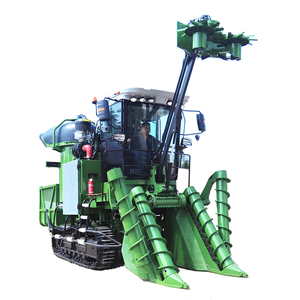

Certified Catalog
Standardized Enterprise Ingredients & Harvester Machinery
Explore our audited sugar cane derivatives, refined brown/white sweeteners, and advanced sugarcane harvesting equipment engineered for industrial scalability and international compliance.
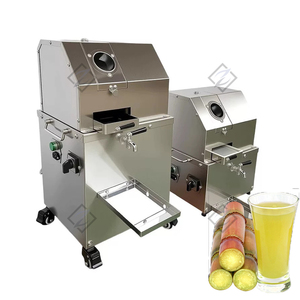
Commercial Electric Sugarcane Juice Extraction Unit
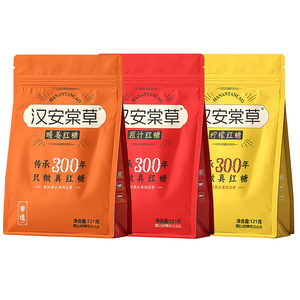
Bagged Multi-Flavor Refined Cane Brown Sugar Cubes (121g)
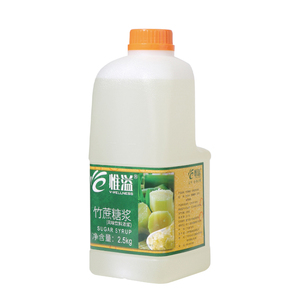
Weiyi Pure Cane Rock Syrup & Brown Sugar Matrix
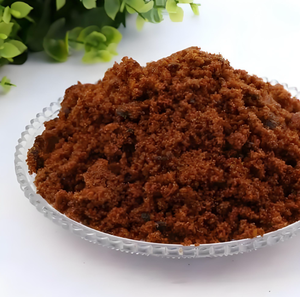
Bulk Unrefined Raw Brown Cane Sugar Granules
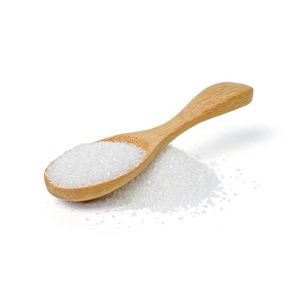
Premium Refined White Cane Sugar (Origin: Thailand)

100% Pure Natural White Granulated Cane Sugar (50kg Bag)
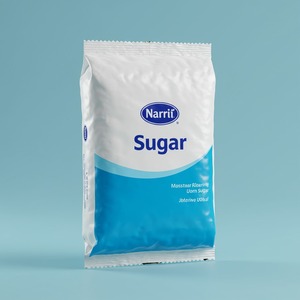
Industrial Grade Food White Granulated Raw Cane Sugar
15+
Years Global Logistics
100%
Traceable Agronomy
ISO/CE
Audited Manufacturing
24/7
QA & Technical Support
E-E-A-T Authority Framework
Integrated Agronomy & Certified Manufacturing Excellence
Operating as a multi-generational, family-owned supply partner via Peachtree Commodities and our global manufacturing partners, we bridge the gap between farm harvest machinery, direct refining, and audited cross-border logistics.
Standardized Quality Assurance & CE Regulatory Compliance
Every commercial batch delivered across our sweetener matrix (including cane sugars, tapioca derivatives, non-GMO corn syrups, and rice proteins) strictly complies with European Community directives and global food safety protocols. From machinery processing safety under the CE Machinery Directive to direct chemical contamination thresholds, our supply chains undergo meticulous physical, microbiological, and chemical vetting.
Direct-from-Origin Farm Integration
Unlike anonymous brokerage platforms, our procurement mechanism engages straight with primary crushing mills and sugarcane automated harvesters in verified growing regions. By eliminating intermediary trading desks, we ensure 100% chain-of-custody transparency from raw stalk processing to finished high-ICUMSA crystalline sugars.
Verified Supply Chain Credentials
We hold and manage rigorous multi-national compliance certifications to satisfy strict corporate governance requirements for Fortune 500 food and beverage brands:
- ✓ USDA Organic & NOP Verification: Full compliance for organic sugar, tapioca, and rice extracts.
- ✓ CE Equipment Integrity: Sourced extraction machinery adheres to EU Directive 2006/42/EC.
- ✓ GFSI Standards (HACCP & ISO 22000): Comprehensive hazards analysis and critical control point auditing.
- ✓ Non-GMO Project Verified: Strict PCR testing proving identity preservation across grain and cane syrup bases.
- ✓ Kosher & Fairtrade Certified: Ethically sourced and religiously compliant manufacturing runs.
Analytical Insights
Technical Specification & Application Guide
Comparative technical benchmarks for industrial enterprise buyers formulating with sugarcane, tapioca, corn, and rice ingredient derivatives.
| Ingredient / Product Category | Technical Parameters (Brix / Purity / ICUMSA) | Primary Functional Role | Target Food & Industrial Applications | Regulatory Compliance |
|---|---|---|---|---|
| Refined White Granulated Cane Sugar | ICUMSA < 45 RBU, Purity > 99.80%, Moisture < 0.04% | Primary sweetener, bulk texturizer, natural preservative | Confectionery, carbonated beverages, commercial bakery | CE Compliant, ISO 22000, Kosher |
| Unrefined Raw Brown Sugar | ICUMSA 600-1200, Sucrose > 94.5%, Natural Molasses Content | Flavor enhancement, dark browning (Maillard reaction), humectancy | Craft baking, sauces, marinades, artisan beverages | USDA Organic, Fairtrade, Non-GMO |
| Pure Cane Rock Syrup & Brown Sugar Cubes | Brix 68.0 - 72.0°, High solubility, uniform thermal melt | Quick dissolution, consistent caramelization profile | Bubble tea formulations, RTD coffees, premium dessert syrups | HACCP, Food Grade Standard |
| Non-GMO Corn & Tapioca Syrups | DE (Dextrose Equivalent) 28 - 63, Solids content 77 - 82% | Viscosity control, anti-crystallization, moisture retention | Protein bars, gummies, ice cream, plant-based dairy | Non-GMO Project Verified, Kosher |
| Sugarcane Harvesters & Extractors | Hydraulic capacity custom, Processing yield > 92% juice extraction | Mechanized cane harvesting, raw juice separation | Agricultural estate management, downstream refinery supply | CE Machinery Directive (2006/42/EC) |
Industry Evolution
Product Development Trends Shaping Food Ingredients
In-depth structural shifts re-defining raw material selection, refining methodologies, and formulation chemistry for modern enterprise food production.
1. High-Purity Crystalline & Natural Molasses Retention
The food manufacturing landscape is undergoing a significant bifurcation. On one hand, beverage scale-ups demand ultra-low ICUMSA refined white cane sugar (ICUMSA < 45) to ensure neutral clarity and zero flavor interference in low-calorie and fortified RTD liquids. On the other hand, functional snack brands are rapidly reformulating away from high-fructose corn syrup (HFCS) toward unrefined, molasses-rich brown cane sugars.
Natural molasses carries key trace minerals (polyphenols, potassium, magnesium) that provide subtle caramel flavor notes while allowing brands to declare clean-label claims such as "Unrefined Cane Sugar" or "Minimally Processed Sweetener" on front-of-pack labeling.
2. Synergy Between Upstream Agronomy Equipment & Downstream Refining
Modern food ingredient purity begins in the field long before cane stalks reach vacuum evaporation pans. The integration of CE-certified automated sugarcane harvesters has drastically reduced field trash content (extraneous tops, dry leaves, and soil contamination) from traditional manual harvests.
Cleaner field input reduces the mechanical wear on downstream roller crushers and minimizes micro-structural damage to the cane fibers, preventing enzymatic inversion of sucrose into unwanted glucose and fructose. This results in higher thermal efficiency during juice clarification and yields purer, highly stable crystalline sugar batches with reduced ash content.
3. Clean-Label Functional Syrups & Non-GMO Carbohydrate Matrices
Consumer skepticism toward ultra-processed synthetic sweeteners has accelerated the growth of tapioca and rice-based carbohydrate systems. Enzymatically converted tapioca syrup solids and brown rice syrups provide identical humectancy and freeze-thaw stability to traditional corn derivatives, but without GMO contamination risks or high glycemic spikes.
Food technologists are combining these plant-derived liquid syrups with specialty brown sugar rock syrups to achieve customized Dextrose Equivalents (DE), managing crispness in extruded cereals and moisture binding in plant-based protein bars.
4. Microbiological Security & Heavy Metal Mitigation
Global food safety authorities (including EFSA and the US FDA) have instituted tighter surveillance over heavy metal contaminants (Arsenic, Lead, Cadmium) and thermophilic spore counts in raw food ingredients. Advanced food ingredient manufacturing now incorporates multi-stage ion-exchange resin columns and ceramic ultrafiltration membranes.
These refining advancements guarantee that bulk brown sugar, refined white sugar, and liquid syrups maintain Total Viable Count (TVC) below 1,000 CFU/g and yeast/mold levels below 100 CFU/g—essential safety hurdles for infant nutrition and aseptic beverage filling plants.
Strategic Outlook
Future Procurement Trends in Global Food Ingredients (2025–2030)
Strategic risk mitigation models, supply chain digitalization, and regulatory compliance imperatives for enterprise procurement officers.
1. Transition from Spot Purchasing to Programmatic Forward Contracts
Climate unpredictability in major sugarcane producing regions (such as Thailand, Brazil, and India) has caused extreme volatility in global raw sugar futures (NY No. 11 and London No. 5). Strategic procurement teams are abandoning pure spot-market purchasing in favor of multi-year, volume-guaranteed programmatic supply agreements. By establishing forward contracts with vertically integrated suppliers holding domestic buffer stock across U.S. and European warehouses, enterprise buyers buffer their supply chains against spot market spikes and vessel blank sailings.
2. Blockchain-Enabled Traceability & Digital Certificates of Analysis (dCoA)
Paper-based Certificate of Analysis (CoA) verification is rapidly giving way to automated API-driven lot tracking. Procurement managers now demand real-time access to origin agronomy records, laboratory HPLC purity testing data, and organic transaction certificates prior to vessel loading. Digital verification ensures that every bag of unrefined cane brown sugar or tote of liquid rock syrup can be traced backward to specific farm coordinates and crushing dates, significantly reducing QA release times at receiving factories.
3. Scope 3 Carbon Footprint Auditing & Sustainable Logistics Formats
Corporate ESG mandates now directly govern ingredient vendor evaluation. Procurement teams are scoring ingredient suppliers based on carbon intensity per metric ton delivered. This has triggered a logistics shift from single 25kg multi-wall paper bags toward zero-waste 1,000kg bulk totes, reusable fluid IBCs, and specialized flexitanks for liquid sugar shipments. Furthermore, suppliers utilizing CE-certified electrical field equipment and biomass-powered bagasse boilers during refining command a distinct competitive advantage in tender scoring.
4. Strict Compliance with EU Deforestation & Foreign Supplier Verification Protocols
With regulations like the European Union Deforestation Regulation (EUDR) and FDA Foreign Supplier Verification Programs (FSVP) taking full enforcement effect, global ingredient buyers can no longer source from unverified secondary brokers. Procurement operations require suppliers to maintain direct oversight over agricultural land use, guaranteeing zero deforestation, zero forced labor, and full HACCP food safety compliance across all overseas processing assets.
Procurement Knowledgebase
Frequently Asked Questions (FAQ)
Technical, regulatory, and logistics solutions for enterprise buyers evaluating CE certified food ingredients and agricultural supply programs.
What does "CE Certification" mean in the context of food ingredients and equipment?
In the food ingredient supply chain, "CE Certification" applies directly to the automated processing, crushing, harvesting, and packaging machinery utilized to process raw agricultural inputs. Compliance with the CE Machinery Directive (2006/42/EC) and Food Contact Material Regulation (EC No 1935/2004) guarantees that extraction equipment features non-reactive food-grade stainless steel (SUS304/SUS316), contains no hazardous heavy metals or toxic lubricants, and prevents physical micro-contaminants from entering the refined sugar, starch, or liquid syrup streams.
What standard technical documentation accompanies each bulk shipment?
Every commercial delivery is backed by a complete, audit-ready regulatory document packet. This includes a lot-specific Certificate of Analysis (CoA) detailing ICUMSA color rating, moisture percentage, sucrose purity, heavy metal screening, and microbiological counts (TPC, yeast/mold, E. coli, Salmonella). Furthermore, we supply technical specification sheets, safety data sheets (SDS), non-GMO origin declarations, allergen matrices, Kosher/Halal certificates, and official USDA Organic NOP transaction certificates where applicable.
How do you differentiate between ICUMSA 45 White Sugar and Unrefined Raw Brown Sugar?
ICUMSA (International Commission for Uniform Methods of Sugar Analysis) measures sugar color and clarity. ICUMSA 45 represents highly refined white granulated cane sugar with all natural molasses extracted, offering pure sweetness (sucrose > 99.8%) and clear dissolution for beverages. Raw or unrefined brown sugar ranges from ICUMSA 600 to 1200, retaining natural molasses film around the sucrose crystals, providing rich flavor profiles, natural moisture, and distinct brown coloration ideal for baking, sauces, and specialty food processing.
What are the standard Minimum Order Quantities (MOQs) and packaging formats?
For dry crystalline sweeteners (white granulated sugar, unrefined brown sugar, sugar cubes), standard commercial packaging includes 25kg multi-wall paper bags, 50kg polypropylene woven bags, and 1,000kg (2,200 lbs) industrial bulk totes. For liquid sweeteners (pure cane rock syrups, tapioca syrups), formats range from 275-gallon aseptic IBC totes to 24,000-liter flexitanks and bulk food-grade tankers. R&D pilot samples (1kg - 5kg) are available upon request for commercial formulation testing prior to full production scale-up.
How do domestic warehousing and safety buffer stock programs operate?
To eliminate ocean shipping delays and port congestions, we hold strategically positioned inventory across a network of organic-certified, climate-controlled, food-grade warehouses in North America and key global logistics hubs. Procurement clients can establish rolling 30-60-90 day forecasts, allowing us to maintain reserved safety stock that can be drawn down via Full Truckload (FTL) or Less-than-Truckload (LTL) shipments on 24-48 hours notice.
How is organic identity preserved and audited throughout global transit?
Organic integrity is protected under strict identity preservation (IP) procedures governed by USDA NOP and EU Organic regulations. Primary shipments are sealed in tamper-evident container units at certified mills. Each transfer point—from port loading to domestic warehousing—is backed by physical transaction certificates reconciliation. Every lot number printed on bag tags matches the digital ledger on your certificate of analysis, guaranteeing 100% audit-ready chain-of-custody tracking.