

CE Compliant & Certified Beverage Ingredients
Directly sourced, fully traceable raw materials, extracts, and industrial sugar processing systems manufactured under strict EU, USDA Organic, and HACCP compliance standards.
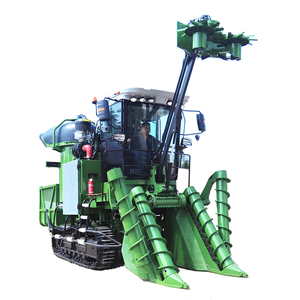
Wubota Cheap Price Full Customization Chinese Harvesting Sugar Cane Harvester Sugarcane Harvester
Get a Quote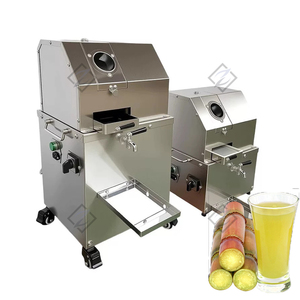
Commercial & Household Use Electric Sugarcane Juice Machine Sugar Cane Juicer/sugar Cane Juicer Machine
Get a Quote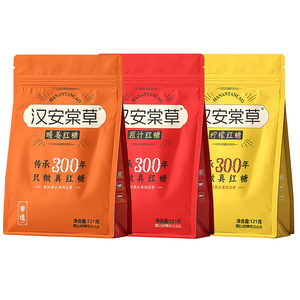
Bagged Multi-Flavor Refined Cane Brown Sugar Lumps Sugar Cube 121g/bag Soak in Water for Menstrual Period
Get a Quote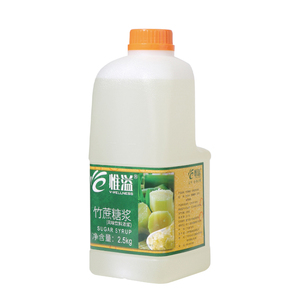
Weiyi High Quality Bamboo Cane Rock Syrup Pure Cane Brown Sugar for Bubble Tea Ingredients
Get a Quote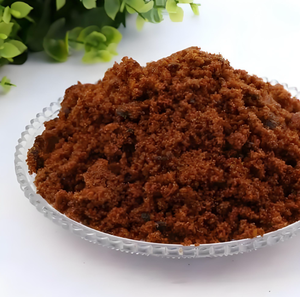
Bulk Unrefined Brown Cane Sugar Raw Sugar Granulated Natural Sweetener Food Grade Wholesale Export Supply
Get a Quote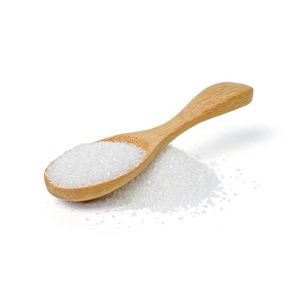
Refined Caned Sugar from Thailand Food Grade Sweetening Agent for Beverage Processing
Get a Quote
Best Selling Natural White Granular Cane Sugar, 100% Pure 50kg Pack Industrial Grade
Get a Quote
Raw Cane Sugar, Customizable Packaging, Food Grade White Granulated for Large Manufacturers
Get a QuoteNavigating CE Certification and Regulatory Compliance in Beverage Ingredients Manufacturing
In the modern global food and beverage landscape, the mandate for stringent safety, chemical purity, and standardized processing metrics has transformed raw ingredient procurement from a cost-driven decision into a high-stakes quality assurance operational framework. When evaluating CE certified beverage ingredients manufacturers, enterprise procurement directors, R&D beverage chemists, and supply chain managers must recognize the technical intersections between European Conformity (CE) operational equipment standards, EU General Food Law Regulations (EC No 178/2002), Good Manufacturing Practices (GMP), and global food safety initiatives like HACCP and ISO 22000.
While the traditional CE mark strictly applies to machinery, processing plant equipment, and automated inline juicing systems (ensuring health, safety, and environmental protection standards under EU Directives), raw agricultural commodities—including refined cane sugars, non-GMO tapioca syrups, organic rice proteins, and liquid syrups—must adhere to strict harmonized European chemical and microbiological purity standards. Bridging these domains ensures that both the process machinery and the physical inputs operating within liquid processing lines meet audit-ready international parameters.
Multi-generational ingredient partners like Peachtree Commodities bridge this gap by enforcing direct origin management. By working directly with certified farms and industrial refining processors, we remove the opacity of middleman trading desks. Every ton of organic sugar, tapioca maltodextrin, and raw sweetener entering your supply stream carries complete chain-of-custody documentation, ensuring seamless compliance across North American, European, and Asian markets.
Enterprise Operational Strengths: The Peachtree Advantage
With over 15 years of dedicated specialization in non-GMO, USDA Organic, and natural sweeteners, Peachtree Commodities stands as an elite supply chain anchor for commercial beverage operations. Our competitive advantage relies on four pillars of operational rigor:
Direct Origin Agronomy
We do not broker unverified open-market batches. We partner directly with primary millers and agronomic cooperatives in Brazil, Thailand, and Southeast Asia to guarantee seed-to-shelf batch consistency.
U.S. & EU Safety Warehousing
Eliminate ocean transit delays. We maintain strategically positioned, climate-controlled, organic-certified warehousing hubs across North America to enable JIT (Just-In-Time) contract delivery against client forecasts.
Audit-Ready Documentation
Every shipment is delivered with a complete documentation pack: Lot-Specific CoA, Organic Transaction Certificate (NOP/EU), Allergen Statements, Kosher/Halal Verification, and Non-GMO Project Verification.
Future Sourcing & Procurement Trends in Beverage Ingredients (2025–2030)
As consumer preferences pivot aggressively toward clean-label, low-glycemic, and regenerative organic product claims, beverage manufacturers are re-engineering their core ingredient profiles. Procurement executives must align with long-term technological and market shifts to protect brand equity and bottom-line profitability.
1. The Shift to Regenerative Organic Agriculture: Beyond simple "USDA Organic" certification, global retail brands are requiring Regenerative Organic Certified (ROC) ingredients. Regenerative farming restores soil health, sequesters atmospheric carbon, and ensures water shed conservation. Sourcing ROC cane sugar and rice syrups allows beverage brands to meet Scope 3 carbon reduction goals while occupying premium retail shelf positioning.
2. Enzymatic Hydrolysis & Clean-Label Viscosity Modifiers: Chemical hydrolysis in starch processing is rapidly being replaced by targeted enzymatic digestion. Modern RTD beverages demand non-GMO tapioca maltodextrin and rice syrups tailored to precise Dextrose Equivalent (DE) values. This enzymatic precision guarantees crystal-clear solubility, prevents retracing in cold-fill bottling, and provides clean mouthfeel without masking subtle flavor notes.
3. Bulk Liquid Flexitank Logistics vs. Traditional Dry Totes: To mitigate handling costs, reduce industrial energy consumption in batch melting, and minimize labor requirements, enterprise beverage plants are migrating from 25 kg bagged dry sugars to liquid sucrose, liquid invert sugar, and high-Brix tapioca syrup delivered in 275-gallon IBC totes or 24,000-liter sterile flexitanks.
Technical Specification & Functional Application Matrix
To assist R&D formulators and ingredient buyers in selecting optimal raw materials, the following data matrix outlines technical specifications, solubility parameters, and functional roles across core beverage categories:
| Ingredient Category | Brix / Purity Specs | Functional Properties | Key Beverage Applications | Compliance Marks |
|---|---|---|---|---|
| Organic Refined Cane Sugar | ≥ 99.8° Brix (ICUMSA < 45) | Clean sweetness, high solubility, zero flavor distortion, color neutral | RTD Teas, Craft Sodas, Premium Spirits, Flavored Waters | USDA Organic, CE Machinery Processed, Kosher, Fairtrade |
| Organic Liquid Cane Sugar | 67.0° – 68.0° Brix | Immediate liquid dosing, reduced energy mixing, microbial stability | High-Velocity Bottling, Energy Drinks, Kombucha Substrates | USDA Organic, HACCP, Non-GMO Project |
| Non-GMO Tapioca Syrup (DE 27-60) | 79.5° – 82.0° Brix | Humectancy, controlled sweetness, body enrichment, anti-crystallization | Plant-Based Dairy, Sports Drinks, RTD Iced Coffees | Non-GMO Project Verified, Kosher, ISO 22000 |
| Organic Tapioca Maltodextrin | Powder (DE 10-15) | Bolding agent, flavor carrier, dispersibility, spray-drying matrix | Nutritional Powders, Dry Beverage Mixes, Creamer Systems | USDA Organic, Gluten-Free, Kosher |
| Clarified Organic Rice Syrup | 77.0° – 80.0° Brix | Low-fructose sweetening, clean finish, stable pH range (4.5–6.5) | Infant Formulas, Hypoallergenic Drinks, Functional Juices | USDA Organic, Halal, Kosher, HACCP |
Enterprise Procurement FAQ: Technical & Sourcing Guidance
Below are critical questions answered by our technical quality control and global logistics directors to streamline your vendor evaluation process:
CE certification on processing equipment guarantees that the automated machinery, crushers, continuous evaporators, and aseptic piping systems comply with rigorous European Directive health, safety, and sanitary design standards. When ingredients pass through CE-certified stainless-steel processing lines (such as 316L food-grade equipment), they are protected from heavy metal leaching, mechanical seal contamination, and micro-particle exposure, delivering a demonstrably safer product to commercial bottling plants.
Every single batch shipped by Peachtree Commodities includes a comprehensive CoA generated via accredited third-party laboratory testing. Standard parameters include Brix degrees, ICUMSA color rating, pH levels, moisture percentage, ash content, heavy metal screening (Arsenic, Cadmium, Lead, Mercury via ICP-MS), pesticide residue panels, and full microbiological testing (Standard Plate Count, Yeast & Mold, E. coli, Salmonella).
For standard dry ingredients (25 kg multi-wall moisture-barrier paper bags), our standard MOQ starts at 1 full pallet (1,000 kg). For liquid sweeteners (275-gallon IBC totes), the MOQ is 1 tote. For enterprise-scale manufacturing, we routinely supply full truckloads (FTL), ocean container loads (FCL), and dedicated liquid bulk tankers or flexitanks with customized contract pricing models.
We manage supply chain disruptions by utilizing a dual-origin sourcing strategy and holding local buffer stocks within our network of organic-certified U.S. food-grade warehouses. By contracting rolling 12-month forecasts with our beverage manufacturing clients, we maintain safety stock on North American soil, insulating your production line against ocean freight delays, port congestion, or seasonal harvest fluctuations.
Yes. Our liquid sugars and tapioca syrups are filtered down to micro-level specifications and stabilized against temperature-induced crystallization. They feature controlled viscosity curves specifically engineered for inline mass-flow meters and automated blending equipment used in modern high-speed canning and bottling facilities.
Absolutely. Our application specialists collaborate with brand R&D teams to formulate custom carbohydrate profiles, blending specific ratios of tapioca syrup solids, organic cane sucrose, or rice proteins to achieve targeted Brix, viscosity, sweetness index, and freeze-thaw stability required for novel functional beverage concepts.
Partner with a Trusted Global Beverage Ingredient Supplier
Secure your commercial supply chain with audit-ready, CE-compliant, USDA Organic, and Non-GMO ingredients. Request custom specifications, pricing structures, or laboratory sample kits today.